Top 7 Castles around Kalbe (Milde)
Best castles around Kalbe (Milde) offer a journey through centuries of history in the Altmark region. The area is characterized by its river landscape, including the Milde, and features historical fortifications that once protected the Frankish territories. Visitors can explore a range of sites, from ancient ruins to preserved structures, providing insight into medieval architecture and regional heritage. These historical sites are often nestled within scenic surroundings, making them points of interest for those exploring the landscape.
Best castles around Kalbe (Milde)
- The most popular castles is Burg Kalbe Ruins, a castle that is a former water castle from the 10th century. It was once the largest castle in the Altmark region, featuring an advanced water defense system and a preserved 400-year-old guardhouse housing a museum.
- Another must-see spot is Ruins of the Margravial Castle, Beetzendorf, a castle complex first mentioned around 1204. Today, only ruins remain of this complex, which was inhabited until 1760.
- Visitors also love Isenschnibbe Castle, a state castle originally founded in the 10th century. This listed building has a turbulent history and is currently privately owned.
- Kalbe (Milde) is known for moated castles, historical ruins, and manor houses. The region offers a variety of historical sites to see and explore, each with its own unique story and architectural features.
- The castles around Kalbe (Milde) are appreciated by the komoot community, with 75 upvotes and 48 photos shared by visitors.
Last updated: September 30, 2026
Burg Kalbe Ruins
Highlight • Castle
Translated by Google •
Tip by

Isenschnibbe Castle
Highlight • Castle
Translated by Google •
Tip by

Sign up now to discover places like this
Get recommendations on the best single tracks, peaks, & plenty of other exciting outdoor places.
Ruins of the Margravial Castle, Beetzendorf
Highlight • Castle
The adjoining open-air stage was built after 1945.
Translated by Google •
Tip by

Hohenwulsch Castle
Highlight • Castle
After the Second World War it had different functions. A party school, an agricultural school and a training and accommodation facility for the NVA were housed there. From 1969 it was used as a children's holiday camp and apprentice hostel.
Hohenwulsch Castle is currently privately owned.
Translated by Google •
Tip by

Goßler's Palace
Highlight • Castle
Translated by Google •
Tip by

Start today with a free account
Your next adventure awaits.
Other adventures around Kalbe (Milde)

Tips from the Community


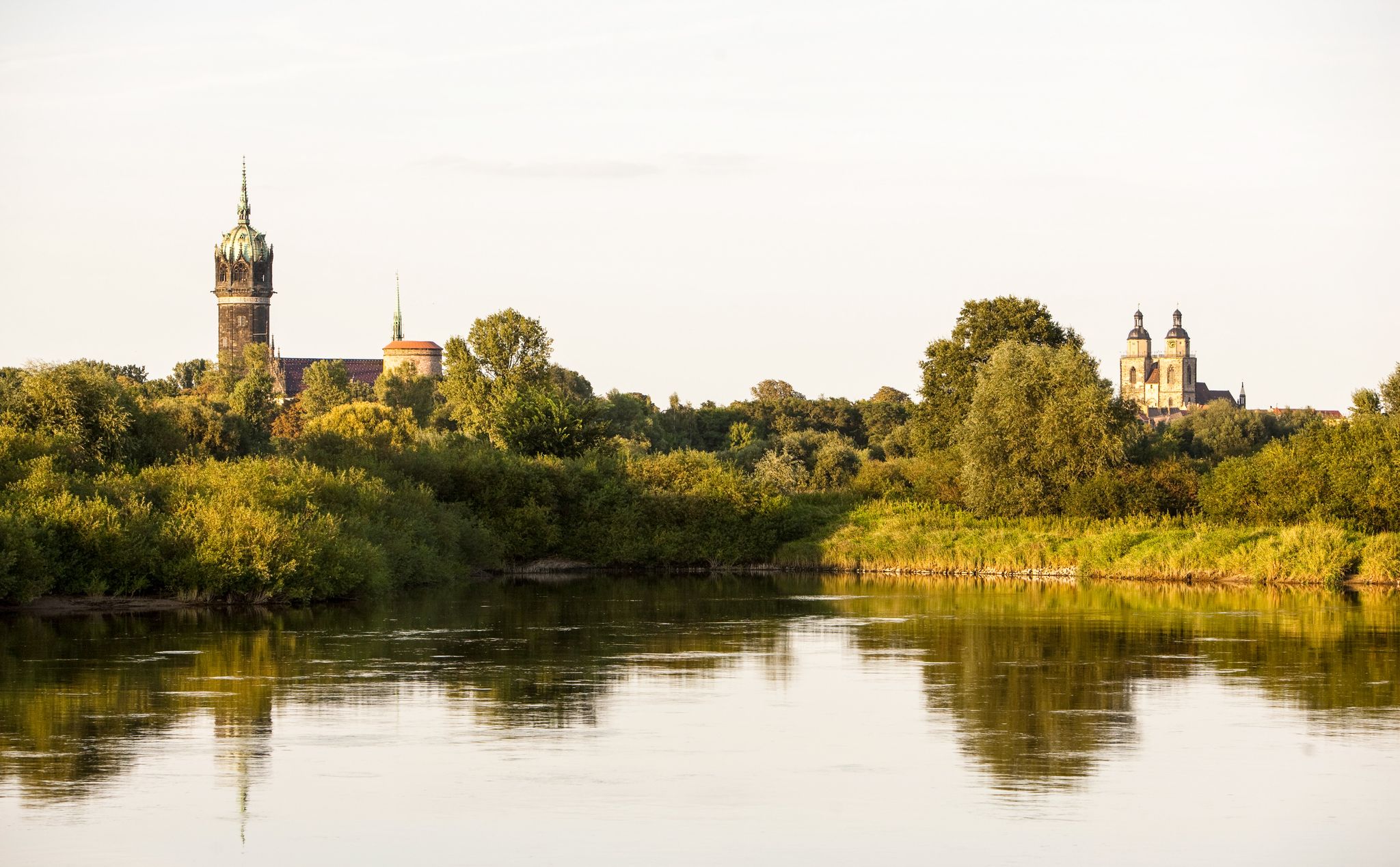
The moated castle was built in the 10th century as a Saxon border fortress against the Wends, presumably on the site of a Slavic hillfort in the Milde marshland. A nunnery founded under its protection, which the Obotrites destroyed in 983, existed here until 1121. The castle belonged to the four Altmark burgwarden (fortified districts), which administered the sovereign's judicial and military districts, along with Tangermünde Castle, Osterburg Castle, and Arneburg Castle. These protected the Frankish-colonized territory and the missionary monasteries between the Elbe and Milde rivers. Source: Wikipedia
3
1

Goßler Castle was built by the Goßler family in 1875. The park, laid out in 1993, houses the largest boxwood plantation in the Altmark region.
2
0

Kalbe Castle is a historic moated castle first documented in 1196, but its origins likely date back to the 9th or 10th century. In 1324, it came into the possession of the von Alvensleben family, who expanded the complex into the largest castle in the Altmark region. After a devastating fire in 1584, the castle was rebuilt one last time. During the Thirty Years' War, the castle was demolished in August 1632 by the residents of Kalbe and the surrounding villages on the orders of the Elector of Brandenburg. Today, only ruins remain of the once imposing complex, which is considered a prominent landmark of the town. The "Altes Wachhaus" castle and local history museum is located on the former castle grounds. It is housed in the town's oldest surviving building, dating from 1584, and offers insight into regional history.
3
0
Isenschnibbe Castle, located on the northeastern edge of Gardelegen, looks back on a turbulent history. Originally founded in the 10th century as a state castle, it was owned by the von Alvensleben family from 1378 to 1857. In 1905, the Bloch von Blottnitz family acquired the property; among other things, they donated a town hall door in Gardelegen, which can still be seen today. In 1939, the castle passed into the possession of the Prince of Lippe, who never personally visited it. After the Second World War, the castle changed hands several times and gradually fell into disrepair. The castle is currently privately owned, and little progress has been made in its renovation.
5
0

Beautiful (since natural) park with many old huge trees, with ferns and herbs. I had an insane amount of crows in the treetops making a pretty loud spectacle! It is adventurous to look at the old ruins, an old Trabbi Luft emerging from a deserted corner and then, full of awe, you walk through the avenue of bald cypresses!!!
1
0

It is unclear when Hohenwulsch Castle was built in the village of the same name in Saxony-Anhalt, which is also known as the Hohenwulsch manor house. What is certain is that a manor was established there from the 14th century. Thus, there was already a manor house at that time. This has had several owners over the centuries, including those from Woltz, those from Wultsch and those from Jeetze. This was followed by the von Levetzkow family and the von Rohr family, who owned the manor house until 1945 when it was expropriated. After the Second World War it had different functions. A party school, an agricultural school and a training and accommodation facility for the NVA were housed there. From 1969 it was used as a children's holiday camp and apprentice hostel. Hohenwulsch Castle is currently privately owned.
0
0
Frequently Asked Questions
What is the historical significance of Burg Kalbe Ruins?
The Burg Kalbe Ruins are historically significant as a former water castle built in the 10th century. It served as a crucial border fortress against the Wends, protecting Frankish territories between the Elbe and Milde rivers. The castle was strategically designed with an advanced water defense system and was owned by the influential von Alvensleben family for over 600 years, from 1324 to 1945.
What can I see and do at the Burg Kalbe Ruins?
At the Burg Kalbe Ruins, you can explore vaulted cellars, the remains of a Gothic chapel, and the former knights' hall, which is now used for events. The Hausmannsturm (Houseman's Tower) is accessible and offers views, also serving as a roost for storks. Additionally, the 400-year-old "Altes Wachhaus" (Old Guardhouse) houses a small castle and local history museum, providing insight into the medieval complex and regional history.
Are there other notable castles or ruins to visit near Kalbe (Milde)?
Yes, beyond Burg Kalbe, you can visit the Ruins of the Margravial Castle, Beetzendorf, first mentioned around 1204. Another interesting site is Isenschnibbe Castle, a state castle with a turbulent history, originally founded in the 10th century.
Are there family-friendly castles or activities in the Kalbe (Milde) area?
Several castles in the area are considered family-friendly. The Burg Kalbe Ruins offer a museum in the "Altes Wachhaus" and open grounds to explore. The Ruins of the Margravial Castle, Beetzendorf, and Goßler's Palace are also noted as family-friendly, providing historical sites for all ages to discover.
What outdoor activities can I do near these castles?
The region around Kalbe (Milde) offers various outdoor activities. You can find numerous cycling routes, such as the 'Schinkelkirche Schenkenhorst – Milde River loop' or the 'Gardelegen Town Hall – Milde-Biese-Aland Cycle Route loop'. For hikers, there are easy trails like the 'Trail Toward Mehrin loop' or the 'Kalbescher Werder bei Vienau loop'. You can explore more options on the Cycling around Kalbe (Milde) and Easy hikes around Kalbe (Milde) guide pages.
What natural features can I see around the castles in Kalbe (Milde)?
The castles in Kalbe (Milde) are nestled within a scenic river landscape, particularly around the Milde River. The Burg Kalbe Ruins, for instance, are situated in the Milde marshland, showcasing the innovative use of water for defense. The Hausmannsturm at Burg Kalbe also serves as a roost for storks, offering a glimpse of local wildlife.
Are there any other historical fortifications or manor houses nearby?
Yes, in addition to the main castles, the region has mentions of other historical sites. The village of Jeggeleben has remains of a former castle, and the village of Jeetze has remnants of a former knight's castle of the Jeetze family. You can also find Hohenwulsch Castle, which has a history as a manor house dating back to the 14th century.
What do visitors enjoy most about the castles around Kalbe (Milde)?
Visitors appreciate the journey through centuries of history offered by these sites, allowing them to connect with the past. The architectural insights into medieval military design, especially the water defense systems, are a highlight. The picturesque settings within the Milde river landscape and the opportunity to explore ruins like Burg Kalbe Ruins also contribute to a memorable experience.
Is there parking available at Burg Kalbe (Milde)?
While specific parking details are not always listed, historical sites like Burg Kalbe Ruins often have designated parking areas nearby for visitors. For the museum in the "Altes Wachhaus" on the castle grounds, parking is typically available within walking distance.
What is the best time of year to visit the castles in Kalbe (Milde)?
The castles around Kalbe (Milde) can be visited throughout the year. However, spring and summer offer pleasant weather for exploring the outdoor ruins and grounds, as well as enjoying the surrounding natural landscape. Autumn provides beautiful scenery with changing foliage, while winter visits can offer a more mystical atmosphere, though some facilities or events might have reduced hours.
Can I bring my dog to the castles or on nearby trails?
Many outdoor historical sites and hiking trails in Germany are dog-friendly, often requiring dogs to be on a leash. While specific rules for each castle may vary, the surrounding natural areas and trails, such as those listed in the Easy hikes around Kalbe (Milde) guide, are generally suitable for walks with dogs.
Are there cafes or restaurants near the castles in Kalbe (Milde)?
The town of Kalbe (Milde) and surrounding villages offer local cafes and restaurants where visitors can find refreshments and meals. While not directly on castle grounds, establishments are typically accessible within a short drive or walk from the main historical sites.
Most popular routes around Kalbe (Milde)
Most popular attractions around Kalbe (Milde)

Get inspired with the komoot mobile app


Explore more
Looking for the best castles somewhere else? Discover other guides around Kalbe (Milde):
