Steinbach am Donnersberg
Steinbach am Donnersberg
The 4 Most Amazing Peaks around Steinbach am Donnersberg
Best mountain peaks around Steinbach am Donnersberg are defined by the Donnersberg massif, the highest peak in the Palatinate region. This area is known for its geological significance, formed by volcanic activity, and its rich Celtic history, including remnants of an ancient oppidum. The region offers diverse natural landscapes and serves as a popular destination for outdoor activities.
Best mountain peaks around Steinbach am Donnersberg
- The most popular mountain peaks is Königsstuhl (Donnersberg summit), a summit that stands as…
Last updated: June 27, 2026
Königsstuhl (Donnersberg summit)
Highlight • Summit
Showing Translation
Tip by

Highest Point of Schweisweiler
Highlight • Summit
Translated by Google •
Tip by

Sign up now to discover places like this
Get recommendations on the best single tracks, peaks, & plenty of other exciting outdoor places.
Sign up for free
Mount Albert Stone Cairn
Highlight • Natural Monument
Translated by Google •
Tip by

Klauserkopf
Highlight • Summit
Tour description:
Translated by Google •
Tip by

Bickberg Summit
Highlight • Summit
Translated by Google •
Tip by

Start today with a free account
Your next adventure awaits.
Login or Signup
Popular around Steinbach am Donnersberg
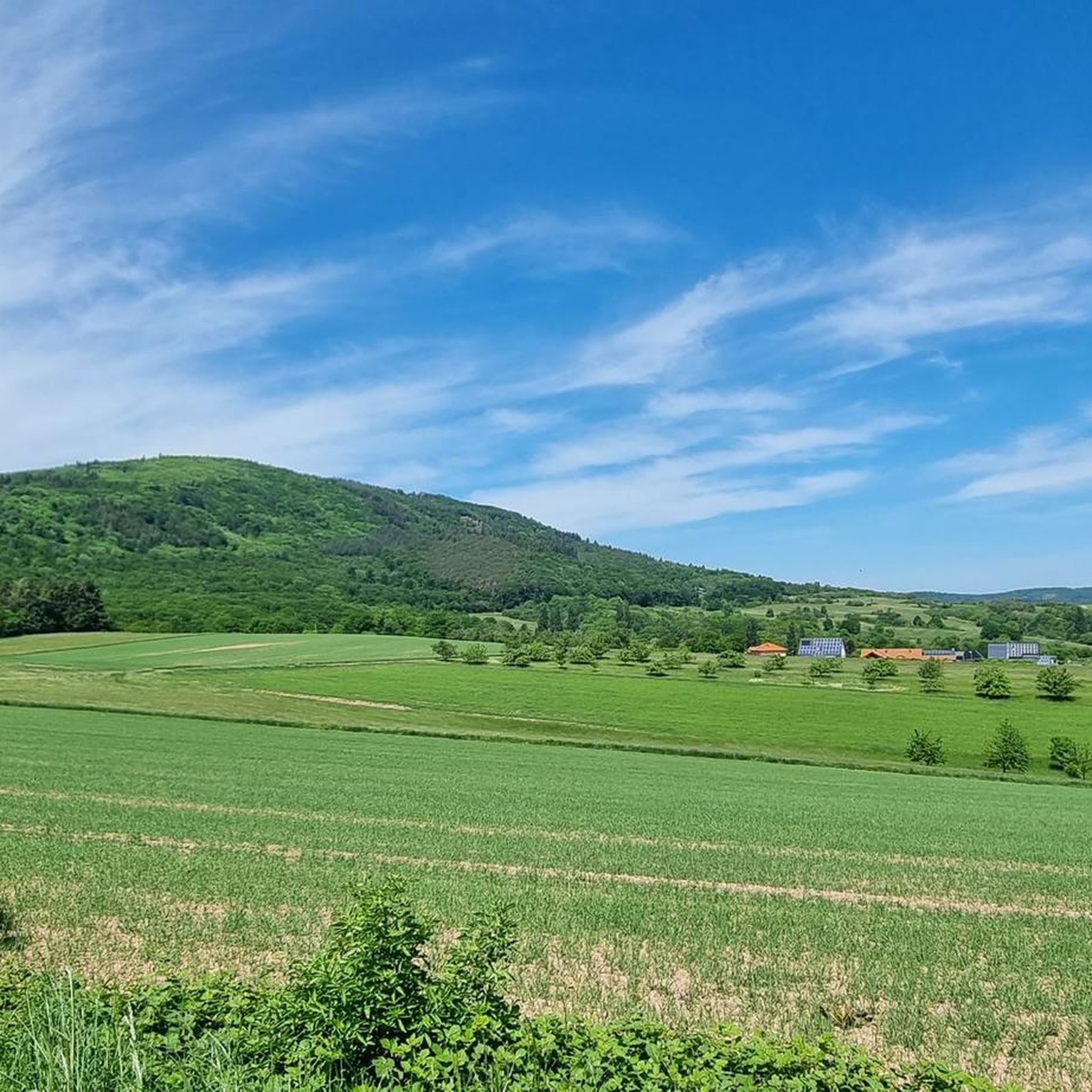
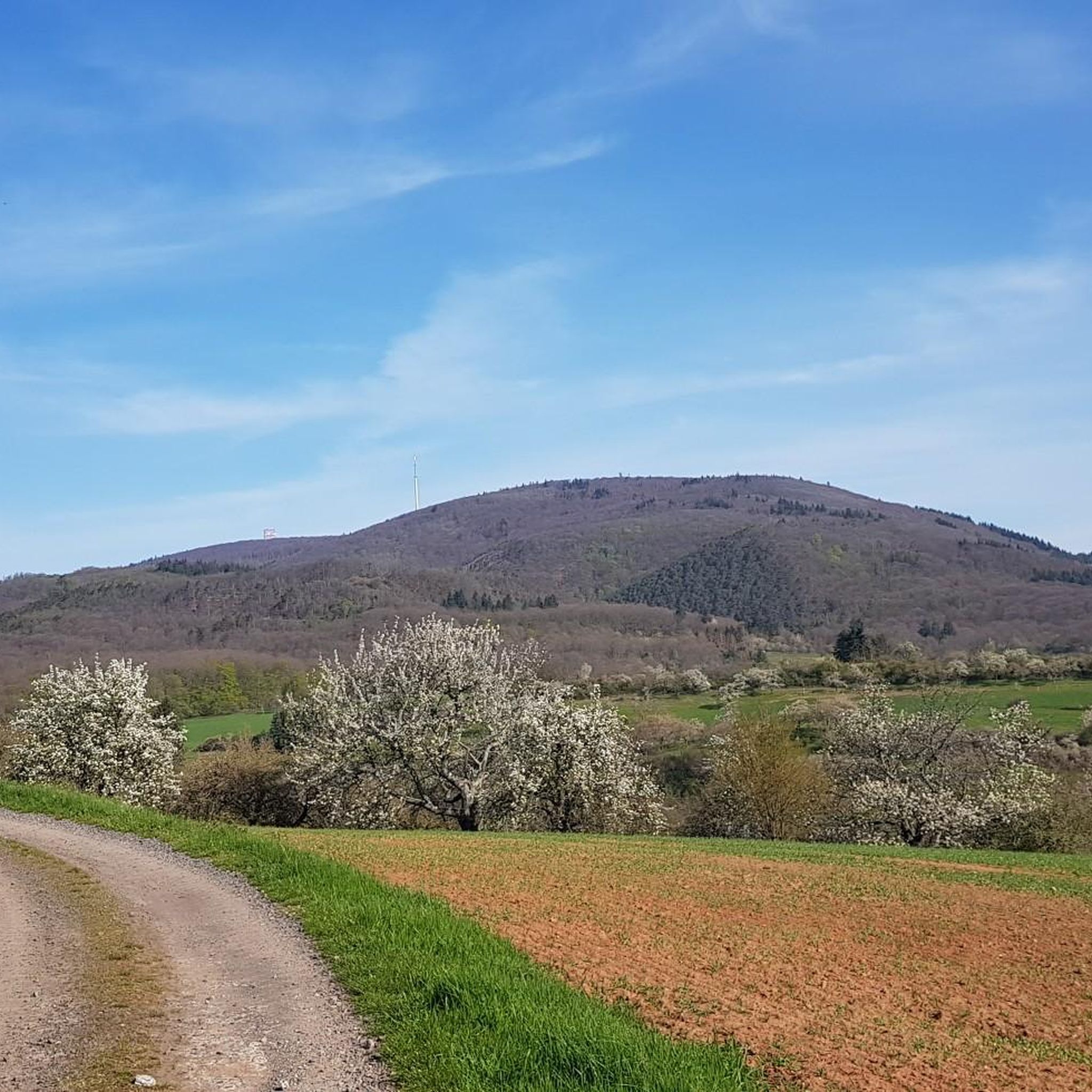
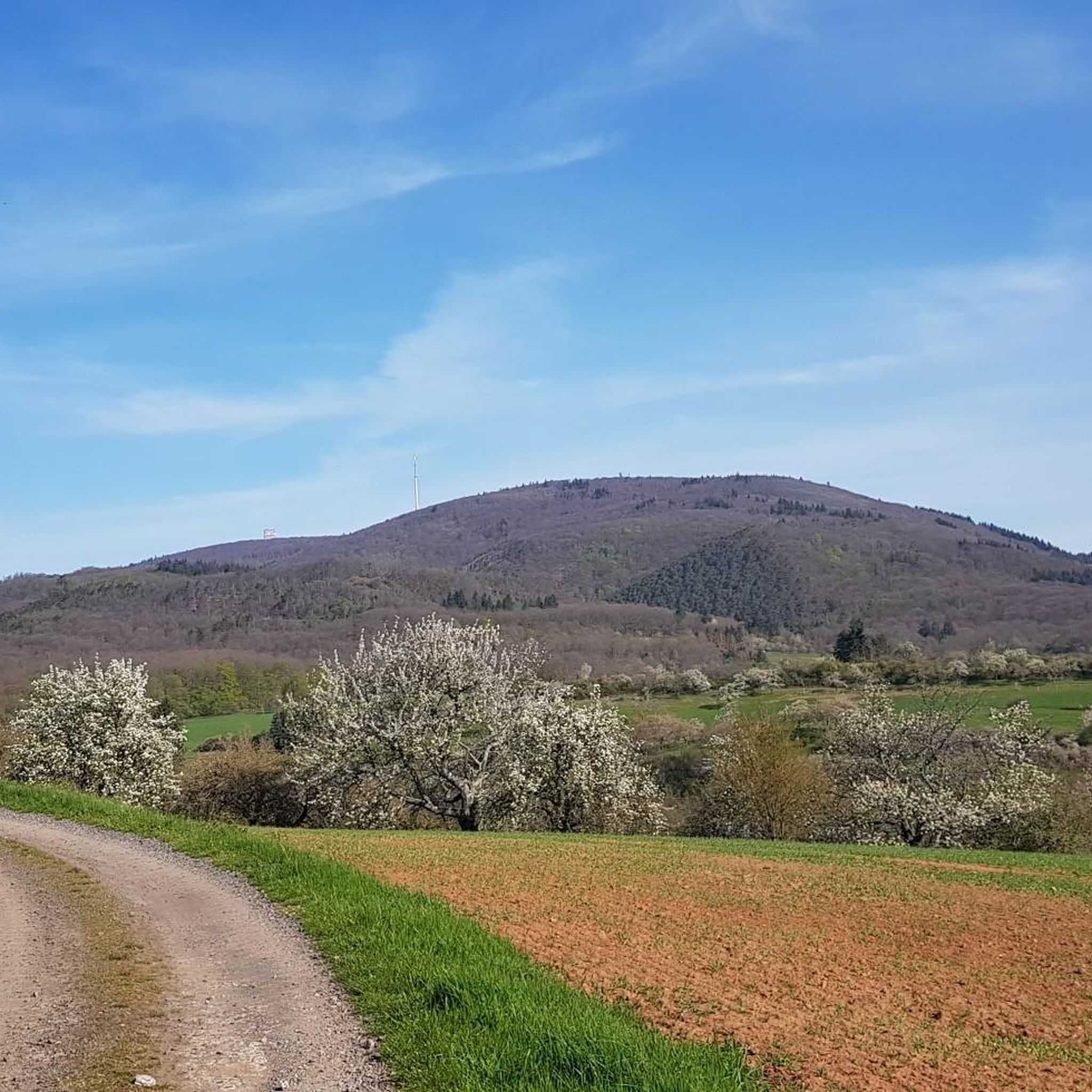
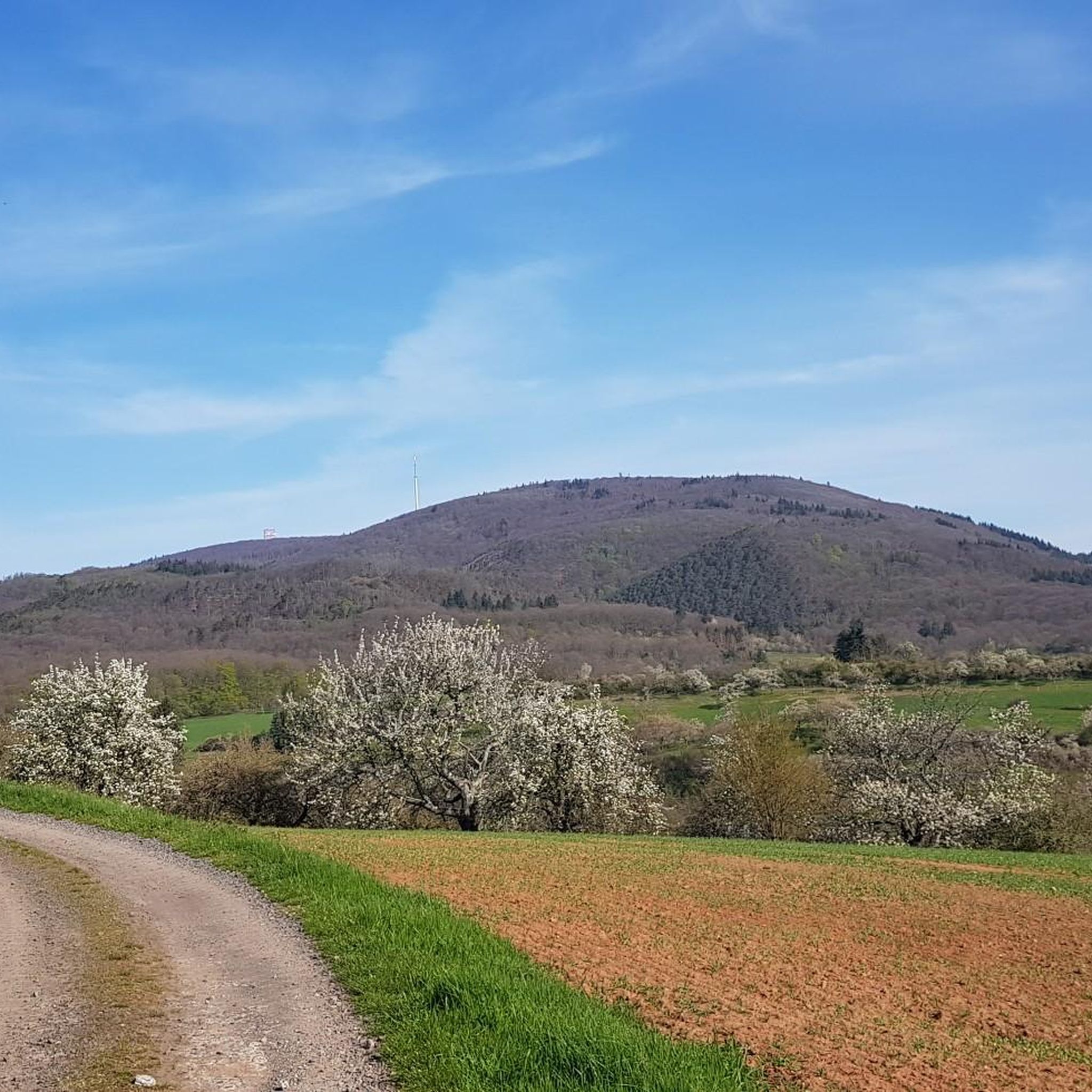

Tips from the Community

You feel like you're in Allgäu
0
0

The "Am Klauserkopf" cycle tour leads through the idyllic landscape of the Palatinate Forest, combining nature experiences with cultural aspects. Tour description: The route starts in Münchweiler an der Alsenz and leads over the Klauserkopf (384 m) to Stauf. Along the way, there are numerous viewpoints offering views of the surrounding hills and valleys of the Palatinate Forest. The route can vary between 8 and 12 kilometers depending on the chosen route.
0
0

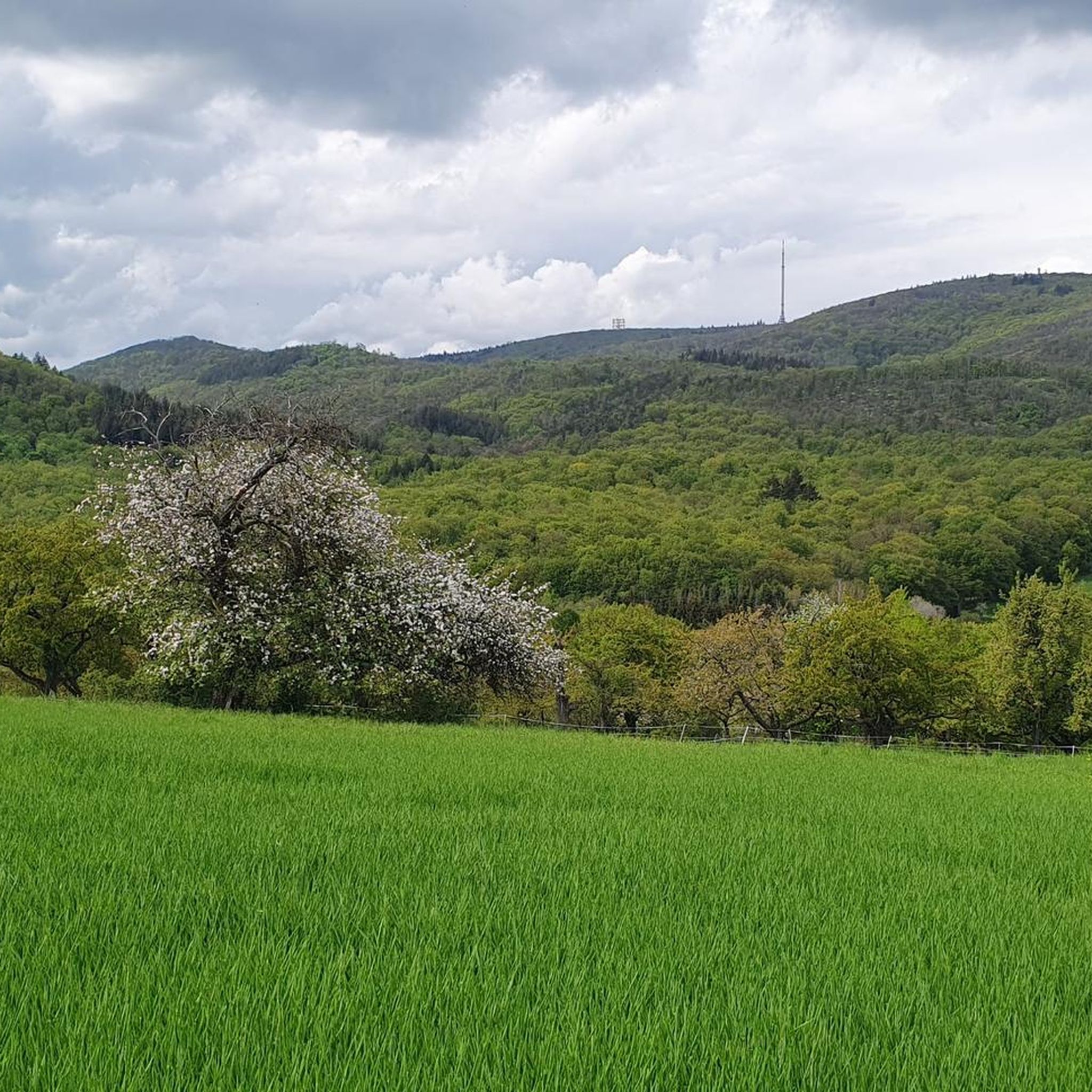
The municipality of Schweisweiler, with around 383 inhabitants, is located in the narrow valley of the river Alsenz, surrounded by steep mountains. Up here, you can enjoy a wonderful view!
1
0

Nice view home 🌳✅
0
0

Steep climb from Falkenstein.
0
0

The highest elevation on the way between Krobuchenhütte and Grüner Löwe
1
0

Hm, natural monument is something different for me....
3
2
Frequently Asked Questions
What are the most notable mountain peaks around Steinbach am Donnersberg?
The most prominent peak is Königsstuhl (Donnersberg summit), which is the highest point in the Palatinate region at 686 meters. Other notable peaks include the Highest Point of Schweisweiler, offering rewarding views, and Mount Albert Stone Cairn, a natural monument with a unique forest atmosphere.
What makes the Donnersberg massif unique?
The Donnersberg is unique for several reasons: it's the highest peak in the Palatinate, boasts significant geological history as a cryptodome mountain formed by volcanic activity 300 million years ago, and features extensive Celtic historical sites, including a large oppidum with reconstructed parts of the Celtic wall.
What kind of views can I expect from the mountain peaks in this region?
From the higher points, especially the Königsstuhl (Donnersberg summit) and the Ludwigsturm, you can expect extensive panoramic views across the Palatinate region and the Rhine plain. Other viewpoints like the Highest Point of Schweisweiler also offer rewarding vistas of the surrounding hills and valleys.
Are there any historical sites to explore on the Donnersberg?
Yes, the Donnersberg is rich in history, particularly from the Celtic period. You can explore the remains of a large Celtic settlement (oppidum) that existed around 150 BC. A 5km footpath follows reconstructed parts of the Celtic wall (Keltenwall), offering a glimpse into this ancient past.
Are there easy hiking trails suitable for beginners or families around Donnersberg?
Yes, the area offers various hiking trails suitable for different skill levels. For easy options, you can explore routes like the Gasthaus Wildenstein loop or the Sternbacher Hut – Laubbachtal Nature Discovery Trail loop. You can find more details on easy hikes around Steinbach am Donnersberg.
What outdoor activities are popular near the mountain peaks of Steinbach am Donnersberg?
The region is popular for a variety of outdoor activities. Hiking is a favorite, with numerous trails including circular routes. Mountain biking is also popular, with trails like the Königsstuhl Trail. Additionally, there are many cycling routes, such as the Celtic Village at Steinbach am Donnersberg – Palatinate Cycle Path loop. You can find more information on hikes, MTB trails, and cycling routes in the area.
Can I find circular hiking routes on the Donnersberg?
Yes, the Donnersberg offers several circular hiking routes. A popular option is the Donnersberg circular hiking trail 1, which includes the Ludwigsturm. These trails allow you to experience the diverse nature and historical sites of the massif.
What is the best time of year to visit the mountain peaks around Steinbach am Donnersberg?
The Donnersberg region is beautiful year-round. Spring and autumn offer pleasant temperatures and vibrant foliage, ideal for hiking. Summer is great for longer days and clear views, while winter can provide a unique experience with snow-covered landscapes, though some trails might be more challenging.
Is there parking available for accessing the Donnersberg summit?
Yes, there are designated parking areas available near the Donnersberg summit and its main attractions, making it convenient for visitors to access the trails and viewpoints.
Are there any specific viewpoints worth visiting on the Donnersberg?
Absolutely. The Königsstuhl (Donnersberg summit) offers breathtaking panoramic views. Another excellent spot is the Ludwigsturm, a 27-meter-tall tower located east of the Königstuhl, providing extensive views of the Rhine plain. The Highest Point of Schweisweiler also provides a rewarding vista.
What kind of natural features can I see on the Donnersberg?
The Donnersberg is a 'National Geotope' due to its unique geology, being a cryptodome mountain composed of rhyolite from ancient volcanic activity. Beyond its geological significance, you'll find rich natural environments, including dense forests, and diverse flora and fauna across its 2,400-hectare massif.
Are there any cafes or places to rest near the Donnersberg hiking routes?
Yes, there are cafes and huts along or near many of the hiking routes on the Donnersberg, providing opportunities for refreshments and rest during your exploration. These spots are often popular meeting points for hikers.
What do visitors enjoy most about the mountain peaks around Steinbach am Donnersberg?
Visitors particularly enjoy the breathtaking views from the highest points, the feeling of accomplishment after a climb, and the diverse hiking trails suitable for all levels. The blend of natural beauty, geological interest, and rich Celtic history also makes the area a compelling destination.
Most popular routes around Steinbach am Donnersberg
Most popular attractions around Steinbach am Donnersberg

Get inspired with the komoot mobile app


Explore more
See even more amazing summits around Steinbach am Donnersberg with these guides:
