Top 20 Caves around Zilshausen
Best caves around Zilshausen are primarily former slate mining tunnels, not natural geological formations. The region is characterized by its historical mining activities, which have left behind numerous tunnels now recognized for their ecological importance. These sites often serve as habitats for bats and are typically sealed to protect these colonies. The area also features hiking opportunities that pass by these historical mining locations, offering insights into the region's industrial past.
Best caves around Zilshausen
- The most popular caves is…
Last updated: June 27, 2026
Baybachtal Bat Cave (Slate Tunnel)
Highlight • Cave
Translated by Google •
Tip by

Klöckners Kaul slate mine tunnel and rest area
Highlight • Cave
Translated by Google •
Tip by

Sign up now to discover places like this
Get recommendations on the best single tracks, peaks, & plenty of other exciting outdoor places.
Sign up for free
Katzenloch Slate Mine
Highlight • Cave
Translated by Google •
Tip by

Slate Mining Tunnels on Strimmiger Berg
Highlight • Cave
Translated by Google •
Tip by

Theresia Mine Tunnel
Highlight • Cave
Translated by Google •
Tip by
Sign up for free to discover even more caves around Zilshausen.
Sign up for free
Already have an account?
Start today with a free account
Your next adventure awaits.
Login or Signup
Tips from the Community

There's always something new to discover here
0
0

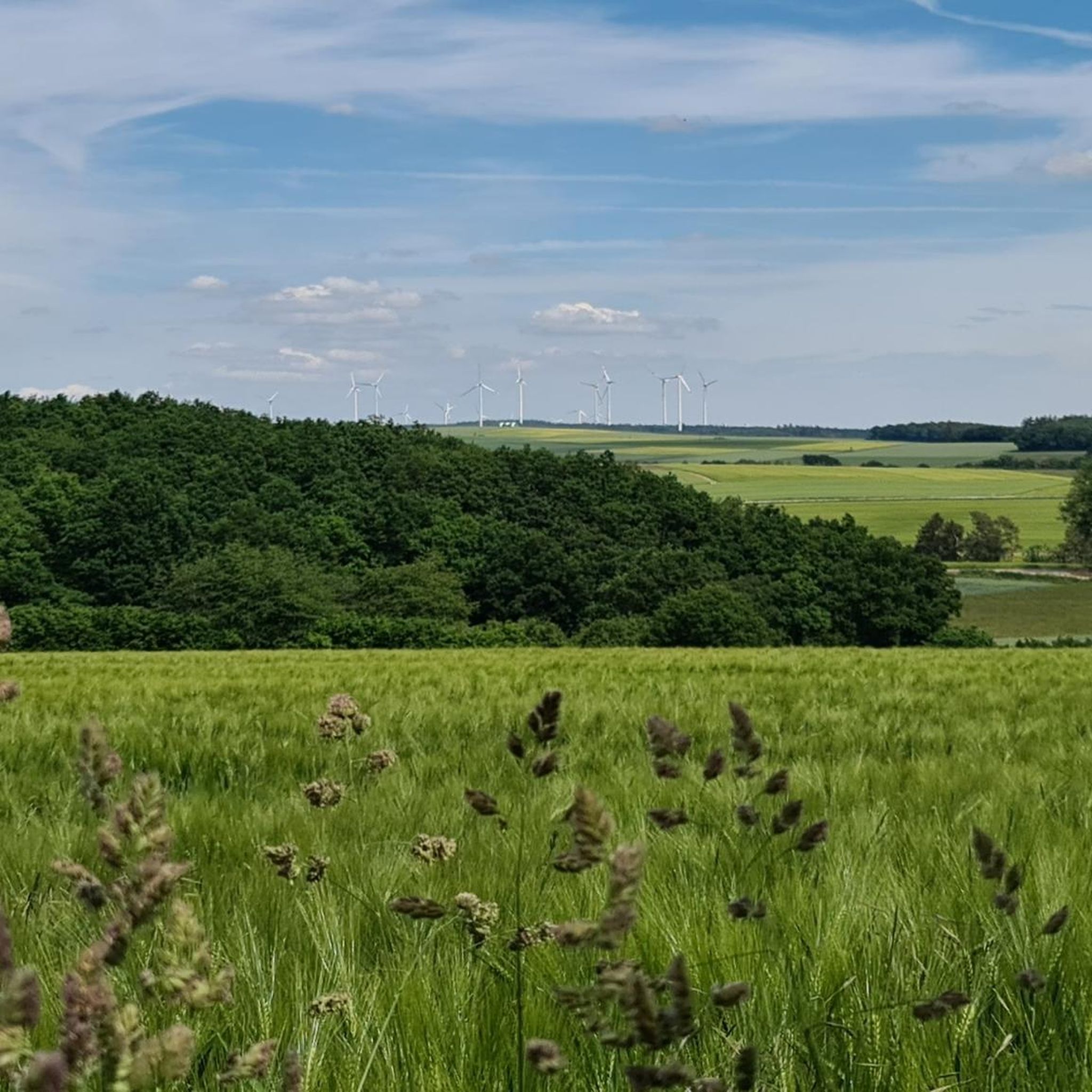
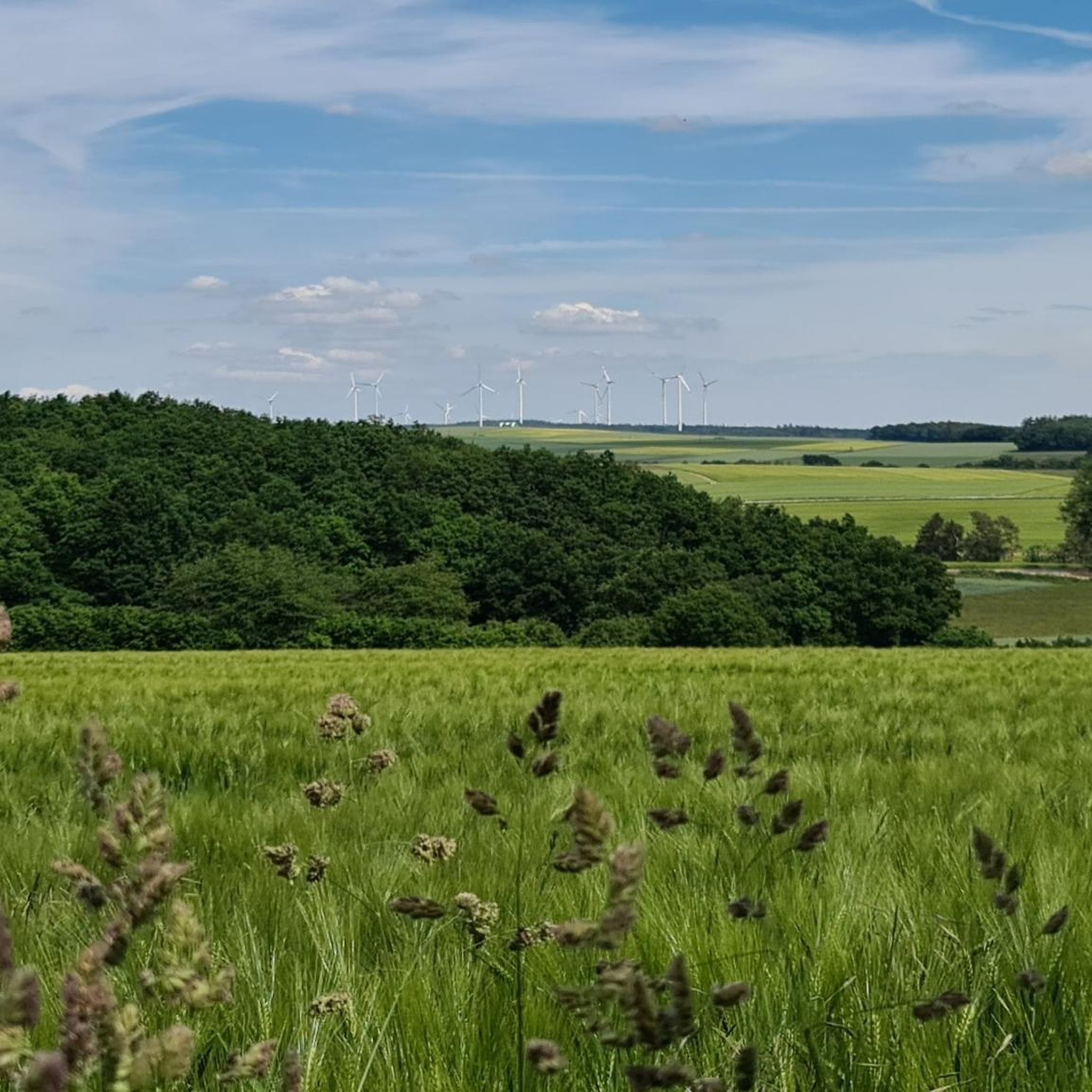
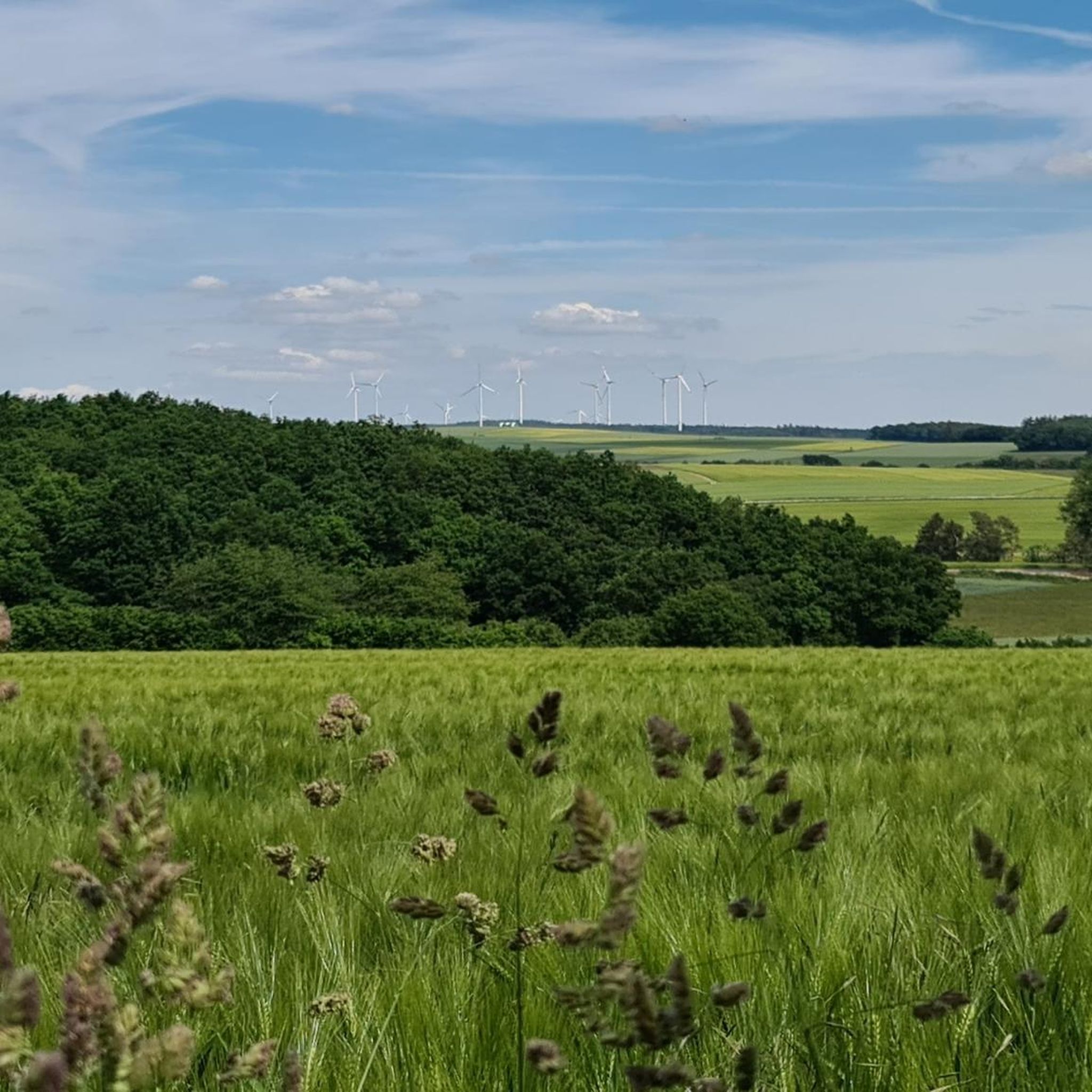
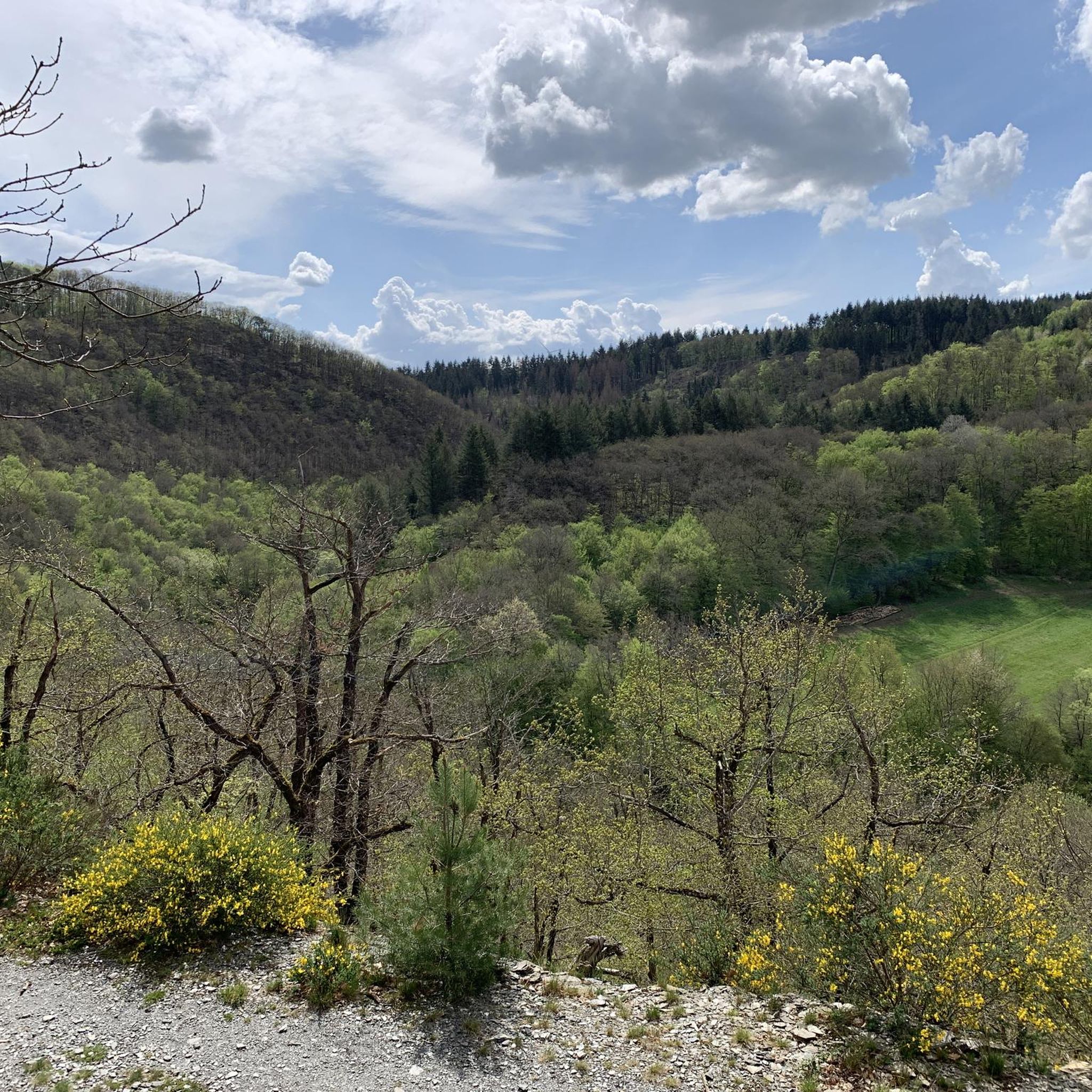
A beautiful spot... nature 🌳🍄🟫
0
0

large rocky outcrop as a shelter and as a wintering place for bats
3
0

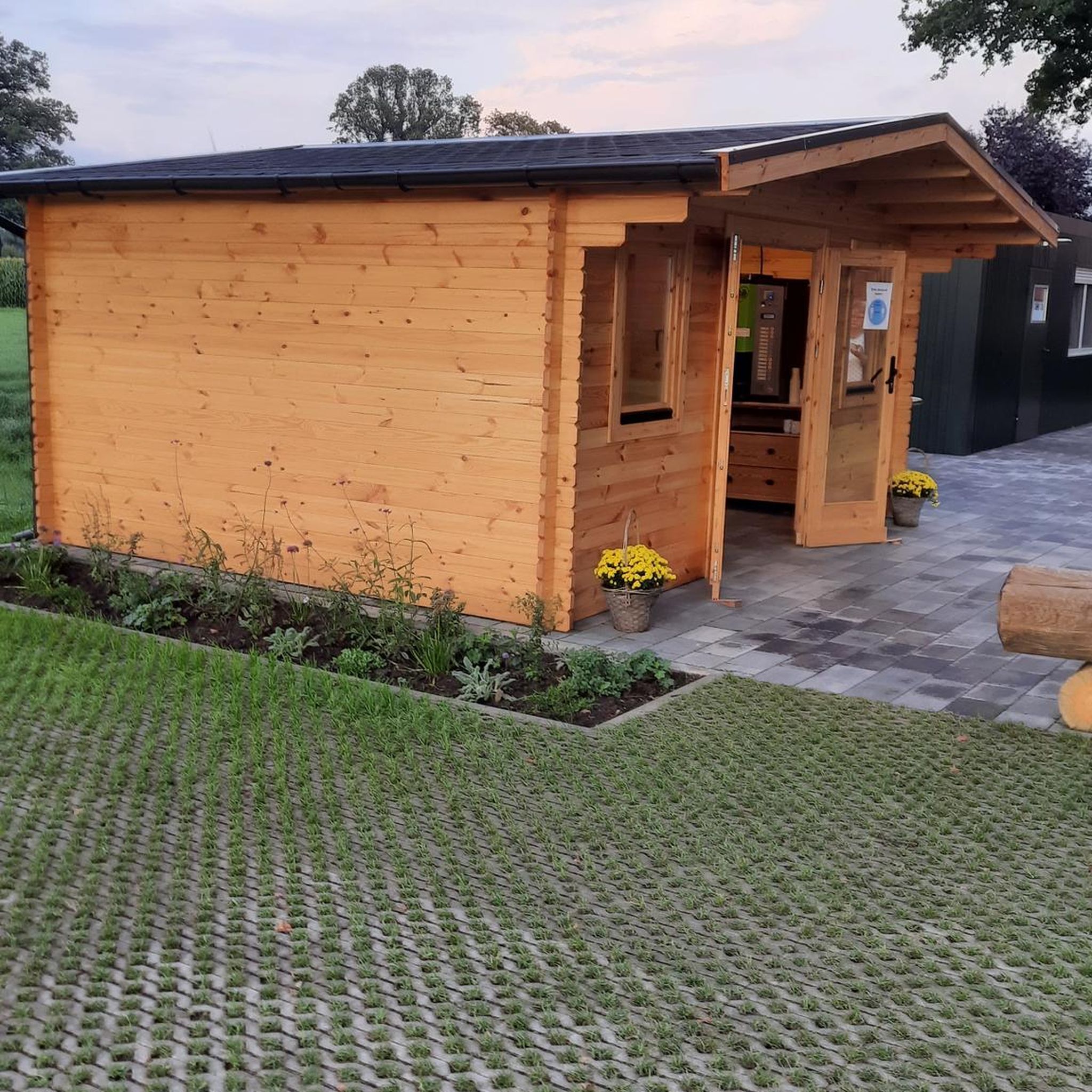
A slate mine with a nice rest area and information board.
2
0

This evidence of the former slate mining in the Baybachtal can be found in several places.
2
0

The mine path begins with Jupp, the miner carved out of wood, who is a symbol of the miners from Morshausen who mined ore in the lower Theresia mine from 1859 to 1886. The ores were brought to St. Goarshausen-Fellen for smelting. From the Theresia ore mine, the mouth hole of the lowest tunnel at Baybach level near the colliery house, which was built in 1860 for 12 miners and miners, has been preserved and one at the spoil heap level. The various tunnels extended from 250 meters to 20 meters into the mountain and were 10 to 15 meters wide.
1
0

Even if it's tempting: Don't go in (even if the cave is open) and disturb the bats, because then they might not survive hibernation!
2
0

There is also a rest stop directly at the slate quarry
2
3
Frequently Asked Questions
What kind of 'caves' can I expect to find around Zilshausen?
The 'caves' around Zilshausen are primarily former slate mining tunnels and old ore mines, not natural geological formations. These historical sites offer a glimpse into the region's industrial past and are now recognized for their ecological importance, often serving as crucial habitats for bats.
Are these caves accessible for exploration?
Most of the former mining tunnels around Zilshausen, such as the Baybachtal Bat Cave (Slate Tunnel) and the Slate Mining Tunnels on Strimmiger Berg, are sealed with grilles or barred at their entrances. This is primarily to protect the bat colonies that use them for wintering and to ensure visitor safety due to potential collapse risks. They are generally not accessible for entry.
What historical significance do the caves around Zilshausen hold?
The 'caves' are remnants of extensive slate and ore mining operations that were vital to the region's economy for centuries. Sites like the Klöckners Kaul slate mine tunnel and rest area and the Theresia Mine Tunnel showcase the laborious work of miners who extracted slate, lead, silver, copper, and zinc ores. These tunnels also served as protection from air raids during wartime.
Are there any family-friendly locations among the former mining sites?
Yes, the Klöckners Kaul slate mine tunnel and rest area is considered family-friendly. While the tunnel itself is not accessible, there is a well-designed rest area at its entrance, offering a pleasant spot to pause and learn about the historical mining activities in the area.
What natural features can I observe near these former mining tunnels?
The most significant natural feature associated with these sites is their role as habitats for bats. Many sealed tunnels, including the Baybachtal Bat Cave (Slate Tunnel), provide crucial wintering places for various bat species. The spoil heaps outside the tunnels also create ideal habitats for heat-loving species like snakes and lizards.
What is the best time to visit the area around Zilshausen to see these sites?
The best time to visit the area for hiking and exploring the external features of these sites is generally during spring, summer, and early autumn. During these seasons, the weather is more favorable for outdoor activities. Winter access might be limited due to snow or ice on trails, and it's also the period when bats are hibernating, making disturbance even more critical to avoid.
Are there hiking trails that pass by these historical mining tunnels?
Yes, the region offers numerous hiking opportunities that allow you to pass by these historical mining locations. For example, the Hiking around Zilshausen guide features routes like the 'Lizard wall – Lahr bleaching fountain and biotope loop from Zilshausen' and the 'Zilshausen marble run – Ridge Trail in the Hunsrück loop from Zilshausen' which may lead you near these interesting sites.
What other outdoor activities can I do near the former mining sites?
Beyond hiking, the area around Zilshausen offers various outdoor activities. You can find running trails, including routes that explore the Geierlay suspension bridge area. For cyclists, there are also road cycling routes that allow you to discover the wider Hunsrück region.
Can I bring my dog to the trails near the former mining tunnels?
Generally, dogs are welcome on public hiking trails in the region. However, it's always advisable to keep them on a leash, especially near sensitive natural areas or historical sites, to protect wildlife and ensure the safety of other visitors. Specific regulations might apply in certain protected zones, so always look for local signage.
What should I wear when visiting the area around the former mining tunnels?
Since the tunnels themselves are not accessible, focus on appropriate attire for outdoor activities like hiking. Sturdy walking shoes or hiking boots are recommended, along with weather-appropriate clothing. Layers are always a good idea, as conditions can change. If you plan to hike, bring water and snacks.
Is there parking available near these historical sites?
Parking availability varies by specific location. Many hiking trailheads in the region, which often lead past these sites, offer designated parking areas. For example, the Klöckners Kaul slate mine tunnel and rest area is typically accessed via trails that may have nearby parking options.
What do visitors enjoy most about the former mining tunnels around Zilshausen?
Visitors appreciate the unique blend of history and nature. They enjoy discovering the remnants of the region's industrial past, such as the old slate quarries and mine entrances, while also recognizing their current importance as wildlife habitats. The well-maintained rest areas, like the one at Klöckners Kaul, are also highly valued.
Most popular routes around Zilshausen
Most popular attractions around Zilshausen

Get inspired with the komoot mobile app


Explore more
Extend your search for the best caves by checking out these guides of the top ones around Zilshausen:
