Top 5 Caves around Friedersdorf
Best caves around Friedersdorf are located in the surrounding Thuringian region, an area characterized by its diverse natural landscapes and historical significance. While Friedersdorf itself does not feature caves, the nearby areas offer a range of underground formations. These sites include historical mining tunnels and natural grottoes, providing insights into both geology and past human activity. Visitors can explore unique geological features and historical sites within these cave systems.
Best caves around Friedersdorf
- The most popular caves is Güldene Kirche…
Last updated: September 30, 2026
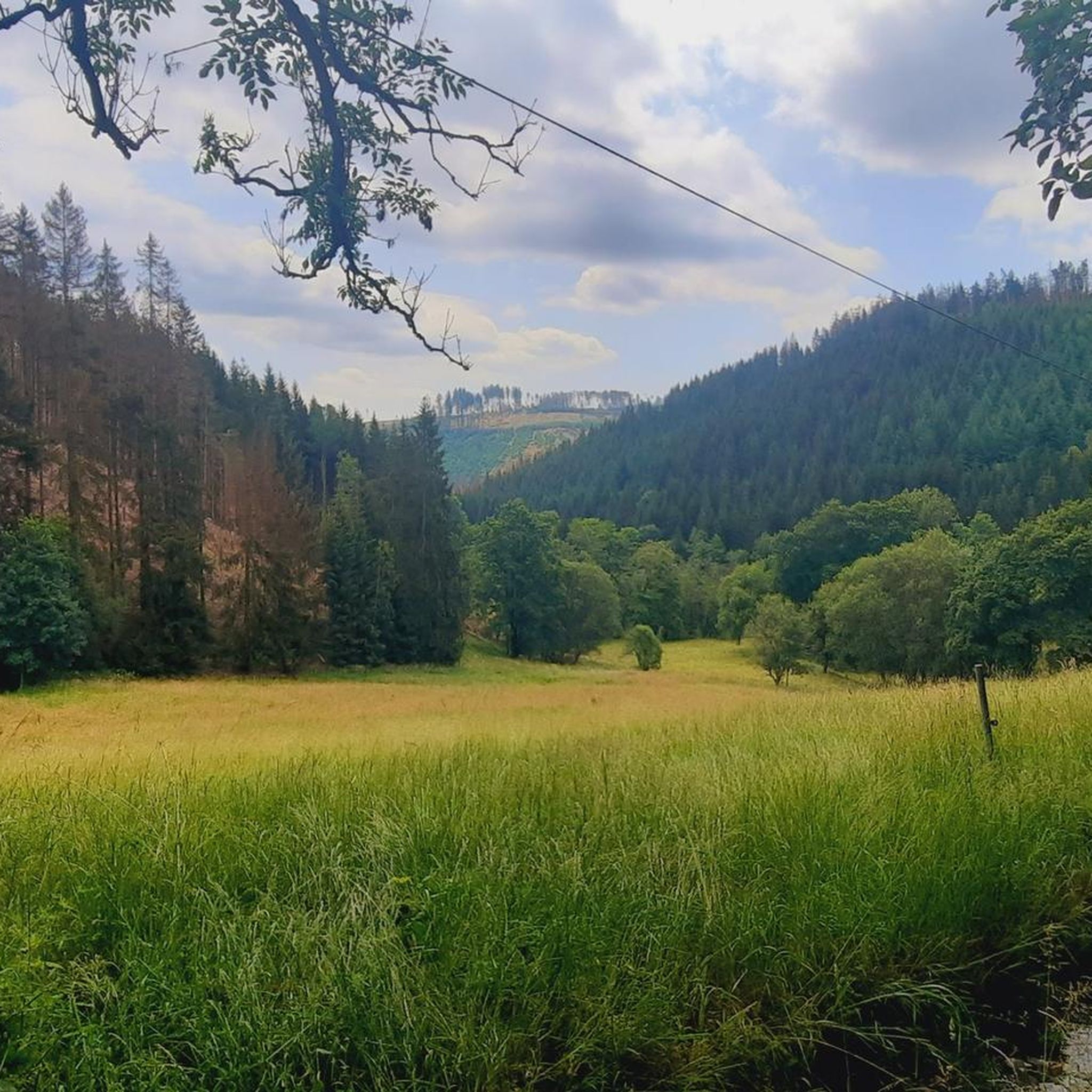
Güldene Kirche
Highlight • Viewpoint
A granite crest on the Steinberg, in which an ancient tunnel is located, was once dug for gold, is called the "Güldene Church".
A boy …
Translated by Google •
Tip by

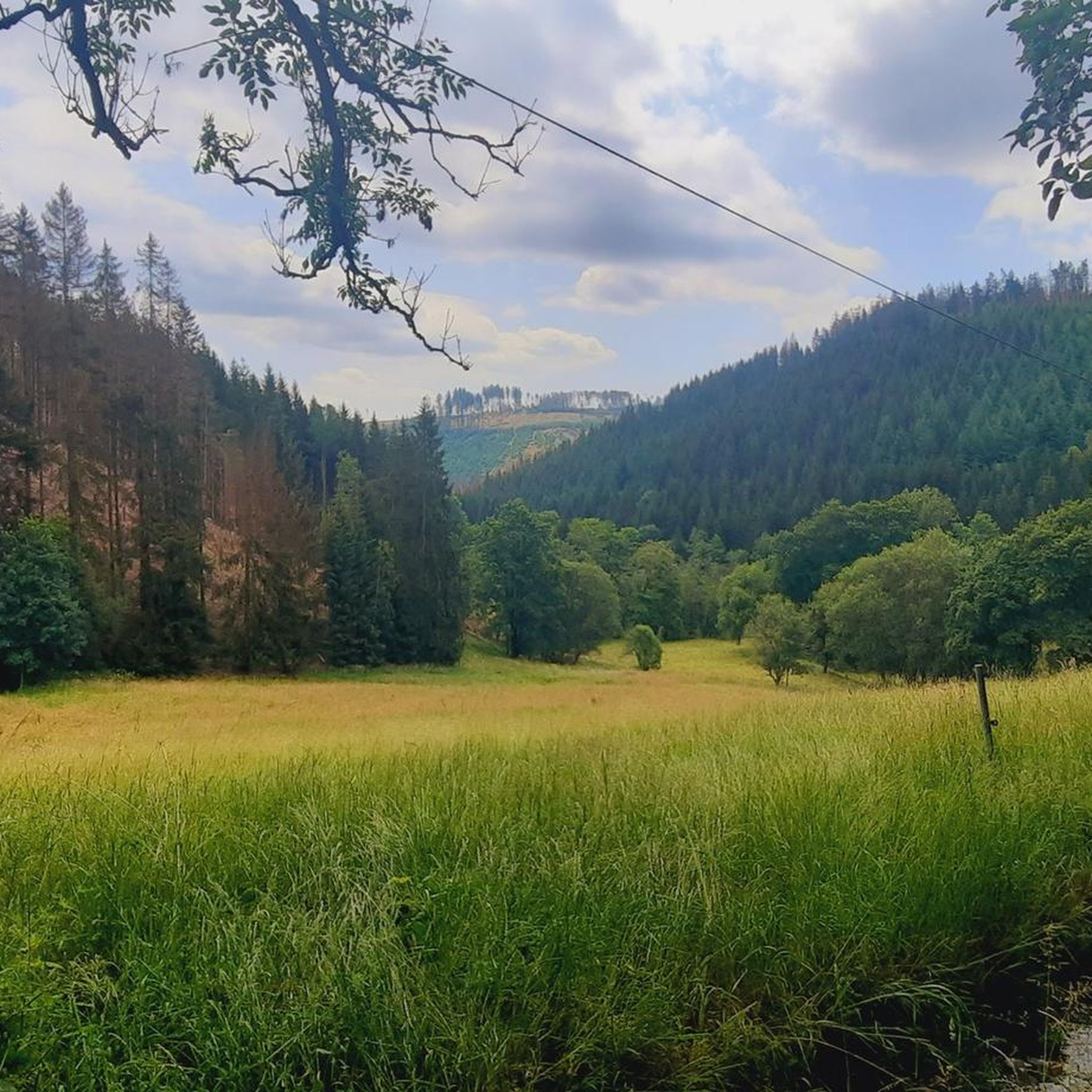
Sophiengrotten
Highlight • Cave
Since it cannot be reached via marked paths (it is 50m below the path), this would be forbidden, at least in the core zone area.
Translated by Google •
Tip by

Sign up now to discover places like this
Get recommendations on the best single tracks, peaks, & plenty of other exciting outdoor places.
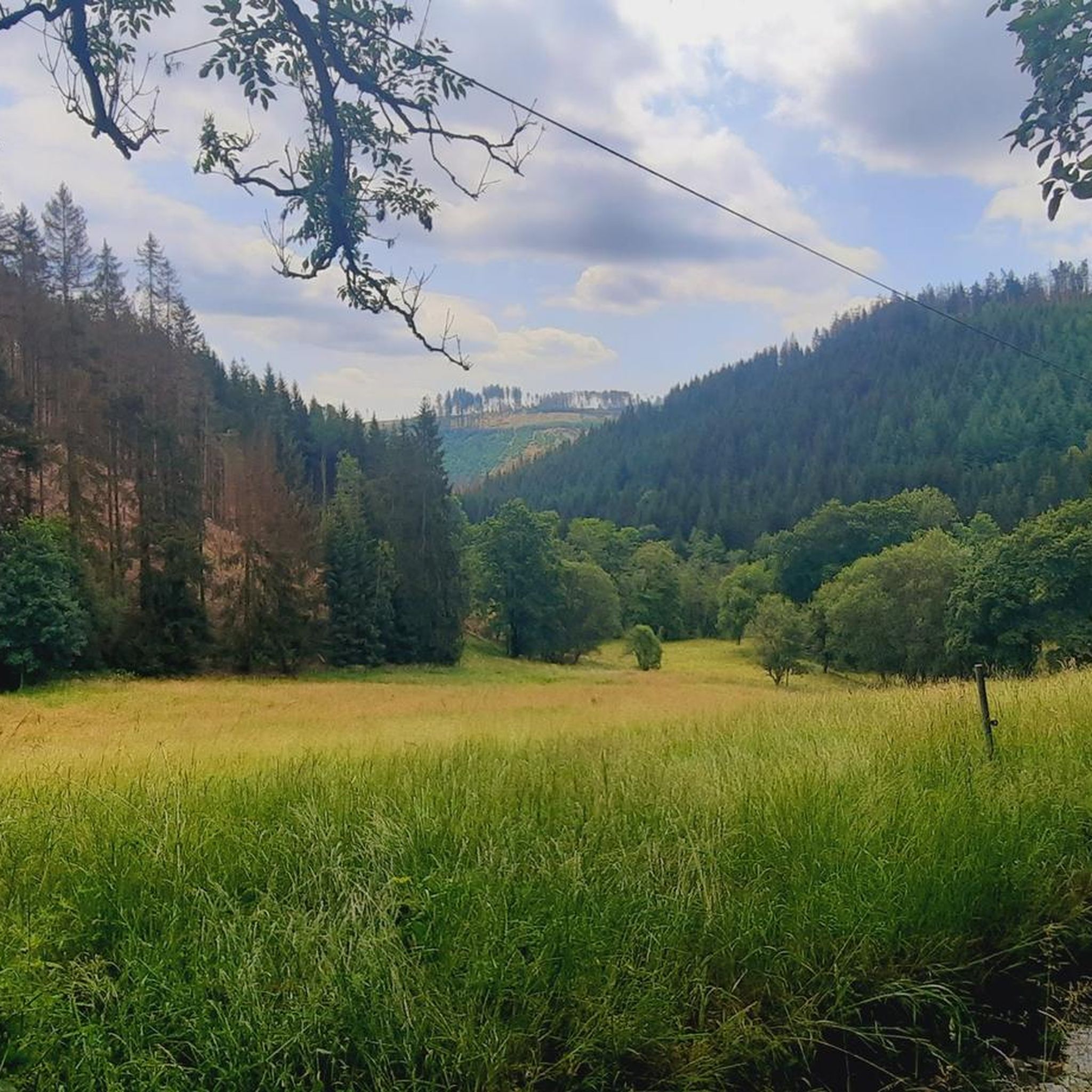
Leuchtmoosgrotte (Tunnel Entrance)
Highlight • Cave
Translated by Google •
Tip by

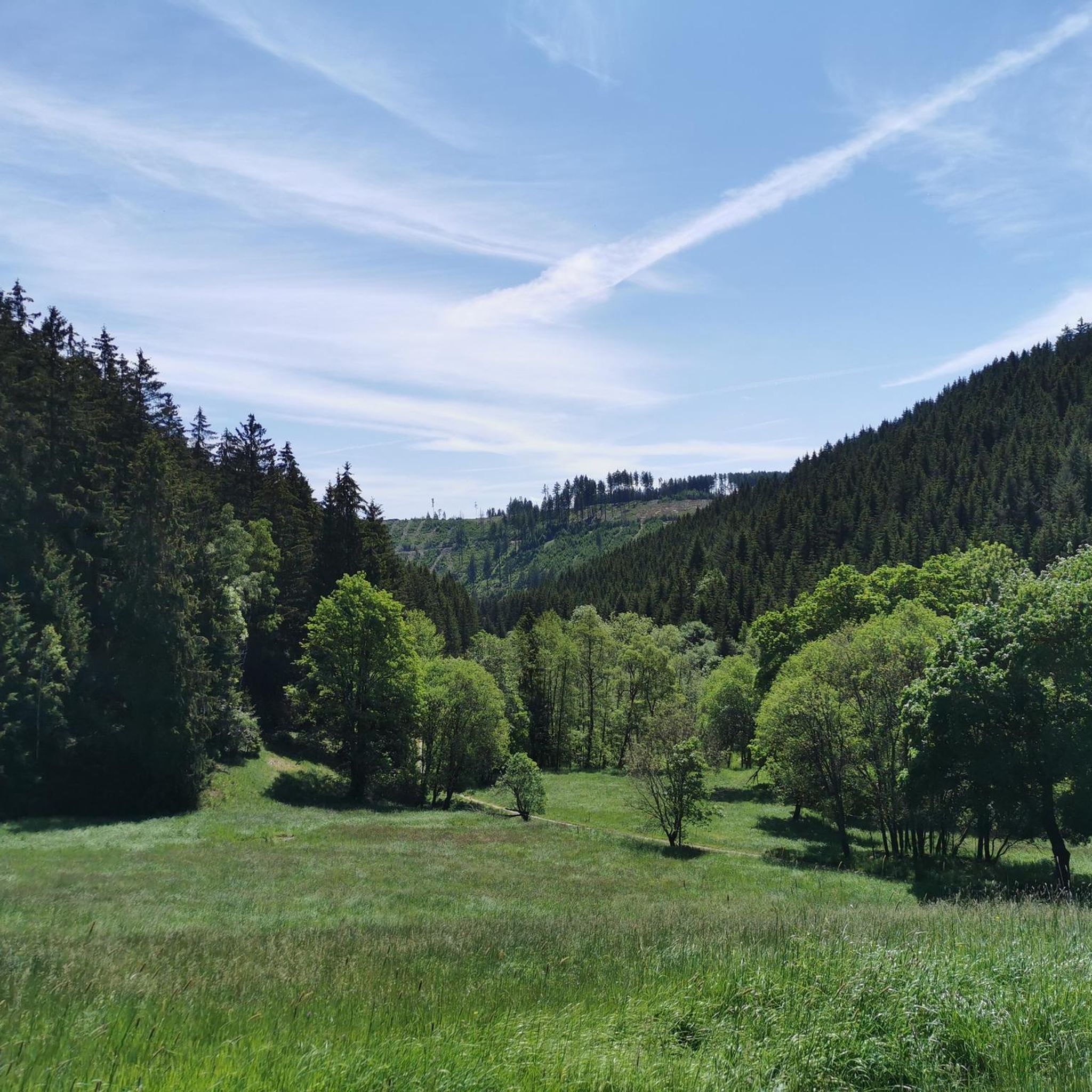
Prehistoric Cave Below Bärenkeller
Highlight • Cave
Translated by Google •
Tip by

Overhead Loader in Naturpark Thüringer Wald
Highlight • Structure
Translated by Google •
Tip by

Sign up for free to discover even more caves around Friedersdorf.
Already have an account?
Start today with a free account
Your next adventure awaits.
Tips from the Community

Some technical tools are still in the mountain. I didn't see some of them last time. It's more than twice as large as the last time I explored.
2
0

In theory, it is not allowed to be visited. But if someone happens to get lost here, they can take the rubbish that is often left lying around.
0
0
Various pieces of technology are still underground. Rubber boots are probably mandatory for the lower shaft.
5
0

Looked interesting but looking inside isn't my thing.
2
0

Let's see if you can find them ;)
0
0


We arrive at a buried entrance to the Leuchtmoosgrotte, named after a very rare moss, where red iron stone was once mined.
1
0
Frequently Asked Questions
What types of caves can I explore near Friedersdorf?
While Friedersdorf itself doesn't have caves, the surrounding Thuringian region offers a diverse range of underground formations. You can explore historical mining tunnels, natural grottoes, and geological formations. These sites provide insights into both geology and past human activity, often featuring unique geological features and historical significance.
Are there any historical caves or mining tunnels to visit?
Yes, the region has several historical sites. For instance, Güldene Kirche features an ancient tunnel system associated with a legend of gold. Another historical cave is Leuchtmoosgrotte (Tunnel Entrance), which was once used for red iron stone extraction and is known for a rare, blue-shining moss. You can also find historical mining technology at the Overhead Loader in Naturpark Thüringer Wald.
Which caves offer unique natural features?
The Leuchtmoosgrotte (Tunnel Entrance) is notable for its rare, blue-shining moss that thrives in low light conditions. Further afield in Thuringia, the Marienglashöhle Friedrichroda is known for its large and beautiful gypsum crystal druses, while the Saalfeld Fairy Grottoes are recognized for their vibrant, colorful mineral deposits.
Are there family-friendly cave experiences in the wider region?
Absolutely. The Saalfeld Fairy Grottoes (Feengrotten) in Thuringia are highly recommended for families. Beyond the colorful underground tour, the site offers a theme park for children and interactive exhibits on minerals and geology. The Marienglashöhle Friedrichroda also offers guided tours suitable for all ages.
What are some challenging cave experiences near Friedersdorf?
For those seeking a more adventurous experience, the Sophiengrotten requires a steep descent into the grotto. The Overhead Loader in Naturpark Thüringer Wald also presents a challenging exploration of historical mining technology, with some areas requiring rubber boots.
What outdoor activities can I combine with a cave visit?
The region around Friedersdorf is excellent for various outdoor activities. You can find numerous hiking trails, including easy hikes like the 'Bank of the Giants loop'. There are also many options for cycling and road cycling routes, allowing you to explore the diverse natural landscapes of the Thuringian Forest.
What should I wear when visiting caves in the area?
Caves generally maintain a cool, consistent temperature year-round, regardless of outside weather. It's advisable to wear layers, including a light jacket or sweater, and sturdy, closed-toe shoes with good grip. For more challenging or undeveloped caves, rubber boots might be necessary, as mentioned for the Overhead Loader in Naturpark Thüringer Wald.
What is the best time of year to visit caves near Friedersdorf?
Caves can generally be visited year-round as their internal climate is stable. However, if you plan to combine your cave visit with hiking or other outdoor activities, spring through autumn (April to October) offers the most pleasant weather for exploring the surrounding natural landscapes.
Are there guided tours available for any of the caves?
Yes, for some of the more developed show caves in the broader Thuringian region, guided tours are available. For example, the Marienglashöhle Friedrichroda offers guided tours that explain its history and geological features. For smaller, less developed sites like Güldene Kirche or Sophiengrotten, exploration is typically self-guided.
What do visitors appreciate most about the caves around Friedersdorf?
Visitors appreciate the blend of natural beauty and historical significance. The ancient tunnel systems, unique geological formations like the blue-shining moss, and the insights into past mining activities are frequently highlighted. The opportunity to explore these sites within the beautiful Thuringian landscape also adds to the appeal.
How long does it typically take to explore a cave?
The duration of a cave visit varies greatly depending on the specific site. For smaller, less developed caves like the Prehistoric Cave Below Bärenkeller, a quick stop might suffice. Larger show caves like Marienglashöhle or Saalfeld Fairy Grottoes, especially with guided tours or additional attractions, can easily take 1-2 hours or more.
Are there any specific safety considerations for exploring these caves?
When exploring natural grottoes or historical mining tunnels, be aware that paths can be uneven, slippery, or involve steep descents, as noted for the Sophiengrotten. Always wear appropriate footwear, carry a light source, and respect any signage or restrictions, especially in nature reserves or areas with historical structures. Some sites may require specific gear like rubber boots.
Most popular routes around Friedersdorf
Most popular attractions around Friedersdorf

Get inspired with the komoot mobile app


Explore more
Extend your search for the best caves by checking out these guides of the top ones around Friedersdorf:
