Top 20 Caves around Valwig
Caves around Valwig primarily consist of small natural rock formations and historical mining tunnels rather than extensive cave systems. Valwig is a wine-growing village situated on the Moselle, known for its vineyards and scenic hiking trails. The geological features in the area include slate formations, which historically supported mining activities. The landscape is characterized by the Moselle River valley and surrounding hills.
Best caves around Valwig
- The most popular caves is Slate Mining Tunnels on Strimmiger Berg, a historical…
Last updated: June 27, 2026
Small cave on the Felsensteig
Highlight • Cave
Translated by Google •
Tip by

Slate Mining Tunnels on Strimmiger Berg
Highlight • Cave
Translated by Google •
Tip by

Sign up now to discover places like this
Get recommendations on the best single tracks, peaks, & plenty of other exciting outdoor places.
Sign up for free
Zwergstollen Cave
Highlight • Cave
Translated by Google •
Tip by

Cave
Highlight • Cave
Translated by Google •
Tip by

Swing near the Dwarf Cave (Zwergenhöhle)
Highlight • Cave
Translated by Google •
Tip by

Sign up for free to discover even more caves around Valwig.
Sign up for free
Already have an account?
Start today with a free account
Your next adventure awaits.
Login or Signup
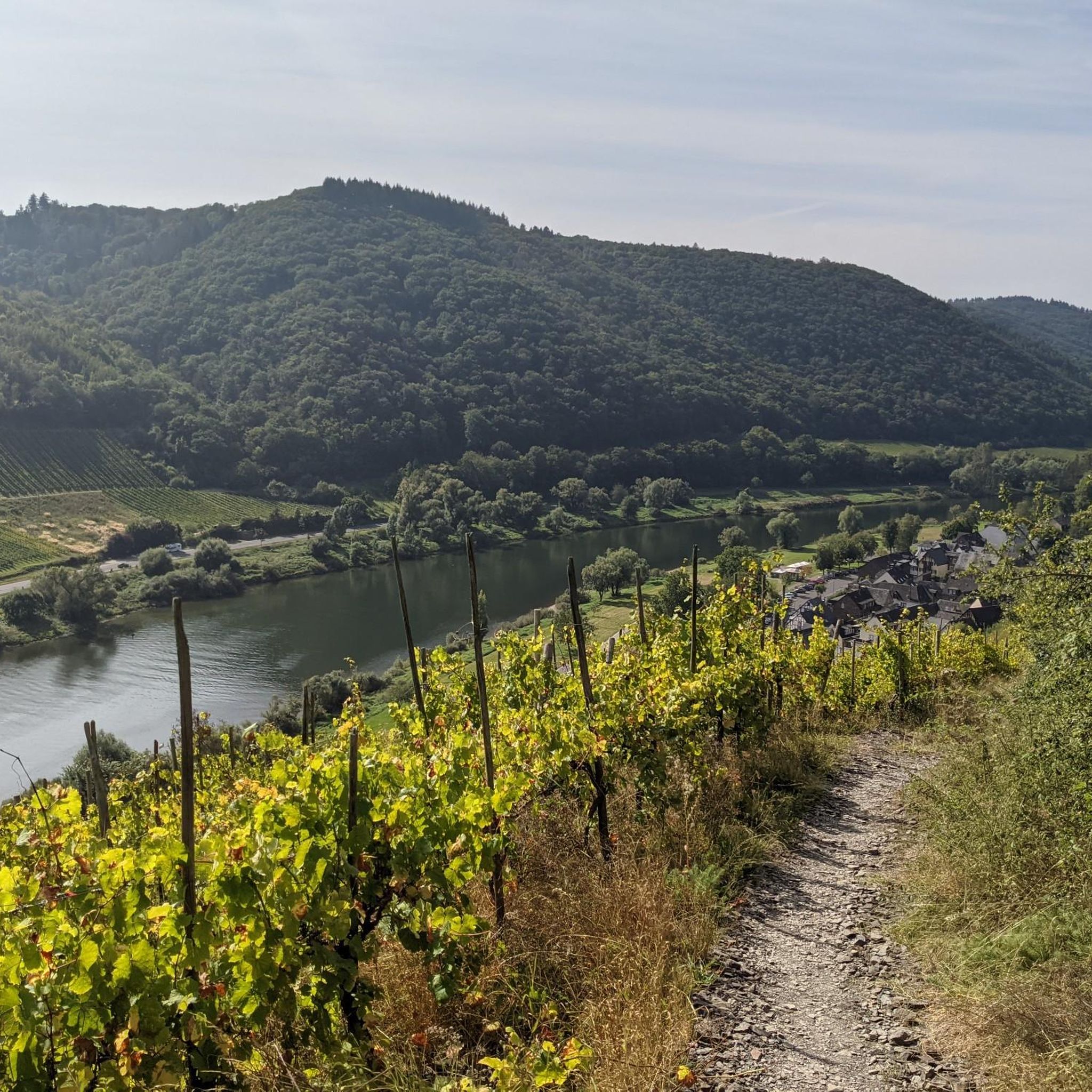
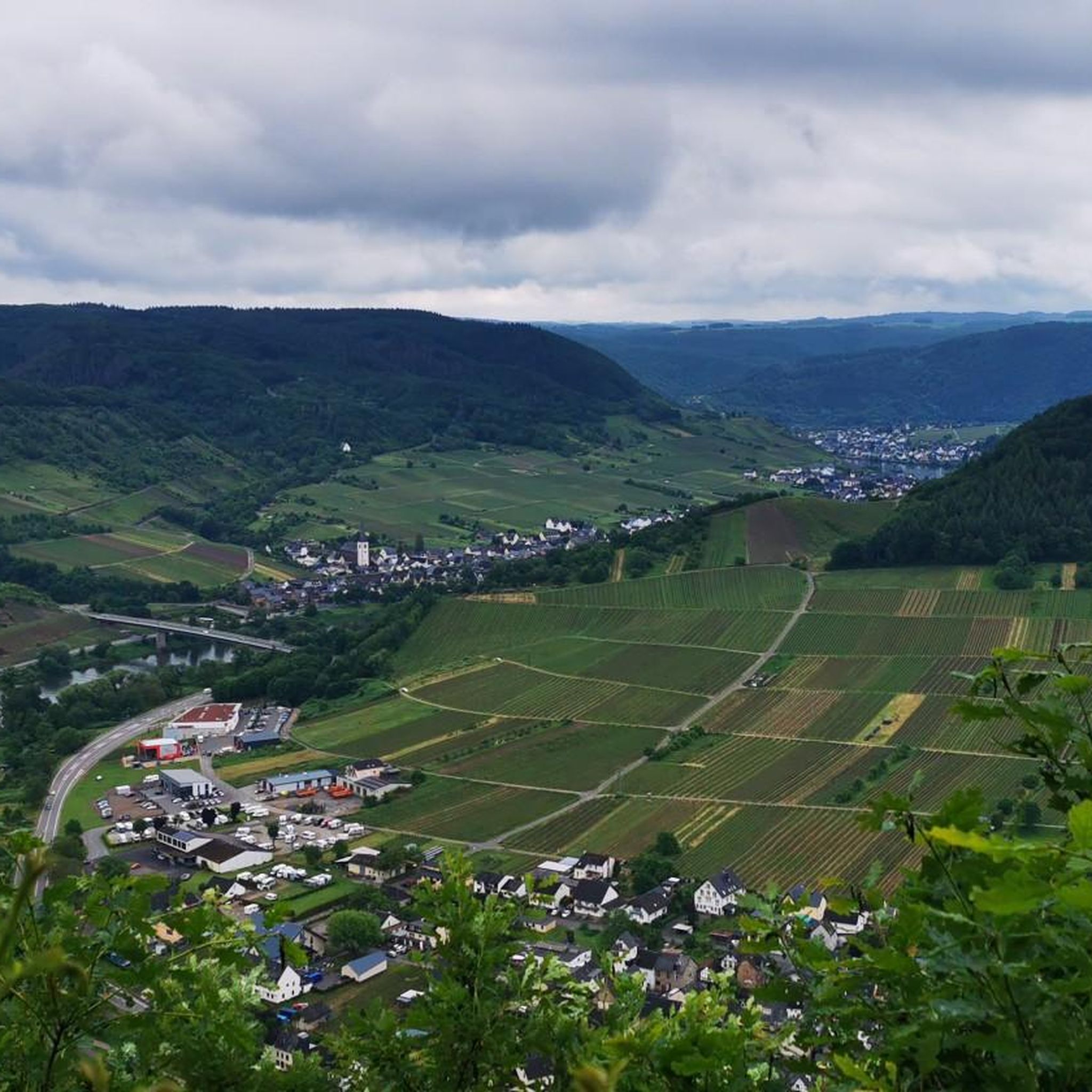
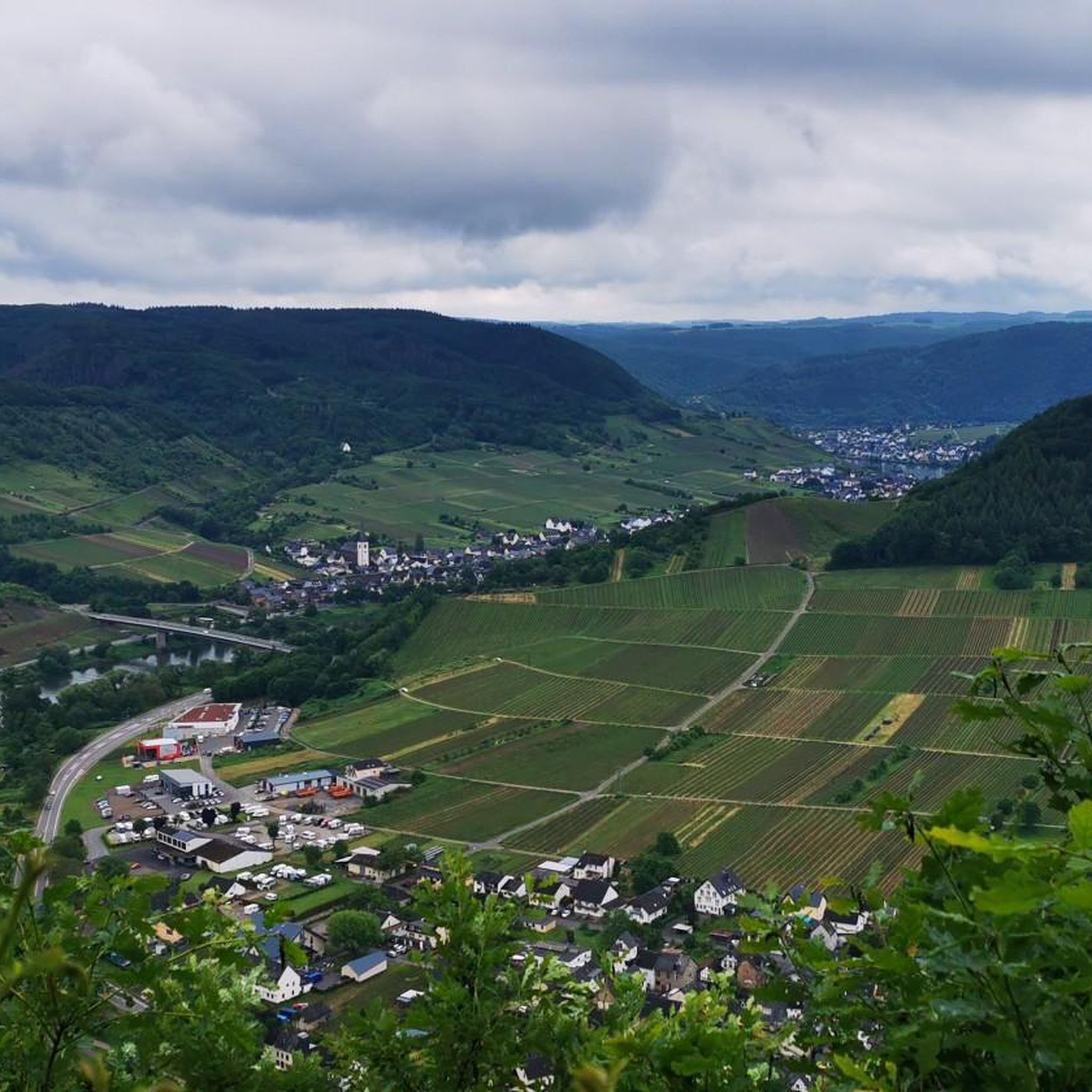
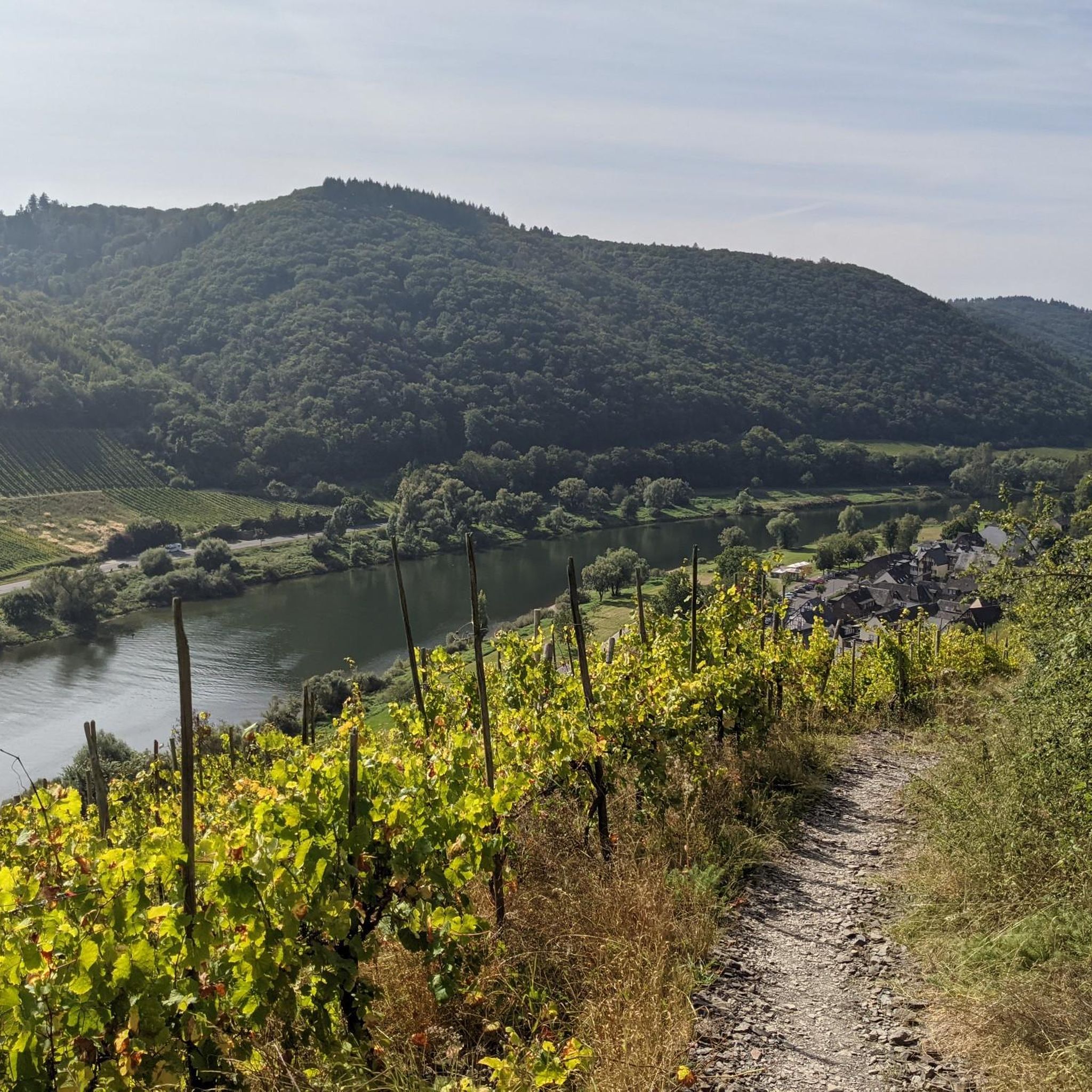
Tips from the Community

Who likes it
0
0

Hike "Dünnbachpfad" at the Dwarf Cave
0
0

Whether this is a real highlight remains to be seen. We also used the swing and had fun!
0
0

The "cave" has a depth of approx. 2 m. It is certainly a highlight for children.
26
0
With a depth of about 2 m, the height is certainly a highlight for children.
31
0

In the immediate vicinity of the dwarf cave for children an entertaining place for a rest.
0
0


Frequently Asked Questions
What kind of caves can I expect to find around Valwig?
The Valwig area is primarily known for small natural rock formations and historical slate mining tunnels, rather than extensive cave systems. These sites offer insights into local geology and past industrial activities. For example, you can explore the Slate Mining Tunnels on Strimmiger Berg, which were used for slate extraction until the early 20th century.
Are there any significant natural caves near Valwig?
Valwig, a wine-growing village on the Moselle, is not known for large, prominent natural caves. The geological features in the immediate area are mainly slate formations. While Germany has impressive caves in other regions like the Franconian Alb, Valwig's natural 'caves' are typically smaller rock shelters or historical mining tunnels, such as the Small cave on the Felsensteig.
Are there family-friendly caves or activities for children?
Yes, there are options suitable for families. The Zwergstollen Cave is considered a family-friendly adventure, especially for children, with a depth of about 2 meters. The Small cave on the Felsensteig is also manageable and can be an exciting discovery for kids along a trail.
What are the geological characteristics of the caves around Valwig?
The region around Valwig is characterized by slate formations, which are sedimentary rocks. This geology supported historical mining activities, leading to the creation of many of the 'caves' in the area, which are actually horizontal mining tunnels. Natural formations tend to be smaller rock shelters or niches within these slate structures.
What outdoor activities can I do near the caves in Valwig?
Beyond exploring the small caves and tunnels, Valwig is excellent for outdoor activities, particularly hiking and cycling. You can find numerous routes, such as easy to moderate hikes like the 'Rest Area Außer Hiecht – View of the Eifel loop' or cycling tours like 'View of Cochem – View of Ernst loop'. For more options, explore the hiking routes around Valwig or cycling routes around Valwig.
When is the best time of year to visit the caves and the Valwig area?
The Valwig area, with its vineyards and hiking trails, is beautiful during spring, summer, and early autumn. These seasons offer pleasant weather for outdoor activities and exploring the small cave sites. The historical mining tunnels and rock shelters can generally be visited year-round, but the surrounding landscape is most vibrant outside of winter.
How much time should I allocate for visiting the caves around Valwig?
Given that the caves around Valwig are generally small natural formations or historical mining tunnels, you typically won't need a full day for cave exploration alone. Most can be visited as part of a longer hike or cycling tour, taking anywhere from 30 minutes to a couple of hours per site, depending on how much you explore the immediate surroundings.
What should I wear or bring when visiting the caves?
For visiting the small caves and tunnels around Valwig, comfortable hiking shoes are recommended, as many are located along trails. A flashlight or headlamp can be useful for exploring deeper into the historical tunnels. Dress in layers, as temperatures inside can be cooler than outside, even in summer. If you plan to hike, bring water and snacks.
Are any of the caves around Valwig accessible for people with mobility issues?
The caves and tunnels around Valwig are generally not designed for accessibility. Many are located along hiking trails, some of which can be steep or uneven, and require climbing or ducking to enter. For example, the path to Castor Cave is noted as challenging and not officially maintained, making it unsuitable for those with mobility issues.
Can I visit the caves with my dog?
While specific rules for each small cave or tunnel may vary, many of the natural trails and outdoor areas around Valwig are dog-friendly. If your dog is comfortable with hiking and potentially navigating small, dark spaces, some of the more open rock shelters might be accessible. Always keep your dog on a leash and be mindful of other visitors and wildlife.
What are some alternatives if the weather is bad for outdoor cave exploration?
If the weather is unsuitable for outdoor exploration, Valwig and the Moselle region offer other attractions. You can explore the charming wine villages, visit local wineries for tastings, or discover historical sites like Reichsburg Cochem. The region also has museums and indoor activities that provide insight into local culture and history.
Is parking available near the cave sites?
Parking availability varies by specific location. Many of the cave sites are situated along hiking trails, so you would typically park at a trailhead or in a nearby village and then walk to the site. It's advisable to check parking options for the specific trail or highlight you plan to visit in advance.
Most popular routes around Valwig
Most popular attractions around Valwig

Get inspired with the komoot mobile app


Explore more
Extend your search for the best caves by checking out these guides of the top ones around Valwig:
