The 6 Most Amazing Peaks around Bernkastel-Kues
Best mountain peaks around Bernkastel-Kues are found within the picturesque Moselle valley, offering elevated points with expansive views and rewarding hiking experiences. The region features prominent elevations that provide panoramic vistas of the surrounding vineyards and the town of Bernkastel-Kues. These locations combine natural landscapes with historical significance, making them notable destinations for exploration. The area is characterized by its river valley setting, with various points offering different perspectives of the Moselle.
Best mountain peaks around Bernkastel-Kues
- The most popular…
Last updated: September 30, 2026
Neuerburger Kopf 🌄🏔️🤓 #homehill #summit 🚵♂️🏃♂️❤️
Highlight • Viewpoint
Translated by Google •
Tip by

Zeltinger Berg summit cross and view of the Moselle Valley
Highlight • Summit
Translated by Google •
Tip by

Sign up now to discover places like this
Get recommendations on the best single tracks, peaks, & plenty of other exciting outdoor places.
Alpine meadow Scheuerhof 🐄🐷🌄❤️
Highlight • Viewpoint
Translated by Google •
Tip by

View from the Olymp (415 m) across the Moselle Valley
Highlight • Viewpoint
Translated by Google •
Tip by

K35 Climb from Koblenzer Straße
Highlight (Segment) • Climb
Translated by Google •
Tip by

Sign up for free to discover even more peaks around Bernkastel-Kues.
Already have an account?
Start today with a free account
Your next adventure awaits.
Popular around Bernkastel-Kues
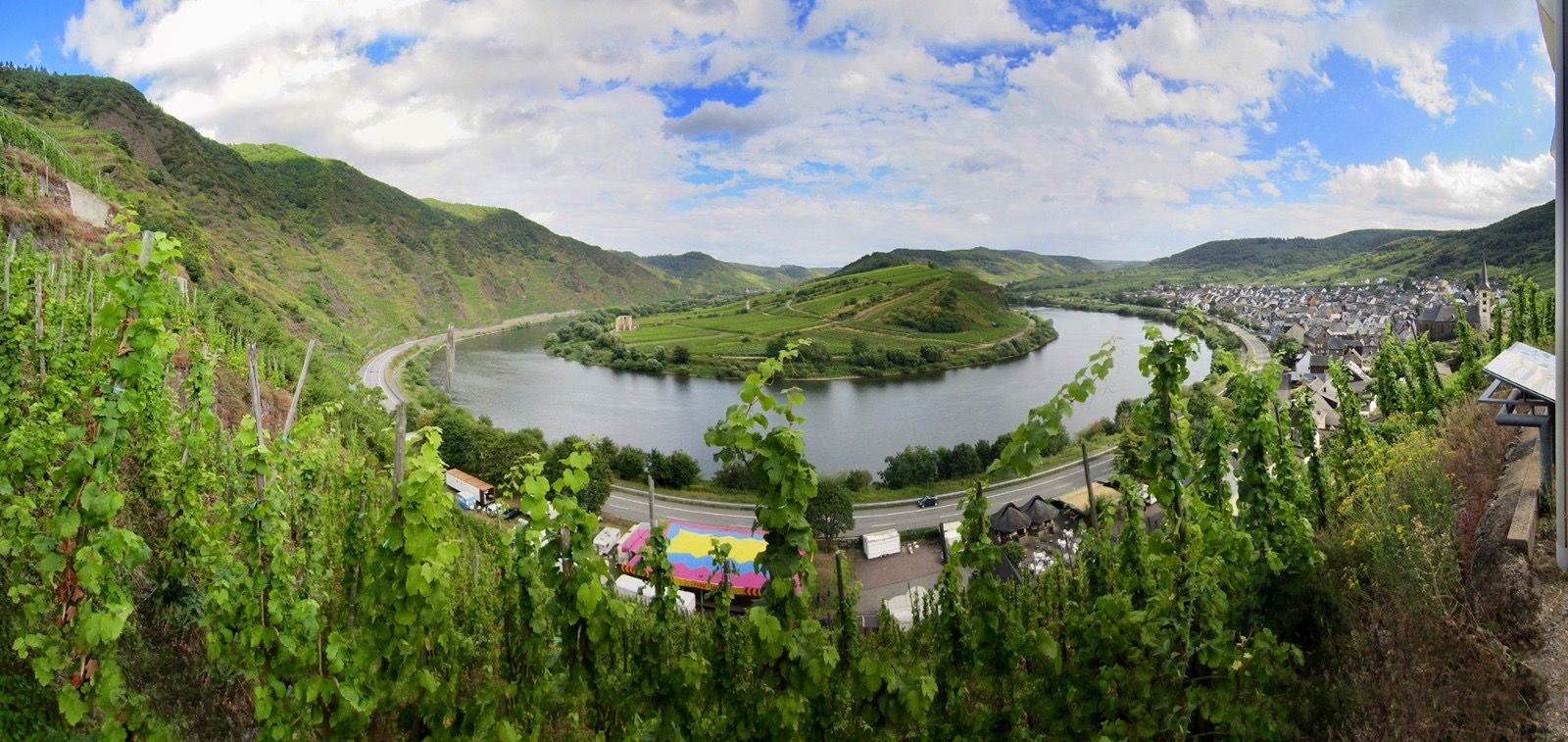
The Moselle cycle path — from the Vosges to the Rhine in 18 stages
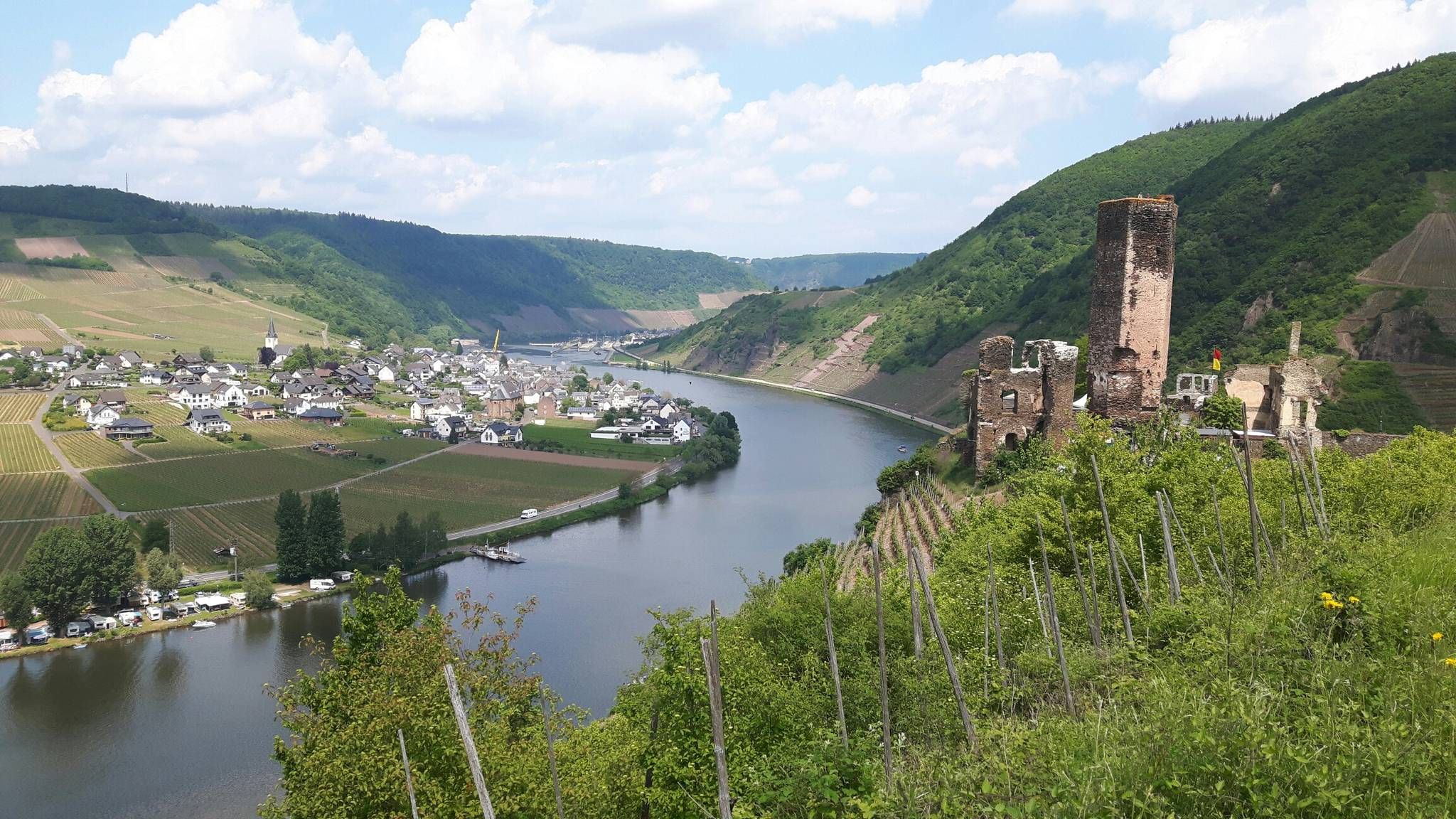
The Moselsteig trail – 24 stages along the sunny Moselle Valley
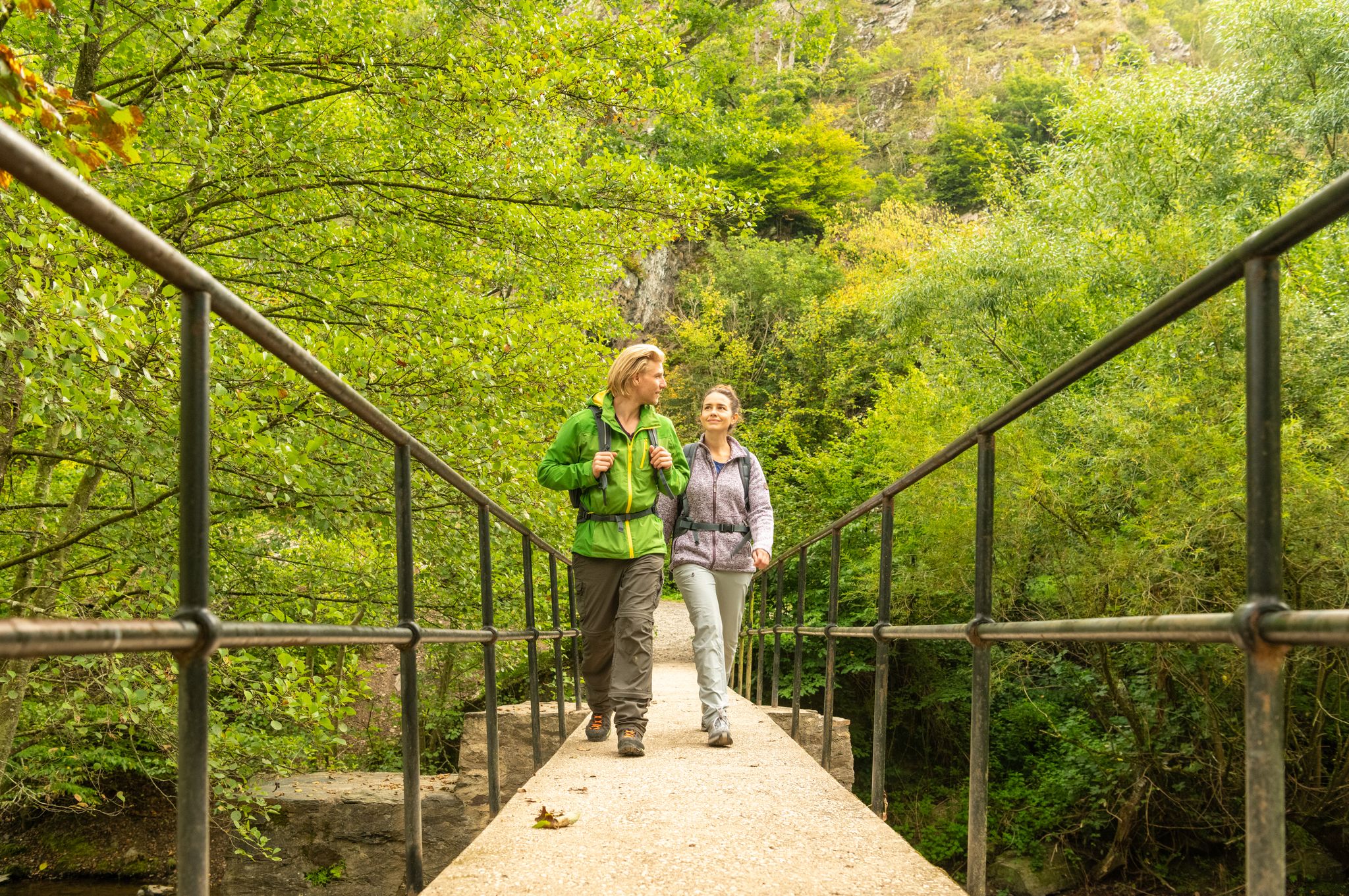
Moselsteig Partner Trails – nature, culture and views
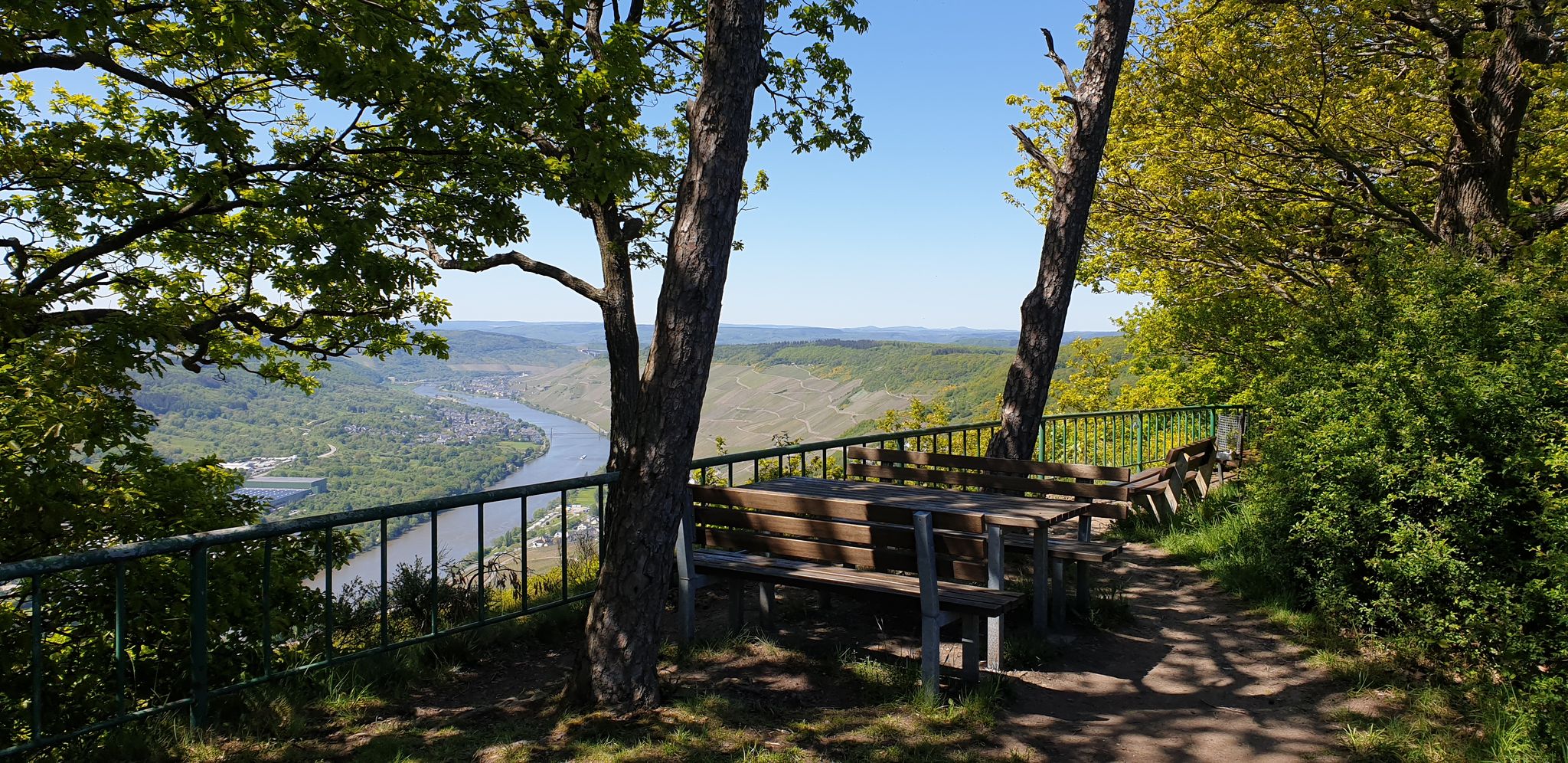
Shady forests and cooling streams – summer on the Moselle
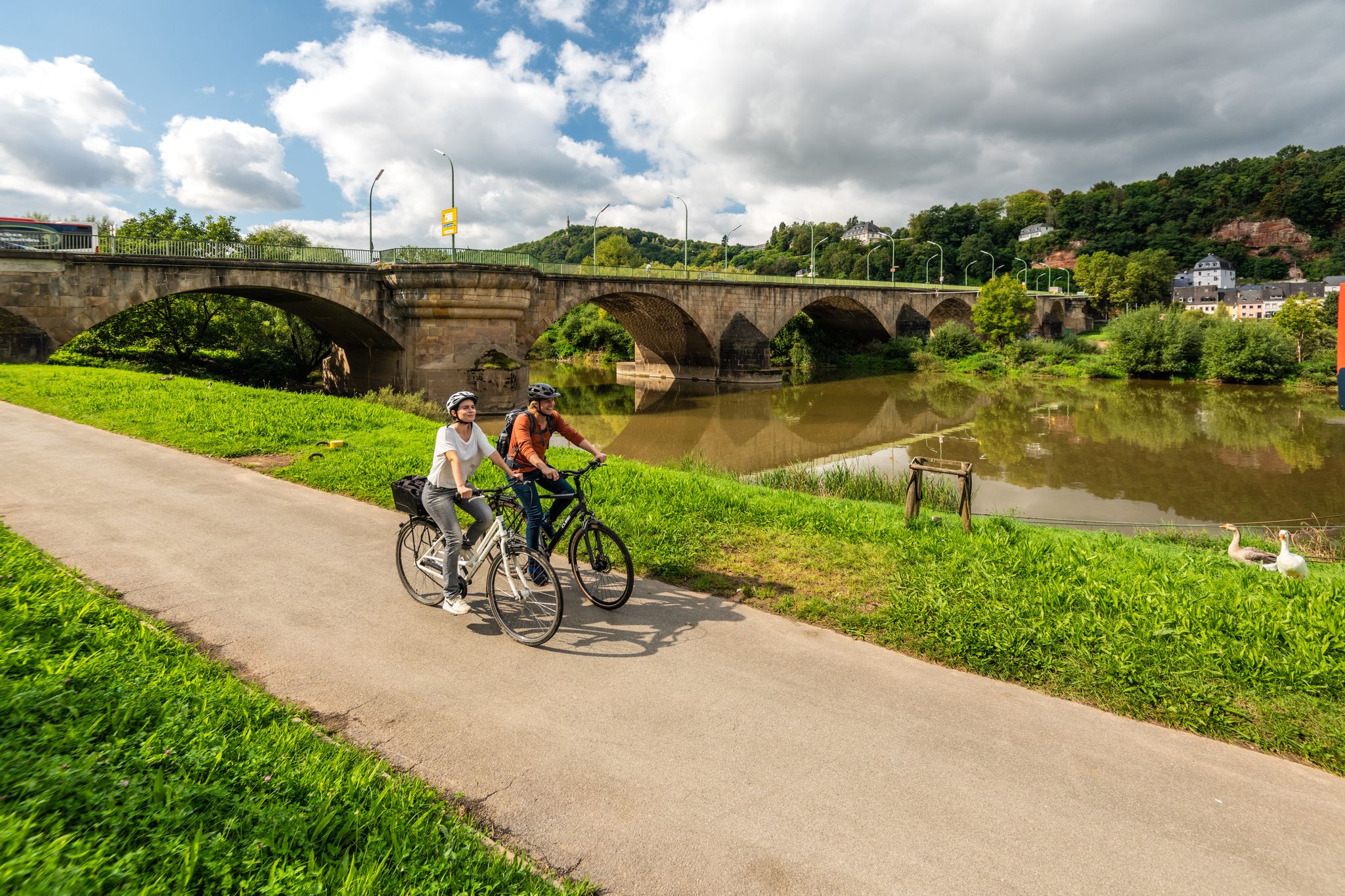
Mosel Cycle Path – in 10 stages from Perl to Koblenz
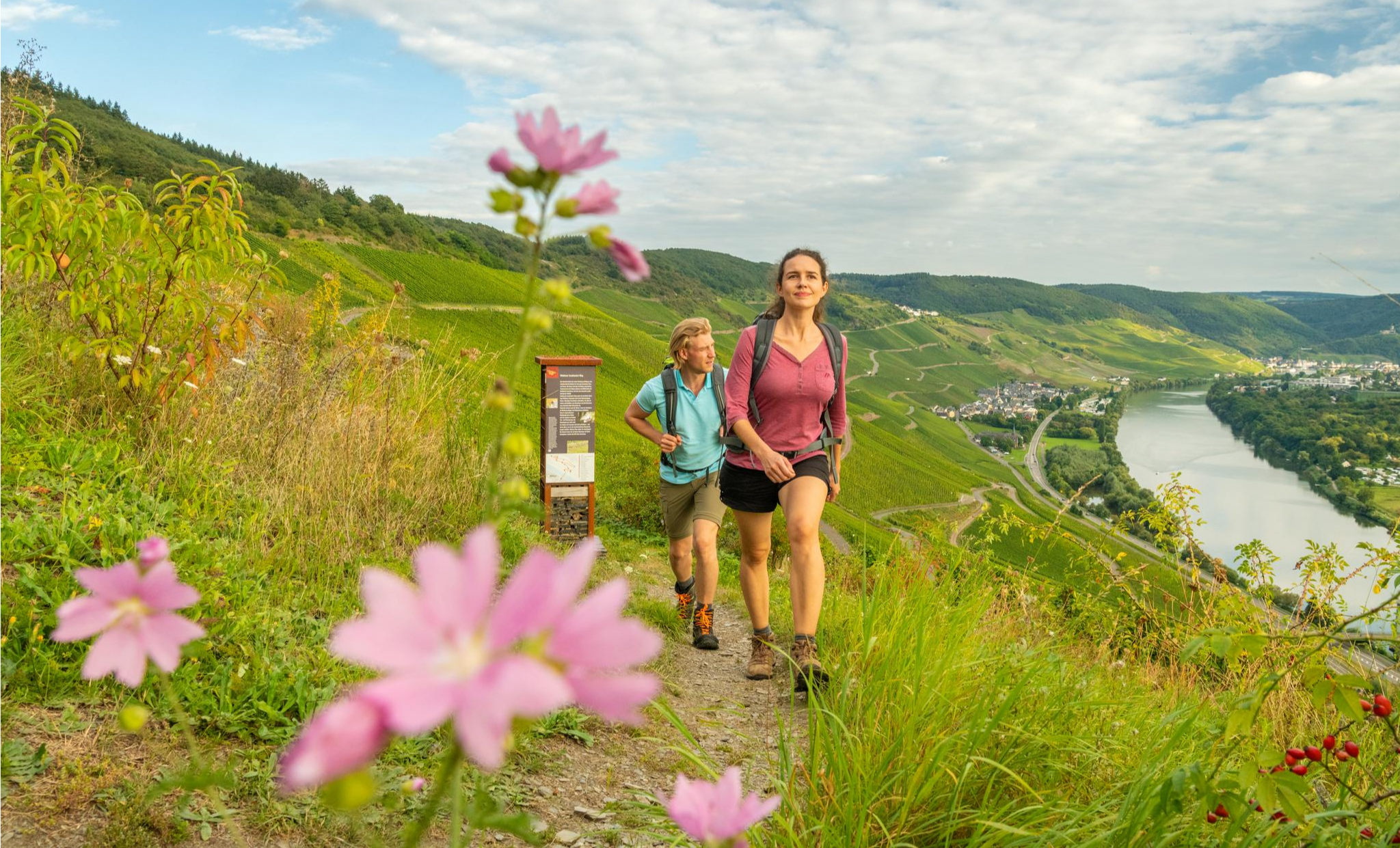
Moselsteig – 24 varied stages from Perl to Koblenz
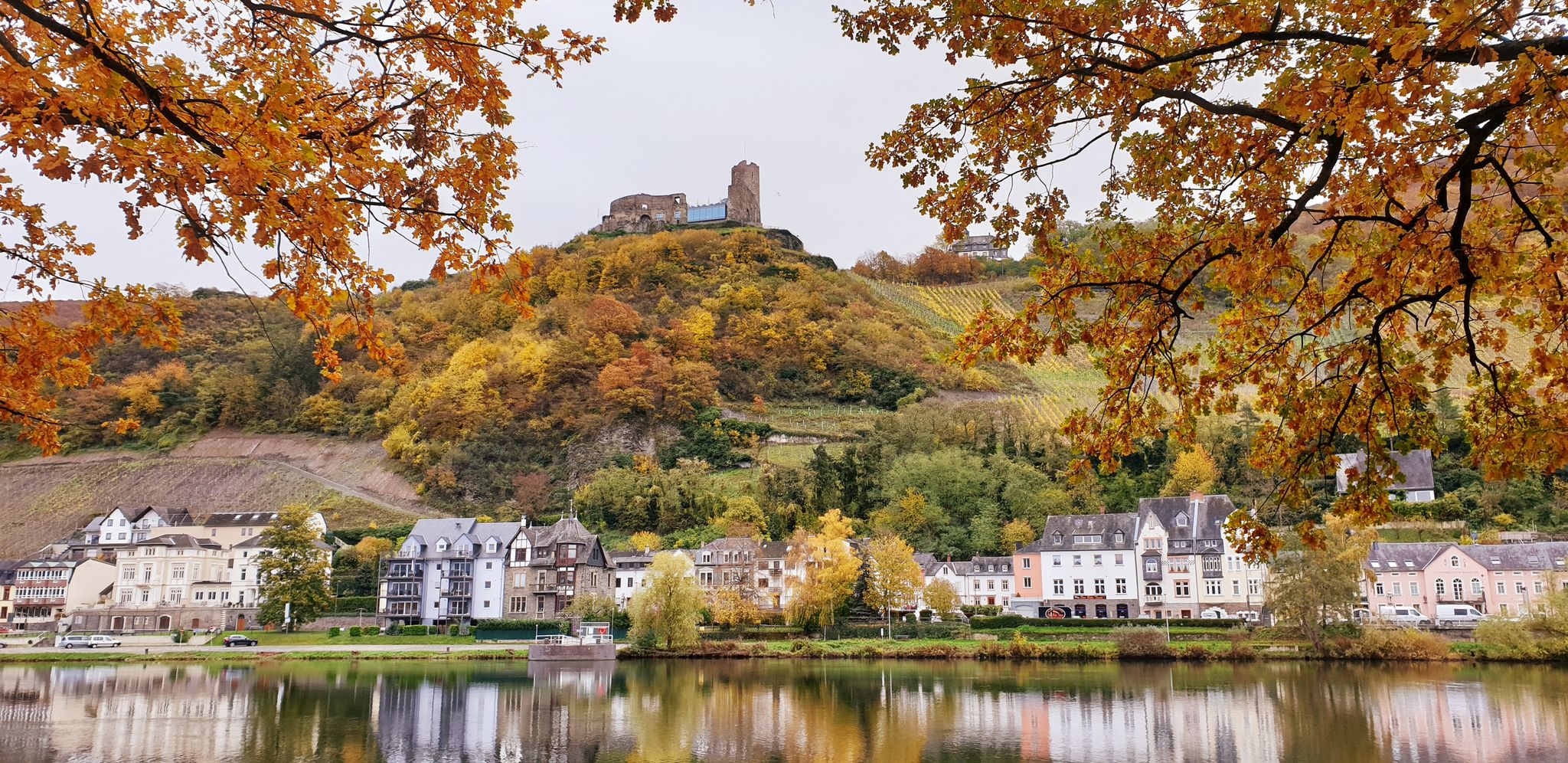
Enjoy an Indian Summer on the Moselle – autumn family hikes
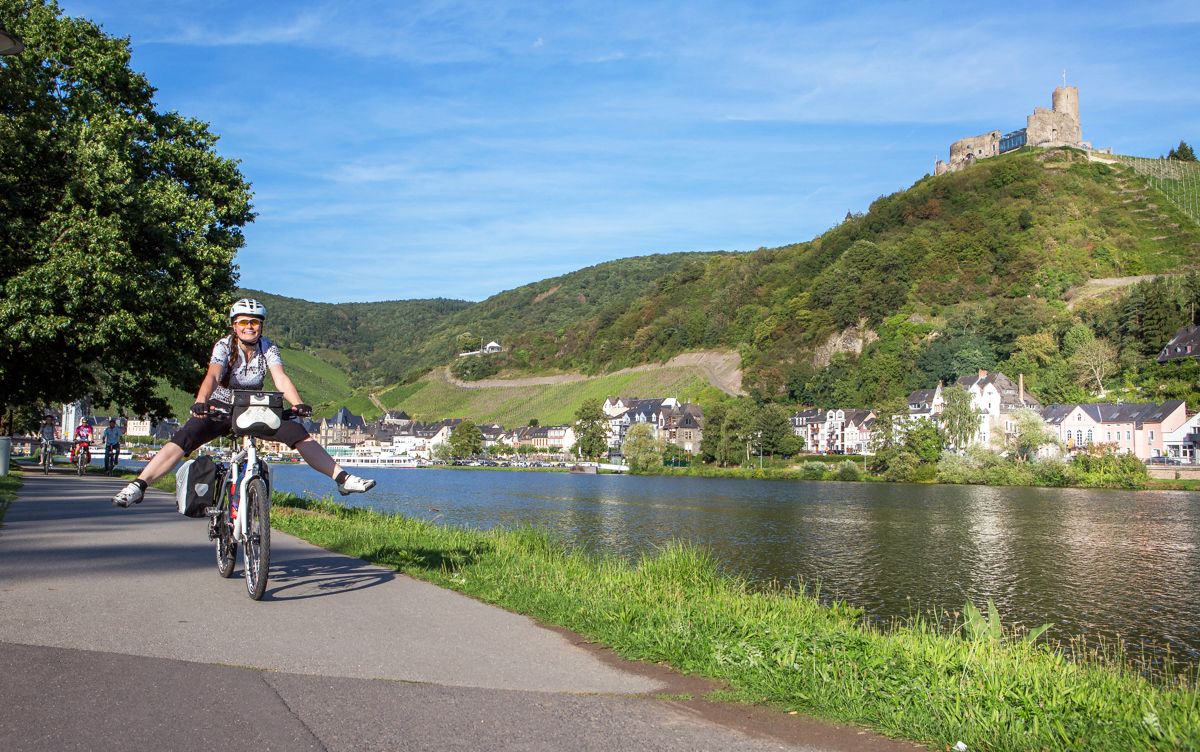
Cycling along the River Moselle in Germany – vineyards, forests & culture
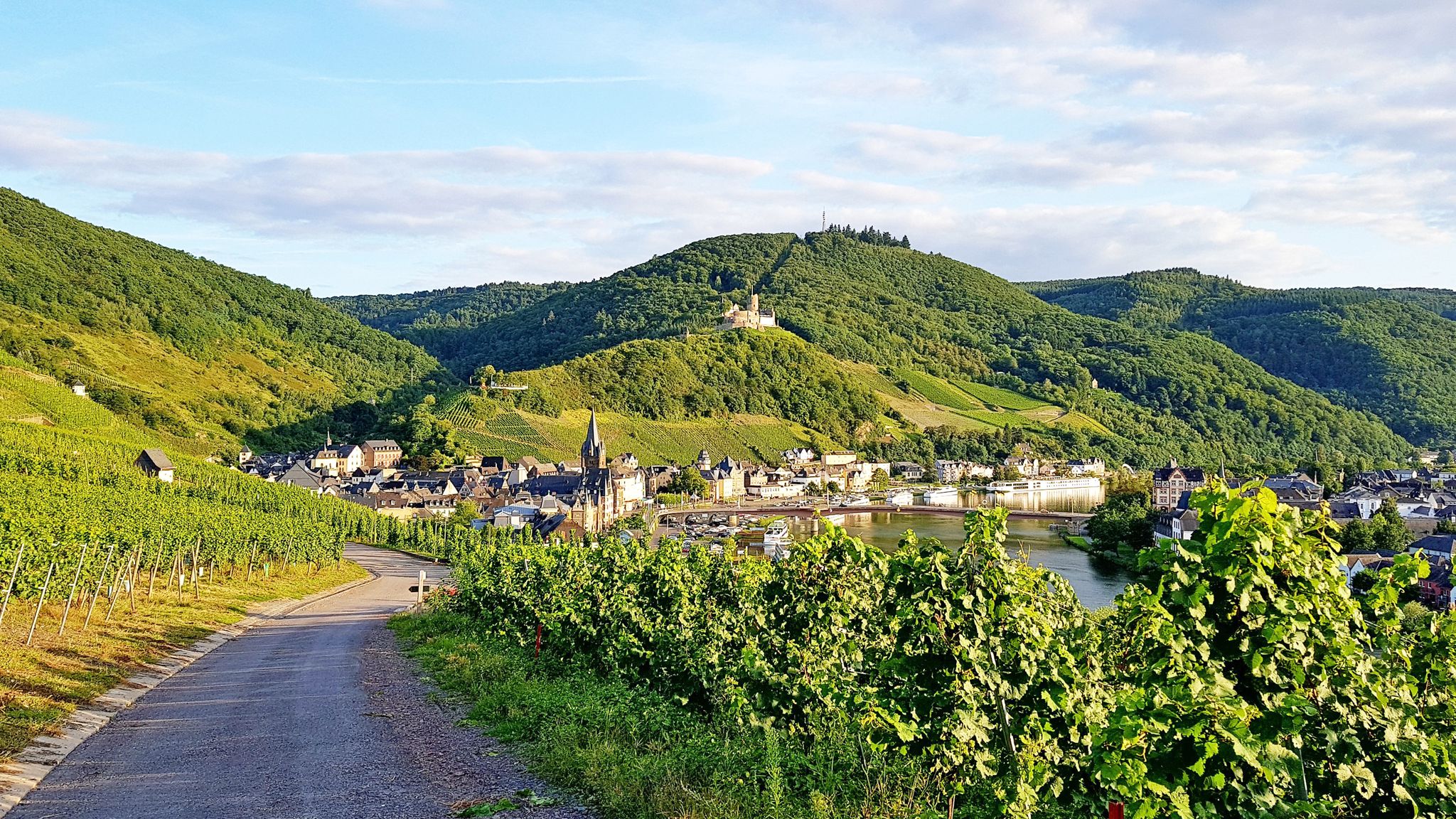
Hiking on the Moselle in the holiday region Bernkastel-Kues
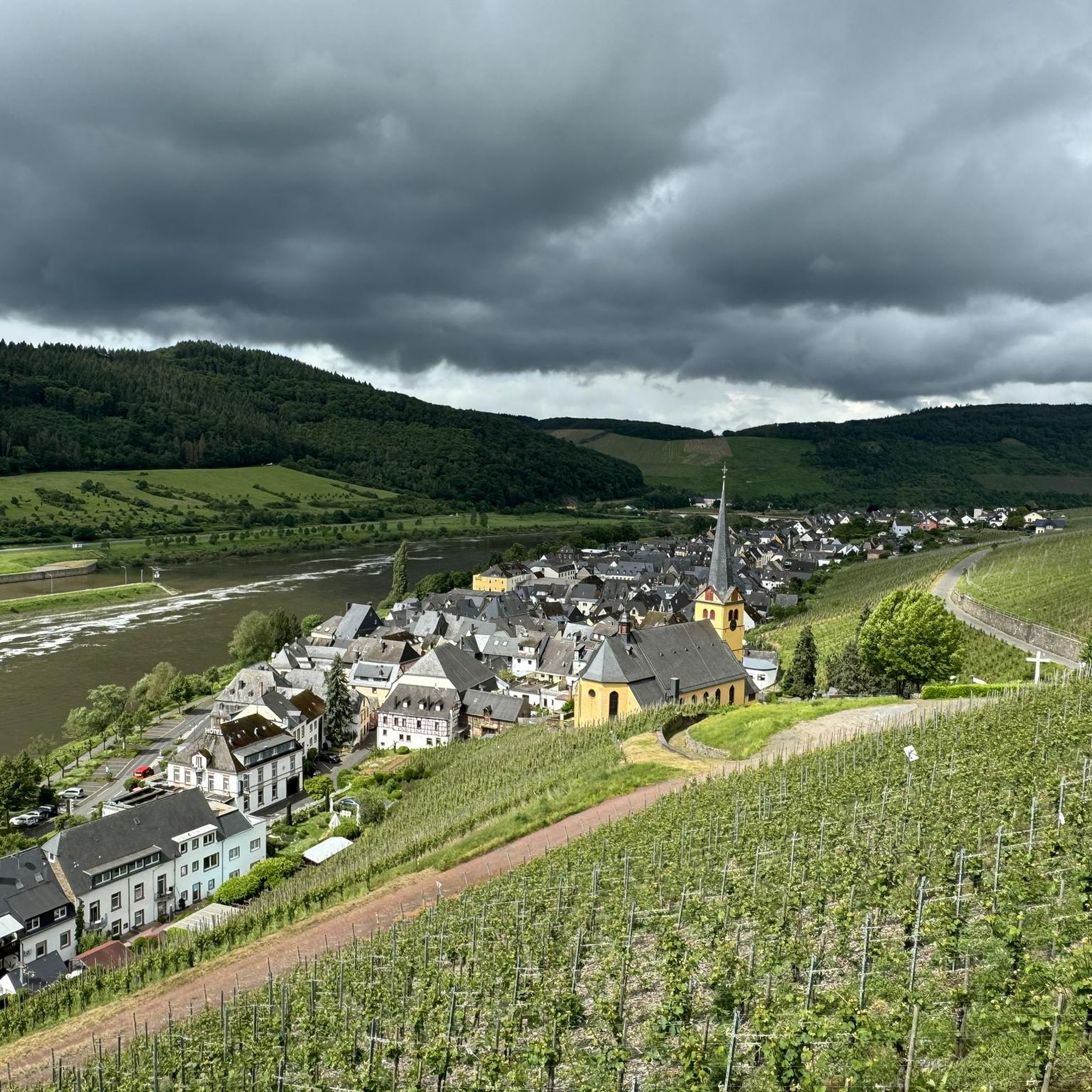
Hiking around Bernkastel-Kues
Other adventures around Bernkastel-Kues


Tips from the Community

The Neuerburger Kopf is a volcano that became extinct 10 million years ago. There is a shelter on the summit. Below the summit, there is a place of prayer (cross) in nature.
0
0

Perfect spot for a circular hike up Neuerburger Kopf. You can see goats, sheep, pigs, and the large herd of cattle from the Scheuerhof farm all around. A lovely savannah feeling! ❤️
1
0
Trail up to the cross, then a final sprint and then back down the wide path with the great view. Fun! 🌄🏃♂️📯
1
0

There are more attractive places. But at 415 m, it is probably the highest elevation in the area.
1
0

Great to ride up on a mountain bike. But it's better to push the last 10m
2
0

From here you have a good view of the Moselle.
2
0

The volcanic cone was formed 108 million years ago. Magma penetrated the Devonian sandstone layers and solidified below the earth's surface. This passage or chimney made of hard basalt protected the surrounding sandstone from erosion, leaving the conical shape of the Neuerburger Kopf, which is still clearly visible today. Classified as belonging to the Cretaceous period, the Neuerburger Kopf and the neighboring Lüxeberg are the oldest volcanic features in the Eifel. The Neuerburger Kopf was formerly called Merkuriusberg (Mercurius, Roman god of trade). The former name is explained by the Roman trade and military roads that crossed next to it. The current name refers to a castle. Archbishop Albero (1131-1152) had a "novum castrum" (= new castle) built, which was completed in 1168 by Archbishop Hillin and expanded by Archbishop Henry II (1260-1286). The castle was used primarily to collect customs duties on the neighboring trade route and was one of the seven castles of the Electorate of Trier, along with Manderscheid, Arras, Saarburg, Grimburg, Welschbillig and Ehrenbreitstein. The last inhabitants of Hatzdorf, which had been ravaged by the plague and abandoned, settled under the protection of the castle and founded the village of Neuerburg. Neuerburg Castle was most likely destroyed in 1689 by the French Marshal François de Créquy, who also had Wittlich destroyed from Mont Royal. Today only a few remains of the walls can be found.
2
0

The topping is TOP! The gradient "crisp"
2
0
Frequently Asked Questions
What are the most prominent elevated points to explore directly within Bernkastel-Kues?
Within Bernkastel-Kues itself, the two most notable elevated points are the Olymp and the site of Landshut Castle. The View from the Olymp offers expansive panoramic views of the Moselle valley, while Landshut Castle provides breathtaking views alongside significant historical context.
What kind of views can I expect from the Olymp?
From the Olymp, which reaches about 415 meters above sea level, you can enjoy magnificent panoramic views over the entire Moselle valley, the surrounding vineyards, and the charming town of Bernkastel-Kues. It's a rewarding spot after the ascent.
What is the historical significance of Landshut Castle?
Landshut Castle has a rich history, originally serving as a Roman fort before being built as a castle in the late 13th century. It was a summer residence for the Archbishops of Trier and, despite being largely destroyed in 1692, its ruins remain a significant cultural heritage site. You can find more information about its history on VisitMosel.de.
How accessible is Landshut Castle?
Landshut Castle is quite accessible. You can reach it on foot from the historic market square in about half an hour, with the path winding through picturesque streets. For those who prefer not to walk, a road leads up to the castle, and there's also the 'Burg Landshut Express' bus service. The castle also features a restaurant and café in its inner courtyard.
Are there family-friendly hiking options around Bernkastel-Kues's peaks?
Yes, there are family-friendly hiking options. For instance, the 'Alpine meadow Scheuerhof' is a viewpoint that is also categorized as family-friendly, offering a lovely savannah feeling with farm animals. Additionally, several easy hikes around Bernkastel-Kues are suitable for families, such as the 'Family Loop in Bernkastel-Kues on the Moselle' which is part of the Easy hikes around Bernkastel-Kues guide.
What are some popular hiking routes that include these elevated points?
The 'Burg-Olymp-Tour' is a popular medium-difficulty circular hike that specifically highlights the stunning views from the Olymp. The hike to Landshut Castle is also a well-loved experience, combining nature, history, and views. For more options, you can explore routes like 'View of Burg Landshut – Landshut Castle above Kues loop' in the Waterfall hikes around Bernkastel-Kues guide.
What natural features can I discover on hikes around Bernkastel-Kues?
Beyond the panoramic views from peaks like the Olymp and Landshut Castle, you can discover varied landscapes including shady forests and vineyards. The region is characterized by its river valley setting, offering diverse perspectives of the Moselle. The Zeltinger Berg summit cross, for example, offers a fantastic view of the Moselle Valley.
When is the best time of year to hike the mountain peaks around Bernkastel-Kues?
The Moselle region is beautiful year-round, but spring and autumn are particularly popular for hiking. In spring, the vineyards burst into green, and in autumn, the foliage offers spectacular colors. Summer provides warm weather, while winter can offer crisp, clear views, though some trails might be more challenging.
Are there any unique geological features among the peaks in the region?
Yes, the Neuerburger Kopf is a striking example. This mountain, towering 286 meters above the Wittlich depression, is known for its ancient volcanic origins. Experts estimate it to be 108 million years old, making it one of the oldest volcanic features in the Eifel, formed from magma penetrating sandstone layers.
What amenities are available near the elevated points, such as cafes or restaurants?
At Landshut Castle, you'll find a restaurant and a café within its inner courtyard, providing a pleasant spot for a break with a view. In Bernkastel-Kues itself, there are numerous cafes, pubs, and restaurants in the historic market square and along the Moselle, easily accessible after your hike.
Are there dog-friendly hiking trails around Bernkastel-Kues's peaks?
Many trails in the Bernkastel-Kues region are dog-friendly, allowing you to enjoy the natural beauty with your canine companion. It's generally recommended to keep dogs on a leash, especially in nature reserves or near wildlife. Always ensure you carry water for your dog, particularly on longer ascents.
What do visitors particularly enjoy about the Zeltinger Berg summit?
Visitors to the Zeltinger Berg summit cross particularly enjoy the fantastic views of the Moselle Valley. It's described as a beautiful section of the Moselsteig route, featuring a lovingly designed rest area, making it an ideal spot to pause and take in the scenery.
Can I find challenging hikes near Bernkastel-Kues's peaks?
While many trails offer moderate difficulty, some routes can be more challenging, especially those with significant elevation changes. For example, some of the gravel biking routes listed in the Gravel biking around Bernkastel-Kues guide are rated as 'difficult', indicating the terrain can be demanding. Look for trails with higher difficulty ratings for a more strenuous experience.
Most popular routes around Bernkastel-Kues
Most popular attractions around Bernkastel-Kues

Get inspired with the komoot mobile app


Explore more
See even more amazing summits around Bernkastel-Kues with these guides:
