Top 15 Caves around Detzem
Best caves around Detzem are found in the scenic Moselle valley, an area known for its vineyards, Roman heritage, and viewpoints like the Fünf-Seen-Blick. While Detzem itself does not feature extensive natural cave systems as tourist attractions, the surrounding region offers various geological formations and historical mining tunnels that are categorized as caves. These underground structures provide insights into the area's geology and past slate mining activities.
Best caves around Detzem
- The most popular caves is Schinderhannes Cave, a…
Last updated: August 20, 2026
Schinderhannes Cave
Highlight • Cave
The formation of the Wacken goes back to the Permian Age (250 …
Translated by Google •
Tip by

Mertesnaf Mine
Highlight • Structure
Translated by Google •
Tip by

Sign up now to discover places like this
Get recommendations on the best single tracks, peaks, & plenty of other exciting outdoor places.
Sign up for free
Schieferstein Cave
Highlight • Cave
Translated by Google •
Tip by

Rock Trail – Slate Cave, Moselle Valley
Highlight • Trail
Translated by Google •
Tip by

Friedrichstollen Thomm
Highlight • Cave
Translated by Google •
Tip by
Sign up for free to discover even more caves around Detzem.
Sign up for free
Already have an account?
Start today with a free account
Your next adventure awaits.
Login or Signup
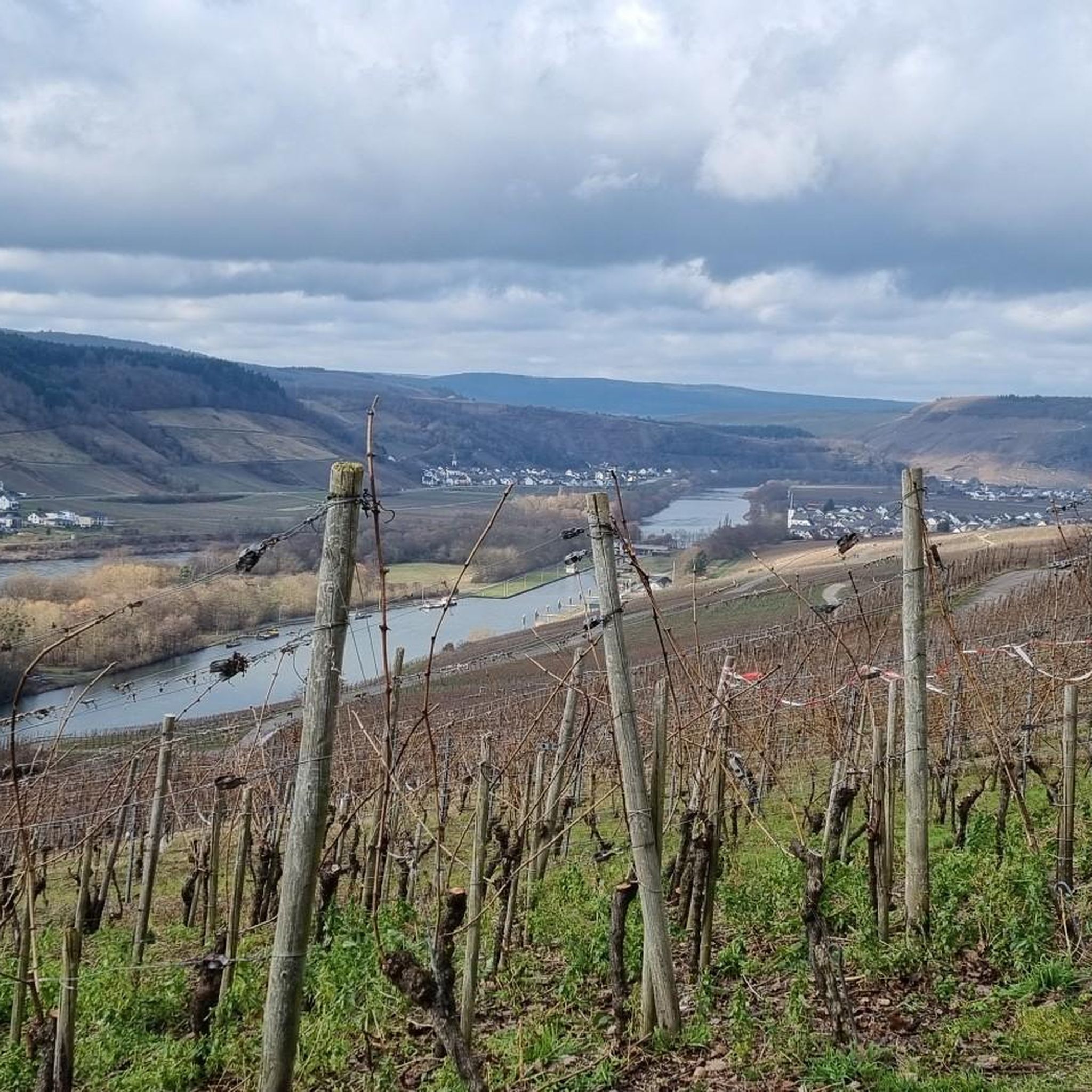
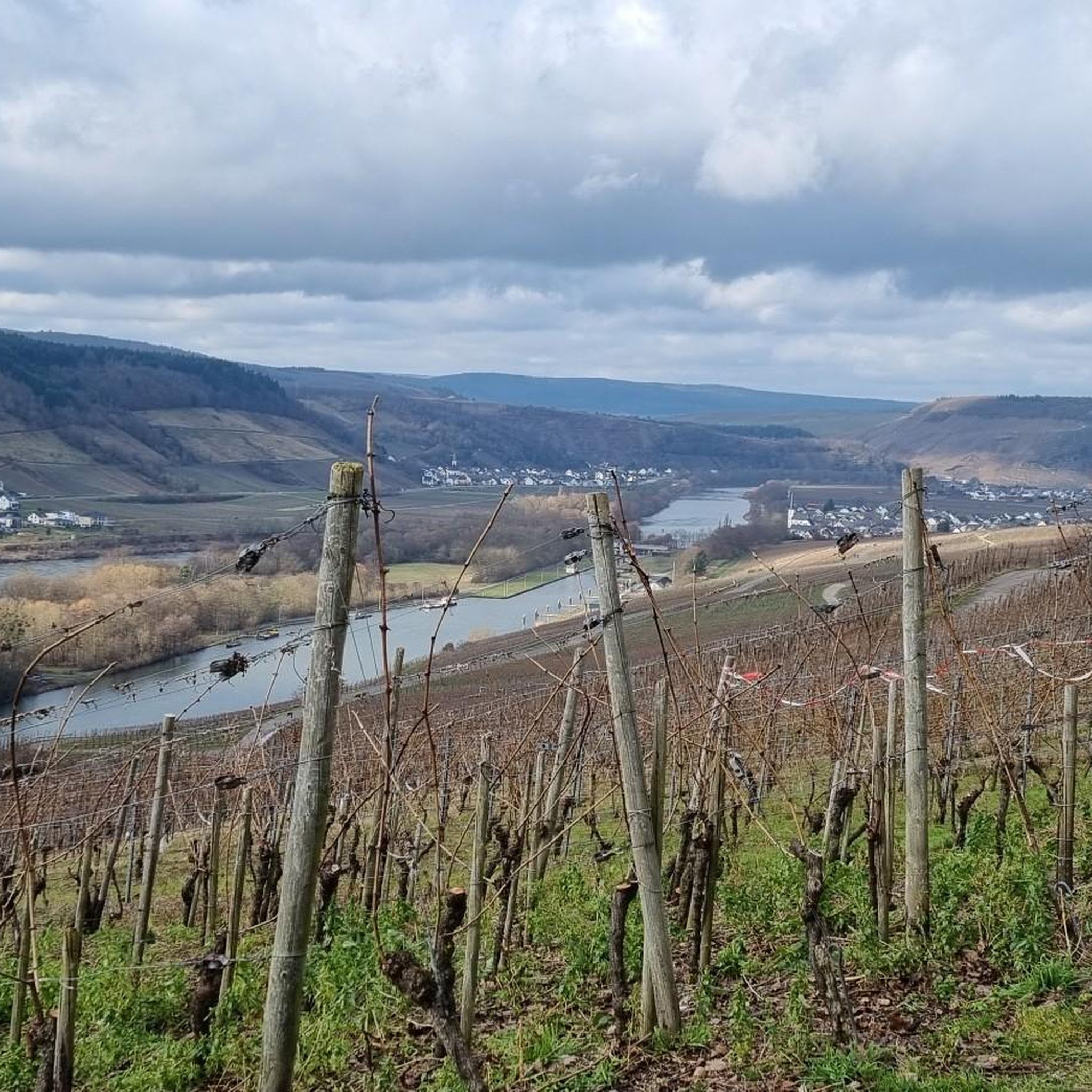
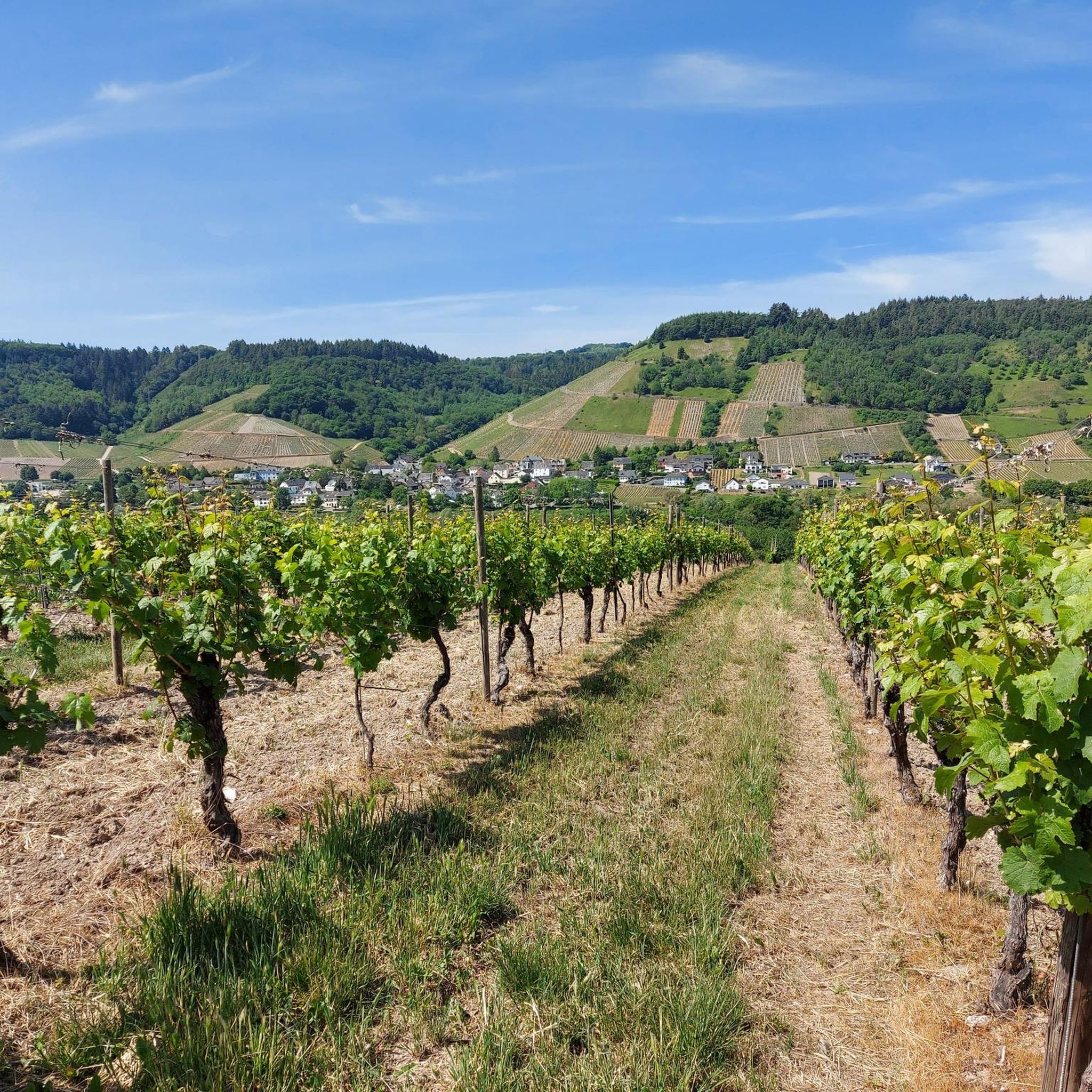
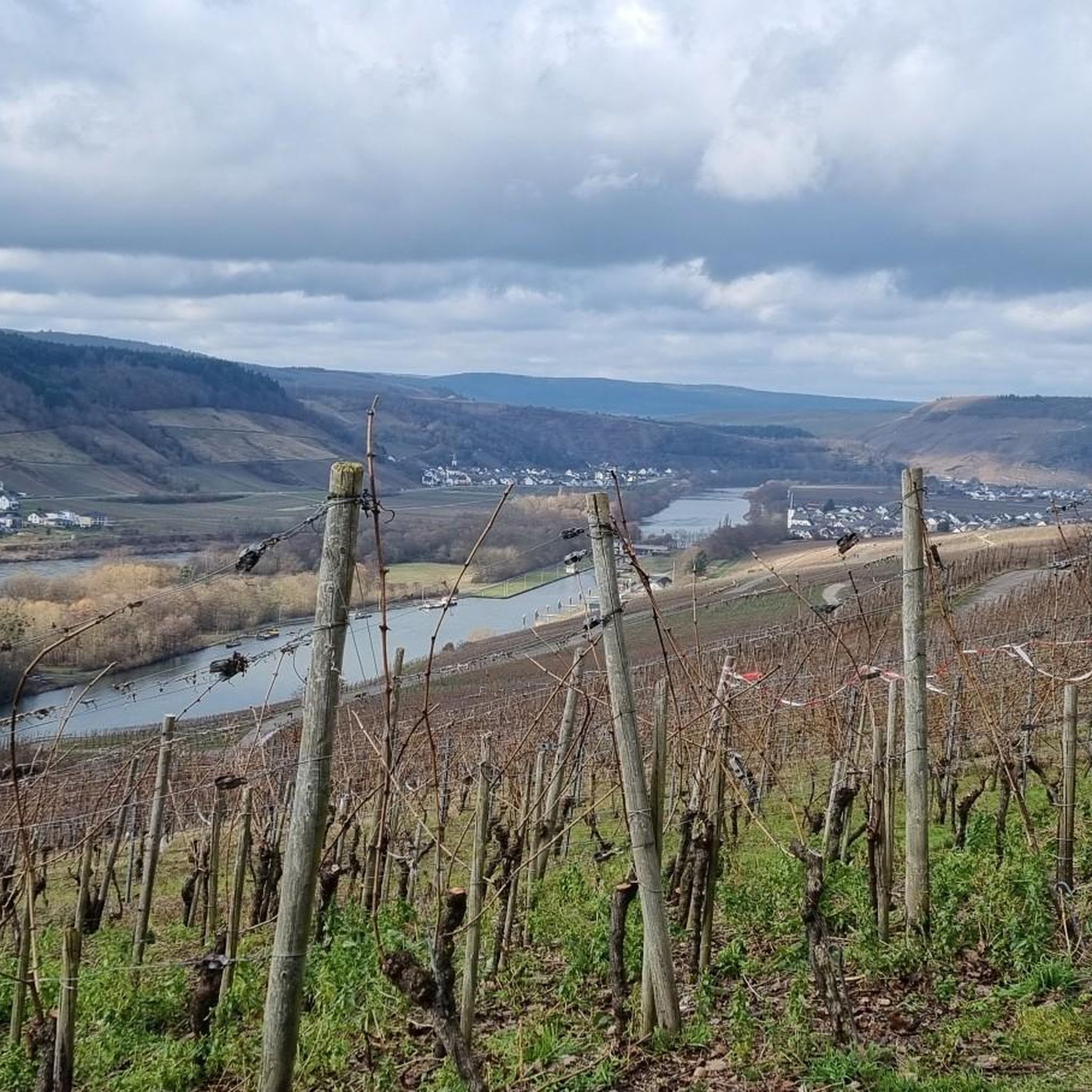
Tips from the Community

A beautiful path, but you should be sure-footed.
2
0
Small but nice. Seating in front of the cave
0
0


Hard to believe, but at this point a slate cave.. RESPECT
2
1

From a topological point of view, the Thommen mining area is very homogeneous, since the mining areas did not develop depending on the epoch, but the mining centers remained topologically the same over the entire funding period. The origins of Thommen slate mining can be found in the area of the Sattelberg. At least since the end of the 17th century, two main mining areas were important for Thommen slate mining. On the one hand the districts "Heckenberg" and "Hesselnbüsch" bordering on the district "Sattelberg" and the adjacent district "An der Köpp", on the other hand the actual "Thomerberg" with the adjacent district "Brasilienberg". Until the commercial restructuring of mining in 1863, these areas remained the main extraction areas. After 1863, Thommen slate mining concentrated almost exclusively on the "Thomerberg" and the adjoining "Brasilienberg" with the various large mines. Little changed in this constellation until shortly before the First World War. The most productive pits by far, such as the pits "Mertesnaf I", "Mertesnaf II", "Neue Mertesnaf", "Mertesnafergraben" and "Alte Graebenkaul" were located on the natural border between Thommerberg and Brazil Mountain, the so-called "Mertesnafgraben". .
4
0
Frequently Asked Questions
What kind of caves can I explore around Detzem?
The Detzem area, situated in the Moselle valley, features a mix of natural geological formations and historical mining tunnels. These include rock shelters, natural monuments like Schinderhannes Cave and Schieferstein Cave, and former slate mines such as Mertesnaf Mine and Friedrichstollen Thomm. These offer insights into the region's geology and past slate mining activities.
Are there any family-friendly caves to visit near Detzem?
Yes, Schinderhannes Cave is considered family-friendly. It's a five-meter-deep cavity within the impressive Langer Wacken rock cliff, offering a touch of adventure for the whole family during a hike.
What are the most popular cave-related spots in the region?
Among the most popular are Schinderhannes Cave, a natural monument with historical ties, and the Rock Trail – Slate Cave, Moselle Valley, which combines a challenging hike with a unique slate cave experience. Schieferstein Cave is also well-loved for providing a pleasant cooling spot on hot days.
Can I combine a cave visit with hiking?
Absolutely. Many of the cave experiences around Detzem are integrated into hiking trails. For example, the Rock Trail – Slate Cave, Moselle Valley is a challenging path that includes a slate cave. You can also find numerous hiking routes in the area, such as those listed in the Hiking around Detzem guide, which may pass by or near these geological features.
What historical significance do the caves around Detzem hold?
The region's 'caves' often include historical mining tunnels, particularly those related to slate mining. Sites like Mertesnaf Mine and Friedrichstollen Thomm are remnants of the extensive slate mining activities that shaped the local economy and landscape for centuries. Schinderhannes Cave is also known for its connection to the legendary robber captain.
Are there any challenging cave explorations near Detzem?
The Rock Trail – Slate Cave, Moselle Valley is described as a challenging trail that requires sure-footedness, offering a unique adventure after exploring the slate cave. While not extensive caving, it provides a more demanding experience.
What natural features can I expect to see in these caves?
The natural caves, like Schinderhannes Cave, are often cavities within impressive rock cliffs, such as the Langer Wacken, which dates back to the Permian Age. These formations showcase the region's geological history, including quartz veins formed from ancient volcanic activity. The slate caves offer insights into the unique rock types of the Moselle valley.
What do visitors enjoy most about the caves and surrounding area?
Visitors appreciate the unique blend of natural beauty and historical context. The caves offer a 'nice change' during hikes and can provide a 'great cooling spot' in warm weather. The surrounding Moselle valley is also celebrated for its picturesque vineyards, Roman heritage, and scenic viewpoints like the Fünf-Seen-Blick.
What outdoor activities can I do near the caves around Detzem?
Beyond exploring the caves and mining tunnels, the Detzem region offers excellent opportunities for various outdoor activities. You can find numerous routes for hiking, touring cycling, and road cycling, allowing you to experience the scenic Moselle valley, its vineyards, and viewpoints.
Is there a specific time of year when bats might affect cave access?
Yes, for the protection of bats, there is a legally mandated bat protection period. This typically runs from October 1st to March 31st, during which bats hibernate. Access to caves, grottos, bunkers, and other potential hibernation dwellings may be restricted during this time to avoid disturbing them.
Are there any other notable natural attractions in the Detzem area besides caves?
While the focus here is on caves, the Detzem area is part of the scenic Moselle valley, known for its stunning natural beauty. A prominent natural attraction is the 'Fünf-Seen-Blick' viewpoint, offering panoramic views of the meandering Moselle river. The region's vineyards and the unique geology of the Moselle Trough also contribute to its natural appeal.
Most popular attractions around Detzem

Get inspired with the komoot mobile app


Explore more
Extend your search for the best caves by checking out these guides of the top ones around Detzem:
