Top 11 Caves around Imsbach
Best caves around Imsbach are primarily historical mining tunnels, not natural caves, located in the foothills of the Donnersberg mountain. This region, known for its rich mining history, offers unique opportunities to explore former ore extraction sites. These sites are part of the "BergbauErlebnisWelt" (Mining Experience World), providing insights into centuries of copper, silver, cobalt, and iron mining. Visitors can discover a network of underground galleries and open-cast mines that showcase diverse mining techniques and historical significance.
Best caves around…
Last updated: September 30, 2026
Börrstadt Hermitage
Highlight • Cave
Translated by Google •
Tip by

Iron Gate
Highlight • Historical Site
Translated by Google •
Tip by

Sign up now to discover places like this
Get recommendations on the best single tracks, peaks, & plenty of other exciting outdoor places.
White Mine — Visitor Mine
Highlight • Historical Site
Translated by Google •
Tip by
Maria Iron Ore Mine
Highlight • Historical Site
Translated by Google •
Tip by

Lourdes Grotto Falkenstein
Highlight • Religious Site
Translated by Google •
Tip by

Sign up for free to discover even more caves around Imsbach.
Already have an account?
Start today with a free account
Your next adventure awaits.

Tips from the Community

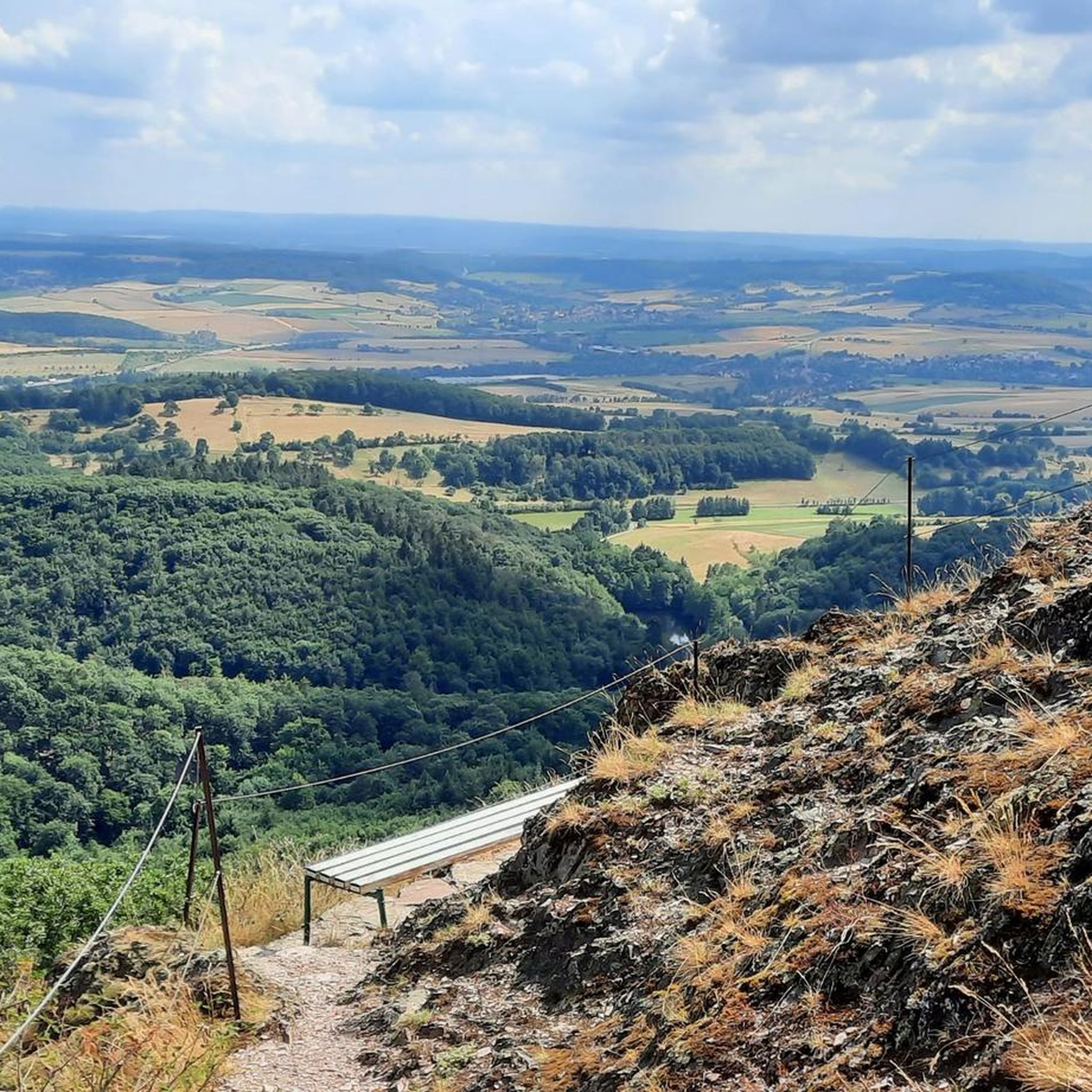
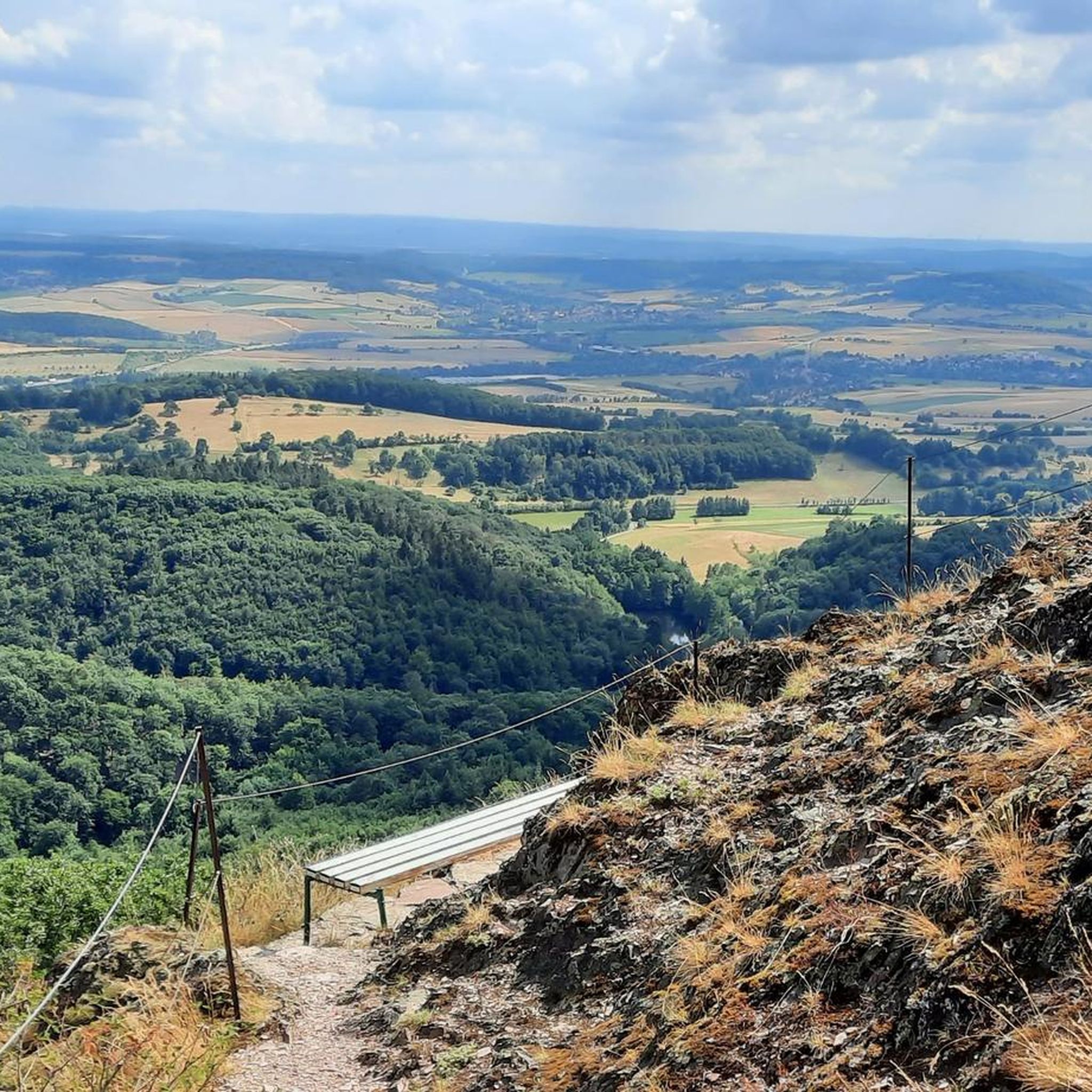
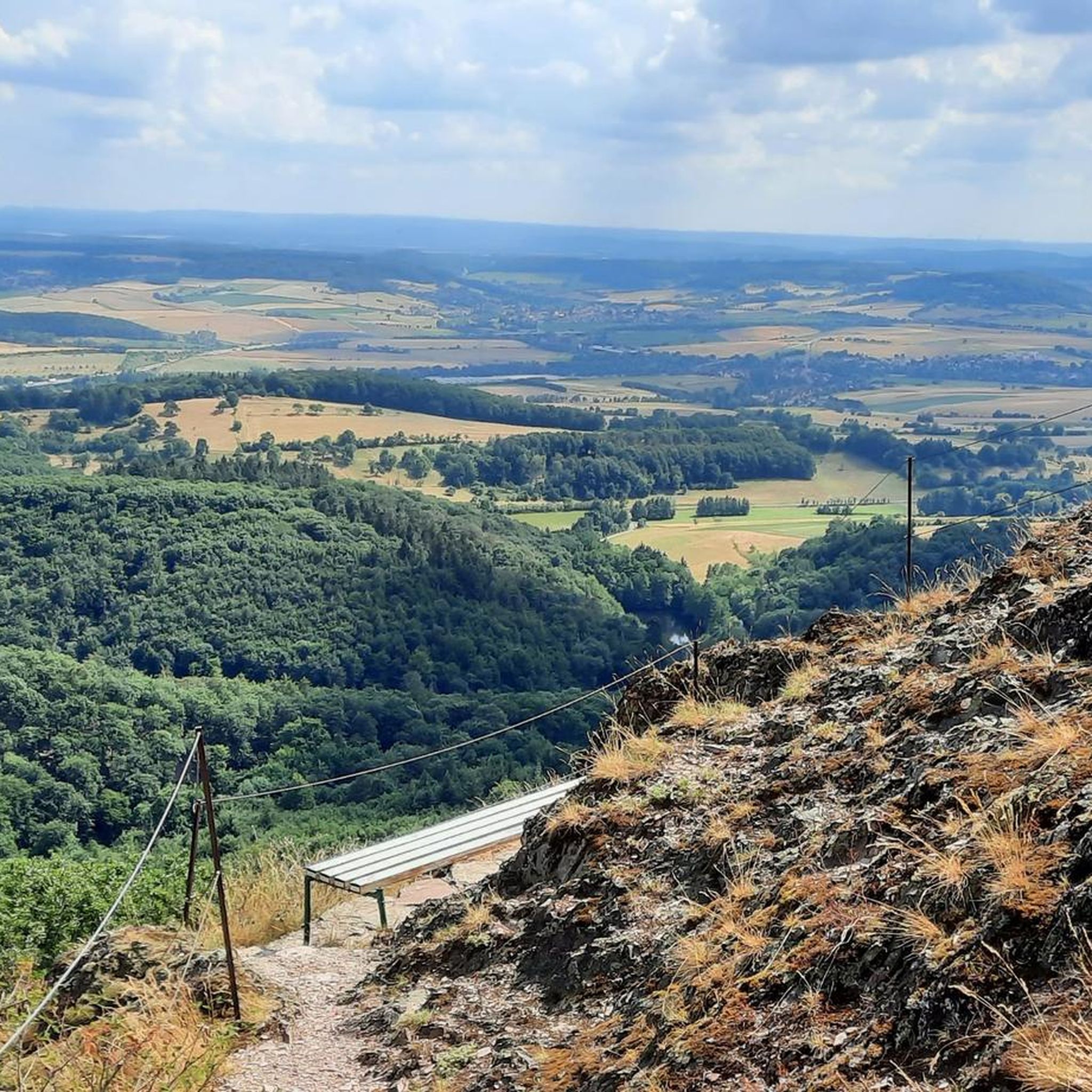
A beautiful place to slow down. You can also take a break here with a picturesque panoramic view.
0
0

Unfortunately, it's become rather neglected... what a shame.
3
0

Unfortunately, it only opens 1-2 days a month during the summer months. Check in advance!
1
0

Part of the mining history around Imsbach. An information board provides information about iron ore mining.
6
1

Mining was already taking place here in Roman times. From 1941 onwards it was no longer profitable to operate such small mines!
3
0

The stairs to the shrine of the Madonna
1
0
Frequently Asked Questions
What kind of 'caves' can I explore around Imsbach?
The 'caves' around Imsbach are primarily historical mining tunnels, not natural geological formations. This region is part of the "BergbauErlebnisWelt" (Mining Experience World), offering unique opportunities to explore former ore extraction sites. You can discover a network of underground galleries and open-cast mines that showcase centuries of copper, silver, cobalt, and iron mining.
Which historical mining sites are open to visitors in Imsbach?
You can visit the White Mine — Visitor Mine (Weiße Grube), which is one of the oldest mines in the area with evidence of activity possibly dating back to Roman times, focusing on copper, silver, and cobalt. Another key site is the Maria Iron Ore Mine (Grube Maria), an over 250-year-old iron ore mine that provides insights into the strenuous work underground.
Are there any natural caves or unique rock formations to see?
Yes, you can visit the Börrstadt Hermitage. This unique site features niches carved into the rock and remains of an earlier dwelling from the 15th century, allowing visitors to imagine how a hermit lived there, possibly as a healer.
What historical insights can I gain from visiting the mines?
The mines offer a deep dive into the region's mining past. At the White Mine — Visitor Mine, you can observe traces of mining from the last 600 years, including areas worked with mallets and iron from the Middle Ages, and later workings created with explosives. The Maria Iron Ore Mine specifically highlights the history of iron ore mining and the challenging conditions faced by miners.
Are the mining sites around Imsbach suitable for families?
Yes, the "Mining Experience World" in Imsbach, which includes sites like the Maria Iron Ore Mine, offers family-friendly adventures and time-travel experiences. The mining trails also provide an engaging way for families to learn about the area's history.
What are the mining trails in Imsbach?
Imsbach features several mining trails, such as the "Kupferweg" (Copper Trail) and "Eisenweg" (Iron Path). These trails lead past other historical mining sites like the "Teufelsstollen" (Devil's Adit), the "Theodor Shaft," and the Katharina I Mine, which is an impressive open-cast mine. Information boards along these paths explain the history of various mining activities.
Is there a museum related to the mining history in Imsbach?
Yes, the Palatine Mining Museum in Imsbach's center complements the mine visits. It showcases an extensive collection of minerals and historical mining tools and equipment, serving as an excellent starting point for exploring the "BergbauErlebnisWelt."
What outdoor activities can I do near the Imsbach caves?
The area around Imsbach offers various outdoor activities. You can find numerous hiking routes, such as the moderate 'View of Imsbach – Kupferberg Hut loop' or the more difficult 'Börrstadt Hermitage – Adlerbogen Viewpoint loop'. For cyclists, there are options like the 'Pond in the Langental valley – Kronbuchhütte loop'. You can explore more routes in the Hiking around Imsbach and Cycling around Imsbach guides.
What should I wear when visiting the mines?
Inside the mines, temperatures can be consistently cool, even in summer. It's recommended to wear sturdy shoes and bring a jacket or warm layers. While electric lights are installed in some areas, bringing a torch or headlamp is often recommended for a better experience, especially in the White Mine — Visitor Mine.
What is the best time of year to visit the Imsbach mining sites?
The mining sites and trails can be visited throughout much of the year. Spring and autumn offer pleasant weather for exploring the outdoor mining trails and hiking routes. During winter, some outdoor trails might be less accessible due to weather, but the visitor mines typically remain open, providing a unique experience regardless of the season.
Is there parking available near the Imsbach mining sites?
Parking facilities are generally available near the main visitor mines and the Palatine Mining Museum in Imsbach. Specific details for each site can often be found on local signage or official websites upon arrival.
What is the 'Iron Gate' and can I enter it?
The Iron Gate is a historical site marking the beginning of the iron path, where a tunnel was started in 1773 for iron mining. It served to derive pit water and supply fresh air. While historically significant, the entrance is currently flooded and not accessible for entry.
Most popular attractions around Imsbach

Get inspired with the komoot mobile app


Explore more
Extend your search for the best caves by checking out these guides of the top ones around Imsbach:
