Top 6 Caves around Teschenmoschel
Caves around Teschenmoschel primarily feature historical mining sites rather than natural cave systems. The region, located in Germany, is known for its rich mining history, particularly for copper, cobalt, and silver. These underground features offer insights into past industrial activities and geological formations. The area provides opportunities to explore historical sites that have been shaped by centuries of human interaction with the landscape.
Best caves around Teschenmoschel
- The most popular caves is Katharina I Mine, a historical site that…
Last updated: April 29, 2026
Katharina I Mine
Highlight • Historical Site
Translated by Google •
Tip by

Lourdes Grotto Falkenstein
Highlight • Religious Site
Translated by Google •
Tip by

Sign up now to discover places like this
Get recommendations on the best single tracks, peaks, & plenty of other exciting outdoor places.
Sign up for free
Bienstandstollen Copper Mine
Highlight • Cave
Translated by Google •
Tip by

Entrance to the Teufelsstollen
Highlight • Cave
Translated by Google •
Tip by

Nativity Scene at Falkensteiner Gorge
Highlight • Structure
Translated by Google •
Tip by

Sign up for free to discover even more caves around Teschenmoschel.
Sign up for free
Already have an account?
Start today with a free account
Your next adventure awaits.
Login or Signup

Tips from the Community

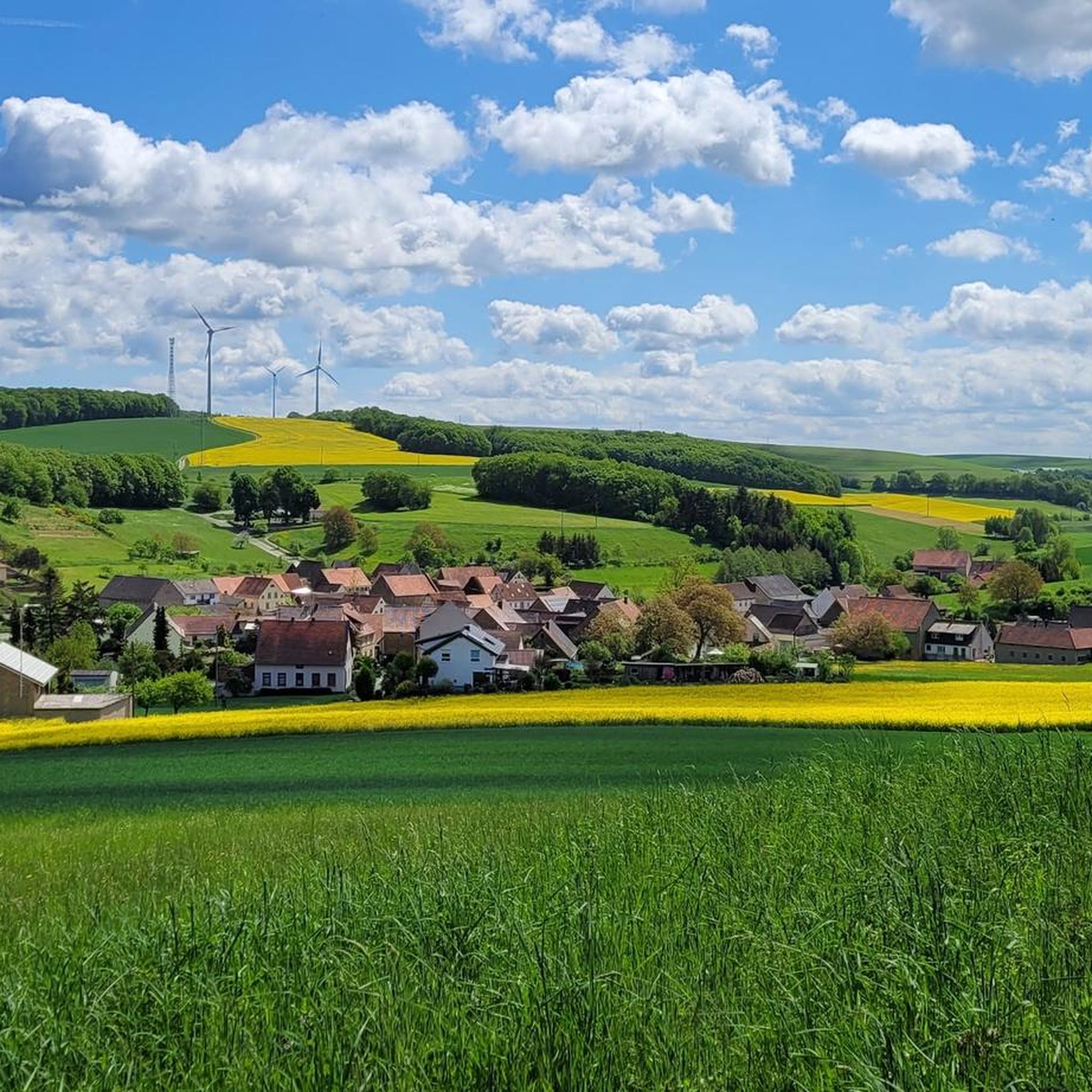
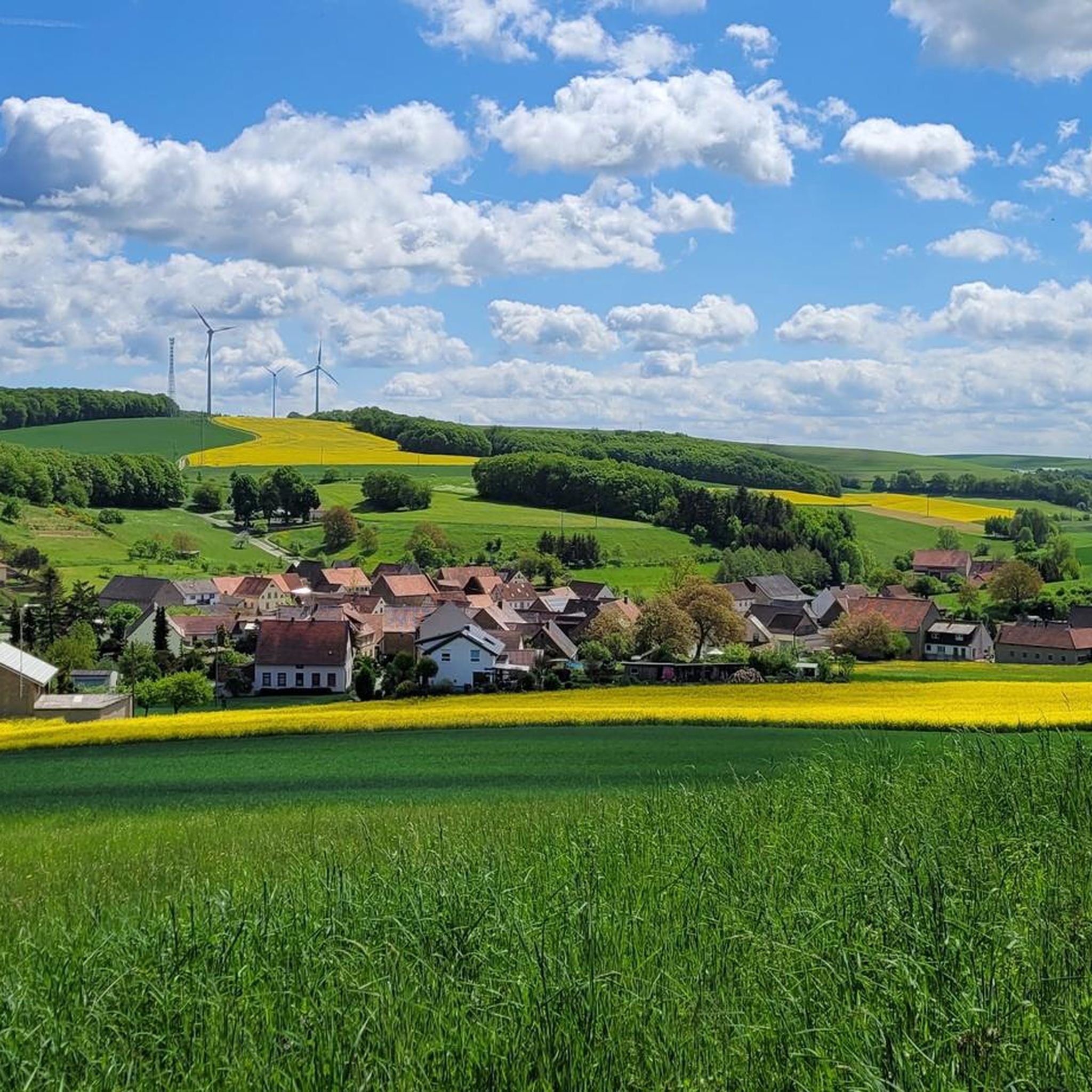
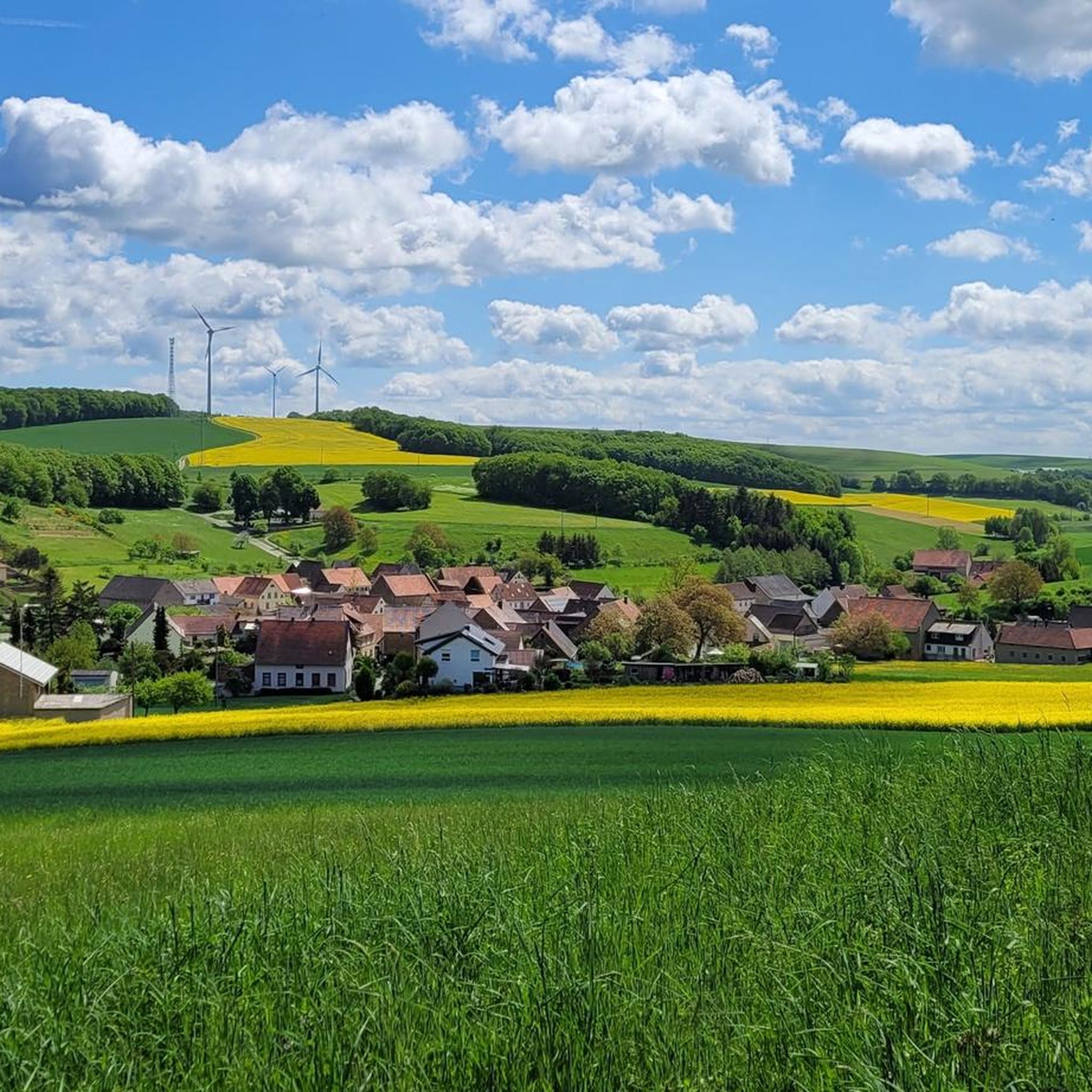
A beautiful place to slow down. You can also take a break here with a picturesque panoramic view.
0
0

should be seen once
0
0
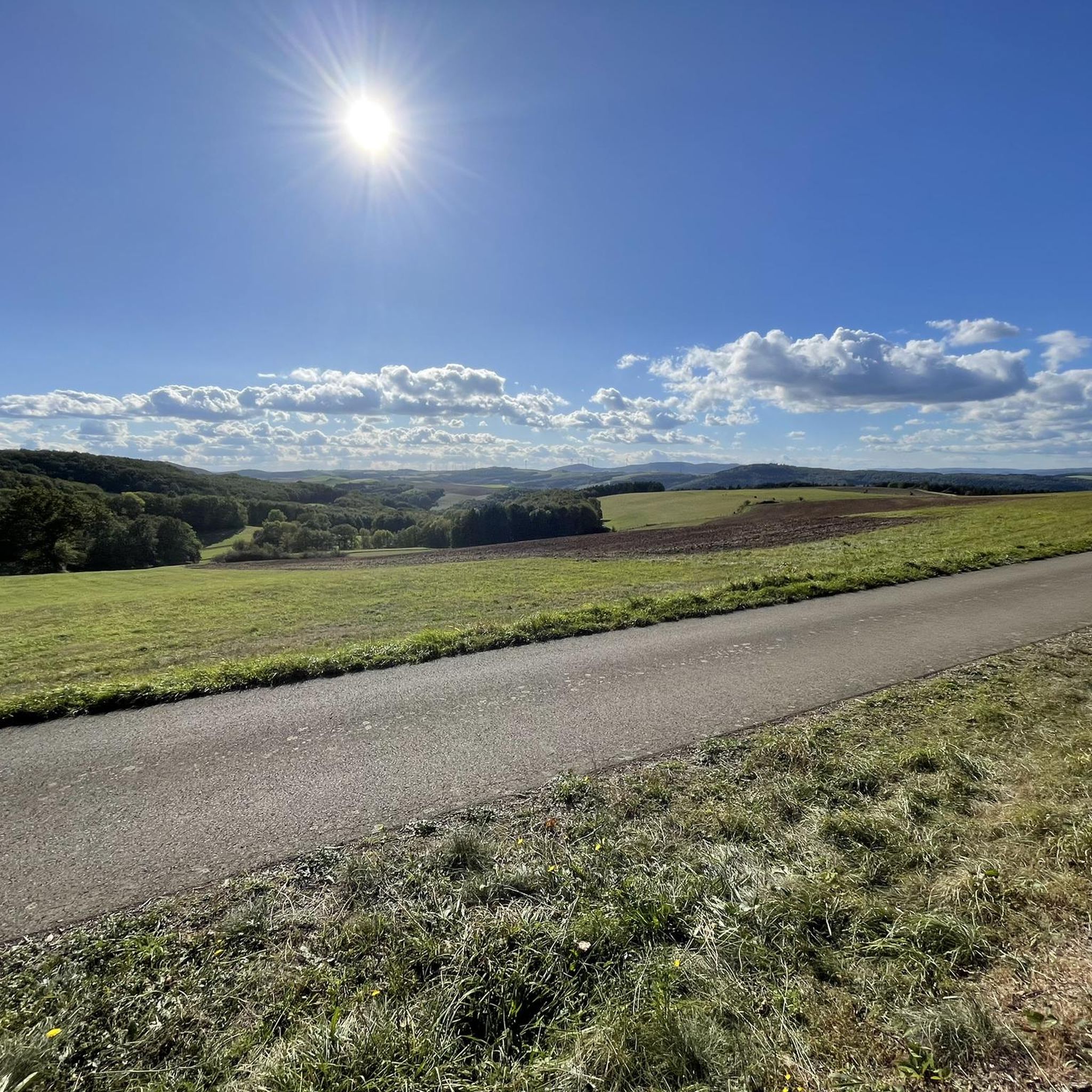
Always worth a visit, great landscape
0
0

Everything has an end, only a sausage has two… and every fence has a hole somewhere.
8
1
Unfortunately, it's become rather neglected... what a shame.
3
0
One of the last exploratory tunnels in this area in the search for ore deposits
6
1

I think that's very nice.
0
0

oldest copper mines in the Imsbach mining area
2
0
Frequently Asked Questions
What kind of "caves" can I expect to find around Teschenmoschel?
The Teschenmoschel region is primarily known for historical mining sites rather than natural cave systems with stalactites. These underground features offer insights into past industrial activities, particularly copper, cobalt, and silver mining, and showcase geological formations shaped by centuries of human interaction.
Which historical mining sites are most prominent around Teschenmoschel?
The most popular site is the Katharina I Mine, which was operational as early as the 14th century. Other notable sites include the Entrance to the Teufelsstollen, an experimental tunnel from the Imsbach mining area, and the B-Tunnel Katharinental, another experimental mine for copper ore.
Are there any family-friendly cave experiences in the Teschenmoschel area?
Yes, sites like the Bienstandstollen Copper Mine and the Entrance to the Teufelsstollen are considered family-friendly. Visitors often find the historical context and the opportunity to see the old tunnels engaging for all ages.
What is the <a href="https://www.komoot.com/highlight/608357" target="_blank" rel="noopener">Katharina I Mine</a> known for?
The Katharina I Mine is one of the oldest copper mines in the Imsbach district, with operations dating back to the 14th century. It was also a source for cobalt and occasionally silver. Today, visitors can observe older tunnels within impressive open-pit walls, reflecting its long history.
Can I explore the tunnels at these historical mining sites?
While many tunnels are closed for preservation or to protect wildlife, some sites, like the Bienstandstollen Copper Mine, allow visitors to enter a short distance into the tunnel, often with a flashlight. Information boards at sites like the B-Tunnel Katharinental explain the historical construction methods.
What other unique underground sites can I visit besides the main mines?
Beyond the historical mines, you can also visit the Lourdes Grotto Falkenstein. This is a small rock grotto with a Madonna statue, located near the Falkenstein castle ruins, offering a quiet place for reflection.
Are there hiking trails that incorporate these cave sites?
Yes, the region offers various hiking opportunities. You can find routes like the 'Rofßberg Summit – Roman Ruins loop from Becherbach' or 'View over the "Old World" – Felsbergerhof Beer Garden loop from Rathskirchen' that allow you to explore the landscape around these historical sites. For more options, refer to the Hiking around Teschenmoschel guide.
What is the best time of year to visit the caves around Teschenmoschel?
The historical mining sites and grottoes around Teschenmoschel can generally be visited year-round. However, spring and autumn offer pleasant temperatures for exploring the outdoor areas and surrounding hiking trails. Always check local conditions before your visit.
Do I need any special equipment or permits to visit these sites?
For most publicly accessible historical mining sites, no special permits are required. While some tunnels can be entered a short distance, a flashlight is recommended. Always respect barriers and signage, as many tunnels are closed for safety or environmental reasons.
What do visitors say about the <a href="https://www.komoot.com/highlight/608680" target="_blank" rel="noopener">Bienstandstollen Copper Mine</a>?
Visitors describe the Bienstandstollen Copper Mine as very impressive and exciting for both amateur geologists and children. They note the presence of pretty, green, and turquoise copper ore inclusions in the rocks and appreciate the opportunity to go a little way into the tunnel with a flashlight.
How long does it typically take to explore one of these mining sites?
Exploring an individual mining site, such as the Katharina I Mine or the Entrance to the Teufelsstollen, usually takes between 30 minutes to an hour, depending on your interest in the historical details and geological features. Allow more time if you plan to combine it with nearby walks.
What is the significance of the <a href="https://www.komoot.com/highlight/2901800" target="_blank" rel="noopener">Entrance to the Teufelsstollen</a>?
The Entrance to the Teufelsstollen is significant as one of the last experimental tunnels excavated in the Imsbach mining area between 1917 and 1921. It represents a desperate search for new ore deposits, though it ultimately proved unmineable. An interesting local legend also surrounds its history.
Can I find any natural caves with stalactites or similar formations near Teschenmoschel?
Teschenmoschel itself is not known for extensive natural cave systems with stalactites. The region's underground attractions are predominantly historical mining tunnels and man-made grottoes. For natural caves with such formations, you would need to travel to other regions in Germany, such as Bavaria's Teufelshöhle (Devil's Cave).
Most popular routes around Teschenmoschel
Most popular attractions around Teschenmoschel

Get inspired with the komoot mobile app


Explore more
Extend your search for the best caves by checking out these guides of the top ones around Teschenmoschel:
