Top 8 Caves around Heiligenmoschel
Best caves around Heiligenmoschel are primarily historical mines and underground sites located in the surrounding Rhineland-Palatinate region. While natural caves are not prominent directly within Heiligenmoschel, the area offers insights into centuries of industrial heritage. The landscape is characterized by its geological history, which supported extensive mining operations for copper and iron ore. These sites provide a unique perspective on the region's past economic activities and geological formations.
Best caves around Heiligenmoschel
- The most popular caves is Katharina I Mine…
Last updated: June 27, 2026
Iron Gate
Highlight • Historical Site
Translated by Google •
Tip by

White Mine — Visitor Mine
Highlight • Historical Site
Translated by Google •
Tip by
Sign up now to discover places like this
Get recommendations on the best single tracks, peaks, & plenty of other exciting outdoor places.
Sign up for free
Katharina I Mine
Highlight • Historical Site
Translated by Google •
Tip by

Maria Iron Ore Mine
Highlight • Historical Site
Translated by Google •
Tip by

Lourdes Grotto Falkenstein
Highlight • Religious Site
Translated by Google •
Tip by

Sign up for free to discover even more caves around Heiligenmoschel.
Sign up for free
Already have an account?
Start today with a free account
Your next adventure awaits.
Login or Signup

Tips from the Community

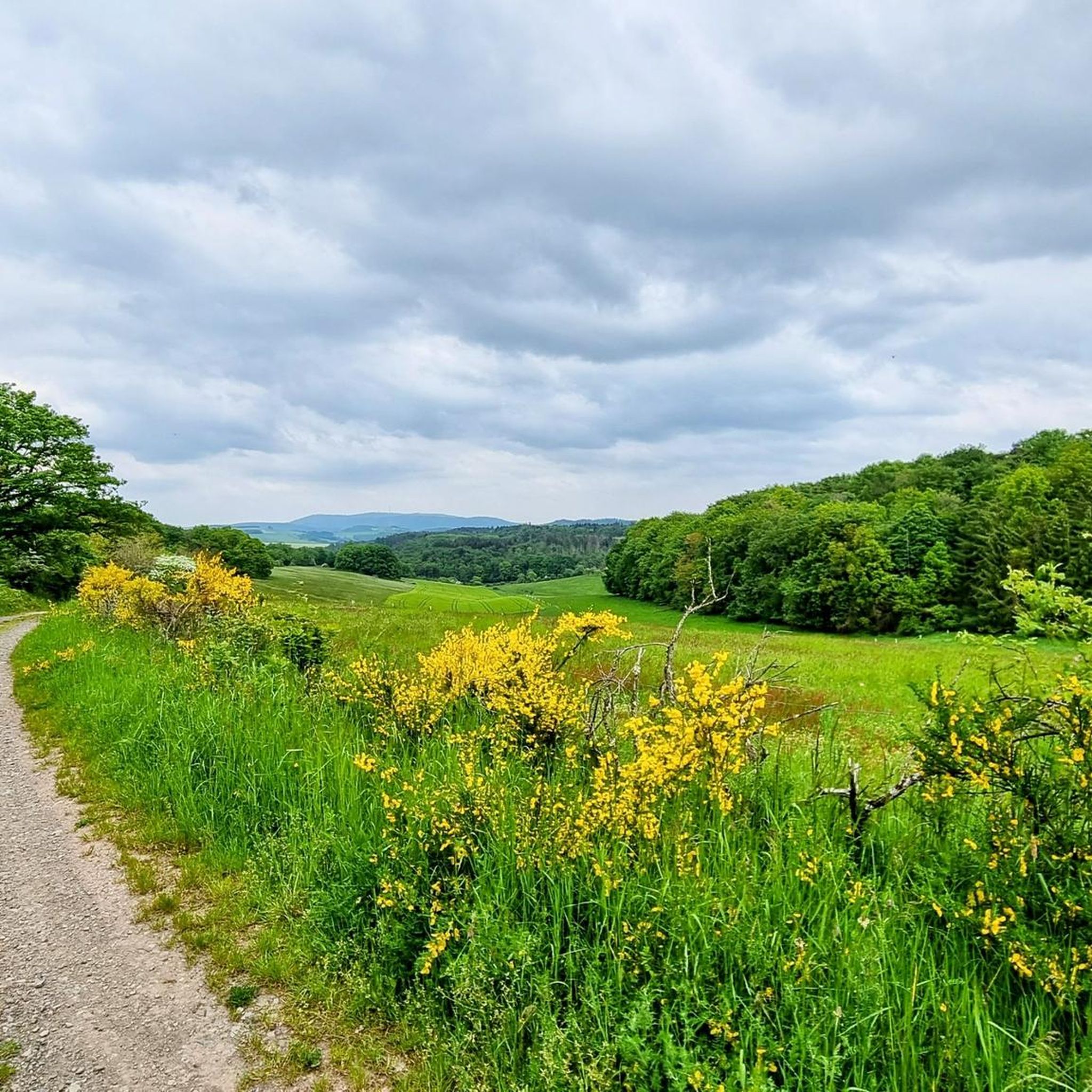
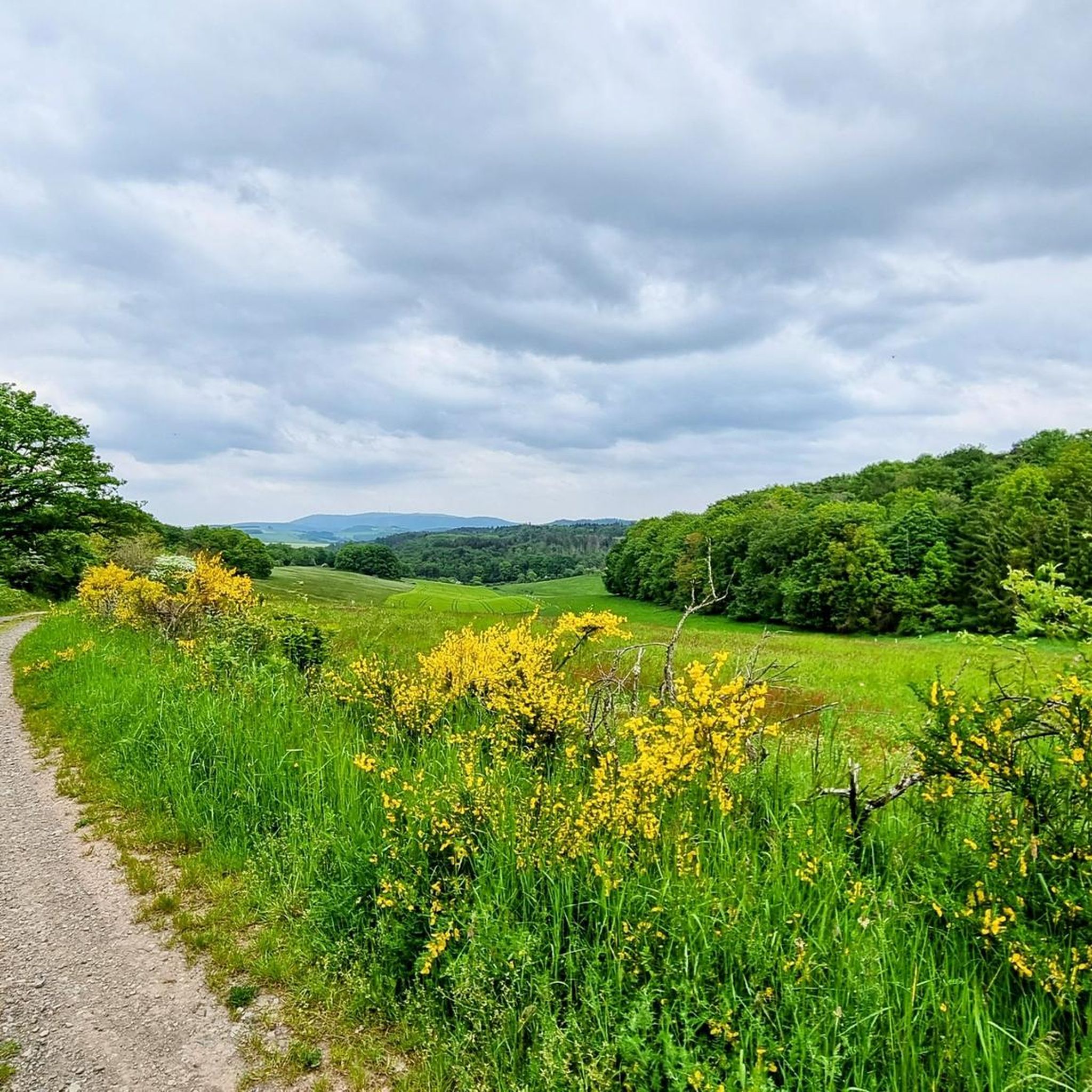
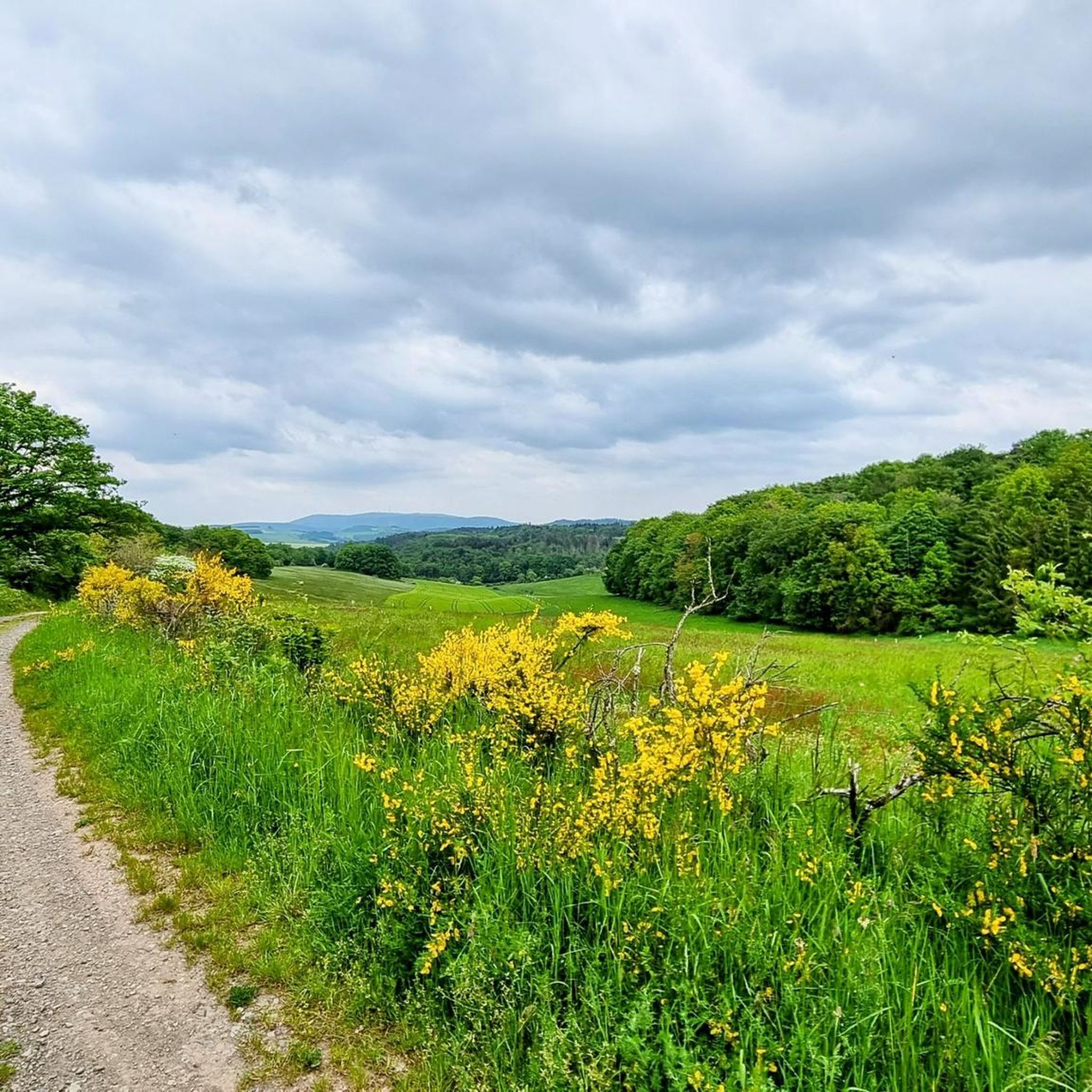
A beautiful place to slow down. You can also take a break here with a picturesque panoramic view.
0
0

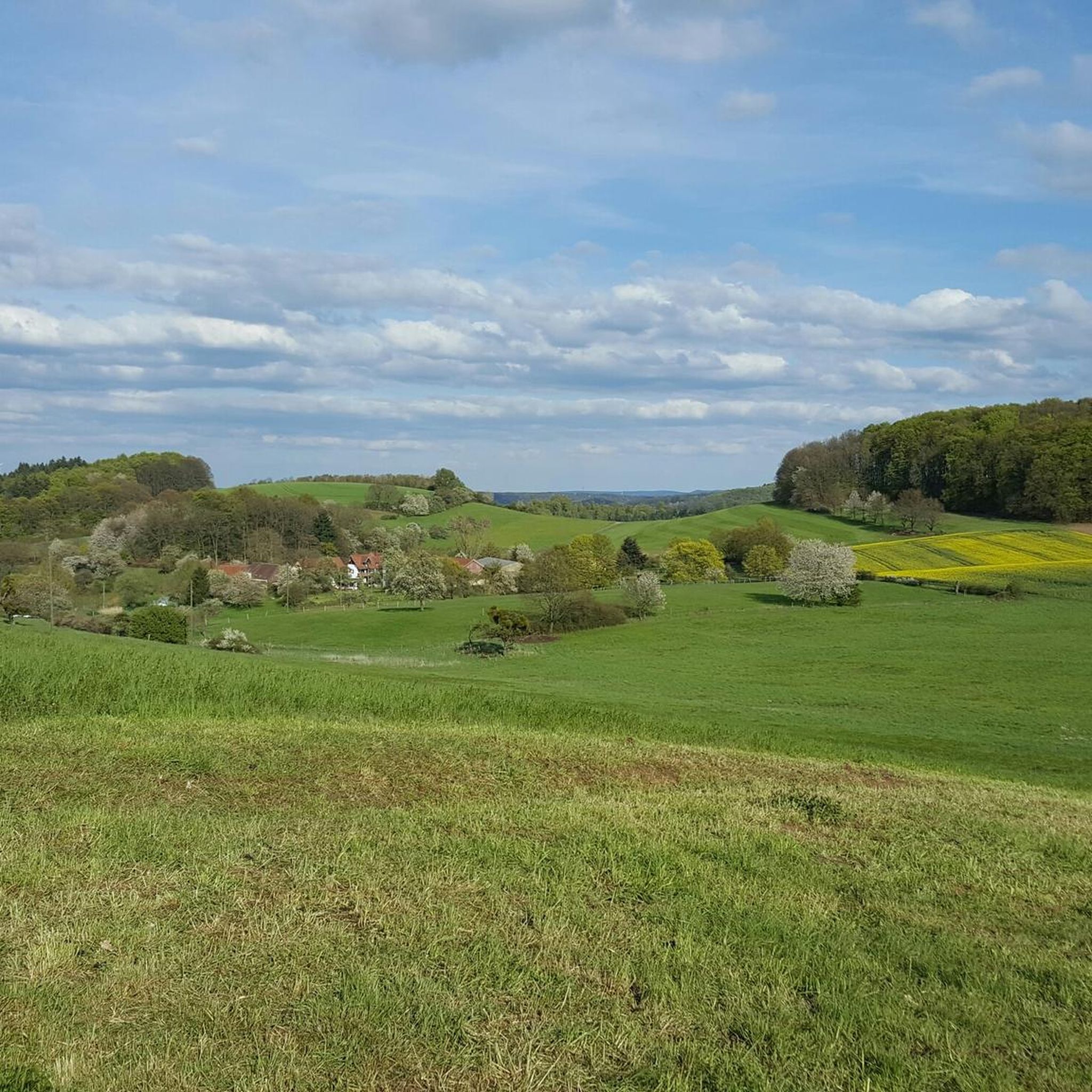
Always worth a visit, great landscape
0
0

Everything has an end, only a sausage has two… and every fence has a hole somewhere.
8
1
Unfortunately, it's become rather neglected... what a shame.
3
0

Unfortunately, it only opens 1-2 days a month during the summer months. Check in advance!
1
0

oldest copper mines in the Imsbach mining area
2
0

Part of the mining history around Imsbach. An information board provides information about iron ore mining.
6
1
Frequently Asked Questions
What types of underground sites can I explore around Heiligenmoschel?
The area around Heiligenmoschel is known for its historical mines and underground sites, rather than prominent natural caves. These include ancient copper and iron ore mines, offering a deep dive into the region's industrial heritage and geological past. You can explore sites like the Katharina I Mine and the Maria Iron Ore Mine.
Are there any family-friendly underground attractions near Heiligenmoschel?
Yes, several sites are suitable for families. The Iron Gate, marking the start of the 'E' iron path, is listed as family-friendly. The White Mine — Visitor Mine also welcomes families, providing insights into the former miner's world.
What is the historical significance of the mines around Heiligenmoschel?
The mines in the region, such as the Katharina I Mine, have a rich history, with operations potentially dating back to Roman times and confirmed activity in the 14th century. They were primarily used for mining copper, cobalt, and iron ore, playing a crucial role in the region's economic development. Sites like the Iron Gate also highlight historical engineering efforts for ventilation and water drainage.
Are there any natural caves in the broader Rhineland-Palatinate region?
While Heiligenmoschel itself is known for historical mines, the broader Rhineland-Palatinate region does feature natural caves. Notable examples include the impressive shell-shaped Genoveva Cave near Kordel, which has provided shelter for thousands of years, and the Bears' Cave in Rodalben, a natural monument made of red sandstone with a spring and waterfall.
What kind of outdoor activities can I combine with a visit to the caves?
The area around Heiligenmoschel offers various outdoor activities. You can find numerous hiking trails, such as the 'View of Donnersberg – Reiserberg Sundial loop' or the 'Menhir "Hinkelstein" – Forest Art Trail loop'. For cycling enthusiasts, there are road cycling and gravel biking routes available. You can explore more options on the Hiking around Heiligenmoschel, Road Cycling Routes around Heiligenmoschel, and Gravel biking around Heiligenmoschel guide pages.
What is the best time to visit the underground sites around Heiligenmoschel?
Many historical mines and underground sites, including visitor mines, often maintain a consistent cool temperature year-round, making them suitable for visits in various seasons. However, it's always advisable to check specific opening hours and accessibility, especially during winter months, as some outdoor access points or visitor facilities might have seasonal considerations.
What should I wear when visiting the mines and underground sites?
Due to the consistent cool temperatures underground, even in summer, it is recommended to wear warm clothing and sturdy, closed-toe shoes. Some areas might be damp or have uneven surfaces. If you plan to explore any trails leading to the sites, comfortable hiking attire is also advisable.
Are there any unique geological features to observe in the region?
Yes, the region's landscape is shaped by its geological history, which facilitated extensive mining. Beyond the historical mines, you can find unique formations like the Lavakeller in Mendig, which are extensive underground cellars formed within cooled volcanic rock. These 'cathedral-like halls' showcase the region's volcanic past and its impact on local industries.
What do visitors appreciate most about the caves and mines near Heiligenmoschel?
Visitors frequently appreciate the unique glimpse into centuries of mining history and industrial heritage. The opportunity to see impressive open-pit walls, older tunnels, and learn about past ore extraction efforts is a major draw. The historical context and the chance to explore these man-made underground structures are highly valued by the komoot community.
Can I find accommodation or places to eat near the caves?
While specific cafes or pubs directly adjacent to every mine entrance might be limited, Heiligenmoschel and its surrounding communities offer various options for accommodation, cafes, and restaurants. It's recommended to check local listings for places to stay and dine within a short driving distance of the sites you plan to visit.
Are there any religious grottoes in the area?
Yes, the region also features religious grottoes. An example is the Lourdes Grotto Falkenstein, a quiet place with a Madonna in a small rock grotto, located near the Falkenstein castle ruins. These sites offer a different kind of underground or rock-sheltered experience.
How long does it typically take to explore these underground sites?
The duration of a visit can vary depending on the specific site. For historical mines like the White Mine — Visitor Mine, guided tours might last an hour or more. Other sites, such as the Iron Gate, might be quicker to observe as part of a longer hike. It's best to check the specific visitor information for each location to plan your time accordingly.
Most popular routes around Heiligenmoschel
Most popular attractions around Heiligenmoschel

Get inspired with the komoot mobile app


Explore more
Extend your search for the best caves by checking out these guides of the top ones around Heiligenmoschel:
