Top 17 Caves around Ramberg
Caves around Ramberg are primarily found in the Palatinate Forest region of Germany, known for its sandstone formations and historical sites. This area features a landscape characterized by dense forests, rock massifs, and numerous natural and man-made grottoes. The geological makeup of the Palatinate Forest has created various cave-like structures and rock shelters. Visitors can explore a mix of natural rock formations and historical sites with cave elements.
Best caves around Ramberg
- The most popular caves is Felsenmeer rock formations…
Last updated: June 27, 2026
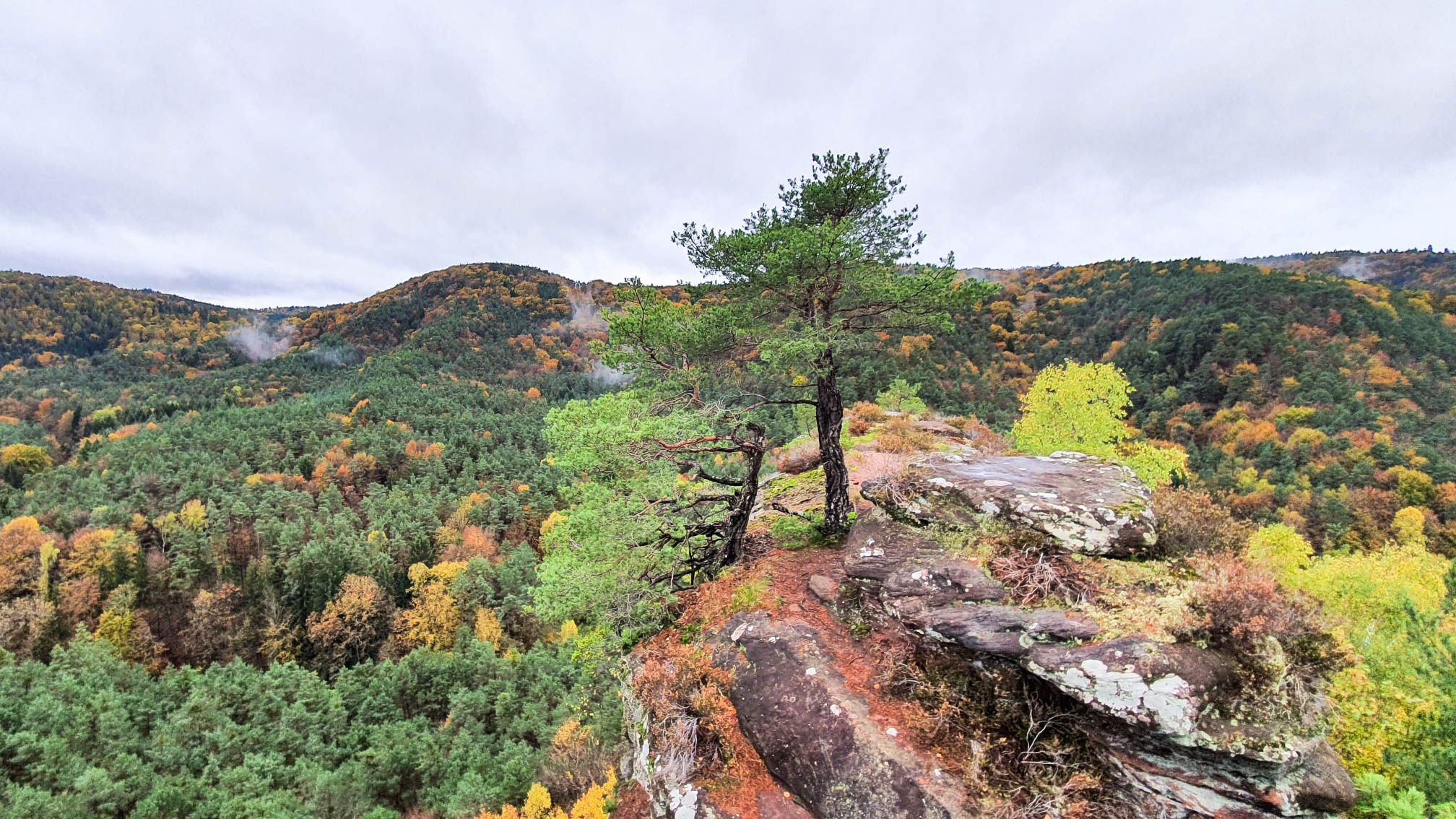
Felsenmeer rock formations
Highlight (Segment) • Natural Monument
Showing Translation
Tip by

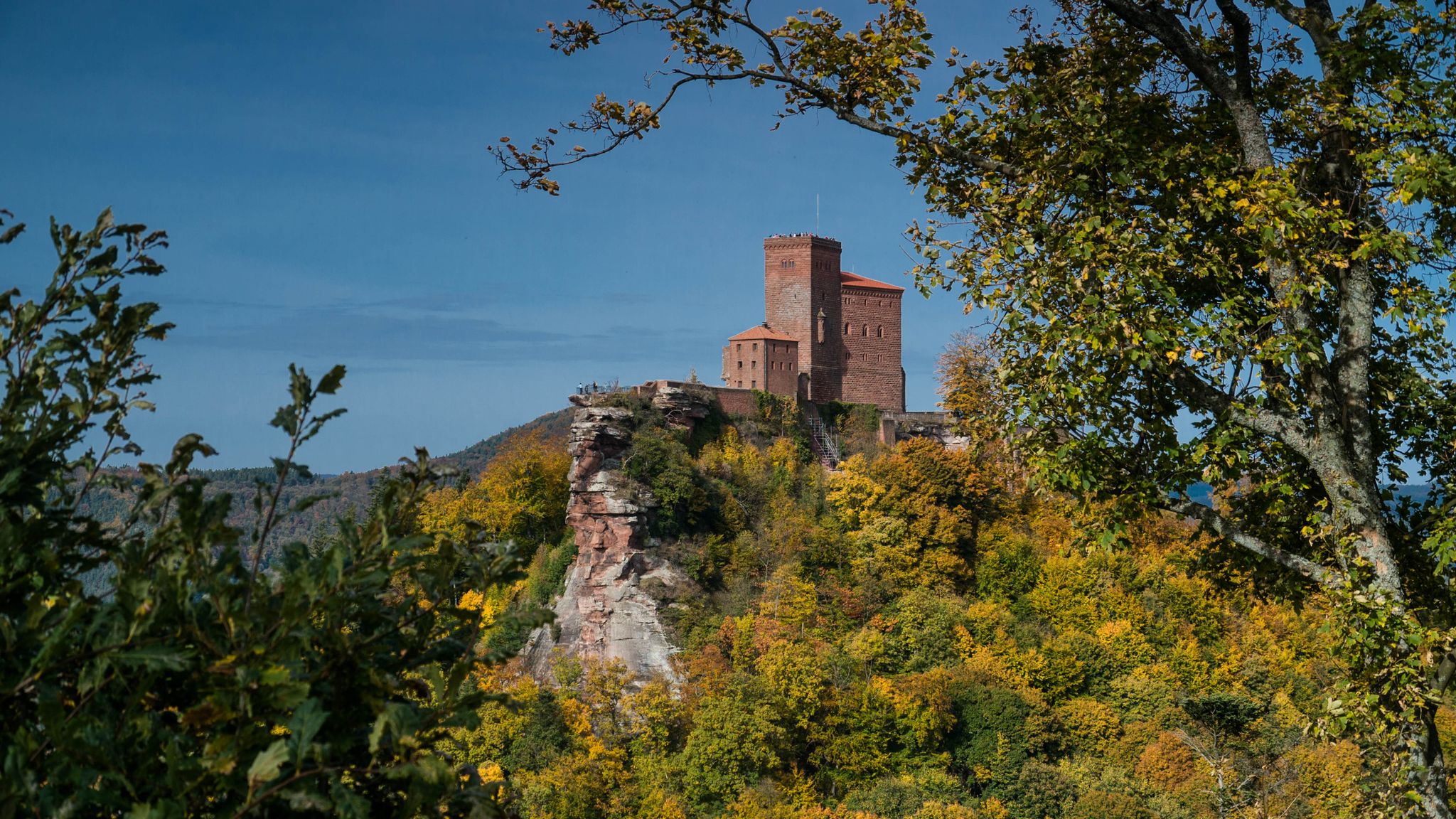
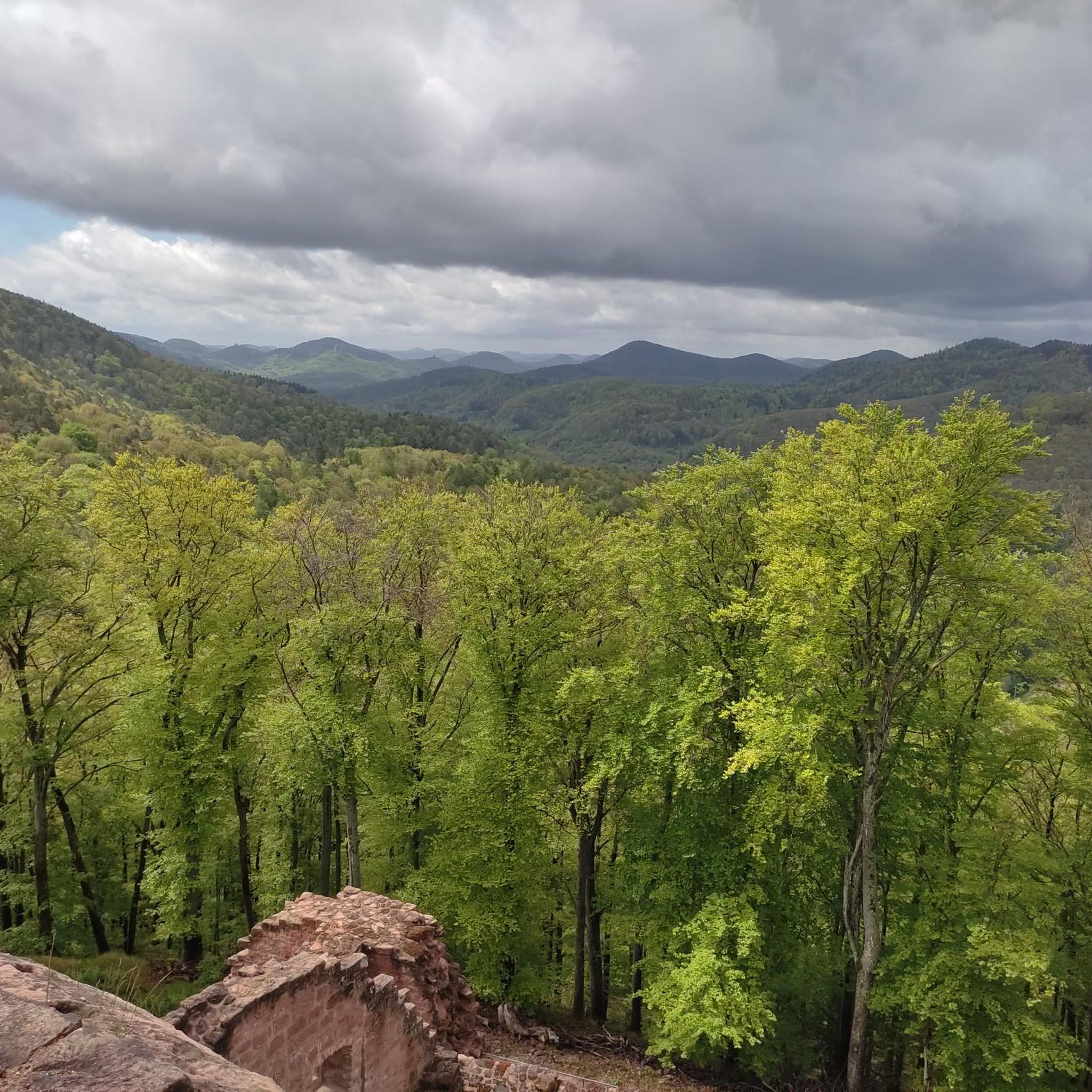
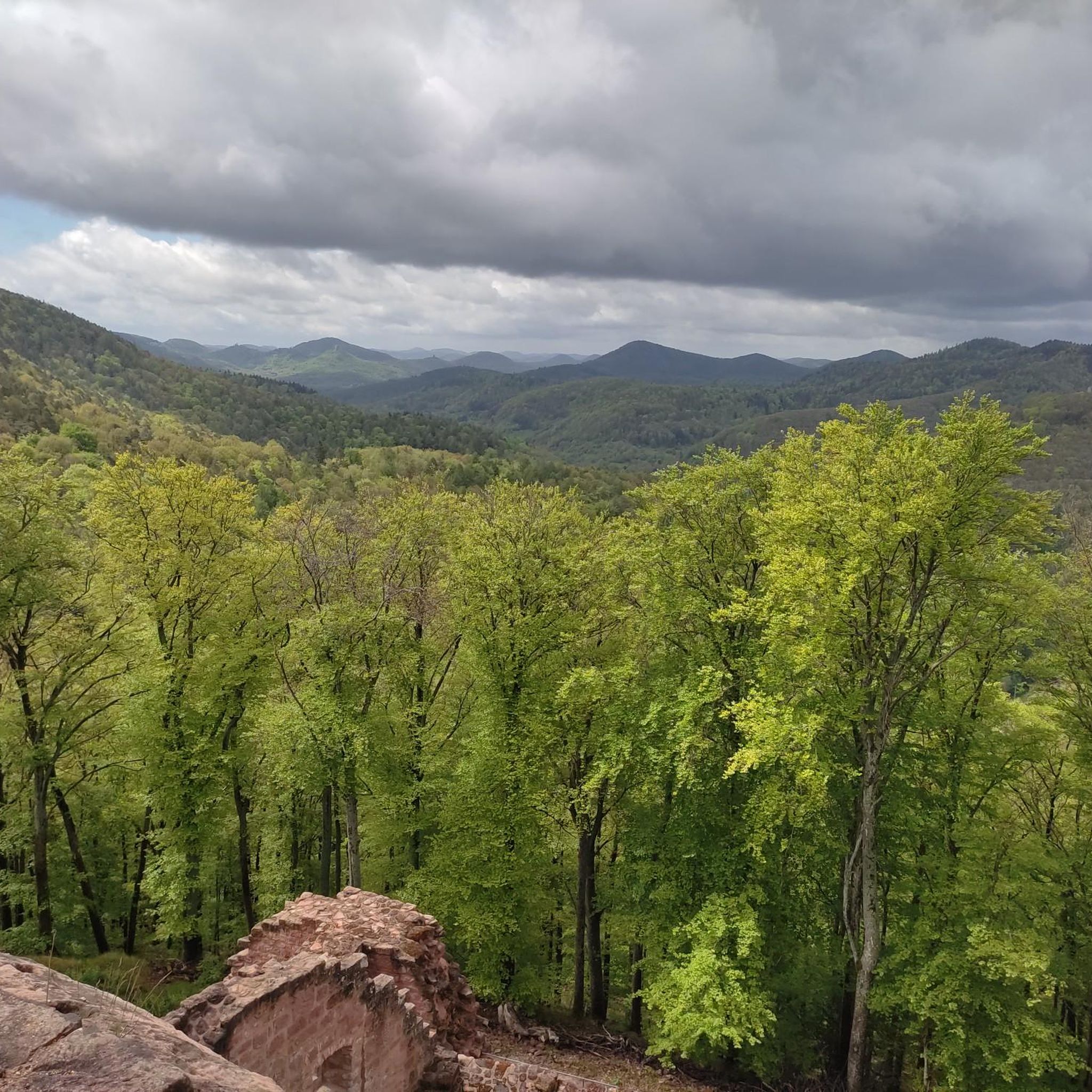
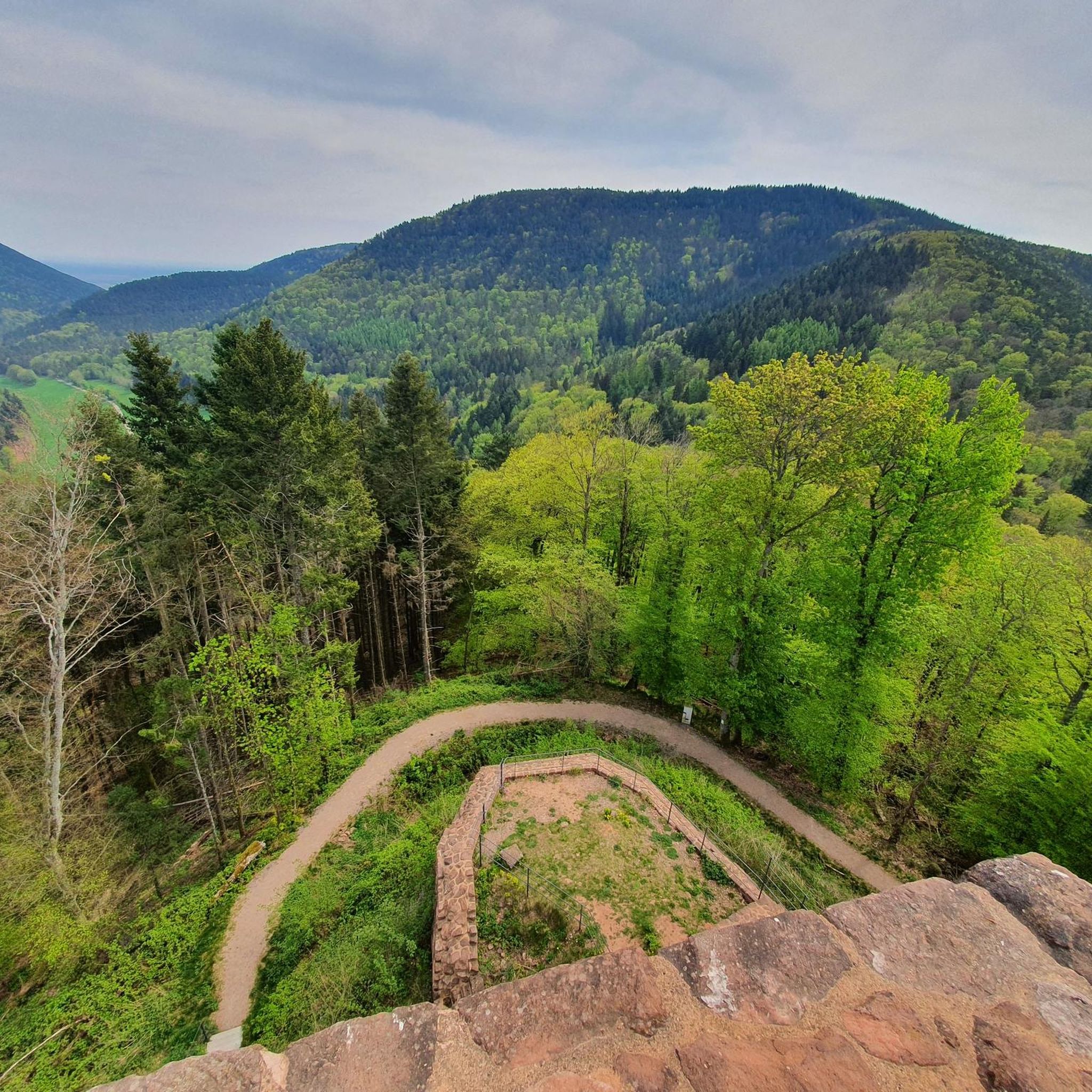
Ramburg Castle Ruins
Highlight • Castle
Translated by Google •
Tip by

Sign up now to discover places like this
Get recommendations on the best single tracks, peaks, & plenty of other exciting outdoor places.
Sign up for free
Prelate's Chamber
Highlight • Cave
Translated by Google •
Tip by

Bürgermeisterstein Cave (Ritterstein No. 240)
Highlight • Cave
Translated by Google •
Tip by

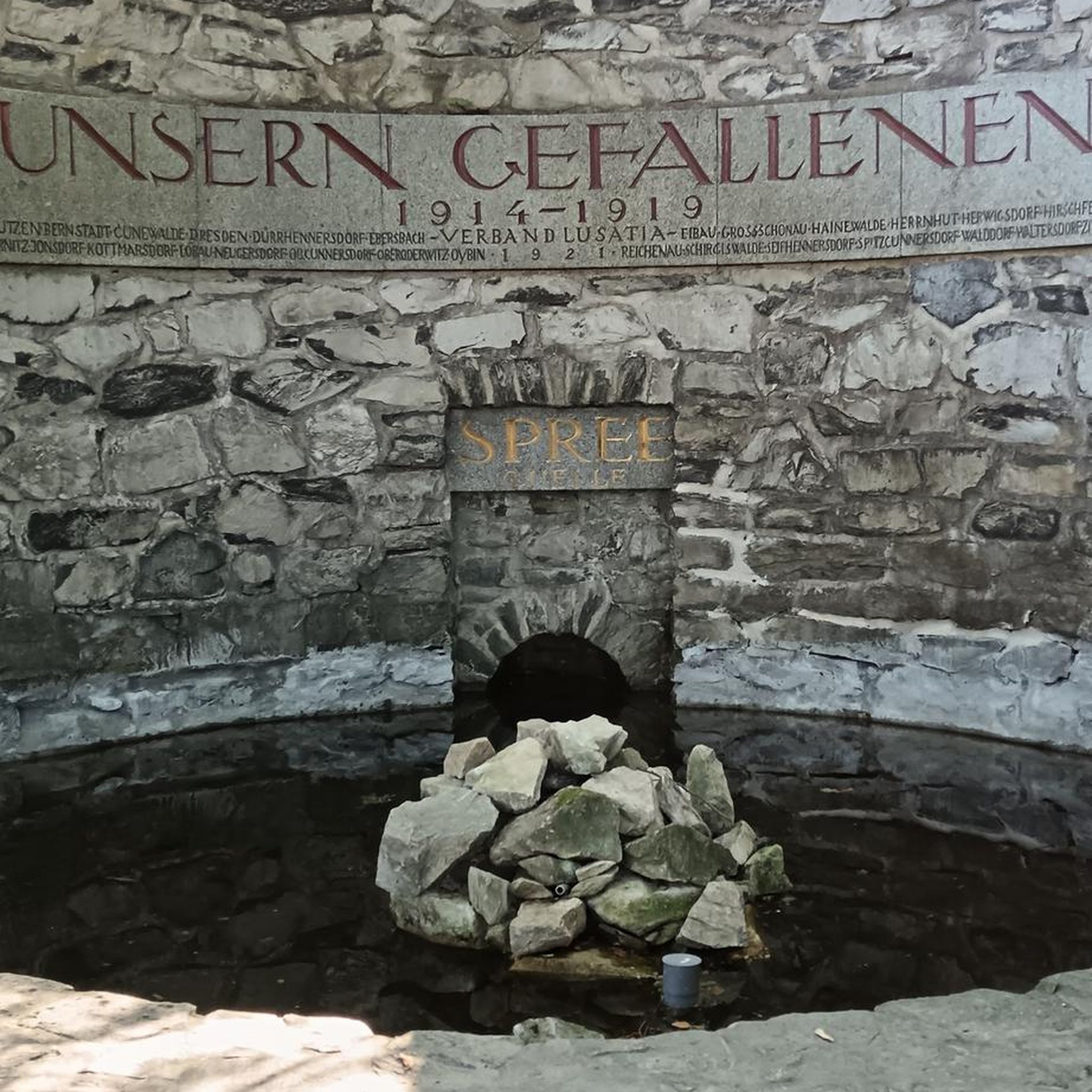
Lourdes Grotto Dernbach
Highlight • Religious Site
Translated by Google •
Tip by

Sign up for free to discover even more caves around Ramberg.
Sign up for free
Already have an account?
Start today with a free account
Your next adventure awaits.
Login or Signup


Tips from the Community

A highlight of the hike from Sankt Martin to Kalmit is the Felsenmeer. Many spectacular rock formations please the eye.
6
0

This artificially created Marian Grotto features a statue of the Virgin Mary and a small enclosed spring. Since then, the grotto has been renovated several times, and the spring had to be re-enclosed to ensure its long-term preservation.
6
0

This Lourdes Grotto is also a sign of solidarity between Catholics and Protestants in Dernbach: "Every Whit Monday, a Catholic service takes place at the Lourdes Grotto in Dernbach. The Protestant parish deliberately does not hold its own service on this day, but invites people to the service at the Lourdes Grotto." Source: https://www.bistum-speyer.de/bistum/oekumene/leitfaden/bewaehrte-praxisbeispiele/gottesdienst/gottesdienst-an-der-lourdesgrotte/
1
0

You can find a list of knight stones here: https://de.m.wikipedia.org/wiki/Liste_der_Rittersteine
0
0

You can go up the narrow crevice to a small cave
1
1

This knight's stone no. 240 PWV describes a small cave below the Hohe Loog.
3
0
Here, right on the path on the side of the hill, stands one of the Palatinate Forest Association's over 300 knight's stones. Its arrow points to the top right at the "Mayor's Stone". This stone contains a "small cave, on whose rock walls over 100 house marks [= a kind of signature or name seal] were carved between 1602 and 1634." Source (partly quoted verbatim): "Knight's Stones in the Palatinate Forest" by Walter Eitelmann, self-published by the Palatinate Forest Association, Neustadt/Wstr.
2
0

One of the numerous knight stones of the Palatinate: https://de.wikipedia.org/wiki/Liste_der_Rittersteine
4
0
Frequently Asked Questions
What types of caves can I explore around Ramberg?
The Ramberg area in the Palatinate Forest, Germany, offers a mix of natural rock formations, historical grottoes, and small cave-like structures. You'll find natural monuments like the Felsenmeer rock formations, challenging rock massifs such as the Prelate's Chamber, and historical sites like the Bürgermeisterstein Cave.
Are there any family-friendly cave experiences near Ramberg?
Yes, the Felsenmeer rock formations are suitable for families, with a narrow, easy-to-walk path below the rocks and detours to the outcrops. Additionally, the nearby Ramburg Castle Ruins, which includes some cave elements, is perfect for families with small children.
What historical sites with cave elements can I visit?
The Bürgermeisterstein Cave (Ritterstein No. 240) is a notable historical site. This small cave below the high Loog contains house marks carved in the 17th century. Another historical and religious site is the Lourdes Grotto Weyher, a beautiful and well-kept place for worship.
How challenging are the caves around Ramberg?
Difficulty varies. The Felsenmeer rock formations offer easy exploration on a narrow path. In contrast, the Prelate's Chamber is considered a challenging cave, featuring a narrow entrance leading to a dark chamber, making it an interesting experience for more adventurous visitors.
Are there any hidden gem caves or less-known spots?
The Prelate's Chamber is a rock massif somewhat off the standard routes. It's worth making a detour to experience its narrow entrance and dark chamber, offering a unique and less-traveled experience.
What outdoor activities can I combine with a visit to the caves?
The Ramberg area is excellent for various outdoor activities. You can find numerous running trails, including routes to St. Anna Chapel and Neuscharfeneck Castle Ruins. There are also many mountain hikes, such as the Hohe Loog Summit, and road cycling routes through the scenic Palatinate Forest.
Where can I find refreshments or cafes near the cave sites?
Near the Ramburg Castle Ruins, you can find the Ramburgschenke, which offers typical Palatinate home cooking and Rieslingschorle, perfect for a break after exploring.
What do visitors enjoy most about the caves around Ramberg?
Visitors appreciate the variety of experiences, from the easy exploration of the Felsenmeer rock formations to the challenging adventure of the Prelate's Chamber. The historical significance of sites like the Bürgermeisterstein Cave and the natural beauty of the Palatinate Forest are also highly valued.
Are there specific parking options for accessing the caves?
While specific cave parking isn't always detailed, for areas like the Ramburg Castle Ruins, which is close to some cave elements, parking spaces are available directly at the Dernbacher Haus. Access to other sites often involves forest paths and hiking trails from various starting points.
What kind of natural features are prominent in the Ramberg cave areas?
The region is characterized by dense forests, rock massifs, and sandstone formations. You'll encounter natural rock formations, rock shelters, and viewpoints offering scenic vistas of the Palatinate Forest, such as those found at the Felsenmeer rock formations and the Prelate's Chamber.
Can I find information about German show caves in general?
While the caves around Ramberg are primarily natural formations and historical sites, Germany does have various show caves across the country. You can find more general information about these at Wikipedia's list of show caves in Germany.
Most popular routes around Ramberg
Most popular attractions around Ramberg

Get inspired with the komoot mobile app


Explore more
Extend your search for the best caves by checking out these guides of the top ones around Ramberg:
