Top 9 Caves around Großbundenbach
Best caves around Großbundenbach are found in a region characterized by diverse geological formations, including sandstone and karst topography. This area offers a range of natural and man-made subterranean features. Visitors can explore ancient rock shelters and historical cave systems. The landscape around Großbundenbach provides opportunities to discover unique natural landmarks.
Best caves around Großbundenbach
- The most popular caves is Small Waterfall and Rocky Overhang (Palatinate), a waterfall and cave feature that provides a shaded and covered place for…
Last updated: June 27, 2026
Schlossberg Caves (Schlossberghöhlen, Homburg)
Highlight • Cave
Translated by Google •
Tip by

Elend Cave
Highlight • Cave
Translated by Google •
Tip by

Sign up now to discover places like this
Get recommendations on the best single tracks, peaks, & plenty of other exciting outdoor places.
Sign up for free
Paleolithic Rock Shelter
Highlight • Cave
Translated by Google •
Tip by

Small Waterfall and Rocky Overhang (Palatinate)
Highlight • Waterfall
Translated by Google •
Tip by

Schlangenhöhlen (Snake Caves)
Highlight • Cave
Translated by Google •
Tip by

Sign up for free to discover even more caves around Großbundenbach.
Sign up for free
Already have an account?
Start today with a free account
Your next adventure awaits.
Login or Signup
Tips from the Community

Here you will find the Schlossberg caves, very beautiful
10
0

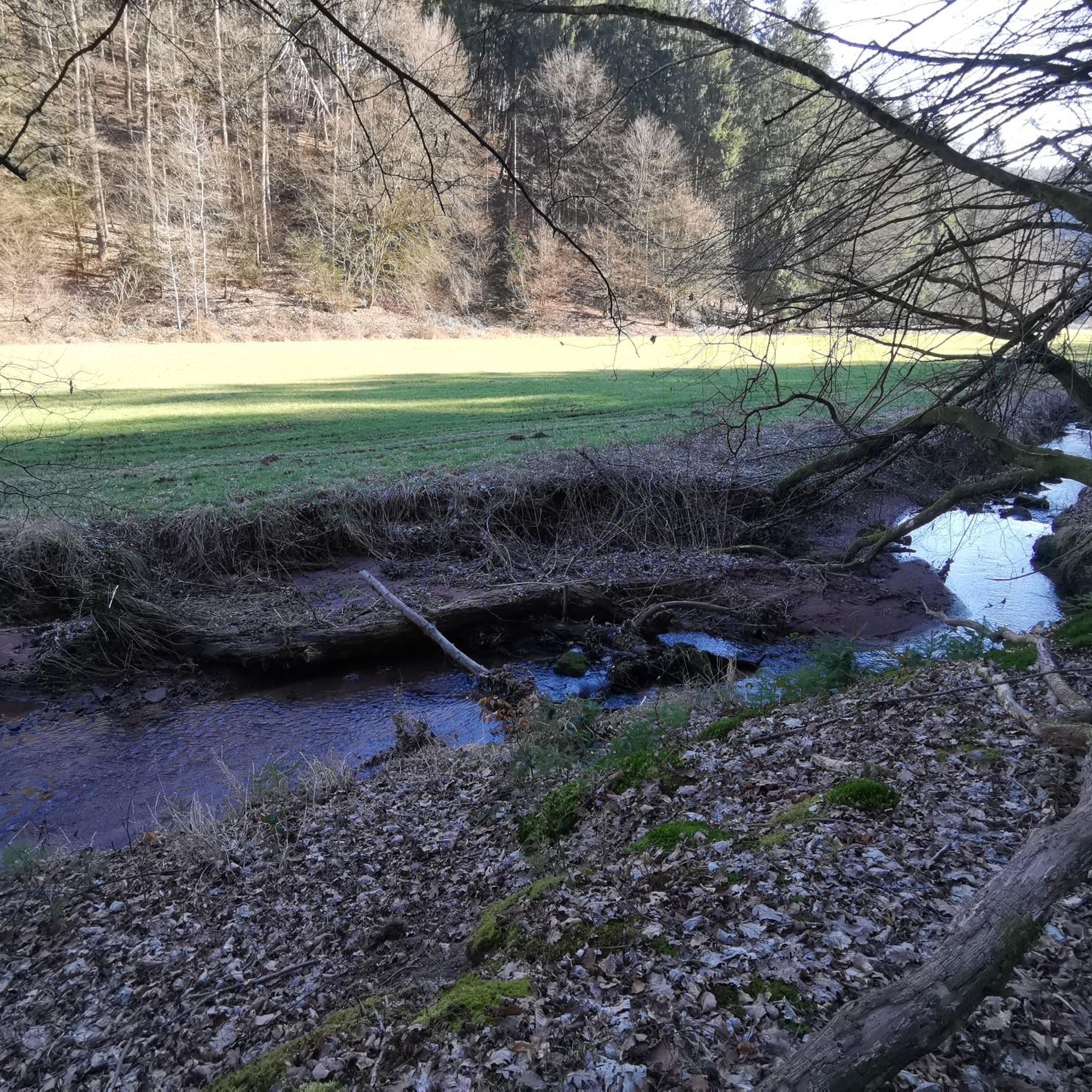
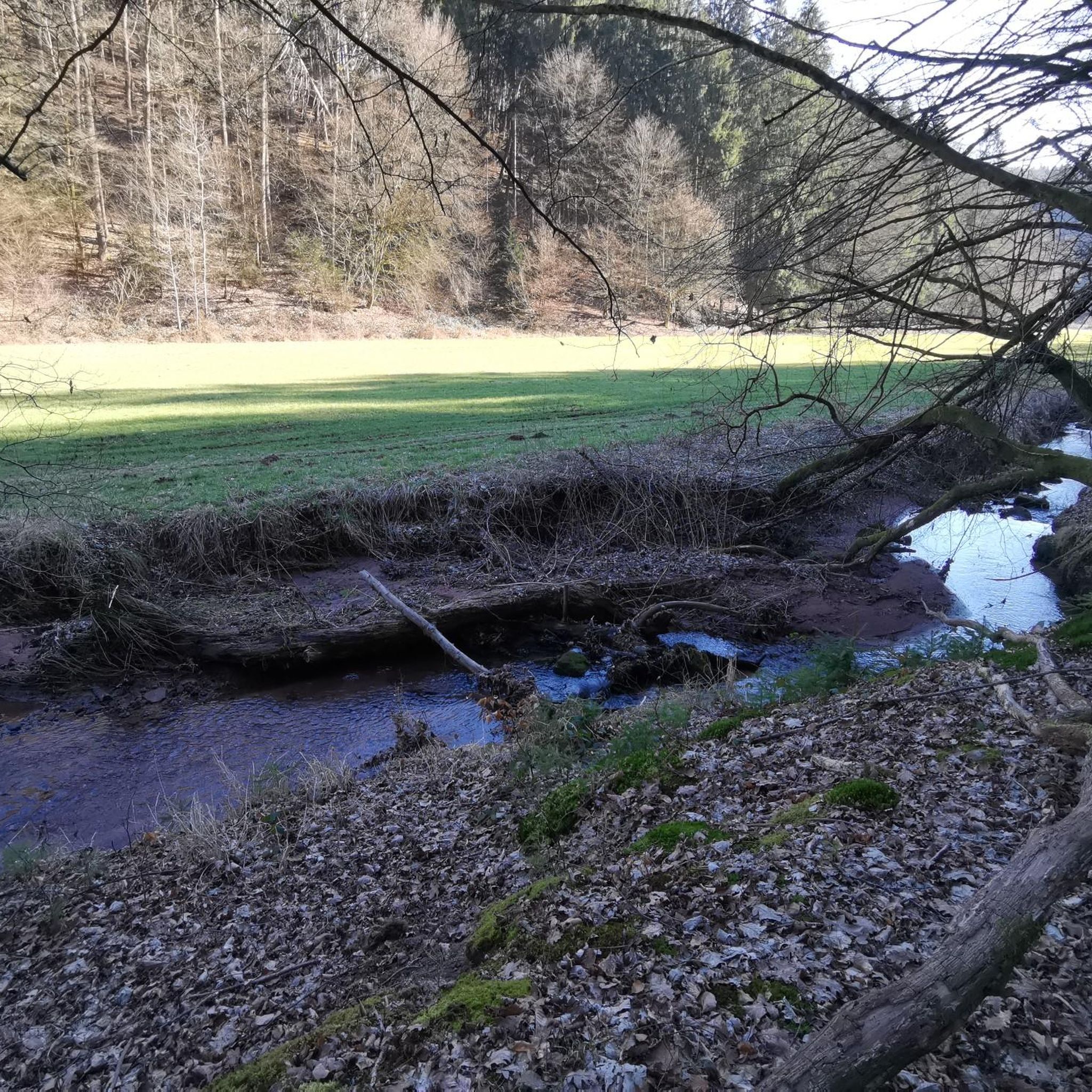
The trail passes this small waterfall and the shelter. Unfortunately, there was trash at the shelter and at this beautiful spot. It's a shame, but that doesn't have to happen! Take your trash with you!
0
0

This could have been an "abri", a half-cave, as a shelter for early humans from the Old Stone Age (Paleolithic), the oldest era in human history. It began on our 4.5 billion year old earth around 2 million years ago in East Africa, as evidenced by finds of skulls and bones and primitive tools made of stone and wood. Around 600,000 BC, small groups of Old Stone Age people also appeared in Germany. Based on the greywacke artefacts found here by local historian Albert Westrich, the archaeologist Emil Hofmann determined that they were used as scrapers, striking stones, graters and stingers as early as 600,000-800,000 years ago. His book "Altpaläolithische Fundplätze des Homo erectus heidelbergensis Schmitshausen", published in 2008, depicts the finds.
0
0

A real attraction. Take a flashlight with you😀
2
0
You can still visit the front part of the cave. Unfortunately, teenagers also seem to party here more often and smash their bottles
0
0

Unfortunately, the snake caves are partially walled up and buried. Only in the entrance area, which is closed off by a lattice, can you guess anything about the large cave system that led to the Einöd ski and hiking hut... It's a pity that these great federal sandstone caves can no longer be visited!
3
0

Shaded and covered place for a rest
2
1

was donated in 2007 for the reopening of the Schlößberg sand caves
7
0
Frequently Asked Questions
What types of caves can I explore around Großbundenbach?
The area around Großbundenbach features a variety of subterranean formations, including natural caves, ancient rock shelters, and man-made sandstone caves. These range from historical dwelling sites to old mining tunnels.
Are there any historical cave sites near Großbundenbach?
Yes, the Paleolithic Rock Shelter is a significant historical site. It served as a dwelling place for Stone Age people, where tools like hand axes and scrapers were discovered. Another historical site is the Schlossberg Caves (Schlossberghöhlen, Homburg), which were originally mine tunnels and later used for defense and as an air-raid shelter during WWII.
Which caves are freely accessible around Großbundenbach?
The Elend Cave is freely accessible and extends approximately 30 meters into the mountain, offering a cool interior. Visitors often recommend bringing a flashlight for better exploration.
Are there family-friendly cave experiences near Großbundenbach?
Yes, the Small Waterfall and Rocky Overhang (Palatinate) is considered family-friendly. It provides a shaded and covered spot perfect for a rest. The Schlossberg Caves (Schlossberghöhlen, Homburg) are also suitable for families, offering an educational experience through Europe's largest Buntsandstein caves.
What are the geological characteristics of the caves in this region?
The region around Großbundenbach is characterized by diverse geological formations, including sandstone and karst topography. This means you'll find caves formed by the dissolution of soluble rocks like limestone, as well as those carved into sandstone. The Schlossberg Caves, for instance, are notable for their Buntsandstein formations with unique yellow, red, and yellow-red discolorations and ripple marks from ancient water movement.
What should I wear when visiting the caves?
Caves generally maintain a constant, cool temperature. For example, the Schlossberg Caves have a constant temperature of 10°C. It's advisable to wear layers, including a jacket or sweater, even on warm days. Comfortable walking shoes are also recommended.
Do I need any special equipment to explore the caves?
For many of the freely accessible natural caves, a flashlight is highly recommended, as cell phone lights may not be sufficient. For guided tours, such as those at the Schlossberg Caves, safety briefings and helmets are provided.
Are there guided tours available for any of the caves?
Yes, guided tours are available at the Schlossberg Caves (Schlossberghöhlen, Homburg). Registration is useful, and tours can be arranged in English and French. It's recommended to call in advance for groups.
What outdoor activities can I combine with a visit to the caves?
The area around Großbundenbach offers various outdoor activities. You can find numerous routes for hiking, gravel biking, and mountain biking. Many trails incorporate natural landmarks and scenic views, making it easy to combine a cave visit with a longer outdoor adventure.
What do visitors enjoy most about the caves around Großbundenbach?
Visitors appreciate the unique blend of natural beauty and historical significance. The cool, shaded interiors of the caves provide a refreshing escape, and the geological formations, like those in the Schlossberg Caves, are often highlighted. The historical context of sites like the Paleolithic Rock Shelter also adds a fascinating dimension to the experience.
Are there any caves that are currently inaccessible or partially closed?
The Schlangenhöhlen (Snake Caves), while historically a popular attraction, are unfortunately partially walled up and buried. Only the entrance area, which is closed off by a lattice, can still be accessed.
Most popular routes around Großbundenbach
Most popular attractions around Großbundenbach

Get inspired with the komoot mobile app


Explore more
Extend your search for the best caves by checking out these guides of the top ones around Großbundenbach:
