Top 20 Huts and Cabins around Knittelsheim
Best huts around Knittelsheim are found within a municipality in Germany, situated in a region known for its general recreational shelters and walking paths. The area offers various natural attractions and landmarks near Knittelsheim, providing opportunities for outdoor activities. While not a prominent "hut culture" destination, the surrounding landscape features diverse terrain for exploration.
Best huts around Knittelsheim
- The most popular huts include Waldhaus Gommersheim, a restaurant and hut located at the edge of the forest. It is known…
Last updated: June 27, 2026
Waldhaus Gommersheim
Highlight • Restaurant
Translated by Google •
Tip by

Hoppeditzelhäuschen
Highlight • Rest Area
From landauland.southern wine route:
HOPPING DITZEL COTTAGE
The Hoppeditzelhäusel is located on the Abtsberg, west of Impflingen, in the middle …
Translated by Google •
Tip by

Sign up now to discover places like this
Get recommendations on the best single tracks, peaks, & plenty of other exciting outdoor places.
Sign up for free
Fort Hut
Highlight • Mountain Hut
Translated by Google •
Tip by

Shelter on the Treidlerweg
Highlight • Mountain Hut
Translated by Google •
Tip by

Nature and Bird Conservation Club Lingenfeld
Highlight • Mountain Hut
Translated by Google •
Tip by

Sign up for free to discover even more huts and cabins around Knittelsheim.
Sign up for free
Already have an account?
Start today with a free account
Your next adventure awaits.
Login or Signup

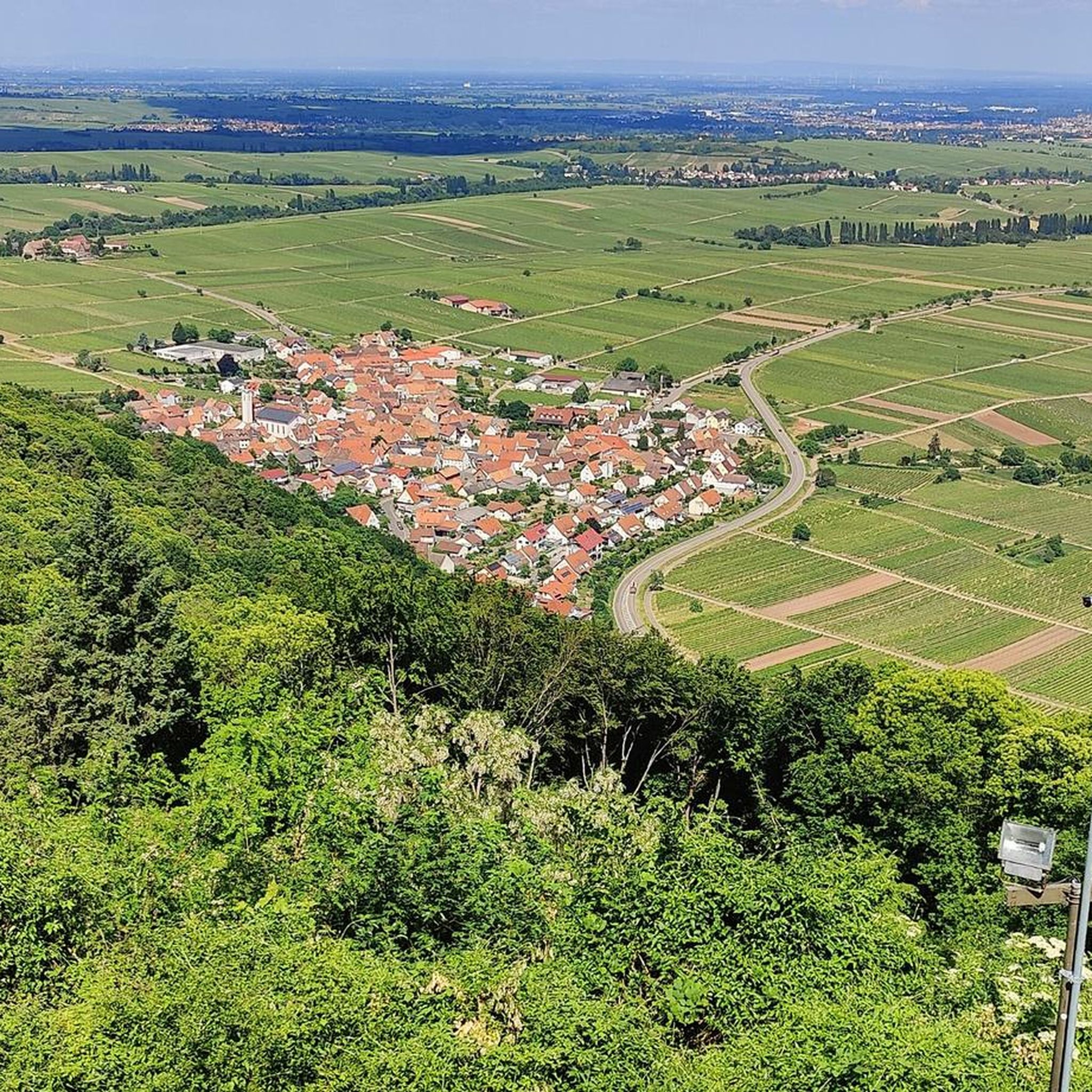


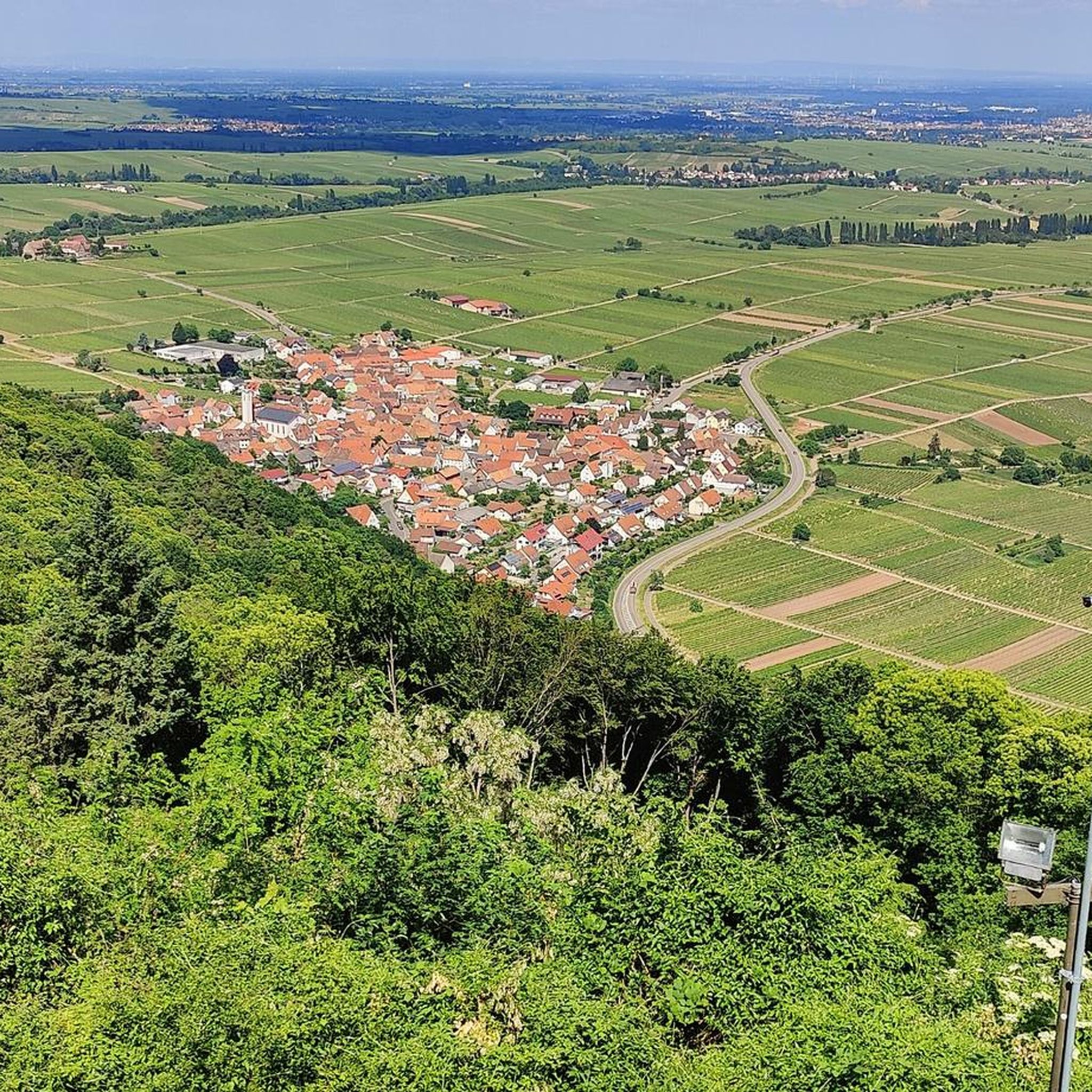
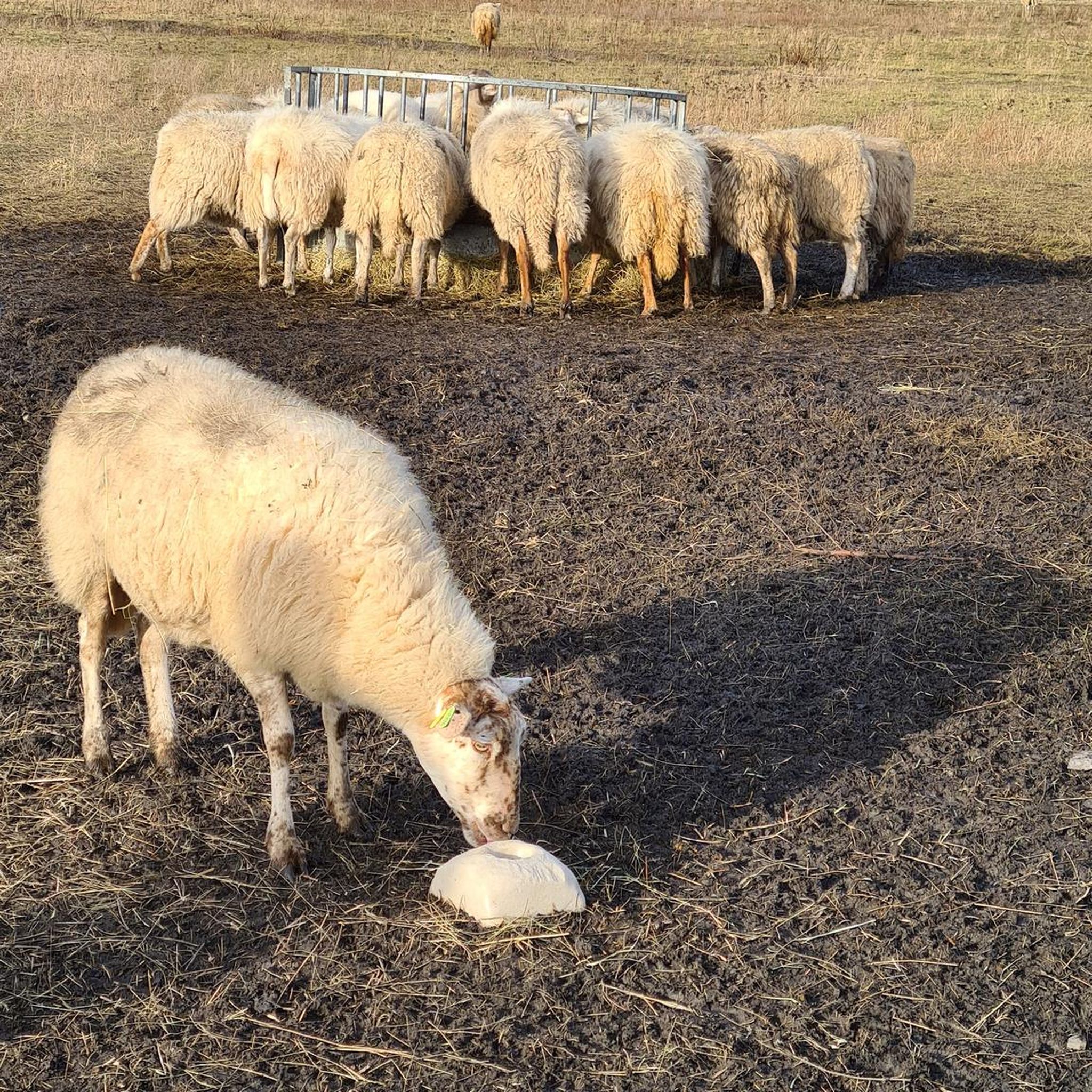
Tips from the Community

Landau Fortress was a polygonal fortification located in Landau in the Palatinate. Construction took place between 1688 and 1691. The completely outdated fortress was demolished in 1871, having been downgraded to a depot in 1867. Almost all of the structures below street level have been preserved. Today, several military buildings and many residential buildings are still visible in the city, along with the locks and walls along the rivers, and fortifications in parks. Among these, the largest remaining structure is the wall of the fort built in 1702 (with a length of 3.3 km). Following the Thirty Years' War, the Imperial City of Landau was placed under the protection of France by the Peace of Westphalia in 1648. Following the end of the War of the Palatine Succession in 1697, the city, along with ten other Alsatian imperial cities, was also legally ceded to France in the Peace of Rijswijk of 1697. As early as 1673/74, France had destroyed Landau's medieval city fortifications. With the Peace of Nijmegen, Landau came under French control and, with the simultaneous loss of the right-bank fortress of Philippsburg (1679), became its easternmost outpost, receiving a permanent French garrison in 1680. In September 1687, the military engineer Vauban arrived in Landau to develop a fortification plan. He submitted this plan to King Louis XIV on October 9, who gave his approval in November. Construction began later that same year on the 7-kilometer-long Albersweiler Canal, designed to facilitate the rapid transport of building materials such as timber, lime, and stone by barge. The foundation stone was laid at the end of April 1688 in the presence of the Minister of War, the Marquis de Louvois. Vauban initially oversaw the construction, but relinquished this responsibility to Jacques de Tarade in 1689. With the help of sixteen royal battalions under the command of General Montclar and approximately 14,000 construction workers (more recent studies cite a significantly lower number) from the surrounding area, the fortification was built in the second Vauban style. On the night of June 23-24, 1689, a devastating fire destroyed most of the town and provided an opportunity to modernize the garrison town's layout. This resulted in the creation of straight, wide streets and squares for troop deployments. ... Source: https://de.wikipedia.org/wiki/Festung_Landau#Weblinks
0
0

Nice place for a break, great view
1
0

Very nicely designed break location. Also suitable for smaller groups.
3
0

There are two guest rooms. When the weather is nice, there is still space outside under the shady trees. There are Palatinate specialties, changing daily specials, various types of coffee and home-made cakes. There is also draft beer from a local brewery and delicious Palatinate wines from the Meckenheim wine region. There is a large playground for the kids. A disabled toilet, a changing table and circular paths suitable for strollers. Private parties can also be organized.
0
0

There are many great things to discover in the fort - like this shelter
0
0


is easily accessible and the selection of food and drinks is just right for cyclists. Tastes delicious.
0
0

Ideal for resting along the way
2
1
Frequently Asked Questions
What types of huts can I find around Knittelsheim?
Around Knittelsheim, you'll discover a variety of shelters, including forest houses, vineyard shelters, and historical structures. These range from places offering hospitality and food, like Waldhaus Gommersheim, to modern resting spots with panoramic views, such as Hoppeditzelhäuschen, and even historical sites like the Fort Hut.
Are there family-friendly huts or trails near Knittelsheim?
Yes, several huts and trails around Knittelsheim are suitable for families. The Hoppeditzelhäuschen is a great resting spot in the vineyards, and the Nature and Bird Conservation Club Lingenfeld offers a children's playground and is accessible by car, making it convenient for all. The Fort Hut also offers an interesting historical experience for families.
What natural attractions or viewpoints can I enjoy near the huts?
The region offers diverse natural beauty. From the Hoppeditzelhäuschen, you can enjoy panoramic views of the vineyards and the Palatinate Forest. The Waldhaus Gommersheim is beautifully situated at the edge of the forest, providing a serene natural setting. The area's walking paths also lead through various landscapes, including forests and vineyards.
Are there historical huts or sites to visit?
Yes, the Fort Hut is a notable historical site. It's a hut on a wall dating back to the 1700s, part of the former Landau Fortress, offering insights into the region's rich history.
What outdoor activities can I do near these huts?
Knittelsheim and its surroundings offer various outdoor activities. You can explore numerous cycling routes, such as the 'Knittelsheim Mill – Lingenfeld Old Rhine loop' or 'View of Wollmesheim Vineyards – EnergySouthwest observation tower loop'. For running, trails like 'Classic Car Barn – Spiegelbach Bridge loop' are available. Find more details on these activities in the Cycling around Knittelsheim, Road Cycling Routes around Knittelsheim, and Running Trails around Knittelsheim guides.
Are there hiking trails that pass by huts in the Knittelsheim area?
Yes, there are walking paths and trails where you can find huts. For instance, the Shelter on the Treidlerweg is a small refuge directly on the Treidlerweg. The Nature and Bird Conservation Club Lingenfeld is the only stop on the Bacherlebnisweg (brook adventure trail).
What is the best time to visit the huts around Knittelsheim?
The huts and trails around Knittelsheim can be enjoyed throughout much of the year. Spring and autumn offer pleasant temperatures for hiking and cycling through vineyards and forests. Summer is ideal for enjoying outdoor seating at places like Waldhaus Gommersheim, while some shelters like the Shelter on the Treidlerweg provide refuge even in less favorable weather.
Are there places to eat or get refreshments near the huts?
Absolutely. Waldhaus Gommersheim is a restaurant and hut known for its hospitality and wide selection of food, open Wednesday to Sunday. The Hoppeditzelhäuschen is a perfect spot for a picnic, and occasionally hosts taverns and wine tastings. The Nature and Bird Conservation Club Lingenfeld also offers seating outside.
What do visitors appreciate most about the huts in this region?
Visitors frequently praise the welcoming atmosphere and good hospitality, especially at places like Waldhaus Gommersheim. The scenic locations, such as the panoramic views from Hoppeditzelhäuschen, are also highly valued. Many appreciate the huts as convenient resting points on their tours, offering shelter and a chance to enjoy the surrounding nature and history.
Are there any huts that are easily accessible or have facilities for visitors with limited mobility?
The Nature and Bird Conservation Club Lingenfeld is noted for its accessibility, as it can even be approached by car, making it suitable for those who may have difficulty walking. It also offers ample seating outside.
Can I find dog-friendly trails or huts around Knittelsheim?
While specific dog-friendly hut policies are not detailed, many outdoor trails in the Knittelsheim area are suitable for walks with dogs. It's always recommended to check with individual establishments like Waldhaus Gommersheim regarding their pet policies before visiting.
Are permits required to visit any of the huts or trails?
Generally, permits are not required for accessing the public trails or most recreational shelters around Knittelsheim. However, for specific events or private functions at certain huts, such as wine tastings at Hoppeditzelhäuschen, it's advisable to check in advance.
Most popular routes around Knittelsheim
Most popular attractions around Knittelsheim

Get inspired with the komoot mobile app


Explore more
Find more beautiful huts and cabins around Knittelsheim by checking out the top ones in these nearby places:
