Top 5 Castles around Ohmbach
Best castles around Ohmbach are found within a region characterized by rolling hills and forested landscapes, offering a connection to medieval history. While Ohmbach itself features the modern reconstruction of the Wartturm, a 7.5-meter-tall watchtower on Wartenstein hill, the wider area provides access to various historical structures. The Glan Valley, a prominent geographical feature, hosts several significant castle sites. This area is suitable for those interested in exploring historical landmarks and engaging in outdoor activities.
Best castles around Ohmbach
- The…
Last updated: November 24, 2026
Michelsburg Ruins at Remigiusberg
Highlight • Castle
Translated by Google •
Tip by

View of Michelsburg
Highlight • Viewpoint
Translated by Google •
Tip by

Sign up now to discover places like this
Get recommendations on the best single tracks, peaks, & plenty of other exciting outdoor places.
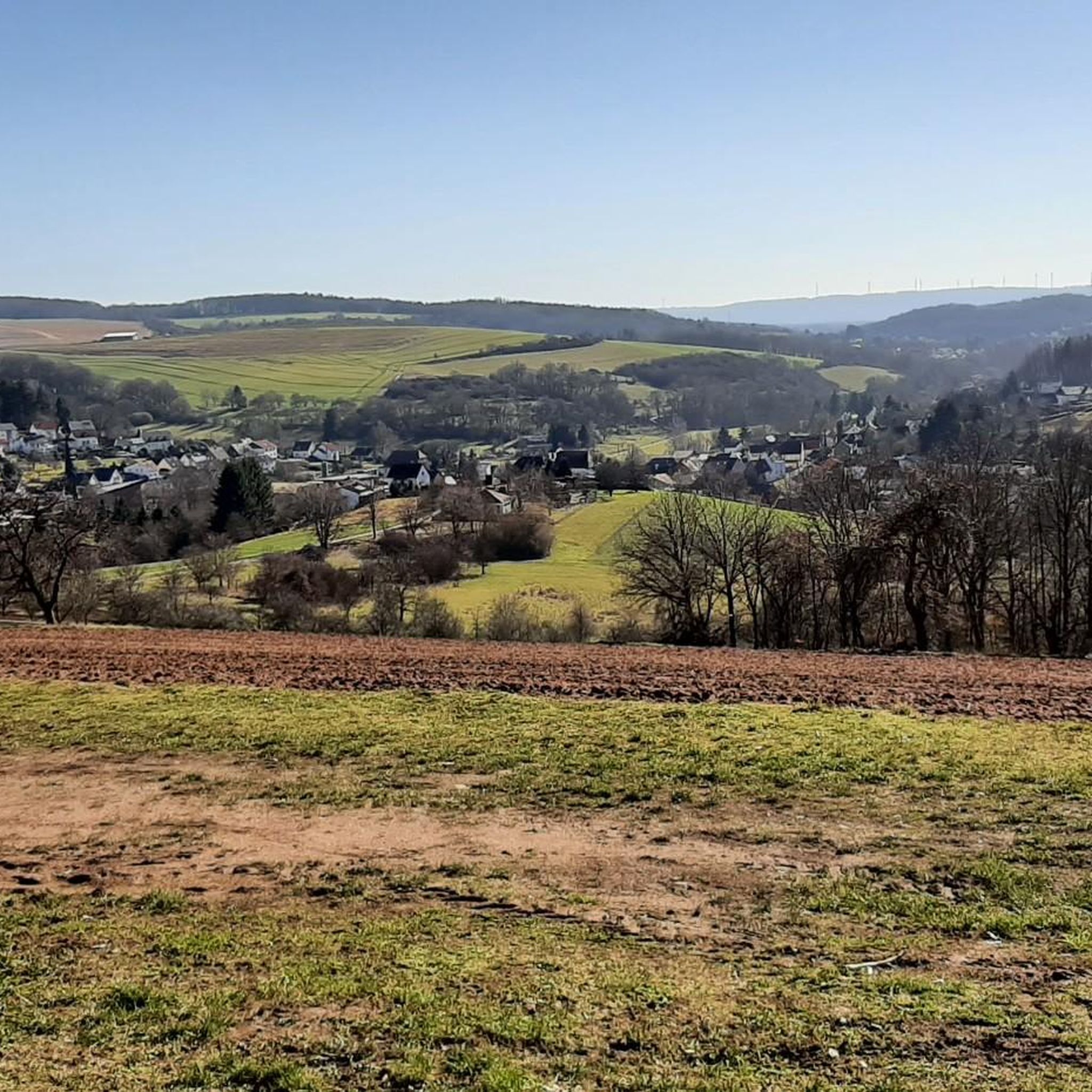
View of Burg Lichtenberg
Highlight • Viewpoint
Translated by Google •
Tip by

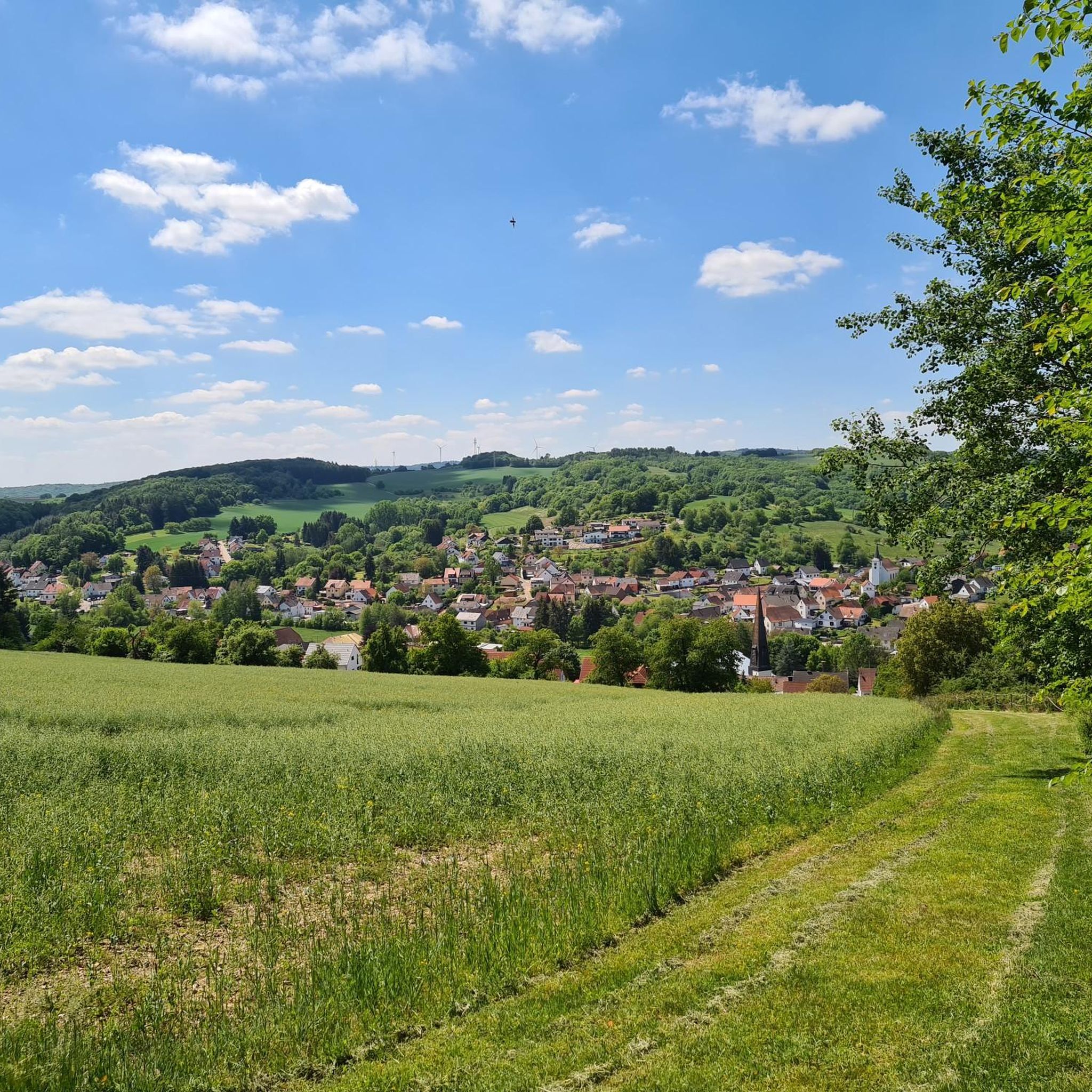
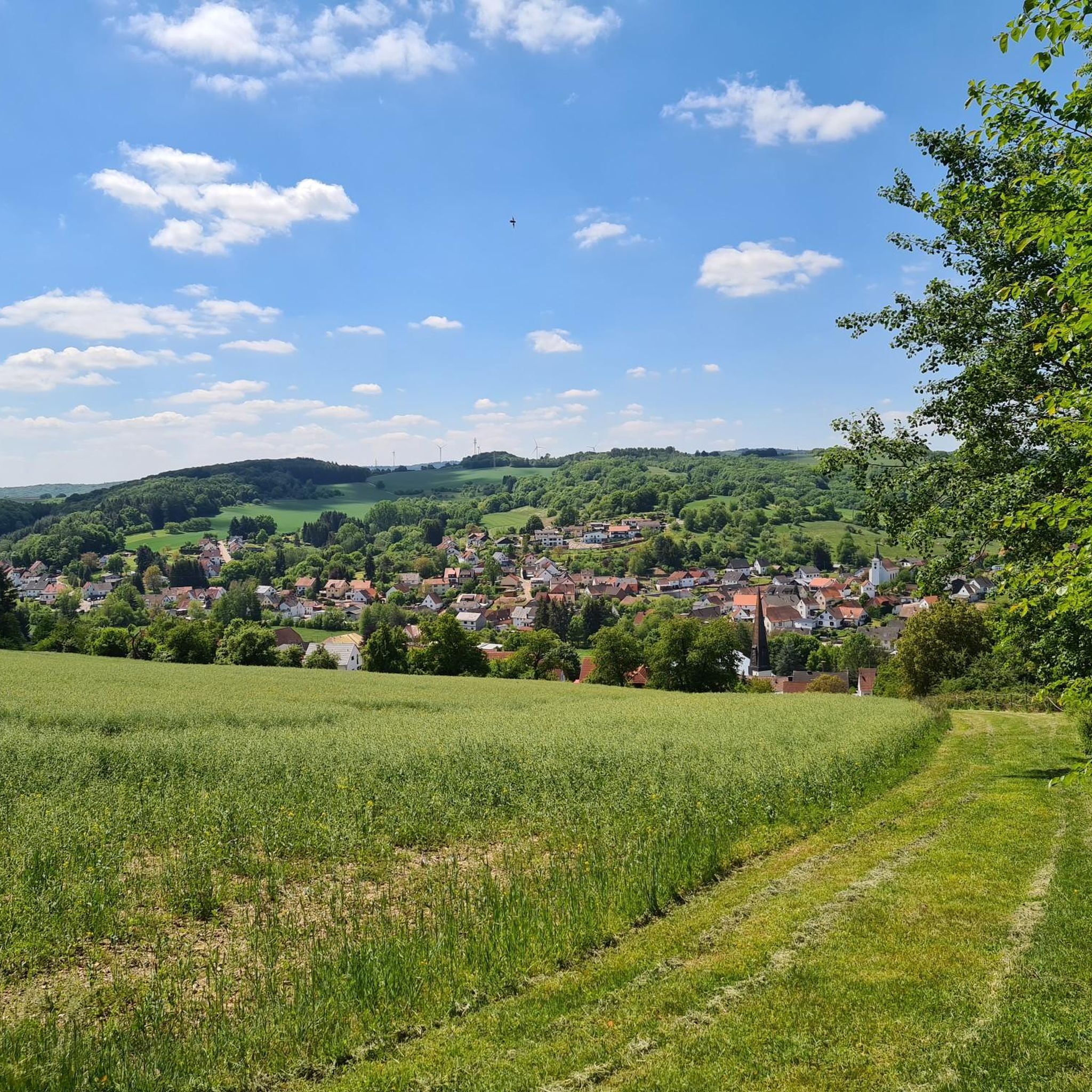
View of Lichtenberg Castle above Ruthweiler
Highlight • Viewpoint
Translated by Google •
Tip by

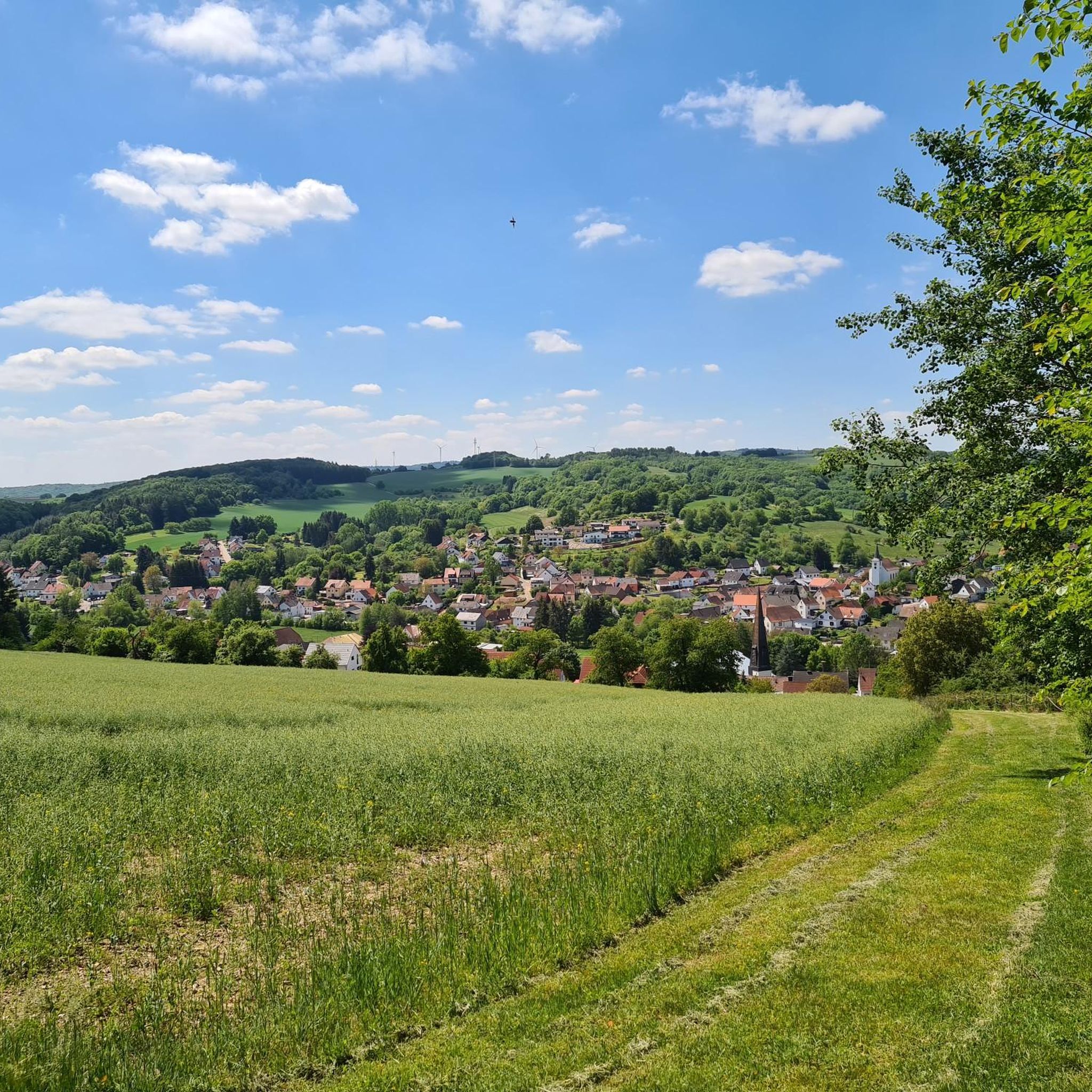
View of Herzerberg and Lichtenberg Castle
Highlight • Viewpoint
Translated by Google •
Tip by

Start today with a free account
Your next adventure awaits.

Tips from the Community

Stork reception station with many nests and young birds. Storks up close
0
0

The Counts of Veldenz once reigned supreme over the land here – today, the mighty remains of the walls bear witness to a turbulent past. The Michelsburg Castle was built in the 13th century and later destroyed by French troops. 📌 Tip: Through the narrow window in the main wall, you can gaze directly into the expanse of the West Palatinate – a quiet moment with great symbolic significance. If you like, take a seat on the bench in front and simply let the history take effect.
0
1
This lovingly designed overview panel impressively demonstrates how the Remigiusberg developed from an important monastery and castle site into the cultural landscape it is today. Only a ruin of the Michelsburg remains – but the historical spirit of the place remains. 📌 Tip: If you take a moment to read the panel carefully, you'll gain a historical perspective on the entire area in just a few glances. Ideal for a thoughtful break before visiting the church or stopping at a restaurant.
0
1
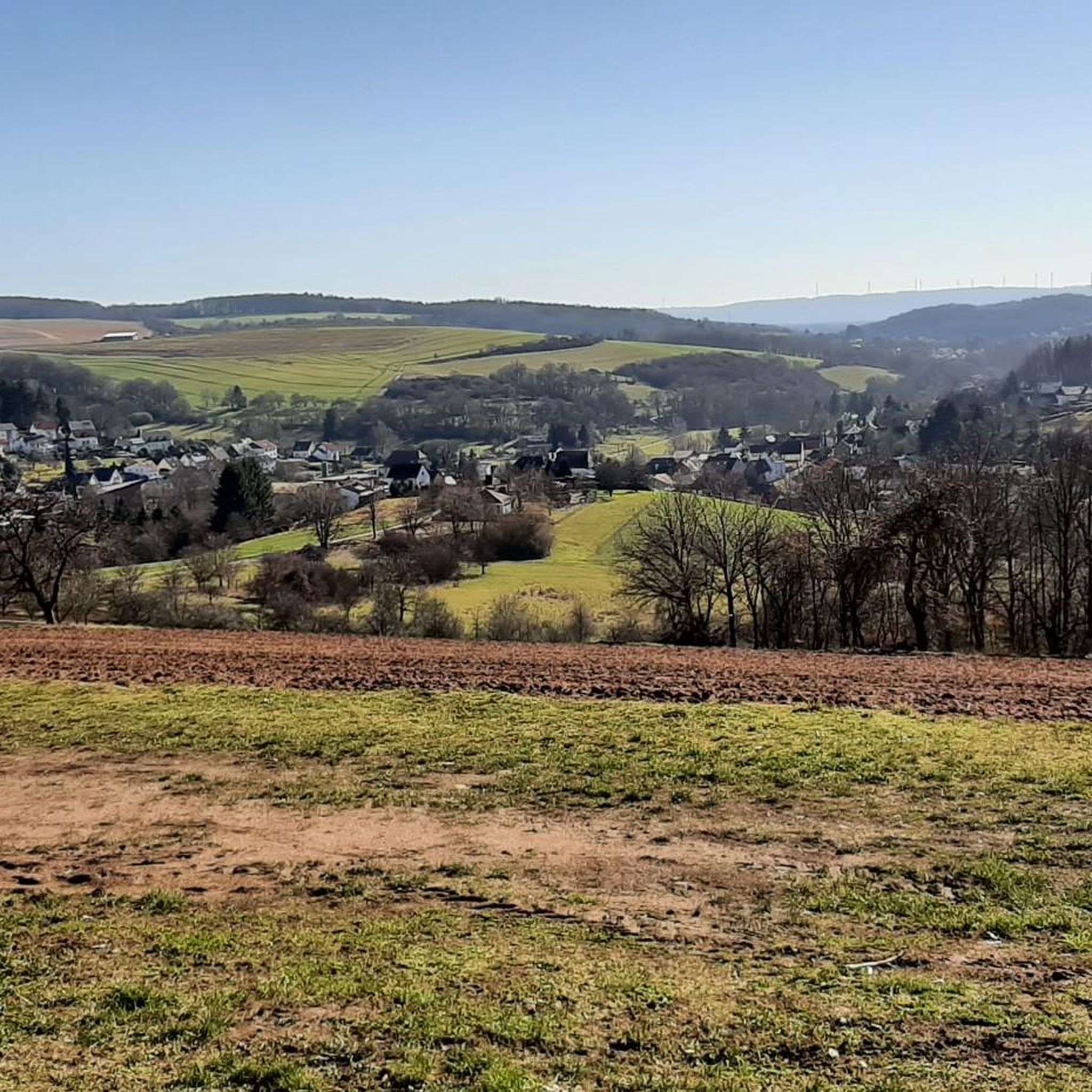
Two landmarks stand out amidst dense forest: the old castle ruins and the striking dome of the provost church on Remigiusberg. This tranquil vantage point reminds us how closely history and nature often intersect. 🔭 Tip: Use a telephoto lens or a good zoom lens for this distant view – on a clear day, an almost mystical contrast emerges between the ruins, the church tower, and the surrounding forest. Ideal for tranquil panoramic shots.
0
1

From the castle you have a beautiful view of the Glan valley.
1
0

The Michelsburg Castle and the neighboring former provost church of St. Remigius on the Remigiusberg near Haschbach, in the center of the Glan Valley, are the historical heart of the Remigiusland region. The first documented mention of an illegally built hilltop castle dates back to 1127, when Benedictine monks purchased it from a knight named Adelbert. The monks used the stones of the former castle to build the Benedictine provost church of St. Remigi, the remnant of which is the Remigius Church. Count Henry II of Zweibrücken built a second castle out of wood in 1260 – during the inheritance disputes of the counts of Veldenz – after the first male line of counts of Veldenz had died out in 1259. This castle was later expanded and furnished with stone, and a chapel (dedicated to St. Michael) was built inside. In 1543, Count Palatine Rupert of Veldenz made the castle his secondary residence and had a princely crypt built in the provost church. Little is known about what happened to the castle in later centuries, but it was reportedly still intact in 1708 and changed hands several times. In 1868, it came into the possession of the St. Remigiusberg Catholic Church Foundation. Today, the 20-meter-high shield wall, remnants of the palace, the ring wall, and the moat are preserved.
5
0
The Michelsburg Castle and the neighboring former provost church of St. Remigius on the Remigiusberg near Haschbach, in the center of the Glan Valley, are the historical heart of the Remigiusland region. The first documented mention of an illegally built hilltop castle dates back to 1127, when Benedictine monks purchased it from a knight named Adelbert. The monks used the stones of the former castle to build the Benedictine provost church of St. Remigi, the remnant of which is the Remigius Church. Count Henry II of Zweibrücken built a second castle out of wood in 1260 – during the inheritance disputes of the counts of Veldenz – after the first male line of counts of Veldenz had died out in 1259. Later, this castle was expanded and furnished with stone, and a chapel (dedicated to St. Michael) was built inside. In 1543, Count Palatine Rupert of Veldenz made the castle his secondary residence and had a princely crypt built in the provost church. Little is known about what happened to the castle in later centuries, but it was reportedly still intact in 1708 and changed hands several times. In 1868, it came into the possession of the St. Remigiusberg Catholic Church Foundation. Today, the 20-meter-high shield wall, remnants of the palace, the ring wall, and the moat are preserved.
5
1
Frequently Asked Questions
What types of castles can I explore around Ohmbach?
The region around Ohmbach offers a diverse range of historical structures. You can find well-preserved castles converted into palaces, such as Jägersburg Castle, medieval ruins like the Michelsburg Ruins at Remigiusberg, and even historical watchtowers. While Ohmbach itself features the modern reconstruction of the Wartturm, a replica of a medieval watchtower, the wider area provides a variety of castle types to see and explore.
Are there any family-friendly castles in the Ohmbach area?
Yes, Jägersburg Castle is noted as family-friendly. It was converted into a palace and houses a castle and palace museum, offering an engaging historical experience for all ages. The outdoor area is accessible year-round, and the nearby castle pond provides a pleasant spot to linger.
What historical significance do the castles around Ohmbach hold?
The castles in the Ohmbach region offer a tangible connection to medieval history. For example, Michelsburg Ruins at Remigiusberg is considered the historical heart of the Remigiusland region, with documented mentions dating back to 1127. Jägersburg Castle, originally a medieval moated castle, was converted into a palace in 1590 and played a role in ducal history.
Where can I find panoramic views of the castles and surrounding landscape?
For stunning panoramic views, visit the Michelsburg Ruins at Remigiusberg, which offers great views of the rolling hills and forests. Additionally, there are dedicated viewpoints like View of Burg Lichtenberg and View of Lichtenberg Castle above Ruthweiler, providing excellent perspectives of one of Germany's largest castle complexes.
What outdoor activities can I do near these castles?
The region around Ohmbach is excellent for outdoor activities. You can find various routes for mountain biking, road cycling, and running. For detailed routes and guides, explore the MTB Trails around Ohmbach, Road Cycling Routes around Ohmbach, and Running Trails around Ohmbach.
Are there hiking opportunities near the castles?
Yes, the castle locations often serve as excellent starting points or destinations for hikes. The Michelsburg Ruins at Remigiusberg is situated in an area with great views, suggesting hiking potential. The Wartturm bei Ohmbach, though a replica, is located on Wartenstein hill and is a rewarding destination for hikers. You can find various running trails that are also suitable for walking in the area.
What is the best time of year to visit the castles around Ohmbach?
The best time to visit the castles around Ohmbach is generally during spring, summer, and early autumn. These seasons offer pleasant weather for exploring the outdoor ruins and enjoying the scenic views. Spring brings blooming nature, summer provides long daylight hours, and autumn showcases beautiful foliage, enhancing the historical sites.
Is there a watchtower near Ohmbach?
Yes, near Ohmbach, you can find the Wartturm bei Ohmbach. This is a modern reconstruction of a medieval watchtower, built in 2005, located on the 375-meter-high Wartenstein hill. It stands on a site with historical significance, offering scenic views of the Ohmbach valley and serving as a popular hiking destination.
What do visitors enjoy most about the castles in this region?
Visitors frequently appreciate the blend of history and nature. They enjoy the well-preserved structures like Jägersburg Castle, the imposing ruins of Michelsburg Ruins at Remigiusberg, and the panoramic views from various viewpoints, especially those overlooking Lichtenberg Castle. The opportunity to connect with medieval history while surrounded by rolling hills and forests is a major draw.
Are there any castles that have museums or exhibitions?
Yes, Jägersburg Castle, also known as Gustavsburg, houses a castle and palace museum in its main building. This museum provides insights into the history of Jägersburg, making it an excellent stop for those interested in learning more about the region's past.
Can I explore the castle grounds freely, or are there guided tours?
The outdoor areas of castles like Jägersburg Castle are generally accessible all year round. For the interior rooms of Gustavsburg, guided tours are available by arrangement. For ruins like Michelsburg Ruins at Remigiusberg, you can typically explore the remnants of the palace, ring wall, and moat at your own pace.
Most popular routes around Ohmbach
Most popular attractions around Ohmbach

Get inspired with the komoot mobile app


Explore more
Looking for the best castles somewhere else? Discover other guides around Ohmbach:
