Top 5 Caves around Schmidthachenbach
Caves around Schmidthachenbach offer insights into the region's geological and industrial past. The area, situated within the Hunsrück mountains, features a mix of historical mining tunnels and natural underground formations. These sites provide opportunities to explore the natural landscape and learn about historical mining activities. The terrain often includes challenging sections, reflecting the characteristics of the Hunsrück mountains.
Best caves around Schmidthachenbach
- The most popular caves is Descent to Fischbach Cave, a cave that is part of an intermediate…
Last updated: June 27, 2026
Schlossberg Spring
Highlight • Natural Monument
It took 20 years to work on the search tunnel. After about 28 meters the …
Translated by Google •
Tip by

Bierfincksgraben Mine
Highlight • Historical Site
Translated by Google •
Tip by

Sign up now to discover places like this
Get recommendations on the best single tracks, peaks, & plenty of other exciting outdoor places.
Sign up for free
Descent to Fischbach Cave
Highlight (Segment) • Cave
Translated by Google •
Tip by

Hidden Cave of Monzingen
Highlight • Cave
Translated by Google •
Tip by

Yellow gallery
Highlight • Cave
Translated by Google •
Tip by
Start today with a free account
Your next adventure awaits.
Login or Signup
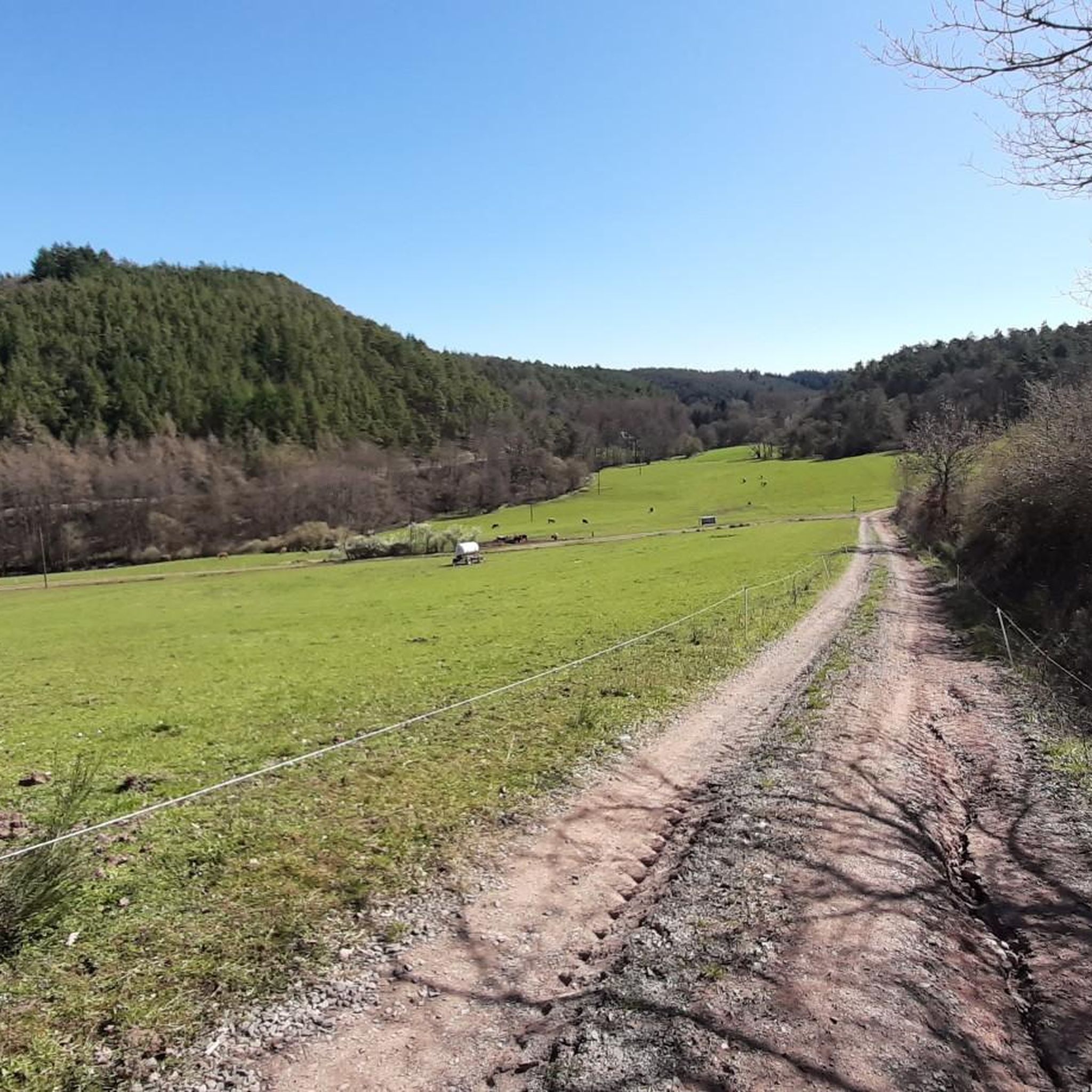
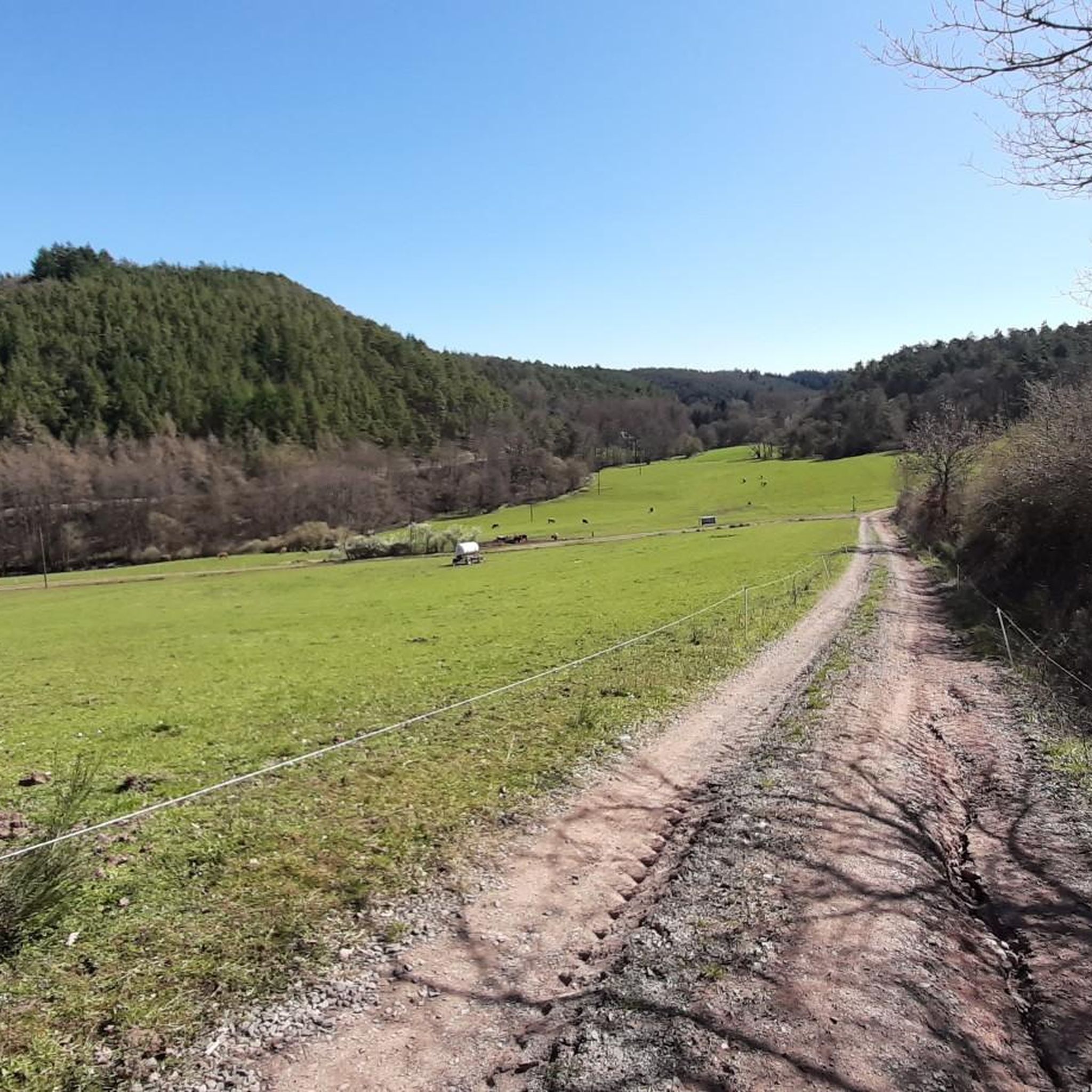
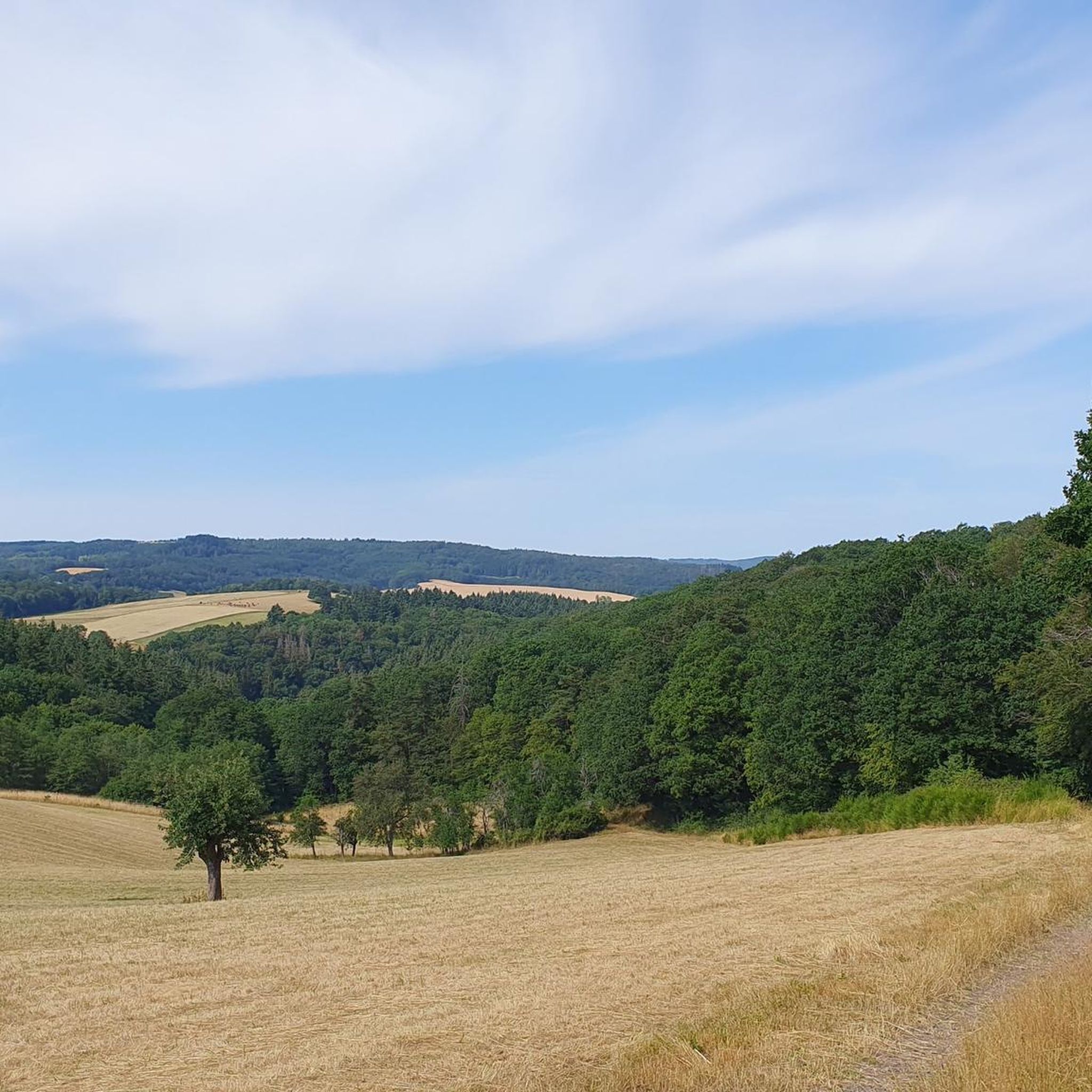
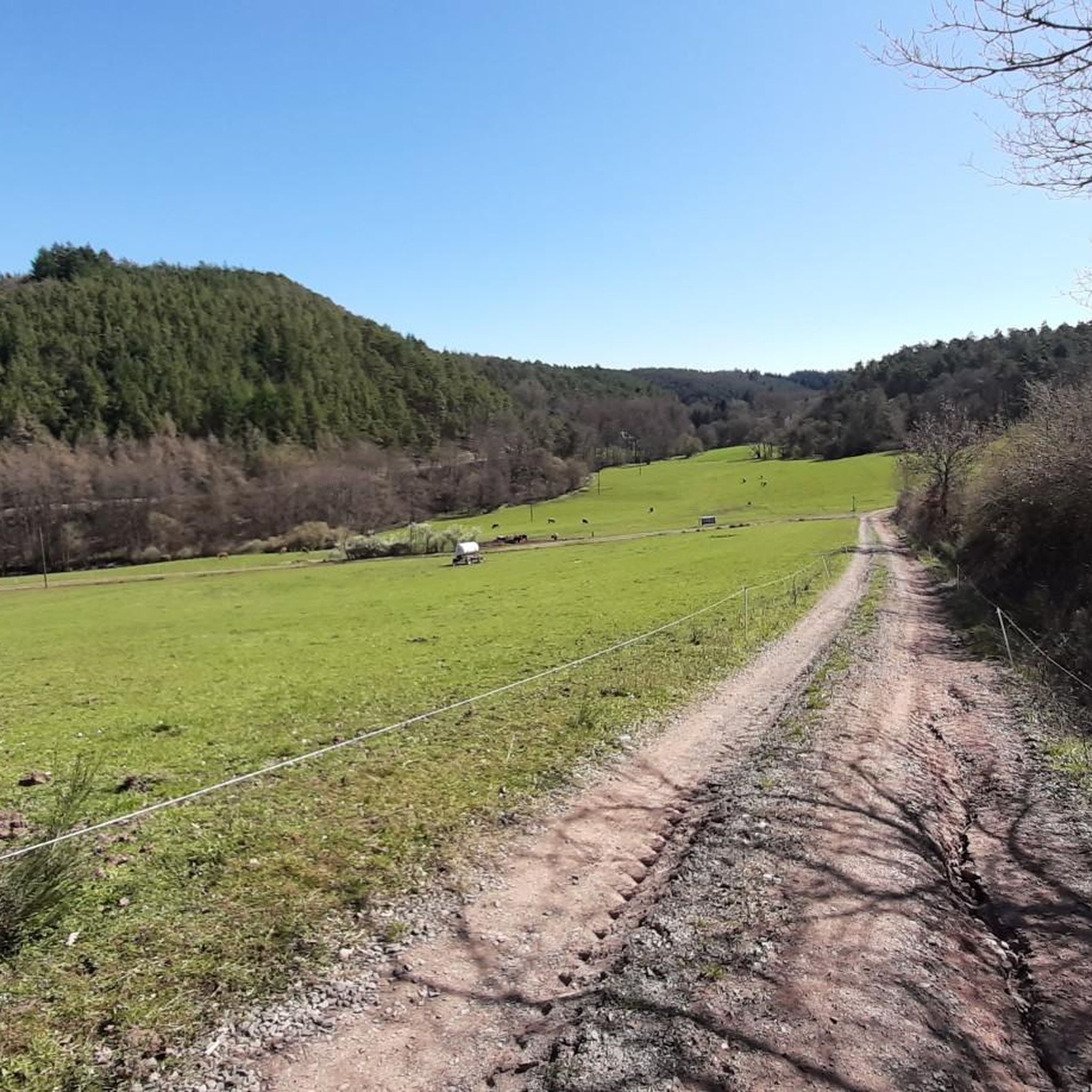

Tips from the Community

The tunnel is about 100 meters away from the vitality tour, but is signposted
0
0
But there is “No drinking water” coming from the source
0
0

The copper ore mine on Schloßberg dates back to the middle of the 16th century. It took 20 years to work on the search tunnel. After about 28 meters the copper core was exhausted. Behind the gated entrance stands a statue of St. Barbara, the patron saint of miners.
3
0
The Schloßberg spring rises approx. 12 m inside the Schloßberg. It was set in a stone basin and ensured the Naumburg's drinking water supply, including the stately wine house, until the 18th century. From then on, for unknown reasons, the yield of the spring decreased so much that the residents of Naumburg had to rely on the water from the Bärenbach flowing in the valley. The spring still runs as a constant trickle all year round. Source: http://www.baerenbach.de/Freizeit/Baerenroute/Schlossbergquelle/
2
0

I could have explored the right aisle with rubber boots 😕
1
0

It is actually surprising that the topic of "dry wall" is the subject of an information board, while a little off the hiking trail at the end of a path a tunnel opens up that leads to a widely branched mine. In addition to protecting the bats, this may also be the reason why a grid prevents further access after about 10 meters. From here, however, you can already see numerous tunnels leading downwards, upwards and to the side, which are only poorly secured or not secured at all, so that one can quickly sink into the bottomless holes filled with water. Exploration would be exciting but potentially very dangerous. The wood found in the Bierfinckgraben mine allows the mining activity to be dated to three periods around 1500, around 1700 and 1750. Literature: Tree ring chronological key data on the mining history of the Hunsrück By Mechthild Neyses-Eiden https://journals.ub.uni-heidelberg.de/index.php/fuabt/article/view/54645/55623
1
0
In fact, you have to look for the mouth hole of the studs. The only clue is a gold mine symbol on a single tree. There you have to climb the slope on the right, come to a small level and stand in front of the tunnels that meet in the mouth hole. You can follow the one on the left for a good 30 meters into the mountain, the one on the right is wall-high with water, so that you need rubber boots. In a good 20 meters the water seems to end and the tunnel continues. Incidentally, the tunnel opens up the same copper ore layer "Yellow Gang" as the opposite copper mine "Hosenberg".
1
0

Hidden behind the crash barrier in the rear .... a small trail shows it, there is a cave. Be careful, the road is very busy. A small footpath below the vineyards and very close to the road leads there. We came from across the street, via a convenient route, but had to cross the main road, which is best avoided!
0
0
Frequently Asked Questions
Are there natural caves directly in Schmidthachenbach?
While Schmidthachenbach itself doesn't have prominently documented natural caves, the broader Rhein-Hunsrück-Kreis district offers several interesting sites. These include historical mining tunnels and natural formations that provide insights into the region's geological and industrial past.
What kind of caves can I explore in the region around Schmidthachenbach?
The region features a mix of historical mining tunnels and natural underground formations. You can find sites like the Bierfincksgraben Mine, a widely branched historical mine, or the Schlossberg Spring, which rises inside a mountain with a historical copper ore mine.
Are there any historical mining sites among the caves?
Yes, the area is rich in historical mining sites. The Bierfincksgraben Mine, for example, shows mining activity dating back to around 1500. Another significant site is the Altlayenkaul Mine Tunnel at Steinbach, which has a history dating to the 17th century and a mining dome to explore.
What are some unique natural features to see in the caves around Schmidthachenbach?
You can visit the Schlossberg Spring, a natural monument where a spring rises inside the mountain. The Descent to Fischbach Cave offers a flowing descent with natural elements like rocks, roots, and a stream crossing, providing a wonderful view of nature.
Are there any family-friendly options for exploring caves near Schmidthachenbach?
While some sites involve challenging terrain, the Descent to Fischbach Cave is described as an intermediate trail with a nice and flowing descent, making it suitable for families looking for a less strenuous exploration. Always check specific trail conditions and difficulty before visiting.
What kind of terrain can I expect when visiting these caves?
The terrain around the caves often includes challenging sections, reflecting the characteristics of the Hunsrück mountains. Some mine tunnels, like the Bierfincksgraben Mine, are described as challenging due to their widely branched nature and potential hazards.
What outdoor activities can I combine with a visit to the caves?
The area around Schmidthachenbach is excellent for various outdoor activities. You can find numerous hiking trails, including moderate routes like the 'Teufelseiche (Devil's Oak) – Eselbrücke Kohlenhütte loop'. There are also MTB trails and road cycling routes available.
Are there any hidden or less-known caves worth exploring?
Yes, the Hidden Cave of Monzingen is a natural monument that lives up to its name, tucked away behind a crash barrier with a small trail leading to it. It offers a more secluded exploration experience.
What should I know about accessibility for the caves?
Access to some sites, particularly historical mine tunnels, can be restricted or challenging. For instance, the Bierfincksgraben Mine has a grid preventing further access to protect bats, though numerous tunnels are visible beyond. Always be aware of safety warnings and local regulations.
What is the best time of year to explore caves in this region?
While specific cave conditions can vary, generally, spring and autumn offer pleasant temperatures for outdoor activities and exploring the surrounding trails. During winter, some areas might be less accessible due to weather, and specific caves might be closed for bat protection.
Are there any specific safety considerations when exploring the mine tunnels?
When exploring historical mine tunnels like the Bierfincksgraben Mine, be aware that many tunnels are poorly secured or not secured at all. Exploration can be exciting but potentially very dangerous due to unstable ground and water-filled holes. Always prioritize safety and adhere to any posted warnings or restrictions.
What do visitors enjoy most about the caves around Schmidthachenbach?
Visitors appreciate the unique blend of natural beauty and historical significance. The opportunity to explore historical mining tunnels and natural spring formations, often within challenging and scenic landscapes, is a major draw. The komoot community has shared many photos and upvoted these sites, highlighting their appeal.
Most popular routes around Schmidthachenbach
Most popular attractions around Schmidthachenbach

Get inspired with the komoot mobile app


Explore more
Extend your search for the best caves by checking out these guides of the top ones around Schmidthachenbach:
