Top 13 Caves around Bubach
Best caves around Bubach are primarily historical mining tunnels located within the broader Hunsrück region, Rheinland-Pfalz, Germany. Bubach itself is situated in the Rhein-Hunsrück-Kreis district, an area known for its natural landscapes, historical sites, and outdoor activities like hiking. While prominent natural show caves are not directly in Bubach, the surrounding Hunsrück features remnants of past slate and ore mining operations. These sites offer a glimpse into the area's industrial heritage and geological past.
Best caves around Bubach
- The most…
Last updated: November 24, 2026
Baybachtal Bat Cave (Slate Tunnel)
Highlight • Cave
Translated by Google •
Tip by

Klöckners Kaul slate mine tunnel and rest area
Highlight • Cave
Translated by Google •
Tip by

Sign up now to discover places like this
Get recommendations on the best single tracks, peaks, & plenty of other exciting outdoor places.
Bat Mine Shaft Baybach Gorge
Highlight • Cave
Translated by Google •
Tip by
Ore mine (barred)
Highlight • Cave
The tunnel entrance is very low and secured with a padlock.
Translated by Google •
Tip by

Schinderhannes Cave
Highlight • Cave
To the …
Translated by Google •
Tip by
Sign up for free to discover even more caves around Bubach.
Already have an account?
Start today with a free account
Your next adventure awaits.
Tips from the Community

large rocky outcrop as a shelter and as a wintering place for bats
4
0

A slate mine with a nice rest area and information board.
3
0

This evidence of the former slate mining in the Baybachtal can be found in several places.
3
0

Even if it's tempting: Don't go in (even if the cave is open) and disturb the bats, because then they might not survive hibernation!
3
0

So with these masses of unknown flying objects, we skipped further inspection.
1
0

no chance, the vampires were in the majority and the way to the cave was quite adventurous and overgrown
0
0

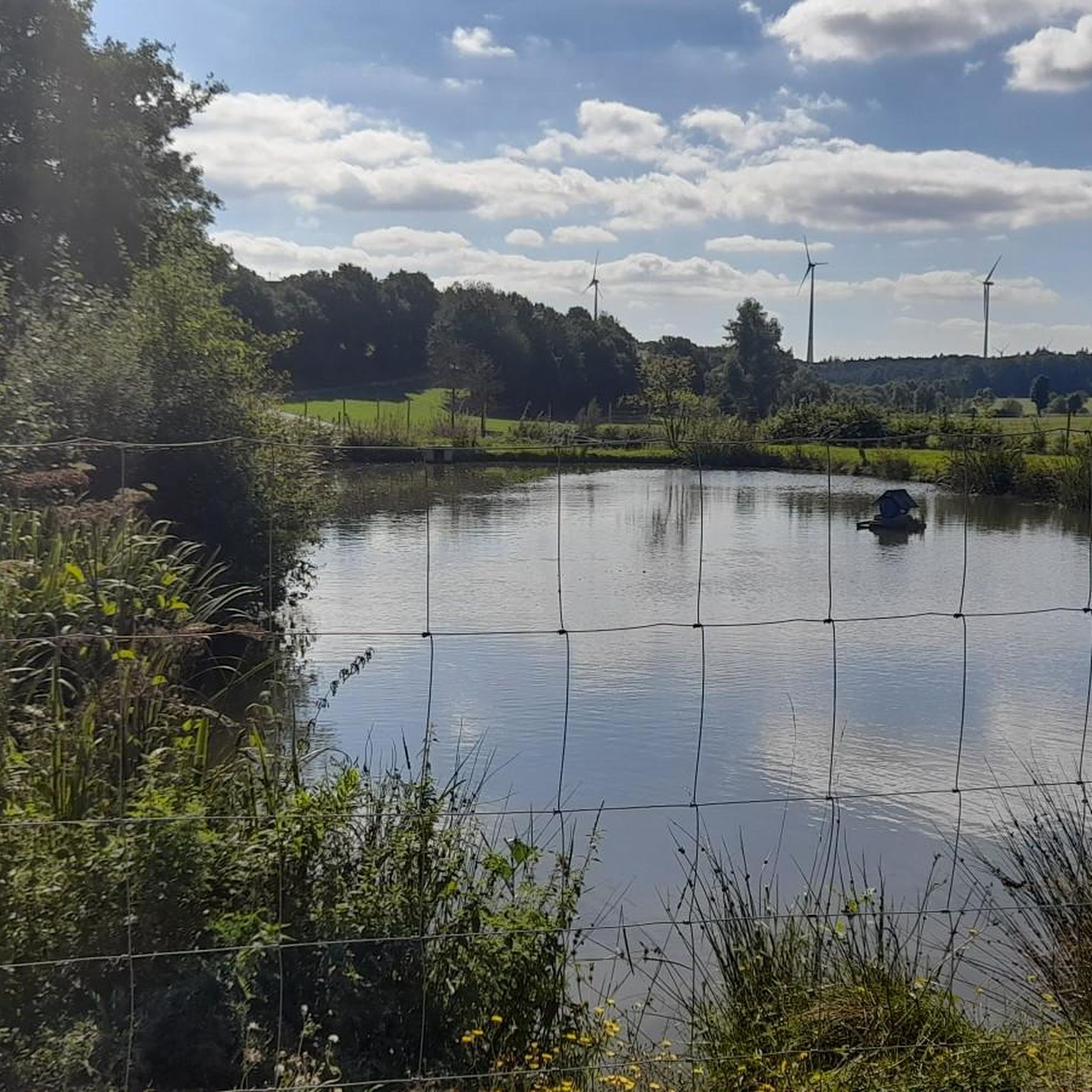
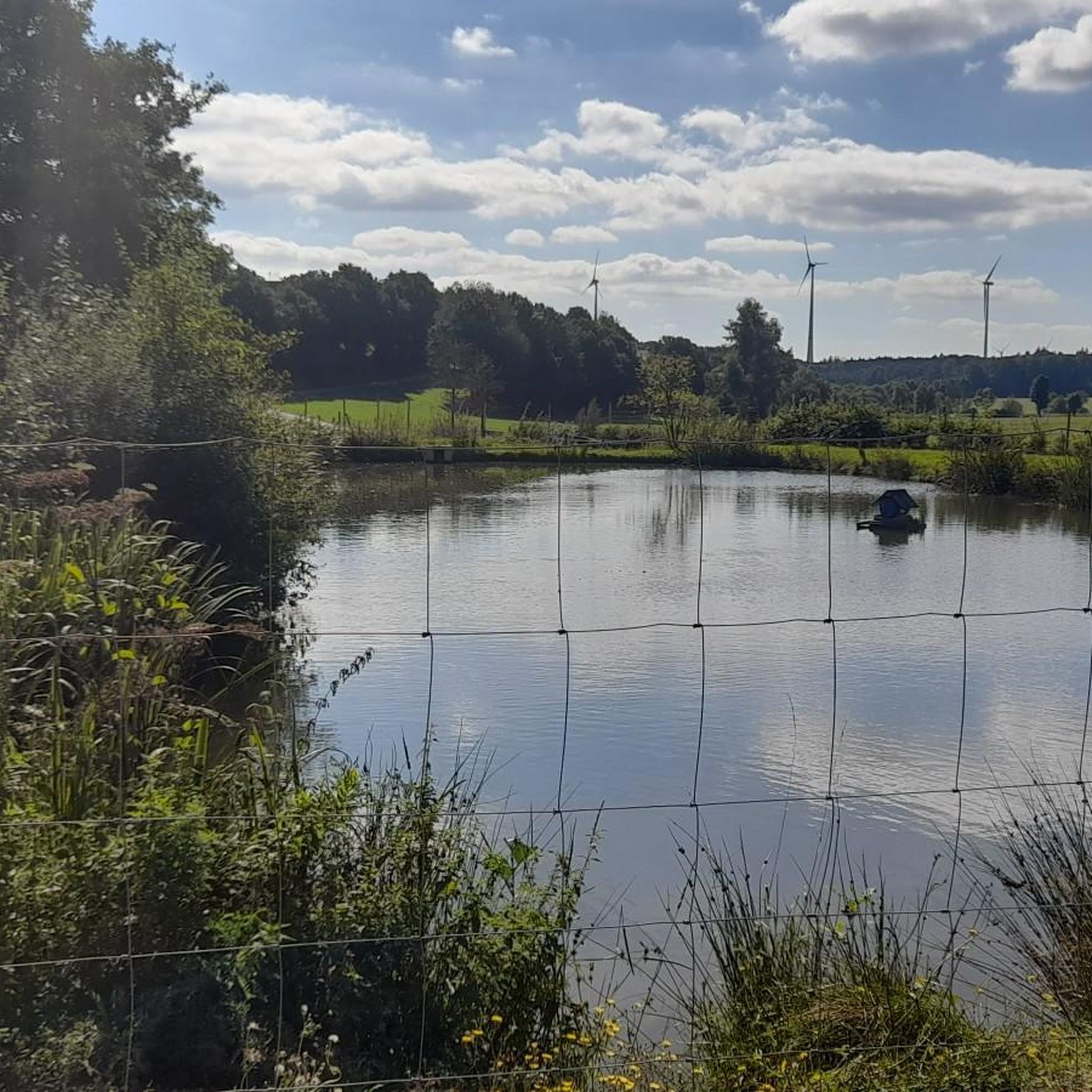
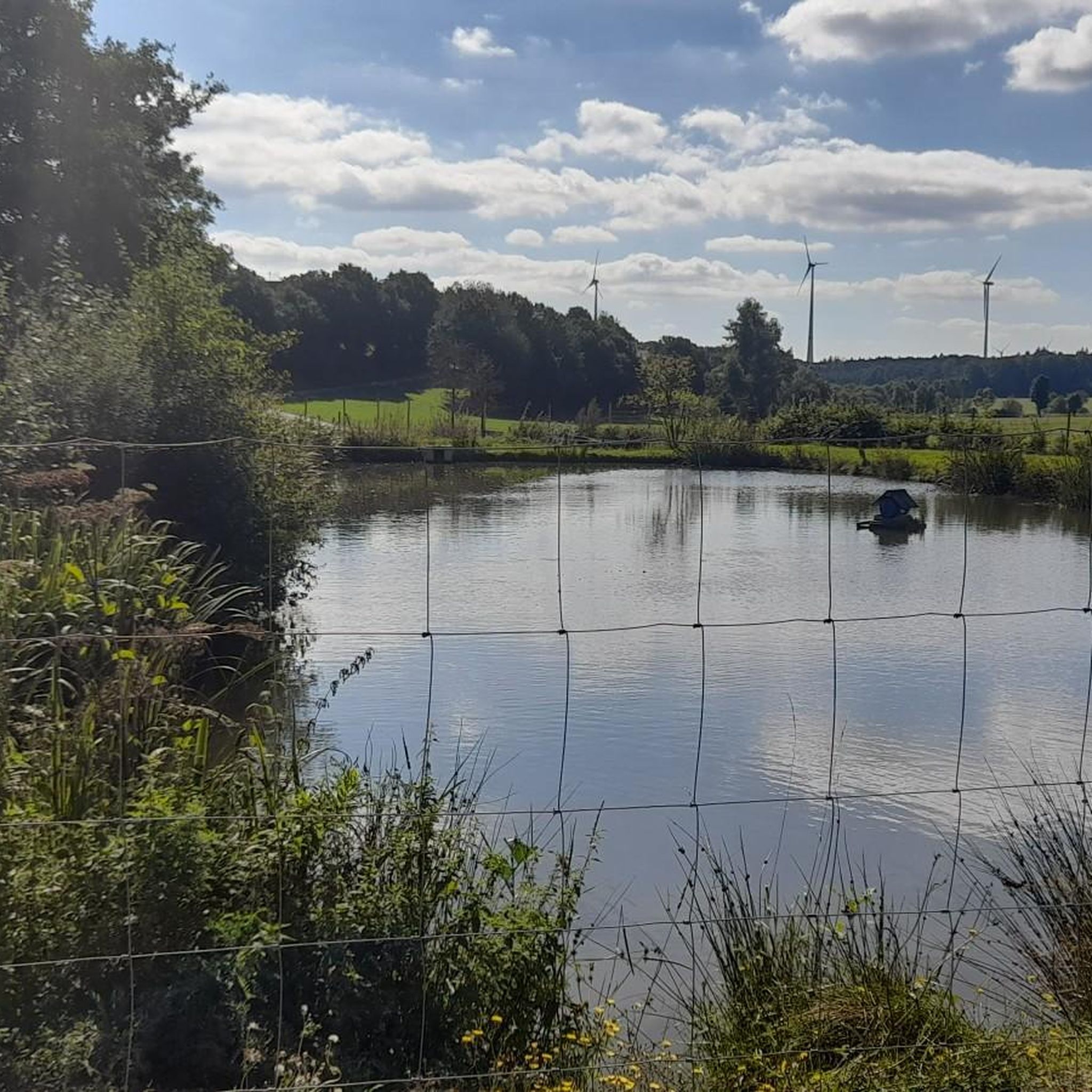
The slate tunnel (it is unclear whether only slate or also ore was mined) leads about 10 m deep into the mountain at the foot of the slope. To the left, there appears to be another tunnel at the end, but this is completely filled with clay and slate rubble. Above the tunnel there is a small slate quarry, the rubble heap of which can be seen from the pond.
4
0

Unfortunately, I can't judge how deep the tunnel leads in, because during our visit it was not accessible due to overcrowding with "mosquitoes".
1
0
Frequently Asked Questions
What kind of caves can I expect to find around Bubach?
The caves around Bubach and the broader Hunsrück region are primarily historical mining tunnels, remnants of past slate and ore mining operations. These sites offer a glimpse into the area's industrial heritage and geological past, rather than elaborate natural show caves with formations.
Are there any natural caves near Bubach that are open to the public?
Bubach itself does not have prominent natural show caves. The underground sites in the immediate vicinity are historical mining tunnels. While the Kubacher Kristallhöhle is a significant natural crystal cave, it is located in Hessen, a different region from Bubach in Rheinland-Pfalz.
Which of the historical mining tunnels are accessible to visitors?
Some historical mining tunnels offer limited access or viewing opportunities. For instance, the Klöckners Kaul slate mine tunnel and rest area has a prepared rest area at its entrance. Other sites like the Baybachtal Bat Cave (Slate Tunnel) and Bat Mine Shaft Baybach Gorge are barred, often to protect bat populations.
Are there any family-friendly cave experiences near Bubach?
While most historical mining tunnels are not developed as typical family attractions, the Klöckners Kaul slate mine tunnel and rest area offers a pleasant spot with a prepared rest area at its entrance, which can be a nice stop during a family hike.
What historical significance do the caves around Bubach hold?
The caves, being former slate and ore mines, are significant for their industrial heritage. Sites like the Lower and Upper Laykaul Slate Caves in the Patelsbach valley even served as shelters during World War II, adding a layer of historical importance beyond mining.
What outdoor activities can I combine with a visit to the caves?
The Hunsrück region around Bubach is excellent for outdoor activities. You can find numerous cycling routes, such as those detailed in the Cycling around Bubach guide, or explore MTB trails from the MTB Trails around Bubach guide. The Baybach Valley itself offers great trails with views of rock faces and some cave entrances.
Are there hiking trails that pass by these historical mining tunnels?
Yes, many of the historical mining tunnels are located along hiking routes in the Hunsrück. For example, the Klöckners Kaul slate mine tunnel and rest area is situated on a path that leads to a former mining site. The Baybach Valley also features trails that lead directly along the Baybach, passing by some cave entrances.
What is the best time of year to visit the Hunsrück region for exploring these sites?
The Hunsrück region is generally pleasant for outdoor activities from spring through autumn. During these seasons, the weather is more favorable for hiking and exploring the external areas of the mining tunnels. Winter can be cold and some paths might be slippery.
Are dogs allowed on trails near the caves?
Many hiking trails in the Hunsrück region are dog-friendly, allowing you to explore the natural landscapes and external areas of the mining tunnels with your pet. Always keep dogs on a leash, especially near wildlife protection areas or when passing through villages.
What should I wear when visiting the historical mining tunnels?
For exploring the external areas and accessible entrances of the mining tunnels, wear sturdy hiking shoes suitable for uneven terrain. If you plan to venture into any tunnels that permit entry, be aware that they can be wet and cool, so waterproof clothing and a headlamp are advisable.
Where can I find parking when visiting the caves around Bubach?
Parking availability varies by specific location. Many trailheads in the Hunsrück region offer designated parking areas. It's recommended to check local signage or trail information for parking options near the specific mining tunnel you plan to visit.
What do visitors appreciate most about the caves around Bubach?
Visitors often appreciate the historical insight these former mining tunnels provide into the region's industrial past. The natural setting, particularly in areas like the Baybach Valley, with its deeply cut landscapes and trails, is also highly valued.
Most popular attractions around Bubach

Get inspired with the komoot mobile app


Explore more
Extend your search for the best caves by checking out these guides of the top ones around Bubach:
