Top 14 Caves around Enkenbach-Alsenborn
Best caves around Enkenbach-Alsenborn is situated at the northern edge of the Palatinate Forest, an area recognized for its natural landscapes. While natural caves are not a primary feature directly within the municipality, the region offers a collection of unique underground structures and historical sites. These include former mining operations and rock-carved hermitages, providing a glimpse into the area's historical and geological context. The terrain around Enkenbach-Alsenborn presents diverse landscapes for exploration.
Best caves around Enkenbach-Alsenborn
- The most popular caves…
Last updated: September 30, 2026
Börrstadt Hermitage
Highlight • Cave
Translated by Google •
Tip by

Iron Gate
Highlight • Historical Site
Translated by Google •
Tip by

Sign up now to discover places like this
Get recommendations on the best single tracks, peaks, & plenty of other exciting outdoor places.
White Mine — Visitor Mine
Highlight • Historical Site
Translated by Google •
Tip by
Maria Iron Ore Mine
Highlight • Historical Site
Translated by Google •
Tip by

Diebskeller Cave
Highlight • Cave
Translated by Google •
Tip by

Sign up for free to discover even more caves around Enkenbach-Alsenborn.
Already have an account?
Start today with a free account
Your next adventure awaits.
Popular around Enkenbach-Alsenborn
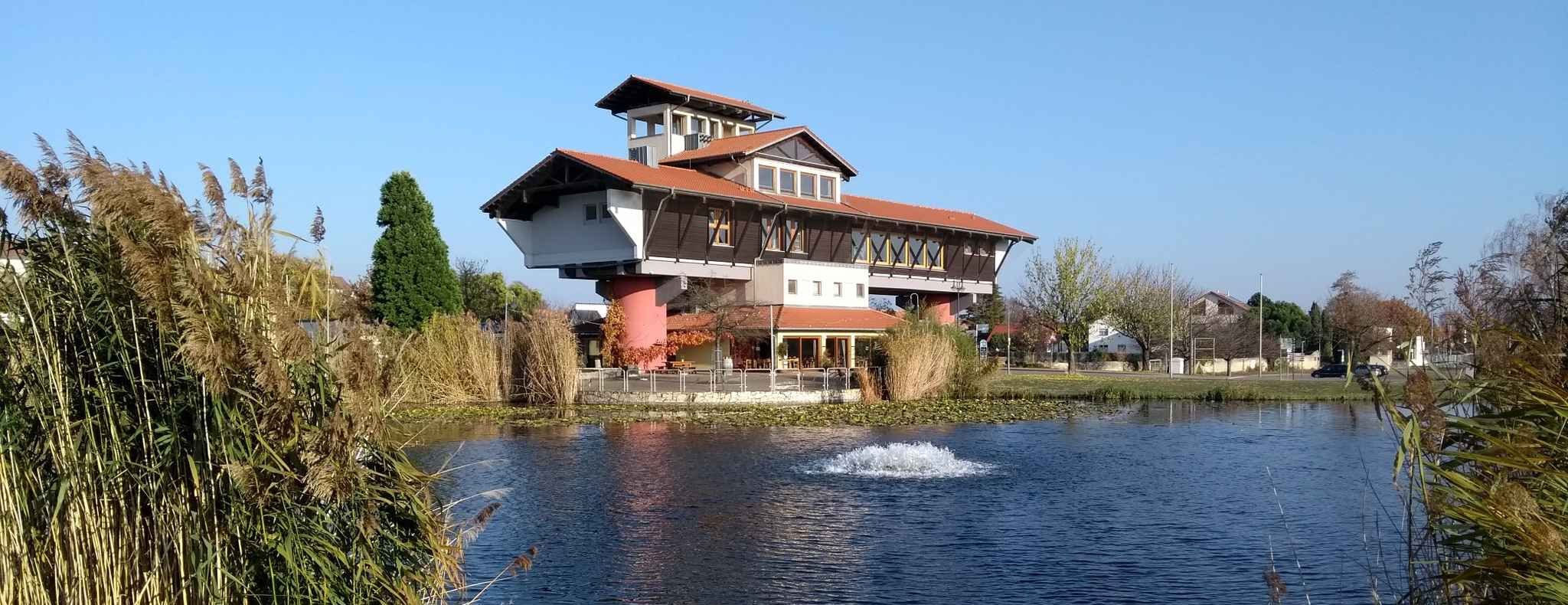
On the trail of the Red Beard – Barbarossa Cycle Route
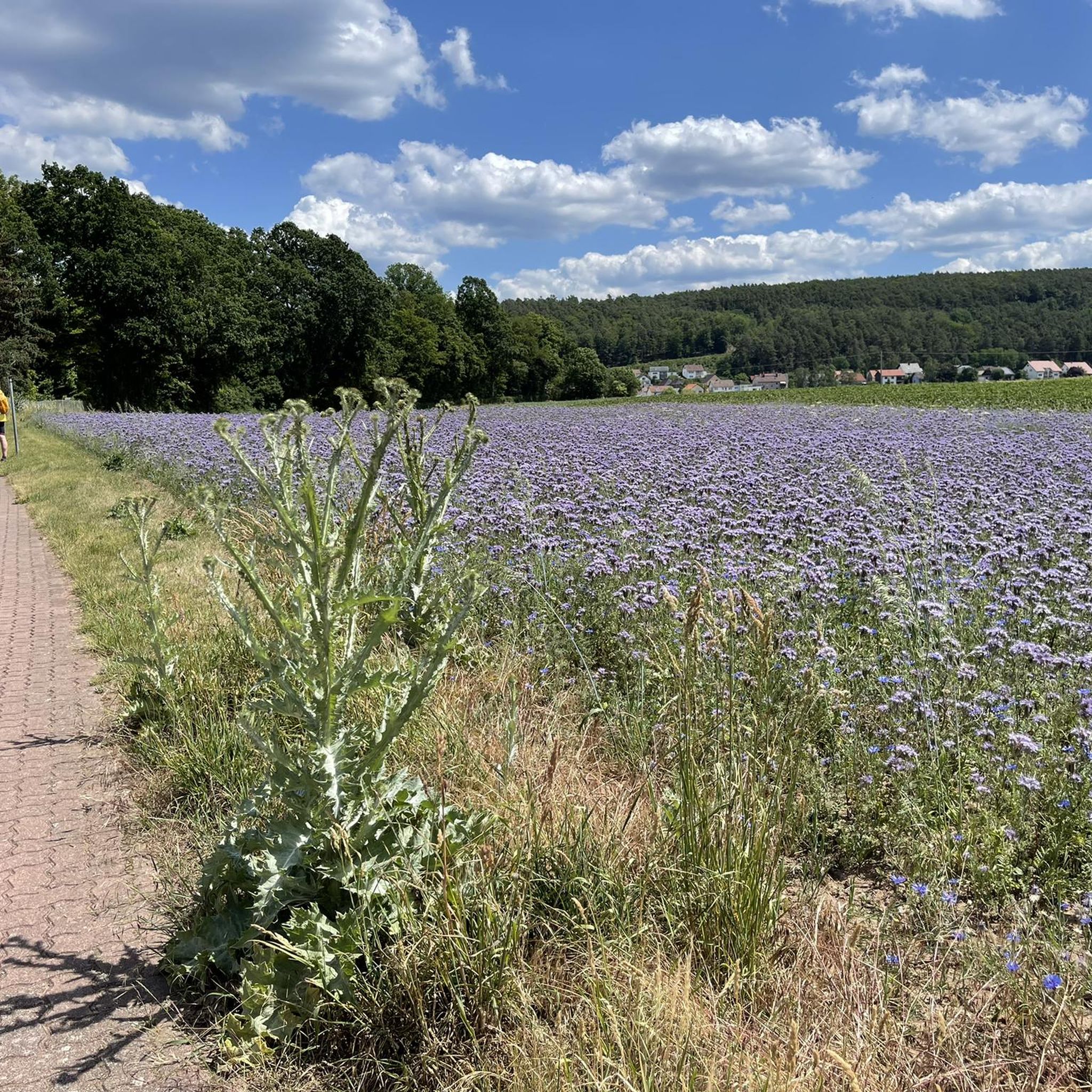
Hiking around Enkenbach-Alsenborn
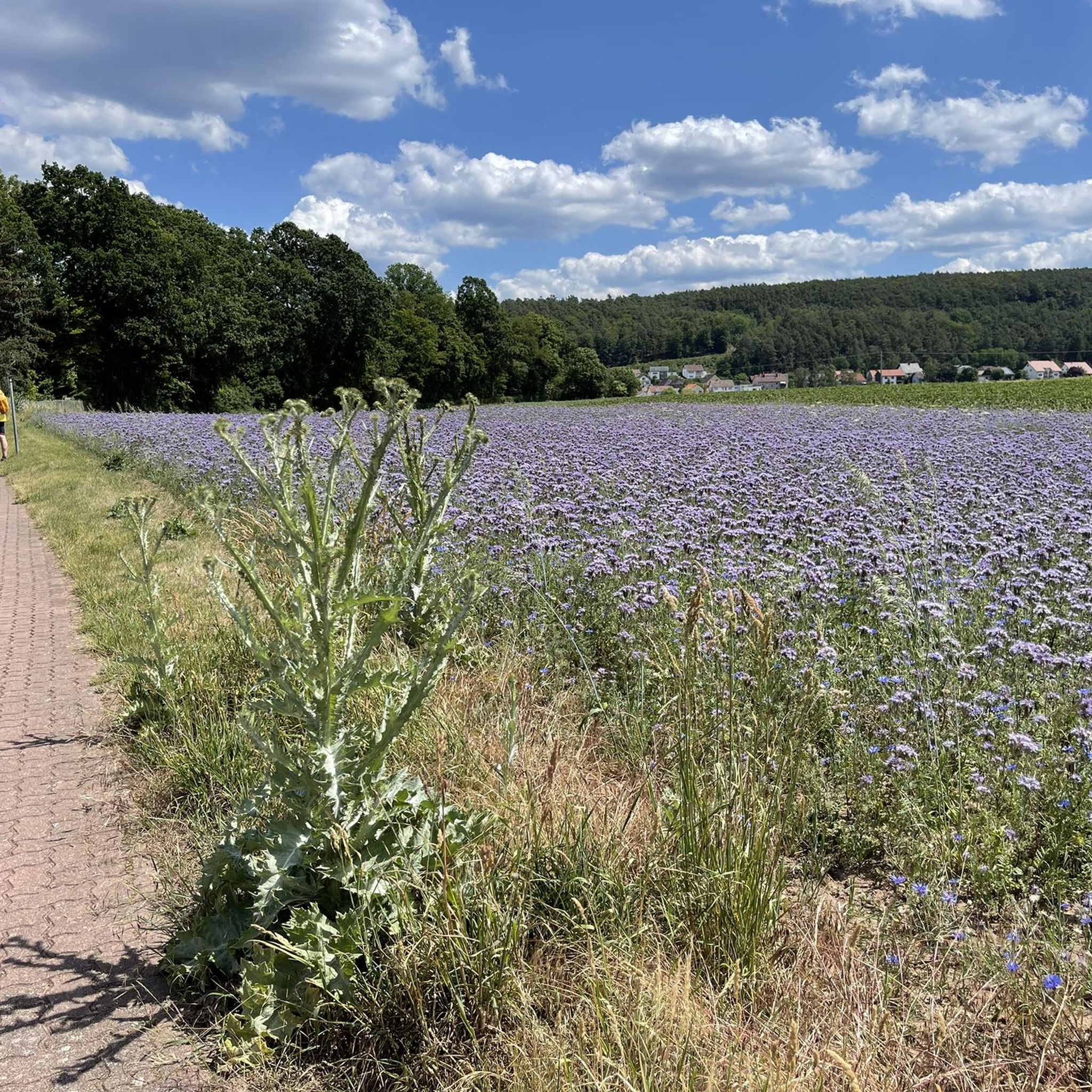
Cycling around Enkenbach-Alsenborn
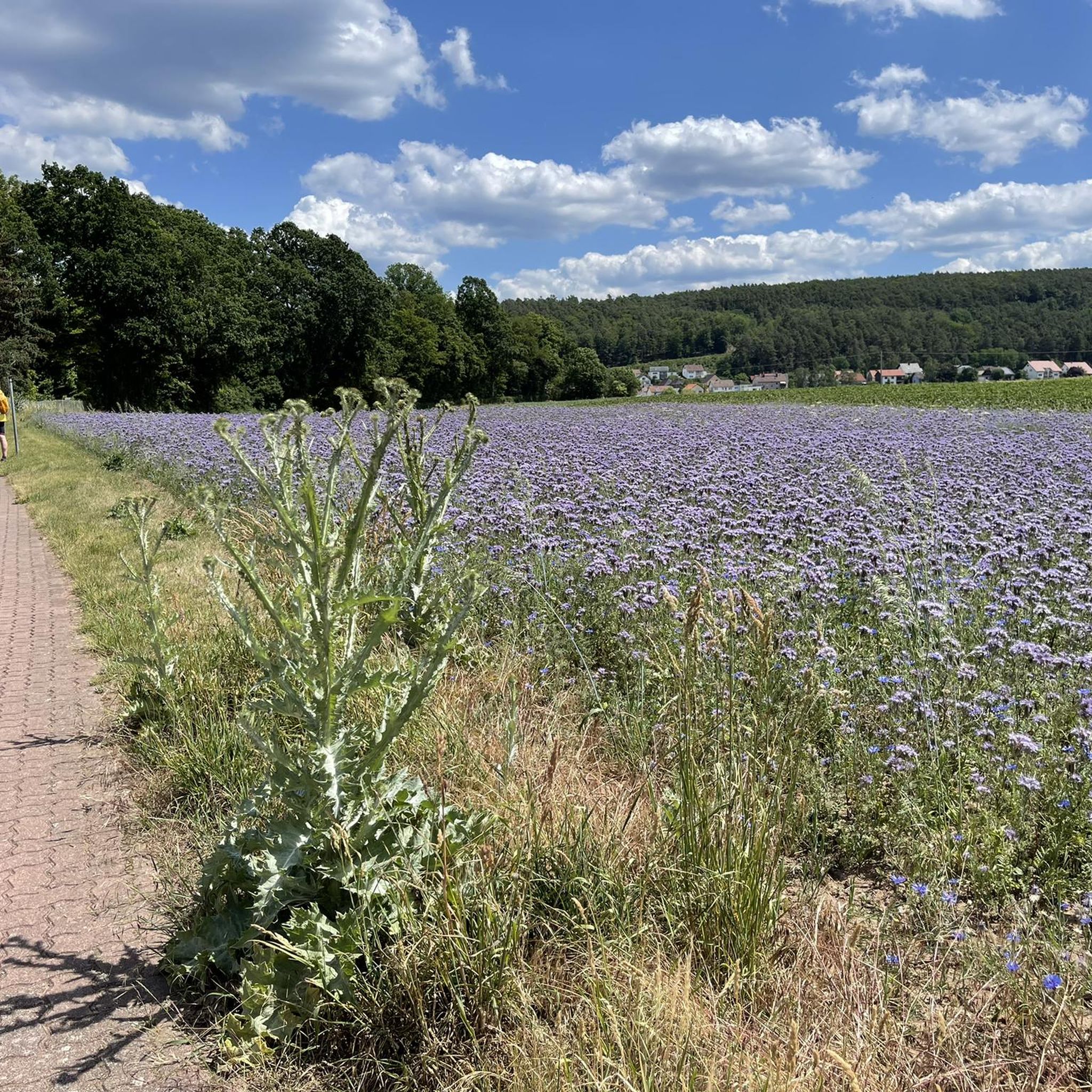
Road Cycling Routes around Enkenbach-Alsenborn
MTB Trails around Enkenbach-Alsenborn
Running Trails around Enkenbach-Alsenborn
Gravel biking around Enkenbach-Alsenborn

Mountain Hikes around Enkenbach-Alsenborn
Other adventures around Enkenbach-Alsenborn

Tips from the Community


Unfortunately, it only opens 1-2 days a month during the summer months. Check in advance!
1
0

The cave is difficult to reach (below the path) and unfortunately not worth it in my opinion. Apart from the inscription in the sandstone, there is nothing to see and there is a hole at the top of the cave through which rain can get in.
0
0

Part of the mining history around Imsbach. An information board provides information about iron ore mining.
6
1

Mining was already taking place here in Roman times. From 1941 onwards it was no longer profitable to operate such small mines!
3
0

Mining has a long tradition in the Palatinate region, dating back to Celtic times in some areas. Since 2006, the "Grube Maria" iron ore mine, over 250 years old and last operated in 1923, has been open to visitors. A tour of its tunnels and shafts offers an impressive insight into the hard work underground. The mine has two levels (in mining terms, "levels"). The main tunnel on the lower level is approximately 250 meters long and completely straight, so that from its rear end, the entrance can still be seen as a small, bright dot. Here and in several side tunnels, you can learn a great deal about the mined rocks, the iron ore deposits, and mining techniques. A shaft with a spiral staircase leads to the tunnel on the upper level, approximately 15 meters higher, which crosses narrow galleries dating back to the 18th century. https://www.pfalz.de/de/sehenswuerdigkeit/bergbauerlebniswelt-imsbach Opening hours of the "Grube Maria" Mining Museum and Visitor Mine: https://www.bew-imsbach.de/index.php/de/oeffnungszeiten
2
1

The former iron ore mine Maria has a long history: In the early 1770s, the postmaster Franz Didier from Kaiserslautern had iron ore digging carried out in various places on the southern edge of the Donnersberg massif. Another concession was granted around 130 years later to the Hochfels union under the name "Maria". This concession from 1902 led to further excavations. However, it soon became apparent that the ore was not worth mining and the work was stopped again.
3
0
Frequently Asked Questions
Are there natural caves with stalactites and stalagmites around Enkenbach-Alsenborn?
Directly within the municipality of Enkenbach-Alsenborn, there are no notable natural caves featuring typical formations like stalactites and stalagmites. The region is primarily known for its unique man-made underground structures and historical sites, rather than natural cave systems. For natural caves, you would need to explore other regions of Germany.
What kind of 'caves' can I explore near Enkenbach-Alsenborn?
The 'caves' around Enkenbach-Alsenborn are predominantly historical and man-made. These include former mining operations, such as the Katharina I Mine and Maria Iron Ore Mine, as well as rock-carved hermitages like the Börrstadt Hermitage. These sites offer a glimpse into the area's rich historical and geological context.
Which historical underground sites are most popular in the area?
Among the most popular historical underground sites are the Börrstadt Hermitage, a religious building carved into rock, and the Katharina I Mine, a former copper mine with visible older tunnels. Visitors also appreciate the Maria Iron Ore Mine for its historical significance.
Are there any visitor mines or accessible historical mining sites?
Yes, the White Mine — Visitor Mine offers insight into the former miner's world around the Donnersberg. It is one of the oldest pits in the area, where copper and cobalt were extracted, possibly as early as Roman times. The Iron Gate is another historical site related to iron mining, featuring a tunnel started in 1773.
Are the 'caves' around Enkenbach-Alsenborn suitable for families?
Yes, some of the historical sites are family-friendly. For example, the White Mine — Visitor Mine is categorized as family-friendly, offering an educational experience. The Iron Gate is also suitable for families interested in local history.
What other outdoor activities can I do near these historical sites?
The region around Enkenbach-Alsenborn offers diverse outdoor activities. You can find numerous hiking trails, such as the easy 'Alsenborn Labyrinth – Dieburg (Alsenborn Castle) loop', or moderate routes like 'Eiswoog Lakeside Beer Garden – Billes Pond loop'. For cycling enthusiasts, there are options like the 'Schwarzweiher – Eselsmühlweiher loop'. You can explore more routes on the Hiking around Enkenbach-Alsenborn or Cycling around Enkenbach-Alsenborn guide pages.
Is the Alsenborner Labyrinth a natural cave?
No, the Alsenborner Labyrinth is a unique, man-made labyrinth, not a natural cave. It is part of the 'Alsenborner Lebenspfad' and is designed for reflection and meditation, featuring intricate paths and carved figures. It offers a peaceful atmosphere for quiet contemplation.
What should I wear when visiting these underground sites?
Even in summer, temperatures underground can be cool, so it's advisable to bring a light jacket or sweater. Sturdy, comfortable shoes are recommended, especially for mines or sites with uneven terrain. A headlamp or flashlight can also be useful for exploring darker sections, as suggested by visitors to the Börrstadt Hermitage.
How long does it typically take to explore these sites?
The time required varies by site. Smaller sites like the Börrstadt Hermitage might take 30 minutes to an hour. Larger mining sites, especially visitor mines, could involve guided tours or more extensive exploration, potentially taking 1-2 hours or more. It's best to check specific visitor information for each location.
Can I bring my dog to these historical sites?
While many outdoor trails in the Palatinate Forest are dog-friendly, access to specific historical underground sites or visitor mines may be restricted for pets. It's recommended to check the individual site's regulations before planning your visit with a dog.
What is the best time of year to visit the underground structures around Enkenbach-Alsenborn?
The historical underground structures can generally be visited year-round, as their appeal is less dependent on weather conditions than outdoor activities. However, spring and autumn offer pleasant temperatures for combining your visit with hiking or cycling in the surrounding Palatinate Forest. Always check specific opening hours, especially outside of peak season.
Are there any viewpoints or natural features near these sites?
While the 'caves' themselves are historical structures, the region is part of the Palatinate Forest, known for its natural beauty. Many hiking and cycling routes in the area offer scenic viewpoints and lead through diverse landscapes. For example, some cycling routes offer a 'View of Donnerberg' or 'View of Eiswoog from above'.
Most popular routes around Enkenbach-Alsenborn
Most popular attractions around Enkenbach-Alsenborn

Get inspired with the komoot mobile app


Explore more
Extend your search for the best caves by checking out these guides of the top ones around Enkenbach-Alsenborn:
