Top 7 Caves around Queidersbach
Best caves around Queidersbach are found within a region known for its scenic hiking and biking trails. The surrounding area in Rhineland-Palatinate features various subterranean formations. These include natural rock shelters and significant sandstone caves. The landscape offers opportunities for exploring geological features and historical sites.
Best caves around Queidersbach
- The most popular caves is Small Waterfall and Rocky Overhang (Palatinate), a waterfall and cave that offers a shaded and covered place for a rest. It is one of…
Last updated: September 30, 2026
Hermitage Cave in the Karlstal Gorge
Highlight • Cave
Translated by Google •
Tip by

Krämerstein Rock Formation
Highlight • Natural Monument
Translated by Google •
Tip by

Sign up now to discover places like this
Get recommendations on the best single tracks, peaks, & plenty of other exciting outdoor places.
Paleolithic Rock Shelter
Highlight • Cave
Translated by Google •
Tip by

Bärenloch Natural Monument
Highlight • Natural Monument
Translated by Google •
Tip by

Small Waterfall and Rocky Overhang (Palatinate)
Highlight • Waterfall
Translated by Google •
Tip by

Sign up for free to discover even more caves around Queidersbach.
Already have an account?
Start today with a free account
Your next adventure awaits.
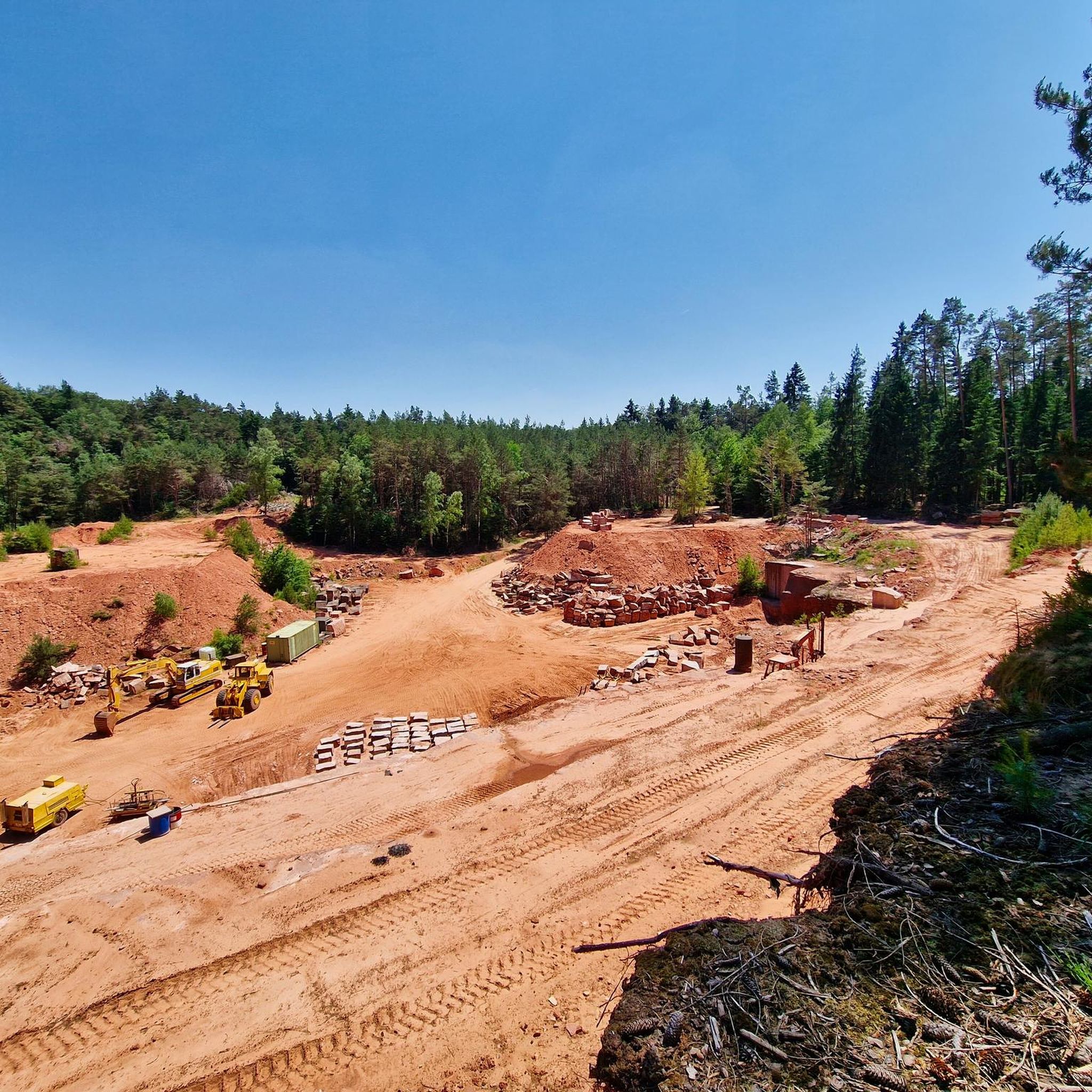
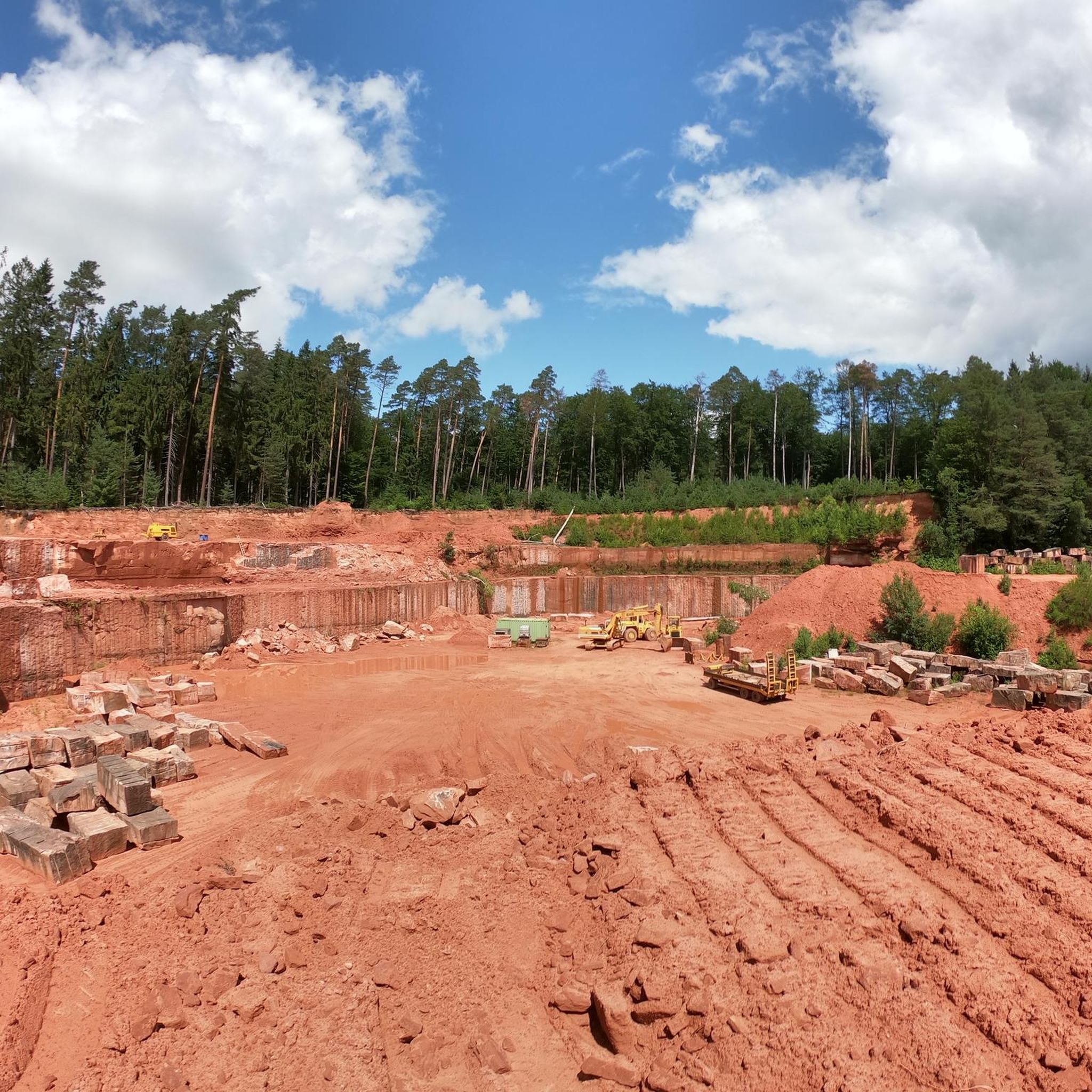
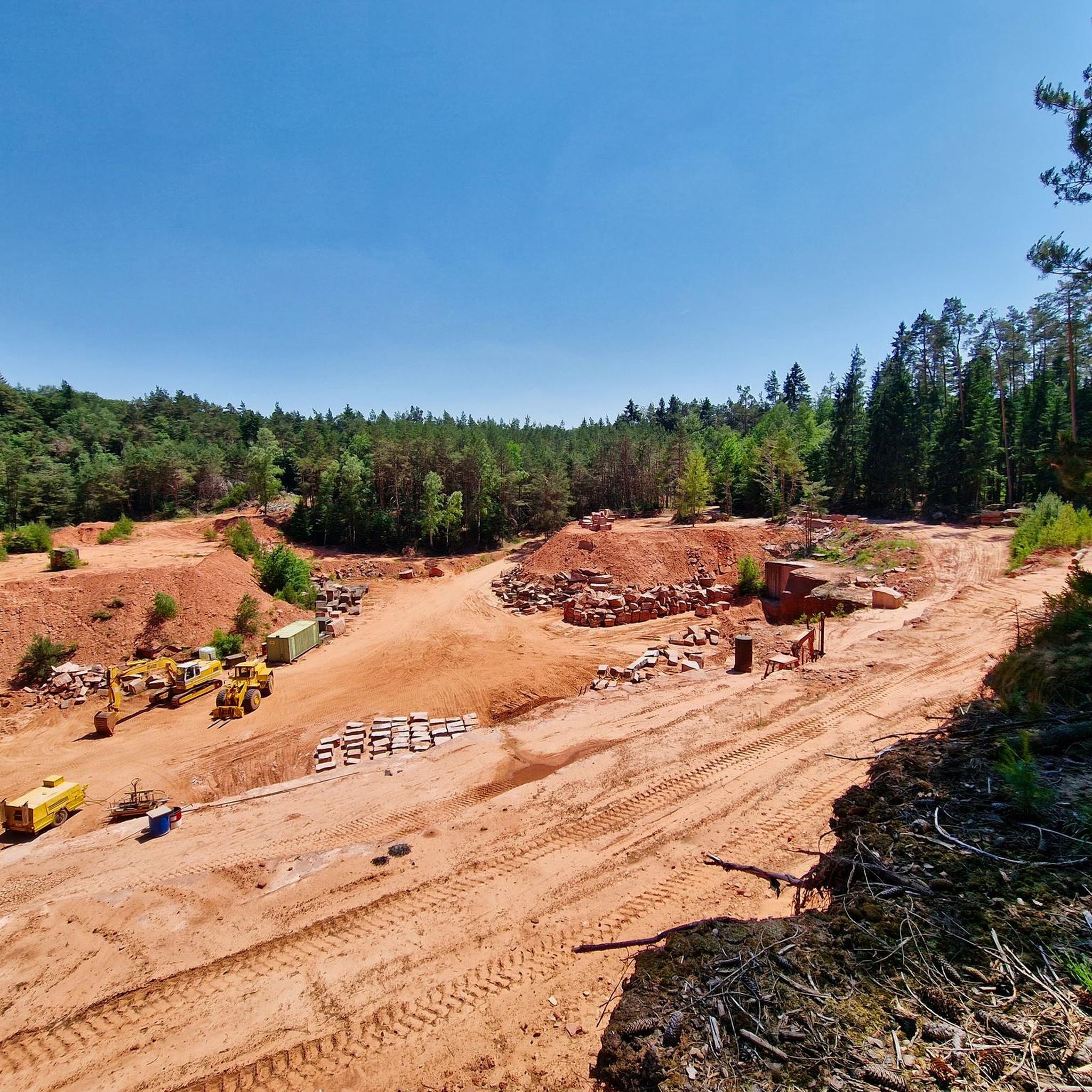
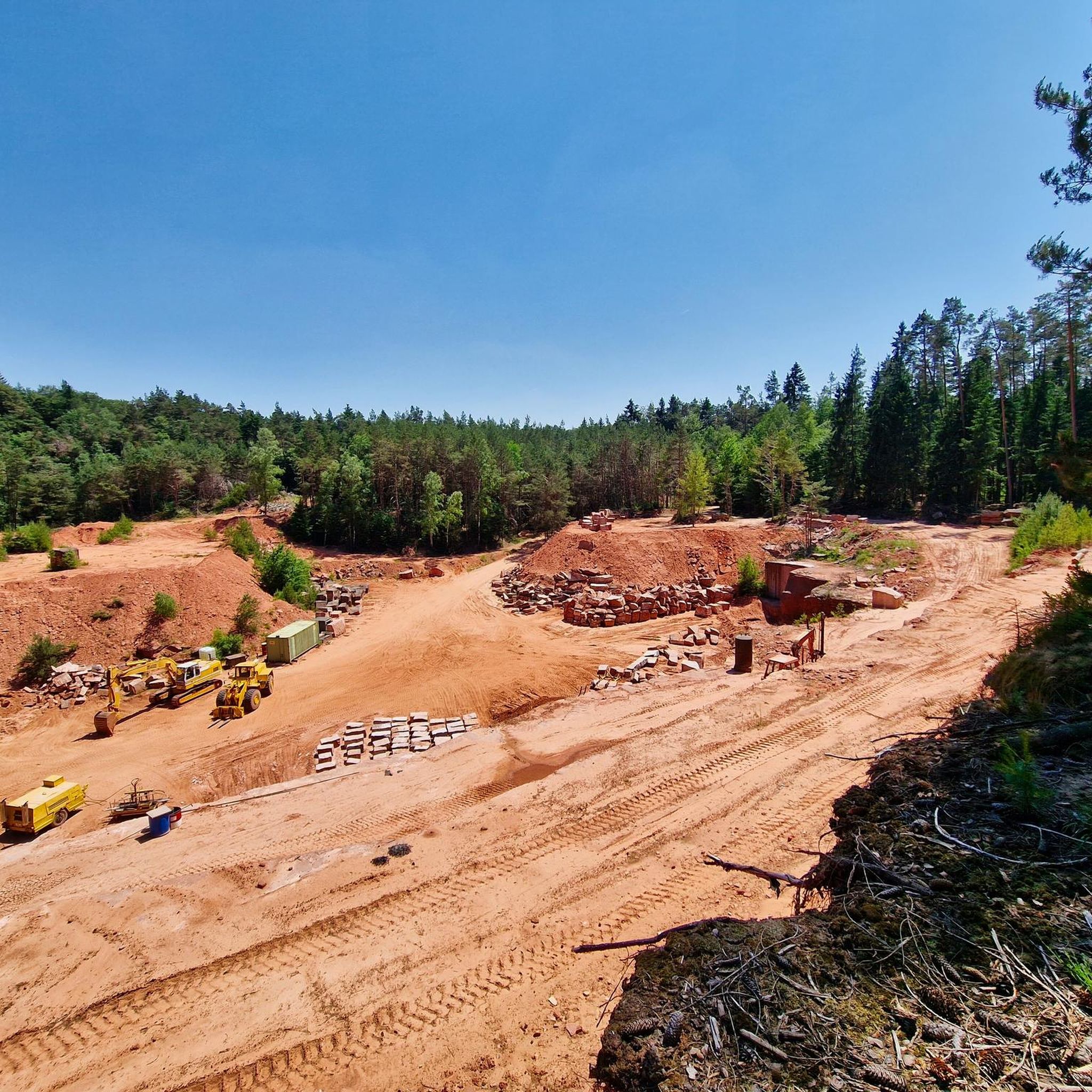
Tips from the Community

The trail passes this small waterfall and the shelter. Unfortunately, there was trash at the shelter and at this beautiful spot. It's a shame, but that doesn't have to happen! Take your trash with you!
0
0

This could have been an "abri", a half-cave, as a shelter for early humans from the Old Stone Age (Paleolithic), the oldest era in human history. It began on our 4.5 billion year old earth around 2 million years ago in East Africa, as evidenced by finds of skulls and bones and primitive tools made of stone and wood. Around 600,000 BC, small groups of Old Stone Age people also appeared in Germany. Based on the greywacke artefacts found here by local historian Albert Westrich, the archaeologist Emil Hofmann determined that they were used as scrapers, striking stones, graters and stingers as early as 600,000-800,000 years ago. His book "Altpaläolithische Fundplätze des Homo erectus heidelbergensis Schmitshausen", published in 2008, depicts the finds.
0
0

Did bears really once live here, as they say?
2
0

According to legend, an old woman lived in this former hermitage
1
0

According to legend, an old woman lived here. Later, a shepherd and a damsel of the castle met there. When their love was forbidden, both drowned in the Moosalb. Two swans still swim at Klug'sche Mühle today, reminding them of the two young people. The cave is interesting and easy to get to.
1
0

Shaded and covered place for a rest
2
1
If you leave the water show path at the "Quellen" sign for a few meters, you will come to a small waterfall. It is one of the many tributaries from hillside springs.
1
0

If you follow one of the staircases that lead here and there up the rising flanks of the gorge, with a bit of luck you will discover the cave-like hermitage in which a hermit is said to have once lived. Inside there is a simple stone cross on a cracked base. The text on it is repeated on the cast-iron plaque next to it. If you take the trouble to decipher the couplets, you will learn more about the details. According to them, the cross is reminiscent of a tragic love death that is connected to Wilenstein Castle: "At Aschbach and immediately in the grave, the knight's bride is killed by a shepherd boy." The corresponding legend of the unfortunate "Fräulein von Wilenstein" and her beautiful shepherd boy can be found in Friedrich Wilhelm Hebel's collection of Palatinate legends. So the "hermitage" ultimately turns out to be part of an overall design concept that wanted to make the walk through nature a romantic and intellectual experience. A bit of horror story included. Source: https://www.rheinpfalz.de/leo-freizeit-news_artikel,-kurztrip-nach-trippstadt-_arid,5133191.html
5
0
Frequently Asked Questions
What types of caves can I explore around Queidersbach?
The region around Queidersbach offers a variety of subterranean formations. You can find natural rock shelters, impressive sandstone caves, and historical cave dwellings. Examples include the Krämerstein Rock Formation with its 12-meter-high sandstone cliffs, and the Paleolithic Rock Shelter, which served as a dwelling for Stone Age people.
Are there any family-friendly caves or rock formations to visit?
Yes, several spots are suitable for families. The Small Waterfall and Rocky Overhang (Palatinate) is noted as family-friendly, offering a shaded place for a rest. Exploring the Krämerstein Rock Formation can also be an engaging experience for families, as it features impressive sandstone cliffs.
What historical significance do the caves near Queidersbach hold?
The caves and rock shelters in the area have a rich history. The Paleolithic Rock Shelter is a significant historical site where hand axes, scrapers, and other primitive tools from Stone Age people were discovered. Additionally, the Hermitage Cave in the Karlstal Gorge has historical ties, with tales of workers from ironworks and an elderly woman living there.
What are the most popular cave-like attractions in the immediate Queidersbach area?
Among the most appreciated by the komoot community are the Small Waterfall and Rocky Overhang (Palatinate), which offers a shaded resting spot, and the Krämerstein Rock Formation, known for its imposing sandstone cliffs. The Paleolithic Rock Shelter is also highly regarded for its historical significance.
Are there any larger, more extensive cave systems in the broader region?
While Queidersbach itself features rock shelters and formations, the broader Rhineland-Palatinate region offers more extensive cave systems. The Schlossberg Caves in Homburg are notable as the largest Buntsandstein caves in Europe, featuring a vast network with three floors open to visitors. The Lava Cellars deep beneath Mendig, carved into volcanic rock, also offer a unique subterranean experience.
What outdoor activities can I combine with a visit to the caves?
The region around Queidersbach is excellent for various outdoor activities. You can find numerous MTB trails, cycling routes, and running trails. Many of these routes pass by or near natural monuments and rock formations, allowing you to combine your cave exploration with hiking, biking, or running.
Are there specific hiking trails that lead to or past these caves?
Yes, many trails incorporate these natural features. For instance, the Hermitage Cave in the Karlstal Gorge is part of popular hiking routes through the scenic Karlstal. The Krämerstein Rock Formation is also situated along beautiful paths, making it a great stop on a longer hike.
What kind of geological features can be observed in the caves and rock formations?
The region is characterized by distinctive Buntsandstein (Bunter Sandstone) formations. The Krämerstein Rock Formation, for example, showcases 12-meter-high sandstone cliffs from the Middle Buntsandstein period. These formations often display varied sandstone colors based on their mineral content, creating visually interesting environments.
What do visitors particularly enjoy about the caves and rock formations in the Queidersbach area?
Visitors appreciate the natural beauty and the sense of discovery. Many enjoy the shaded and covered spots for rest, like the Small Waterfall and Rocky Overhang. The imposing red sandstone cliffs of the Krämerstein Rock Formation are often described as impressive, especially when encountered on a trail. The historical context of sites like the Paleolithic Rock Shelter also adds a fascinating dimension to the experience.
Are there any unique natural monuments related to caves in the area?
Yes, the Bärenloch Natural Monument is a notable example, offering beautiful trails and serving as a great spot for a break. The Krämerstein Rock Formation is also designated as a natural monument, showcasing significant geological features.
Is it possible to visit caves in the wider region that are not directly in Queidersbach?
Absolutely. Beyond Queidersbach, the wider Rhineland-Palatinate region offers other unique cave experiences. The Bears' Cave (Bärenhöhle) near Rodalben is an impressive natural monument with two caves and a waterfall. The Lava Cellars in Mendig provide a distinct experience, carved into volcanic rock and historically used for beer storage.
Most popular routes around Queidersbach
Most popular attractions around Queidersbach

Get inspired with the komoot mobile app


Explore more
Extend your search for the best caves by checking out these guides of the top ones around Queidersbach:
