Top 17 Caves around Lingerhahn
Best caves around Lingerhahn are primarily found within the surrounding Rhein-Hunsrück-Kreis region, characterized by its historical slate mining and geological formations. The area features numerous former mine tunnels and slate caves, offering insights into the region's industrial past. These sites often serve as important habitats for local wildlife, particularly bats. Visitors can explore a blend of natural geological features and historical mining heritage.
Best caves around Lingerhahn
- The most popular caves is Baybachtal Bat Cave (Slate Tunnel), a cave…
Last updated: June 27, 2026
Baybachtal Bat Cave (Slate Tunnel)
Highlight • Cave
Translated by Google •
Tip by

Klöckners Kaul slate mine tunnel and rest area
Highlight • Cave
Translated by Google •
Tip by

Sign up now to discover places like this
Get recommendations on the best single tracks, peaks, & plenty of other exciting outdoor places.
Sign up for free
Upper and Lower Laykaul Slate Caves
Highlight • Cave
Under a huge slate rock, a man-high opening gives access to the huge "Untere Laykaul" cave, which has been expanded with tunnels. At the end of the at …
Translated by Google •
Tip by

Prinzenstein Mine Tunnel in Brandswald
Highlight • Cave
Translated by Google •
Tip by
Marian grotto
Highlight • Religious Site
Two benches are available on the way for a rest.
Translated by Google •
Tip by
Sign up for free to discover even more caves around Lingerhahn.
Sign up for free
Already have an account?
Start today with a free account
Your next adventure awaits.
Login or Signup
Tips from the Community

Hello, The adit is not suitable for beginners. You have to wade through at least half a kilometer of waist-deep water to 100m deep shafts. If you have questions, feel free to send a message on Instagram: @marlon.nix
0
0

An impressive natural monument. If you hike the trail in autumn or winter, the next 500 meters to the Rheinblick shelter are very difficult. The path leads steeply uphill to the right of the cave. The rocks are completely covered in leaves, so you have to clear them step by step with one foot to see where you're placing your next foot. The safety rope is of very limited help in this situation. So climb very slowly and carefully, and use your trekking poles judiciously. At the Rheinblick shelter, you can then take a breather.
1
0

large rocky outcrop as a shelter and as a wintering place for bats
3
0

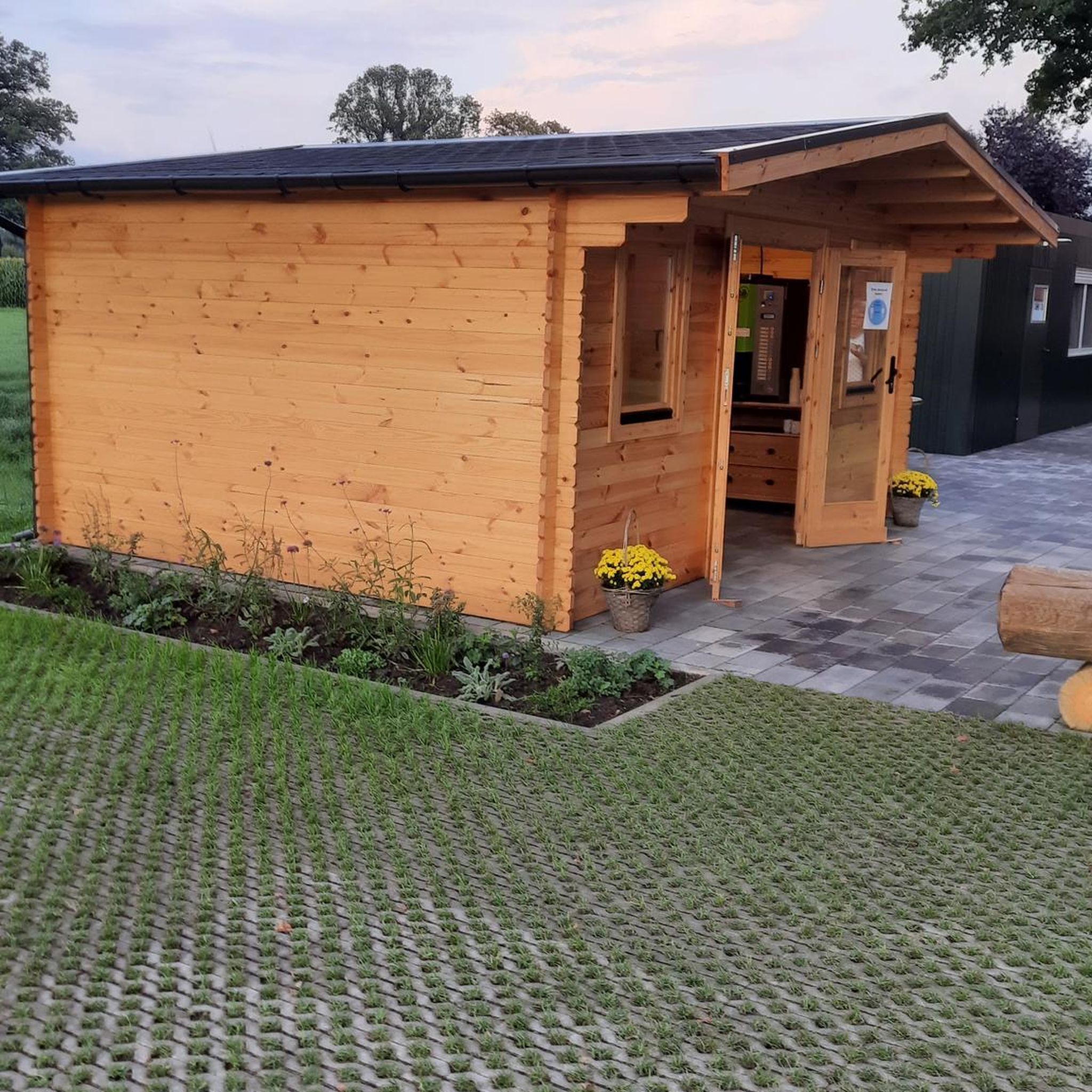
A slate mine with a nice rest area and information board.
2
0

There are quartz veins between the slate layers. You don't see them very often. The cave is damp from the dripping water, which makes it seem mystical.
0
0

This evidence of the former slate mining in the Baybachtal can be found in several places.
2
0

Even if it's tempting: Don't go in (even if the cave is open) and disturb the bats, because then they might not survive hibernation!
2
0

The tunnel is located in the forest directly on the RheinBurgenWeg hiking trail. A certain spooky atmosphere when approaching cannot be denied.
0
0
Frequently Asked Questions
What types of caves can I explore around Lingerhahn?
The Lingerhahn area, located within the Rhein-Hunsrück-Kreis region, is known for its historical slate caves and old mine tunnels. These sites offer a blend of natural geological features and insights into the region's industrial past, often serving as important habitats for local wildlife.
Do the caves around Lingerhahn have historical significance?
Yes, many caves in the region are former mining sites with rich history. For example, the Upper and Lower Laykaul Slate Caves served as wartime shelters, earning the area the nickname "Zittertal." The Klöckners Kaul slate mine tunnel is another historical mining site where slate was extracted.
Are there any caves around Lingerhahn that are important for wildlife?
Yes, several former mine tunnels and slate pits now serve as protected habitats, particularly for bats. The Baybachtal Bat Cave (Slate Tunnel) is a notable example, where former roof slate pits are now a significant wintering place for bats. Many mine tunnels in the Hunsrück are sealed with bars to provide safe sleeping places for these animals.
Can I enter all the mine tunnels and slate caves around Lingerhahn?
Access varies by location. The Baybachtal Bat Cave entrance is barred to protect the bats. The Prinzenstein Mine Tunnel is sealed with a concrete block, though a small hole allows access for slender individuals. The Upper and Lower Laykaul Slate Caves have accessible entrances, though the Upper Laykaul entrance is small due to a rockfall.
Are there family-friendly caves or accessible options near Lingerhahn?
The Klöckners Kaul slate mine tunnel and rest area is considered family-friendly, offering a prepared rest area near the historical mining site. While some tunnels may require careful navigation, this spot provides an easier experience.
What can I expect at the Baybachtal Bat Cave (Slate Tunnel)?
The Baybachtal Bat Cave (Slate Tunnel) features former roof slate pits and tunnel entrances that extend several hundred meters into the mountain. It was once a significant mining operation and now serves as a protected wintering place for bats. While the entrance is barred for protection, you can still observe the mighty slate slabs in the earth outcrops and appreciate its historical and ecological importance.
What outdoor activities can I do near the caves around Lingerhahn?
The region around Lingerhahn offers various outdoor activities. You can find numerous routes for MTB Trails, Cycling, and Gravel Biking. These routes often pass by or are close to the historical mining sites and natural features of the Hunsrück.
Are there hiking trails near these caves?
Yes, many of the caves and mine tunnels are located along or near hiking trails. For instance, the Prinzenstein Mine Tunnel is situated directly on the RheinBurgenWeg hiking trail. Exploring these trails allows you to discover the caves while enjoying the natural landscape of the Hunsrück.
What is the Marian grotto near Lingerhahn?
The Marian grotto is a small, accessible rock niche with a Madonna statue. It was made accessible by private initiative and is lovingly cared for. It offers a peaceful spot for reflection, reachable via a staircase, with benches nearby for resting.
What should I know about visiting the Upper and Lower Laykaul Slate Caves?
The Upper and Lower Laykaul Slate Caves are historical sites that served as wartime shelters. The Lower Laykaul features a man-high opening leading into a large cave with tunnels. The Upper Laykaul, despite a rockfall, still has an entrance leading into a cave about 8 meters high and 30 meters deep. You can observe the trapezoidal shape of the slate mining, following the rock's folding.
Are there any challenging cave exploration opportunities?
Some of the sites, such as the Upper and Lower Laykaul Slate Caves and the Prinzenstein Mine Tunnel, are categorized as challenging. The Prinzenstein tunnel, for example, requires a slim or small person to access through a carved hole. These locations offer a more adventurous experience for those seeking it.
Most popular routes around Lingerhahn
Most popular attractions around Lingerhahn

Get inspired with the komoot mobile app


Explore more
Extend your search for the best caves by checking out these guides of the top ones around Lingerhahn:
