Top 19 Caves around Badenhard
Caves around Badenhard are primarily found within the surrounding Rhein-Hunsrück-Kreis, a region known for its deeply cut valleys and slate formations. The area's geology has led to the development of natural rock shelters and numerous former mining tunnels. These features offer insights into the region's industrial past and provide unique natural experiences for explorers. Badenhard's proximity to the Naturpark Soonwald-Nahe further enhances its appeal for those interested in natural features and outdoor activities.
Best caves around Badenhard
- The most popular…
Last updated: June 27, 2026
Steeg Slate Mine
Highlight • Cave
To the right …
Translated by Google •
Tip by

Upper and Lower Laykaul Slate Caves
Highlight • Cave
Under a huge slate rock, a man-high opening gives access to the huge "Untere Laykaul" cave, which has been expanded with tunnels. At the end of the at …
Translated by Google •
Tip by
Sign up now to discover places like this
Get recommendations on the best single tracks, peaks, & plenty of other exciting outdoor places.
Sign up for free
Well-Weibches-Loch Cave
Highlight • Cave
The beautiful innkeeper's daughter betrays the residents' refuge to the Swedes during the Thirty Years' War and gets pregnant. After the end …
Translated by Google •
Tip by
Prinzenstein Mine Tunnel in Brandswald
Highlight • Cave
Translated by Google •
Tip by
Gerhardshöhle
Highlight • Cave
Translated by Google •
Tip by

Sign up for free to discover even more caves around Badenhard.
Sign up for free
Already have an account?
Start today with a free account
Your next adventure awaits.
Login or Signup
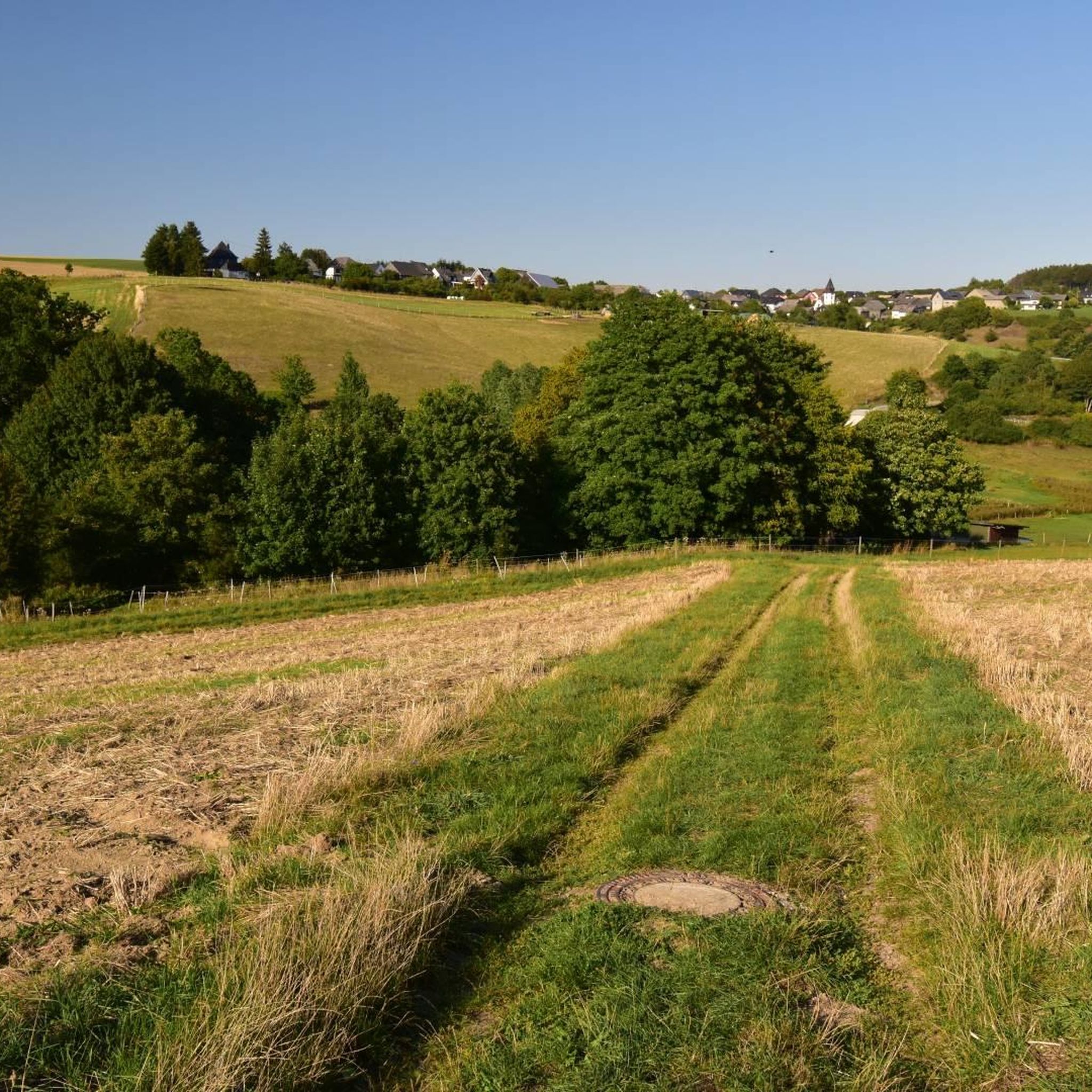
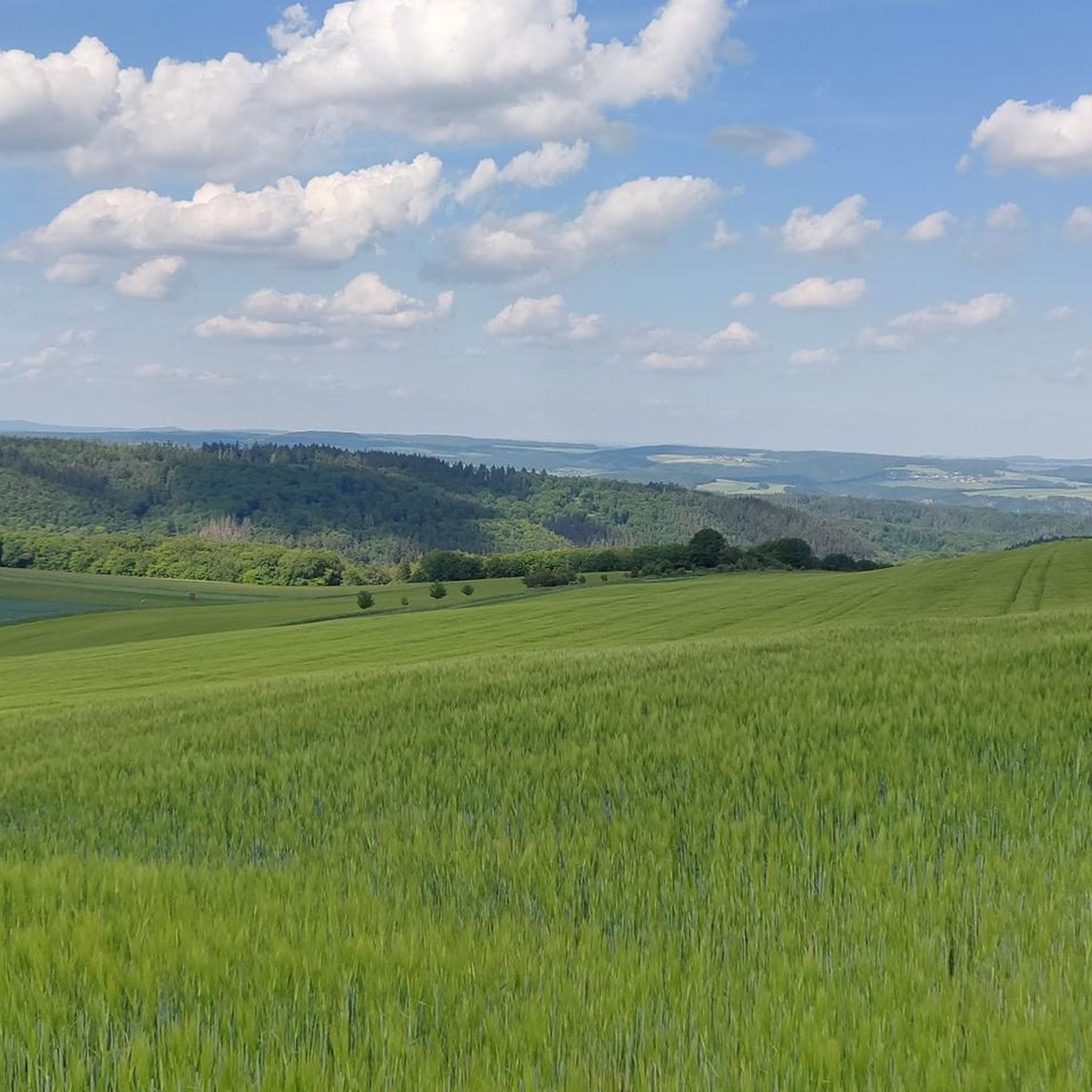
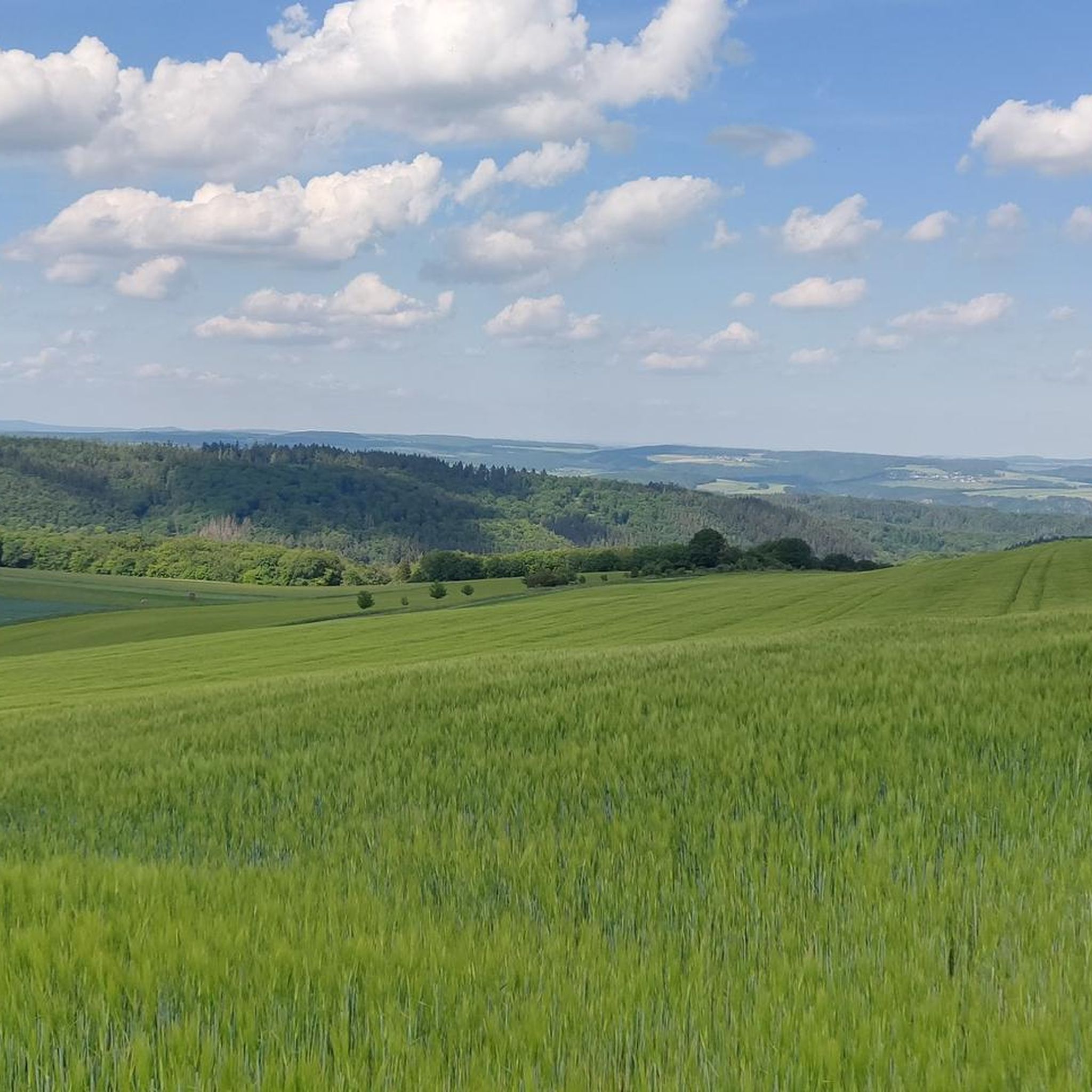
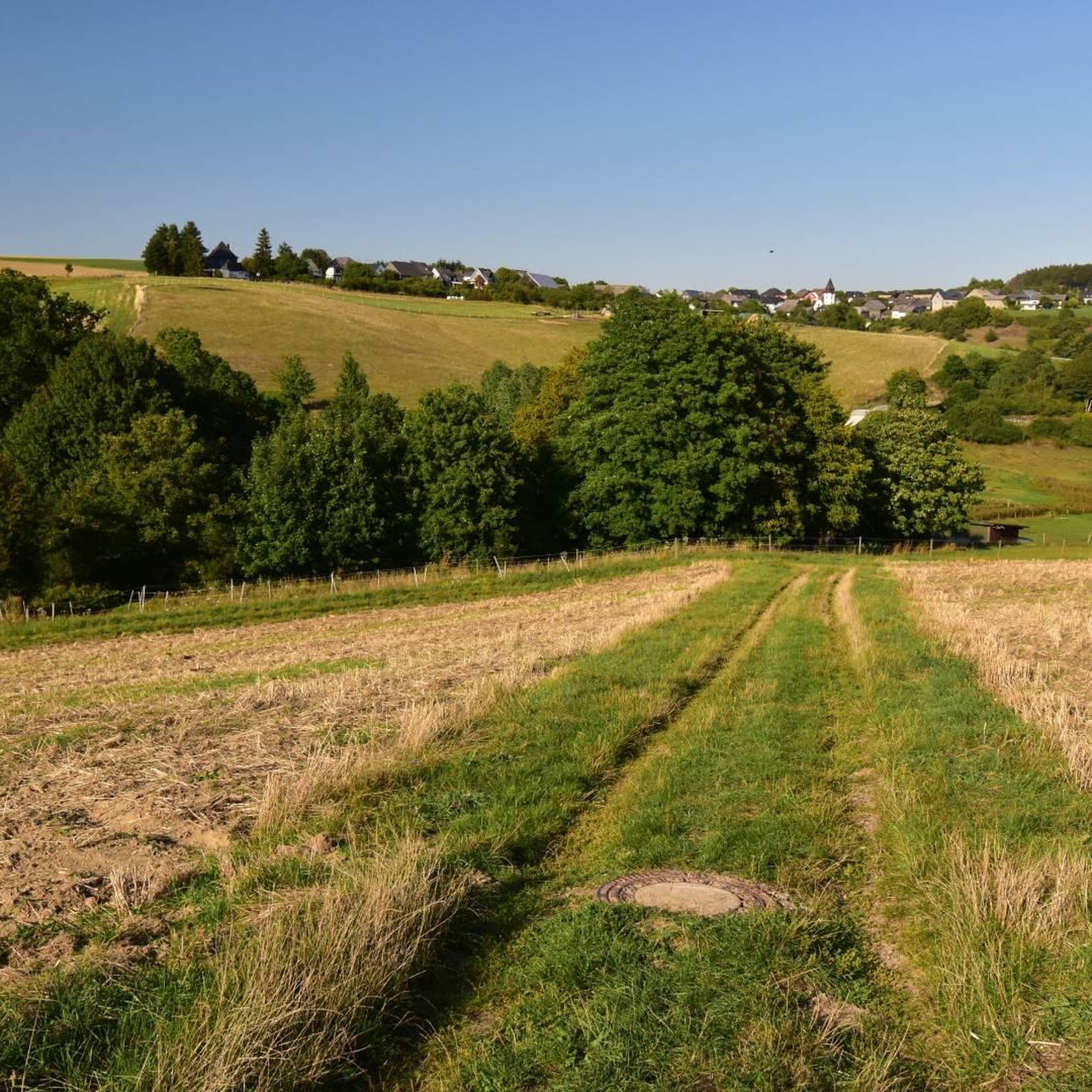
Tips from the Community

Hello, The adit is not suitable for beginners. You have to wade through at least half a kilometer of waist-deep water to 100m deep shafts. If you have questions, feel free to send a message on Instagram: @marlon.nix
0
0

An impressive natural monument. If you hike the trail in autumn or winter, the next 500 meters to the Rheinblick shelter are very difficult. The path leads steeply uphill to the right of the cave. The rocks are completely covered in leaves, so you have to clear them step by step with one foot to see where you're placing your next foot. The safety rope is of very limited help in this situation. So climb very slowly and carefully, and use your trekking poles judiciously. At the Rheinblick shelter, you can then take a breather.
1
0
The path is completely overgrown and slippery!
1
0

Beautiful legend and great view of the stream bed
1
0


Spectacular insight into slate mining
0
0

There are several slate mines around Steeg where mining continued until the 20th century. The mines are closed with steel bars for safety reasons.
0
0
There are quartz veins between the slate layers. You don't see them very often. The cave is damp from the dripping water, which makes it seem mystical.
0
0
Frequently Asked Questions
What kind of caves can I expect to find around Badenhard?
The caves around Badenhard are primarily former slate mining tunnels and natural rock shelters within the Rhein-Hunsrück-Kreis. These sites offer a glimpse into the region's industrial past and showcase unique geological formations.
Are there any historical caves or mining tunnels to explore?
Yes, the region is rich in historical mining tunnels. Notable examples include the Upper and Lower Laykaul Slate Caves, which served as shelters during wartime, and the Steeg Slate Mine, where you can still see machining marks from past activities. The Prinzenstein Mine Tunnel in Brandswald is another historical site, though its main entrance is sealed.
What should I know before visiting the Upper and Lower Laykaul Slate Caves?
The Lower Laykaul features a man-high opening leading into an extensive system with a high dome and smaller tunnels. The Upper Laykaul has a smaller opening due to a rockfall but still offers an accessible cave. Both were used as wartime shelters and are locally known as 'Zittertal'. Appropriate footwear and a torch are recommended for exploring inside.
Is the Baybachtal Bat Cave accessible to visitors?
The Baybachtal Bat Cave, a former roof slate pit, is known as a bat habitat. While the Baybachtal itself offers scenic hiking, access to the specific bat cave tunnel may be restricted, especially during bat hibernation periods, to protect the wildlife. It's advisable to check local regulations before planning a visit.
Are there any caves with local legends or unique stories?
Yes, the Well-Weibches-Loch Cave is a natural monument with a local legend about an innkeeper's daughter and the Thirty Years' War. You can often find information boards at the site detailing the story, making it an exciting spot in the beautiful Pulsbachtal.
What are the best outdoor activities to combine with a visit to the caves?
The caves are often integrated into hiking trails. You can find numerous routes for running, cycling, and mountain biking around Badenhard. Many of these trails pass by or near the cave features, offering a chance to explore the natural beauty of the Naturpark Soonwald-Nahe and the deeply cut valleys of the Rhein-Hunsrück-Kreis.
What should I wear or bring when exploring caves in this region?
Given the varied terrain and the nature of former mining tunnels, sturdy, waterproof footwear is highly recommended. A torch or headlamp is essential, as many tunnels are unlit. Layers of clothing are also advisable, as temperatures inside can be cooler than outside. Some areas might be wet or muddy.
Are there any smaller, less-known caves suitable for a quick stop?
The Gerhardshöhle is a smaller, not-too-deep cave carved into the slate. It's a good spot for a quick visit, offering protection from rain or a cool respite in summer, and is often enjoyed by families with children.
When is the best time to visit the caves around Badenhard?
The caves can be visited year-round, but spring and autumn offer pleasant hiking weather for the surrounding trails. During winter, some areas might be slippery due to ice or snow. It's important to be aware that some bat habitats may have seasonal closures, typically during colder months, to protect the animals.
Are the caves around Badenhard suitable for families with children?
Many of the natural rock shelters and some of the less extensive former mining tunnels, like the Gerhardshöhle, can be suitable for families. However, some tunnels may require navigating narrow passages or wet conditions, so parental discretion and supervision are advised. Always ensure children have appropriate footwear and a light source.
What is the geological significance of the caves in the Rhein-Hunsrück-Kreis?
The caves and rock formations in the Rhein-Hunsrück-Kreis are primarily formed in slate, a metamorphic rock. This geology led to the extensive slate mining industry in the past, creating many of the tunnels now explored. The natural formations showcase the effects of geological processes over time, offering insights into the region's unique landscape.
Most popular routes around Badenhard
Most popular attractions around Badenhard

Get inspired with the komoot mobile app


Explore more
Extend your search for the best caves by checking out these guides of the top ones around Badenhard:
