Top 20 Caves around Ferschweiler
Best caves around Ferschweiler are found within the Ferschweiler Plateau, a sandstone highland in Germany's South Eifel region, and its surroundings. This area is characterized by distinctive rock formations, gorges, and rock hollows, often referred to as caves. These geological features, primarily formed from Luxembourg Sandstone, offer unique visiting experiences. The landscape is a result of frost weathering and rockslides that occurred approximately 12,000 years ago.
Best caves around Ferschweiler
- The most popular caves is Labyrinth of Rocks (Felsenlabyrinth) Mullerthal…
Last updated: June 27, 2026
Huel Lee (Hohllay Cave)
Highlight • Cave
Translated by Google •
Tip by

Labyrinth of Rocks (Felsenlabyrinth) Mullerthal
Highlight • Gorge
Translated by Google •
Tip by

Sign up now to discover places like this
Get recommendations on the best single tracks, peaks, & plenty of other exciting outdoor places.
Sign up for free
Berdorf Robbers' Cave
Highlight • Cave
Translated by Google •
Tip by

Sieweschlëff Rock Labyrinth
Highlight • Natural Monument
Translated by Google •
Tip by

Kohlscheuer
Highlight • Gorge
Translated by Google •
Tip by

Sign up for free to discover even more caves around Ferschweiler.
Sign up for free
Already have an account?
Start today with a free account
Your next adventure awaits.
Login or Signup
Popular around Ferschweiler
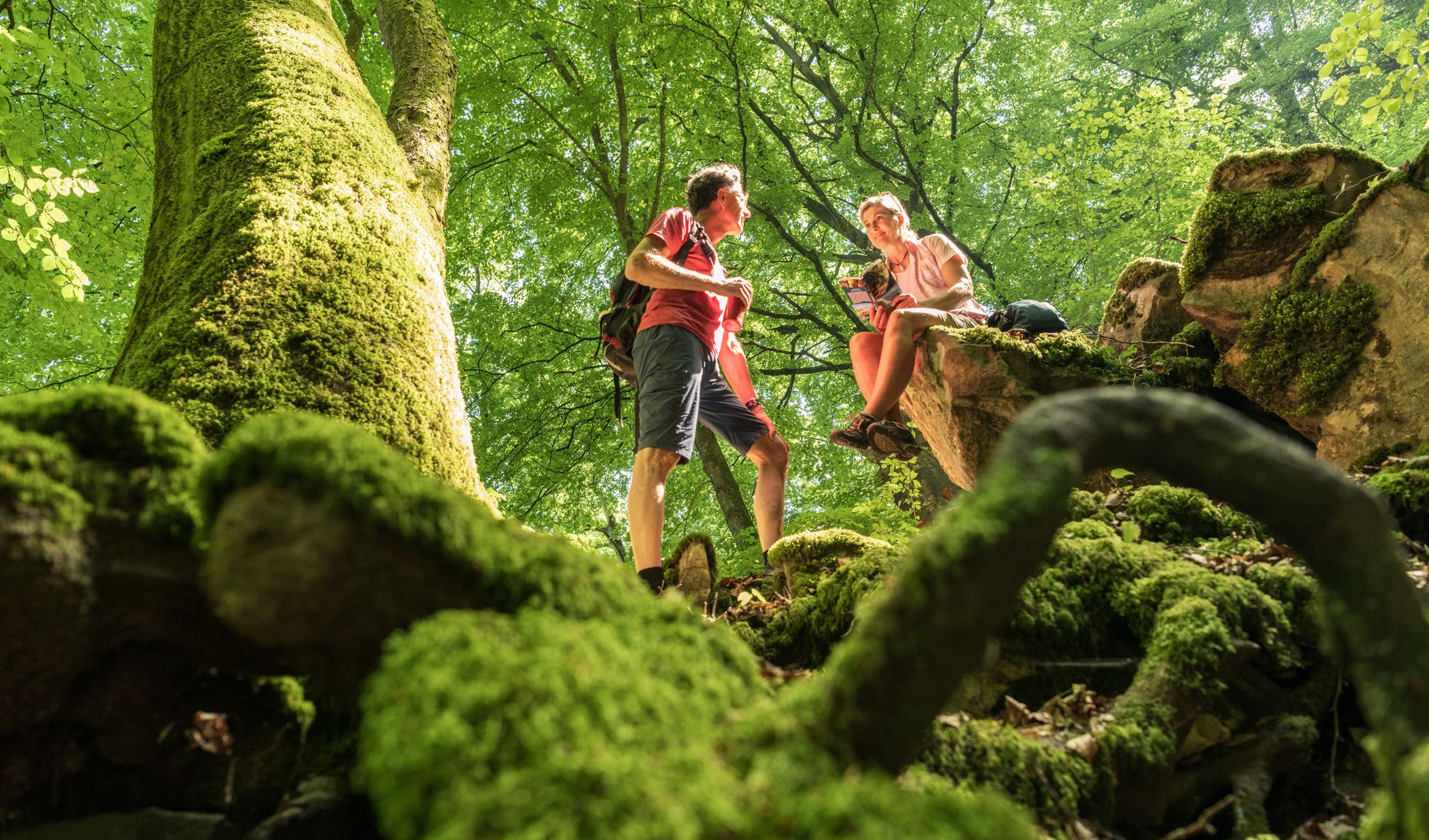
Ancient forests in the DeLux Nature Park
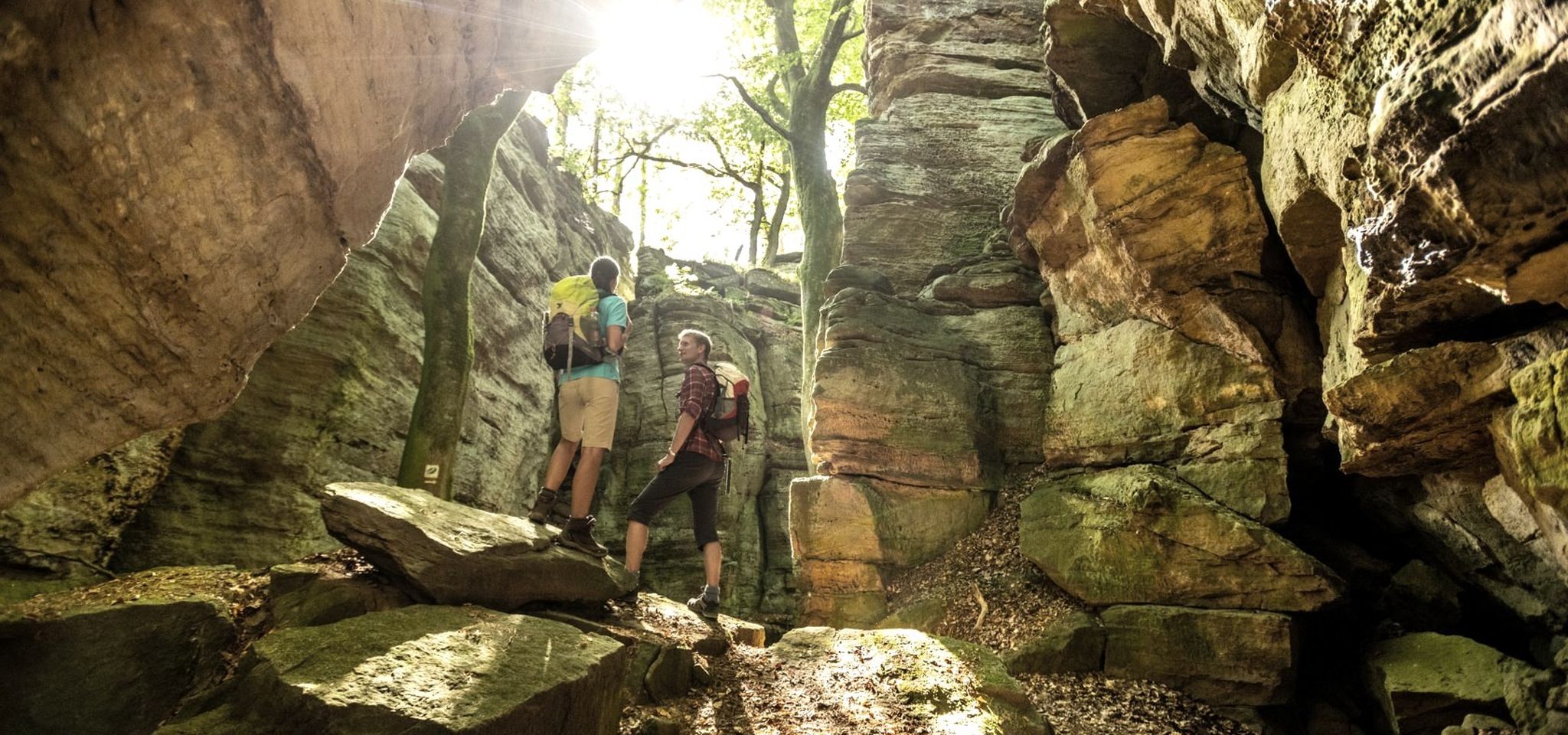
Giant trees & rocky canyons — hiking in the Southern Eifel
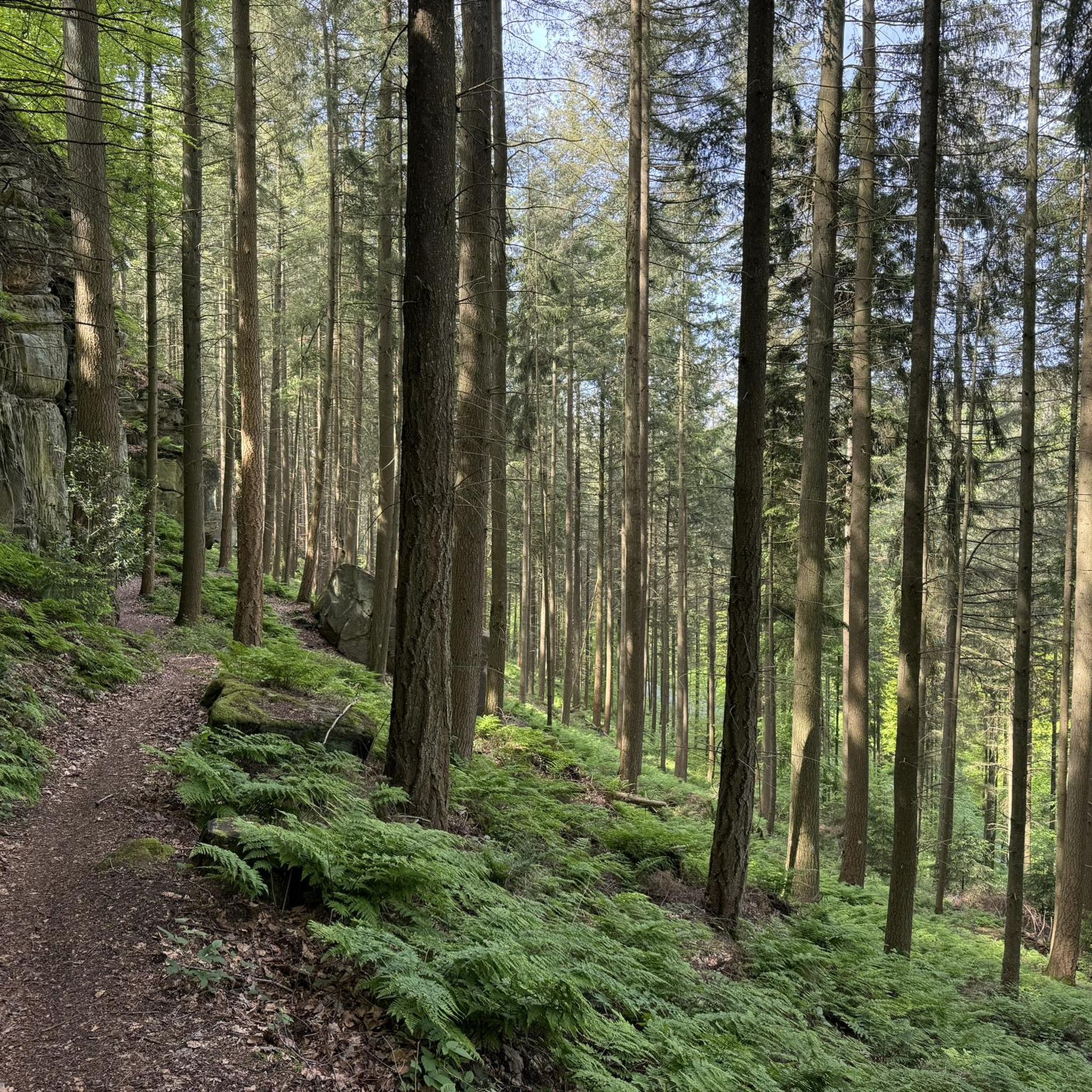
Hiking around Ferschweiler
Cycling around Ferschweiler

Mountain Hikes around Ferschweiler
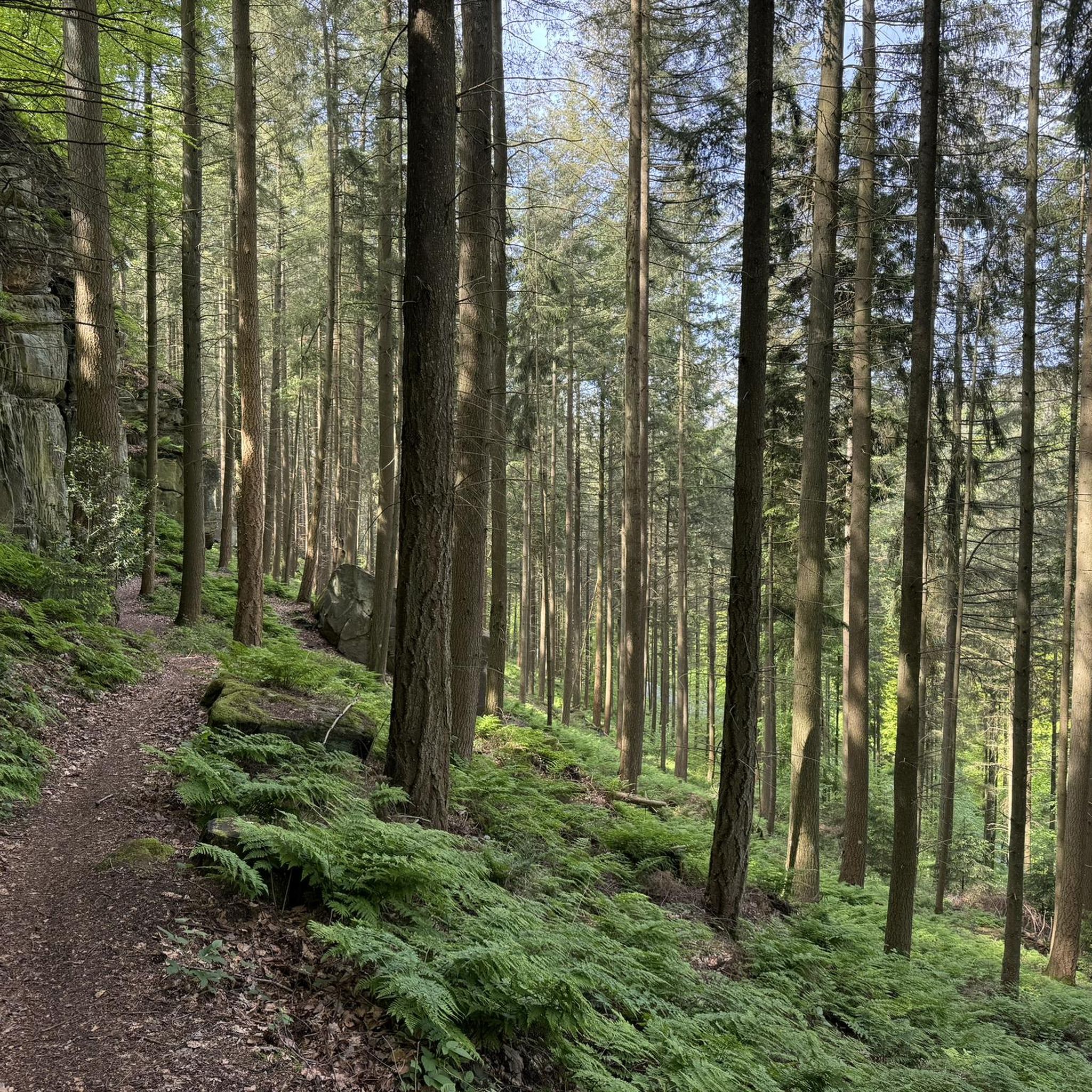
Road Cycling Routes around Ferschweiler
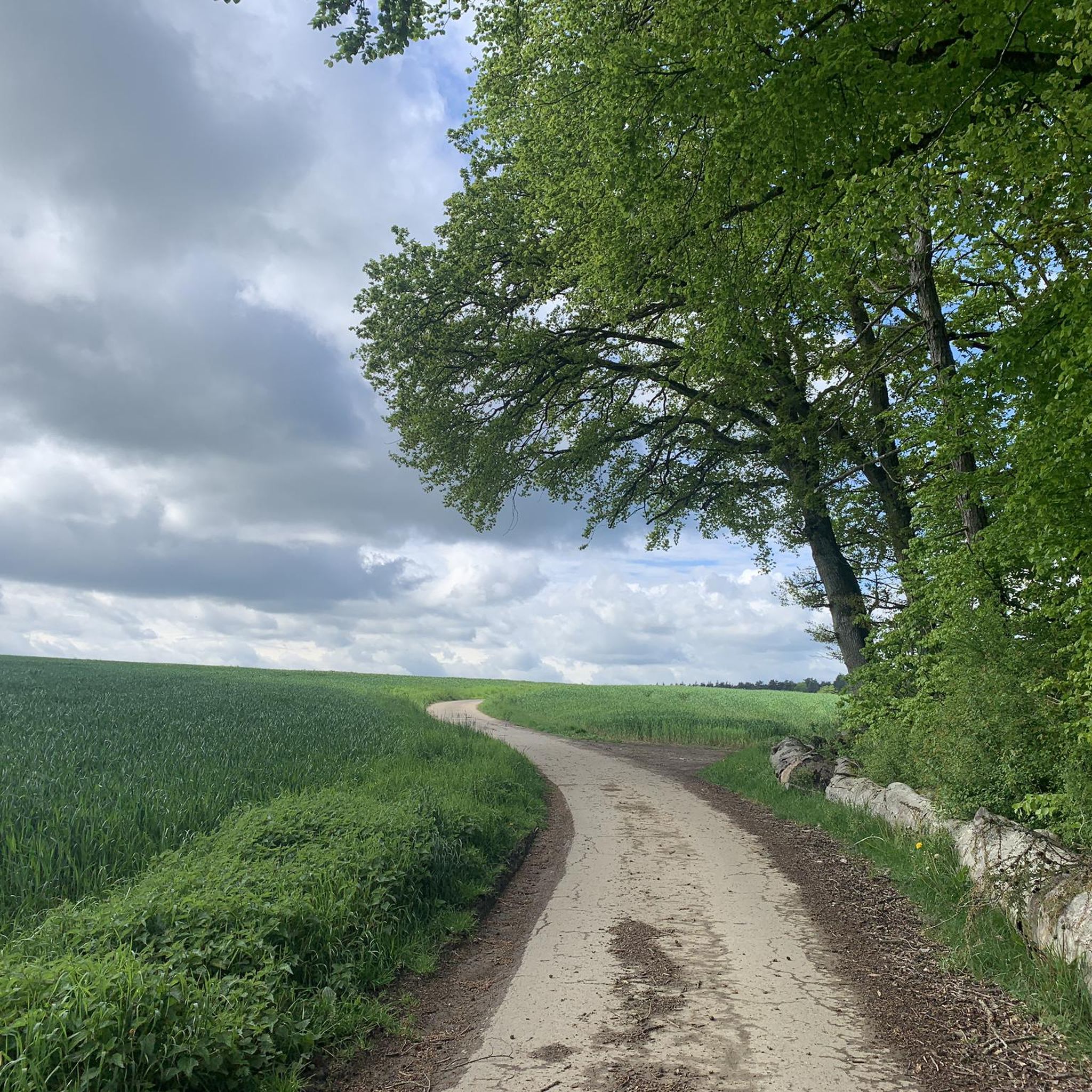
MTB Trails around Ferschweiler
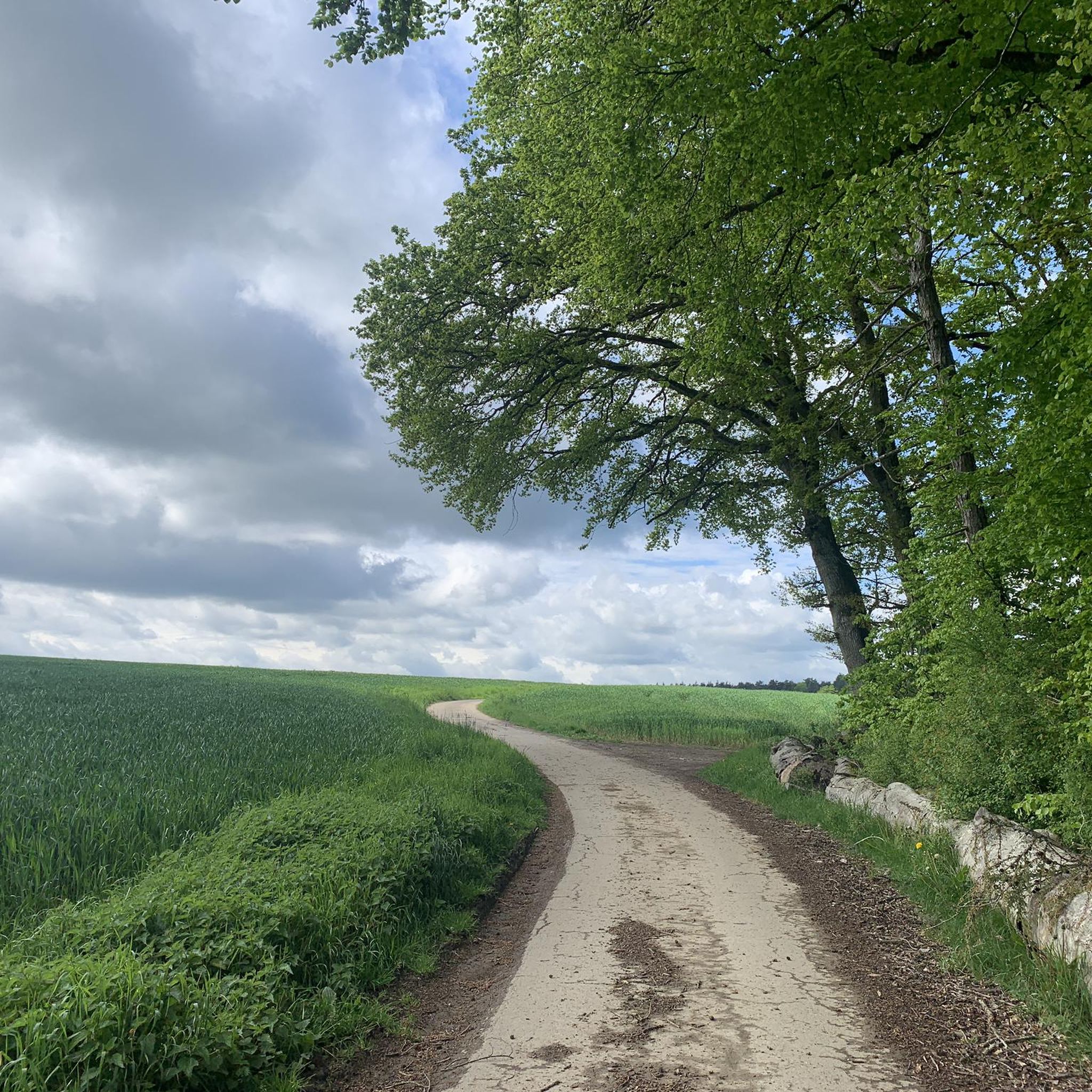
Running Trails around Ferschweiler
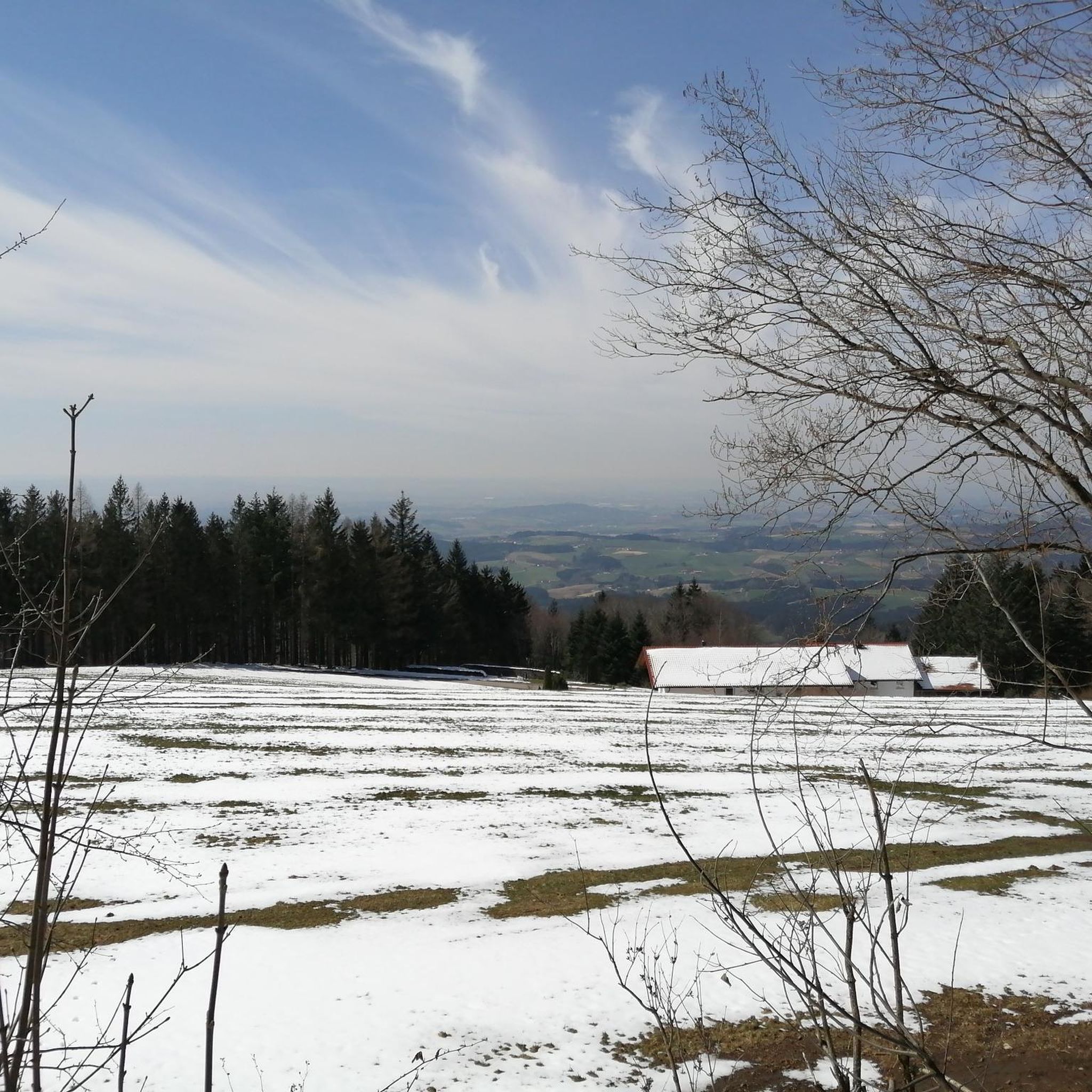
Gravel biking around Ferschweiler

Tips from the Community

The Kohlscheuer Cave is a must-see. It's so dark inside, though, that you won't have a chance without a flashlight. You plunge into a black hole and have to slowly feel your way up steps and around corners. The crevice is so narrow that it can only be entered from one direction. You shouldn't be claustrophobic here, as your shoulders will rub against the walls. But it was a lot of fun.
6
0

The Huel Lee can be hiked via the local hiking trail E1 and the Berdorf auto-pedestrian hiking trail and is located on route 2 of the Mullerthal Trail. Nearest bus stop: Berdorf, Hotel Pérékop (500m) Nearest parking: Huel Lee/Amphitheater (200m) Source: https://www.visitluxembourg.com/de/attraktion/felsformation-huel-lee-hohllay
13
0

One of the many memory card fillers on this tour... it will be almost impossible for you to report on every single highlight... pure abundance!
15
0

Lots of great narrow paths in a wonderful rocky landscape. The caves are up to 50 meters long. A headlamp is therefore recommended.
7
0

Towering rocks through which several crevasses and the robber's cave lead and up to the plateau with a view. There are several variants to discover. Maximum experiences in the smallest space! You can create an extremely interesting tour of 5km, but also easily over 30km!
13
0

The rocks are a true labyrinth of paths and paths, you can go in between and if that doesn't work outside. Something for everyone. Often a light is also useful, some gorges are very dark. And the GPS doesn't work well here
17
0

Good shoes must be here, and you can take great pictures.
12
1
Frequently Asked Questions
What kind of geological formations can I expect to see in the Ferschweiler region?
The Ferschweiler Plateau and its surroundings are known for distinctive rock formations, gorges, and rock hollows, often referred to as caves. These features, primarily formed from Luxembourg Sandstone, are the result of frost weathering and rockslides that occurred approximately 12,000 years ago. You'll encounter narrow crevices, deep gorges, and labyrinthine rockscapes.
Are there any particularly challenging cave explorations around Ferschweiler?
Yes, for those seeking a challenge, the region offers several exciting options. For instance, Berdorf Robbers' Cave features iron ladders leading into the dark and sometimes requires passage on all fours through narrow bottlenecks. Similarly, the Kohlscheuer is a spectacular rock crevice where the hiking trail runs directly through very narrow and dark sections, making a flashlight strongly recommended.
What are some historical aspects of the caves in this area?
The region's caves hold significant historical value. Huel Lee (Hohllay Cave), for example, was historically used as a quarry by Romans and medieval inhabitants to extract stones, particularly millstones, with tool traces still visible on the walls. The Klausenhöhle, a rock shelter in Rhineland-Palatinate, is known as an early Christian hermit site with unique masks and faces carved into the stone.
What do visitors enjoy most about exploring the caves around Ferschweiler?
Visitors frequently highlight the unique and adventurous nature of the explorations. Many appreciate the labyrinthine paths and crevices, the bizarre rock patterns, and the feeling of discovery. The region's natural beauty and the impressive scale of the rock formations, such as those in the Labyrinth of Rocks (Felsenlabyrinth) Mullerthal, are also highly praised, as evidenced by over 3500 upvotes and 2300 photos shared by the komoot community.
Are there hiking trails that lead through or near these cave formations?
Absolutely. The Ferschweiler Plateau and its surroundings are crisscrossed with numerous hiking trails that allow you to experience these unique 'caves' and rock formations firsthand. Many routes, like those found in the Hiking around Ferschweiler guide, take you directly through or alongside these geological wonders, including the Teufelsschlucht and the Martbusch Plateau.
What other outdoor activities can I do near the Ferschweiler caves?
Beyond exploring the caves, the Ferschweiler region offers a variety of outdoor activities. You can find numerous running trails, with options ranging from moderate to difficult, as detailed in the Running Trails around Ferschweiler guide. There are also mountain hikes available, such as routes around Huel Lee (Hohllay Cave) and the Labyrinth Rock Formations, which you can explore in the Mountain Hikes around Ferschweiler guide.
Are there family-friendly options for exploring caves in Ferschweiler?
While some cave sections can be challenging, many areas of the Ferschweiler Plateau are suitable for families. The general exploration of the rock formations and gorges, such as those in the Teufelsschlucht, can be a fun adventure for children. When planning, consider routes with less extreme narrow passages or ladders, and always ensure appropriate footwear and supervision for younger explorers.
What is the best time to visit the Ferschweiler caves?
The Ferschweiler caves and rock formations can be visited year-round. Spring and autumn offer pleasant temperatures for hiking and exploring, with vibrant foliage or blooming nature. Summer is also popular, but be prepared for more visitors. Winter can provide a unique, serene experience, though some paths might be slippery due to ice or snow, especially in narrow gorges like the Kohlscheuer.
What should I wear or bring when exploring the Ferschweiler caves?
Given the varied terrain, sturdy hiking shoes with good grip are essential. Layers of clothing are advisable, as temperatures can vary, especially inside the rock formations. For exploring darker crevices and passages, such as those in the Labyrinth of Rocks (Felsenlabyrinth) Mullerthal or the Kohlscheuer, a flashlight or headlamp is highly recommended. Don't forget water and snacks, especially for longer routes.
How long does it typically take to explore the Ferschweiler Plateau caves?
The duration of your exploration can vary greatly depending on the specific route and how many formations you wish to visit. Shorter circular walks might take a couple of hours, while more extensive hikes covering multiple highlights, like those found in the Hiking around Ferschweiler guide, could easily fill a full day. Some individual highlights, like Huel Lee (Hohllay Cave), can be explored in less than an hour, but are often part of longer tours.
Are there any hidden or lesser-known cave formations worth discovering?
While the main attractions are well-documented, the Ferschweiler Plateau is rich with numerous crevices, rock hollows, and smaller cave-like formations. Exploring the extensive network of hiking trails, particularly those off the most beaten paths, can lead to discovering less-frequented but equally impressive geological features. The region's natural labyrinthine character means there's always something new to uncover.
Can I bring my dog on the trails around the Ferschweiler caves?
Many trails in the Ferschweiler region are dog-friendly, allowing you to enjoy the natural beauty with your canine companion. However, be aware that some specific cave explorations, especially those involving ladders or very narrow bottlenecks like Berdorf Robbers' Cave, might be challenging or impossible for dogs. Always keep your dog on a leash and be mindful of other hikers and wildlife.
Most popular routes around Ferschweiler
Most popular attractions around Ferschweiler

Get inspired with the komoot mobile app


Explore more
Extend your search for the best caves by checking out these guides of the top ones around Ferschweiler:
