Top 3 Caves around Sülm
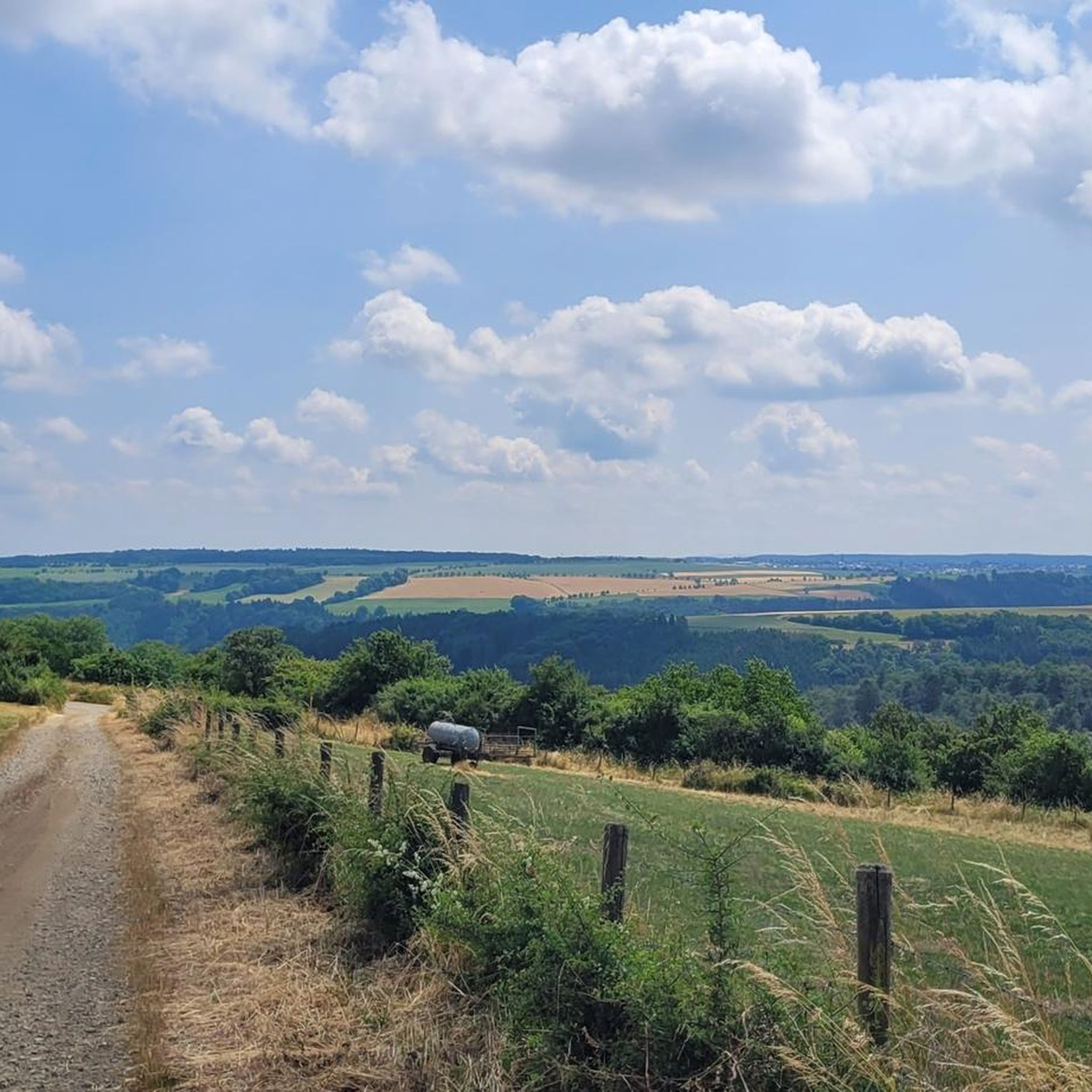
Caves around Sülm are situated within the Eifel region of Germany, an area known for its green meadows, dense forests, and rolling hills. This natural landscape provides a setting for various outdoor activities. While Sülm itself features historical and cultural landmarks, the broader vicinity offers natural attractions including cave systems and distinctive rock formations. The region's geology has shaped a diverse environment for exploration.
Best caves around Sülm
- The most popular caves is Former Millstone Quarry and Cave (Eifel),…
Last updated: June 27, 2026
Hexenley Rock Formation
Highlight • Natural Monument
Additional information:
kulturdb.de/einobjekt.php?id=23672
Translated by Google •
Tip by

Bruderhäuschen Hermitage (Kauley Cave)
Highlight • Cave
Additional information:
kulturdb.de/einobjekt.php?id=23679
Translated by Google •
Tip by
Sign up now to discover places like this
Get recommendations on the best single tracks, peaks, & plenty of other exciting outdoor places.
Sign up for free
Chapel Cave at the Castle Bridge (Südeifel Nature Park)
Highlight • Cave
Translated by Google •
Tip by

Former Millstone Quarry and Cave (Eifel)
Highlight • Cave
Translated by Google •
Tip by

Bark Mill Cave
Highlight • Cave
A natural, arched cave, approximately 12.5 meters wide, opens at the foot of the steep-sided, rocky stream ravine, running parallel to the stream. Its …
Translated by Google •
Tip by

Start today with a free account
Your next adventure awaits.
Login or Signup
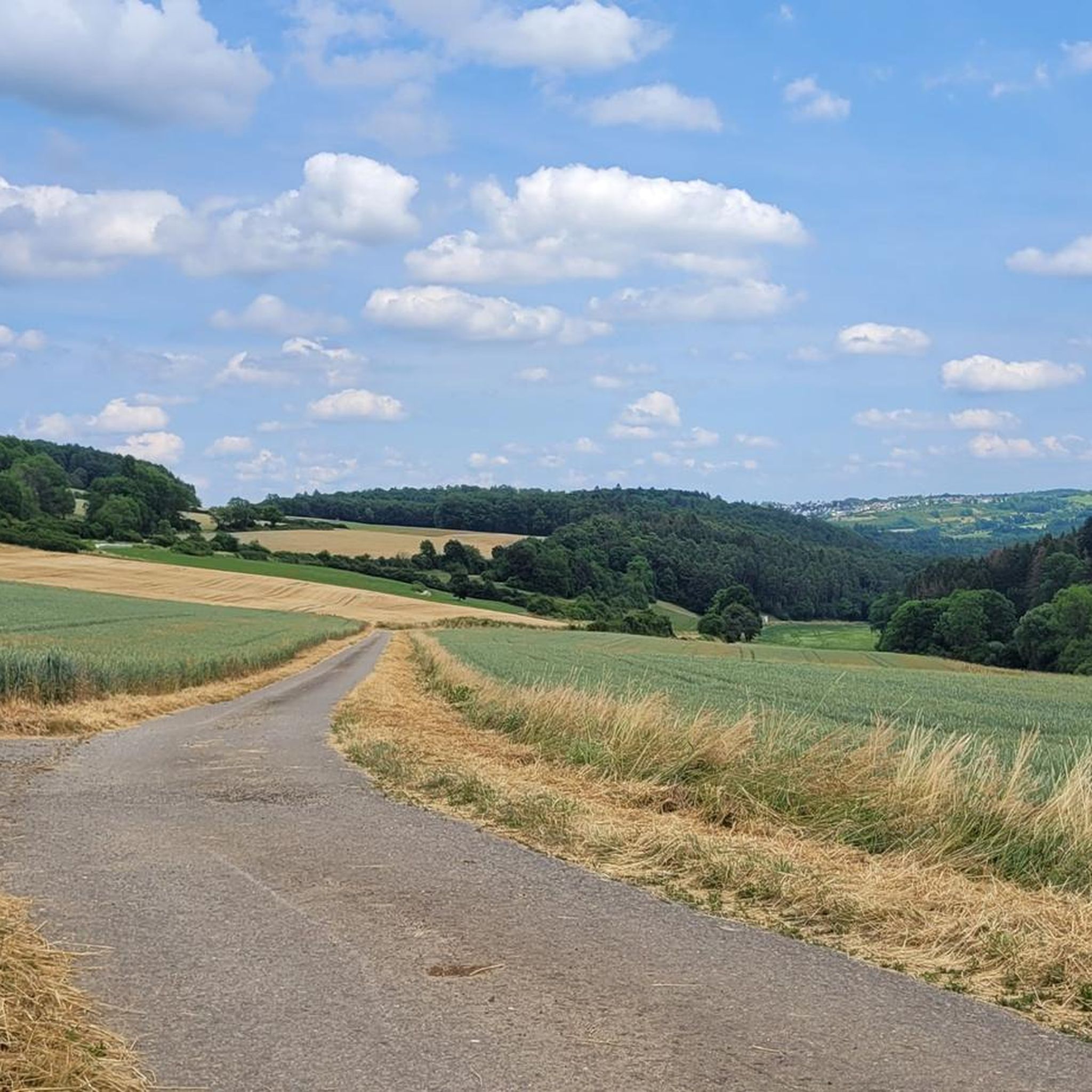
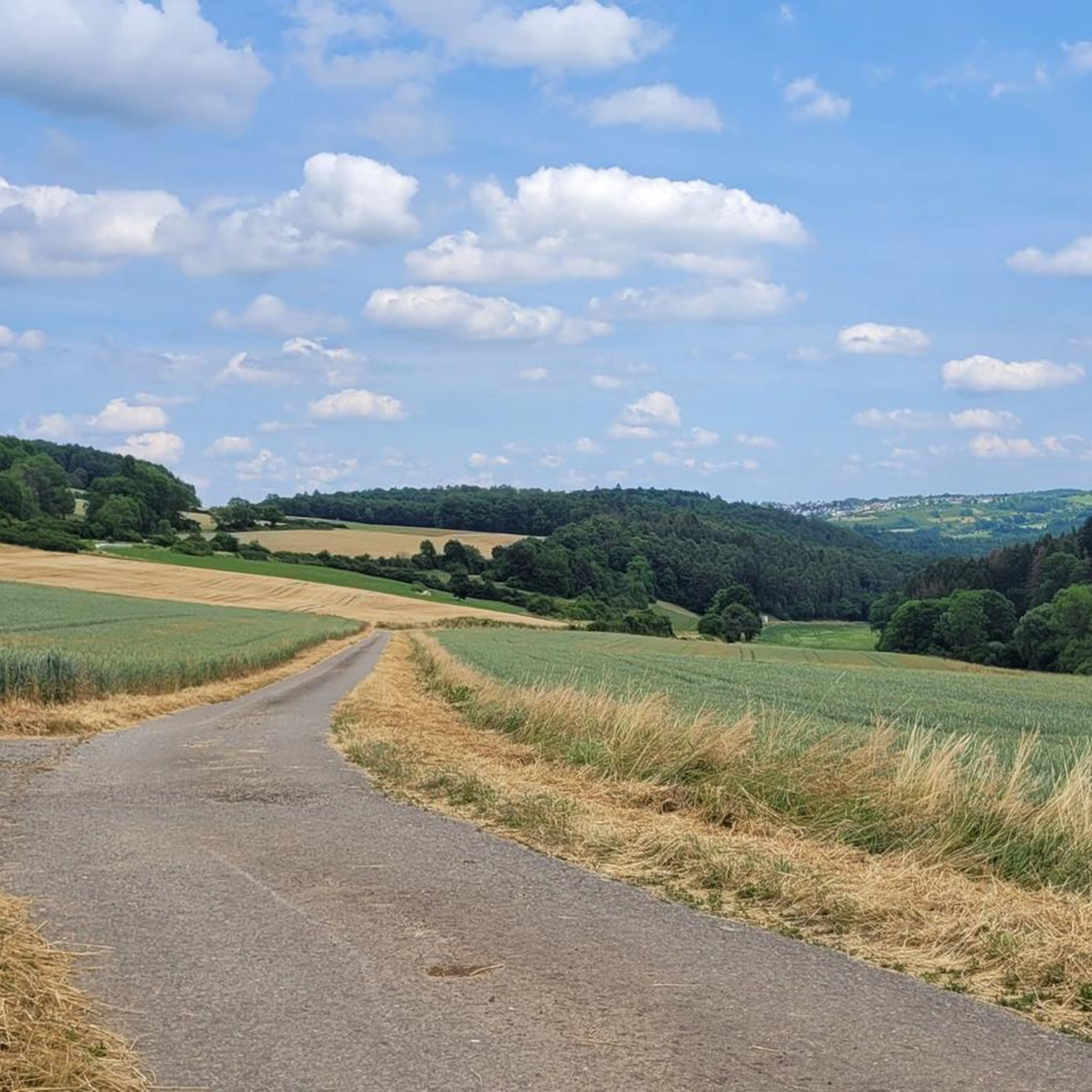
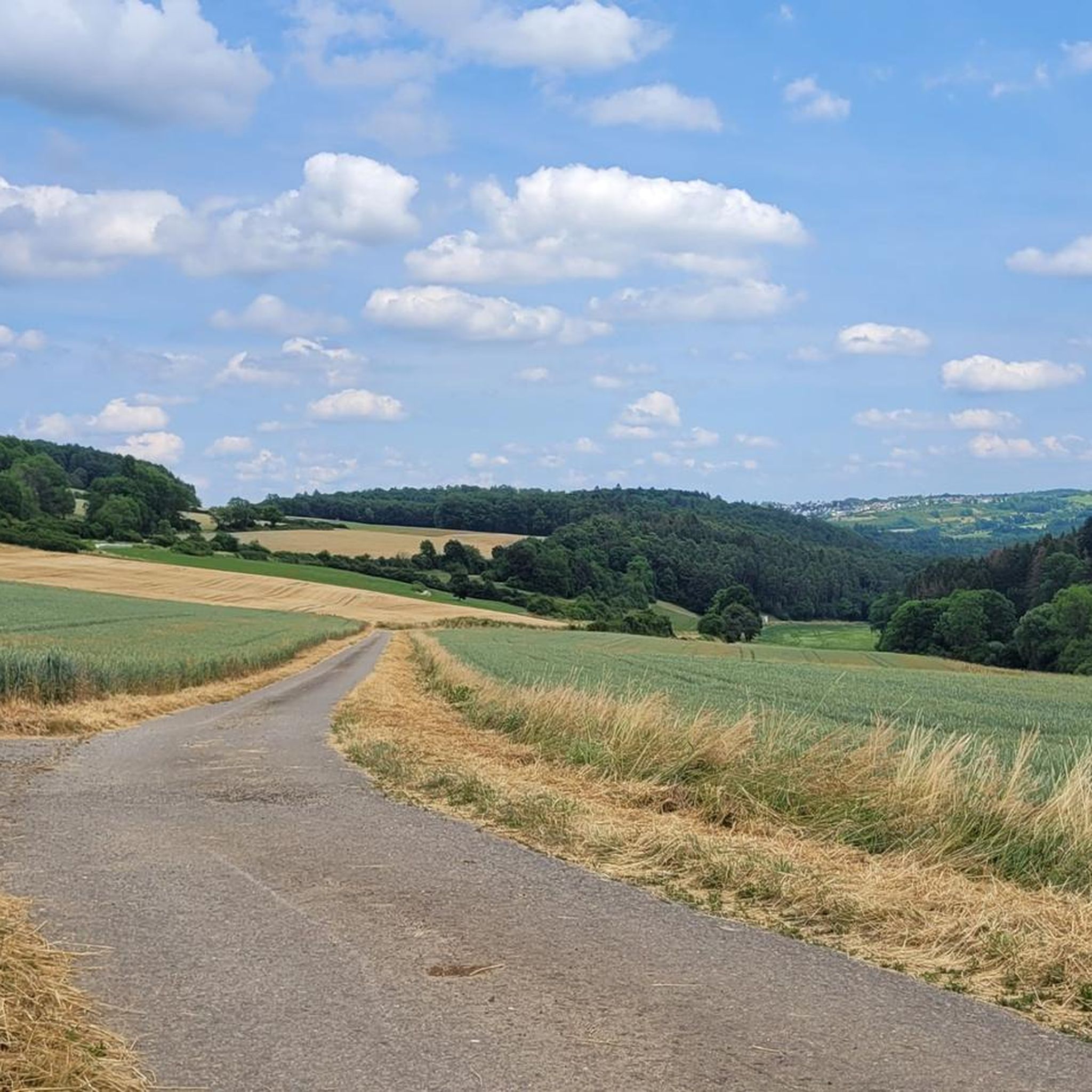
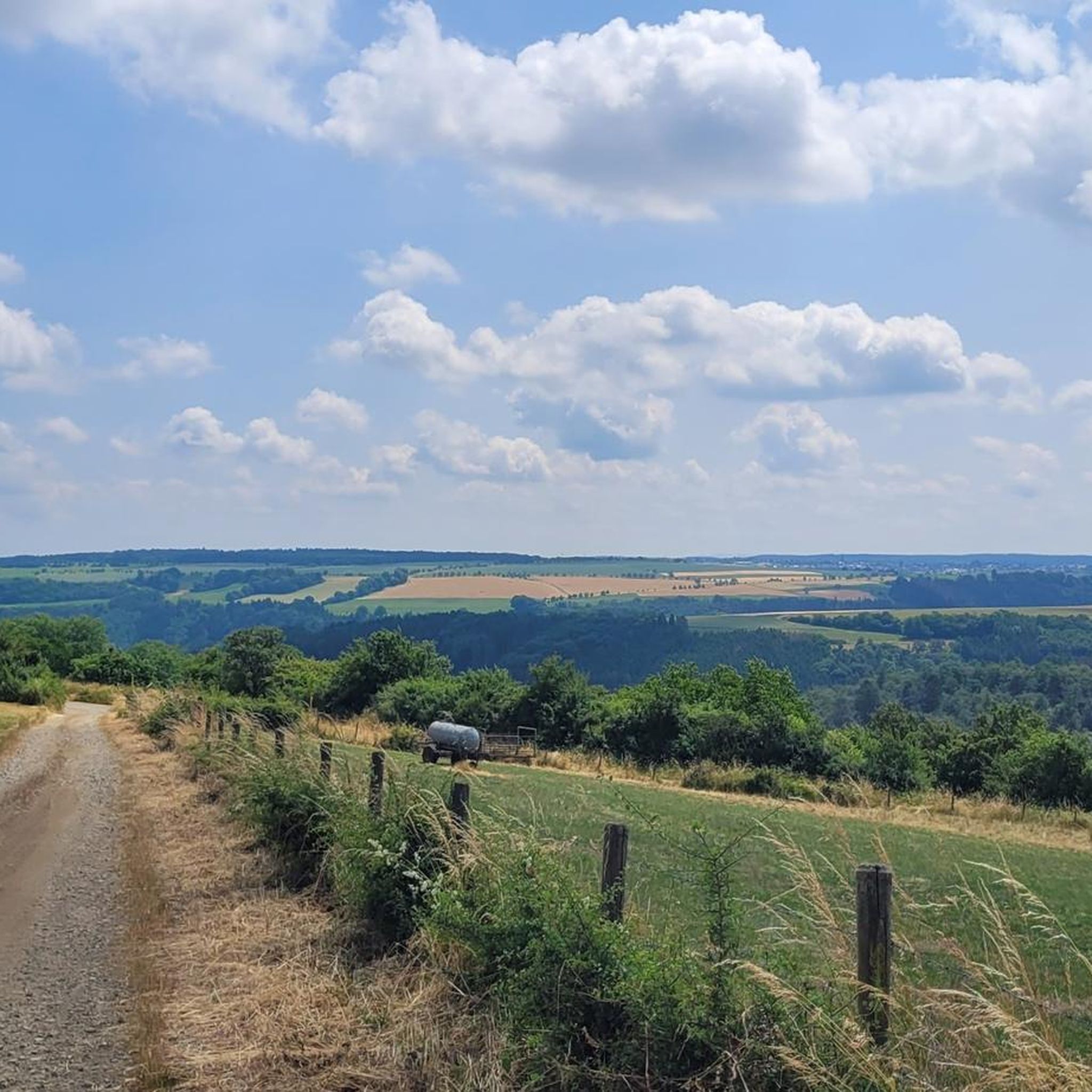
Tips from the Community

Tannery Mill on the Kimmlinger Bach A natural, arched cave, approximately 12.5 meters wide, opens at the foot of the steep-sided, rocky stream ravine, running parallel to the stream. Its location below a small waterfall and the beam holes, presumably for the operation of an overshot waterwheel, suggest that the cave was once used as a tannery mill. Traces of the wooden channel for supplying water to the waterwheel are still visible on the rock face. The cave served as a workshop. The mill, whose exact age is unknown, is likely medieval and is a particularly important early industrial monument. Unfortunately, there is no direct path to the cave. Therefore, one must wade through the stream and climb over fallen tree trunks. With well-waterproofed shoes, however, this is not a problem. One simply needs to find a spot where the stream is shallower.
0
0

Hidden little cave / chapel.
1
0

After you have made your way up the mountain... a nice view and a little break... is already inside here
11
0
After you've puffed your way up the aisle, you probably need a little help from above..😊
9
0

Beautiful red sandstone formation above Kordel. The small incisions and caves increase the anticipation of the Klausen and Genoveva caves, which await us on the 15th stage of the Eifelsteig.
2
0
Very nice to look at small cave in the red sandstone rock above Kordel. Certainly one of the highlights on the 14th stage of the Eifelsteig.
2
0

The stairs that lead past this small cave can be found directly at the bridge that leads to the castle. It is worth taking this route. Steep rock walls impress. Walk carefully! The cave is only 1-2 m deep, but you can stand inside. Inside a small brick place of worship.
6
0

For the Hermitage near Kordel, see e.g. https://kulturdb.de/einobjekt.php?id=7876
4
0
Frequently Asked Questions
What kind of 'caves' can I expect to find around Sülm?
The 'caves' around Sülm are primarily natural rock formations, former quarries, or rock shelters rather than extensive underground cave systems. They offer unique geological insights and historical significance. Examples include the Hexenley Rock Formation with its small caves, the Bruderhäuschen Hermitage (Kauley Cave), and the Former Millstone Quarry and Cave.
Are there any historical caves or sites near Sülm?
Yes, several sites combine natural formations with historical significance. The Bruderhäuschen Hermitage (Kauley Cave) was inhabited by a hermit in the 18th century, with niches and a skull relief carved into the rock. The Former Millstone Quarry and Cave showcases the region's industrial past, where millstones were once extracted. Additionally, the Bark Mill Cave is considered an important early industrial monument, possibly medieval, used as a tannery mill.
What are the geological features of the caves and rock formations in the Sülm area?
The rock formations and 'caves' in the Sülm area, particularly near Kordel, are primarily composed of red sandstone. These formations, like the Hexenley Rock Formation, were shaped over millions of years by geological processes and the eroding effects of the Kyll river and its tributaries. They often feature impressive rock walls, mushroom-like structures, and smaller cave-like incisions.
Are the caves around Sülm suitable for families with children?
Many of the rock formations and smaller cave sites, such as the Hexenley Rock Formation and Bruderhäuschen Hermitage (Kauley Cave), are accessible and can be part of family-friendly hikes. They offer interesting natural and historical points of interest. However, some sites like the Bark Mill Cave are described as 'challenging' to access, involving wading through a stream, which might be less suitable for very young children or those with limited mobility.
What outdoor activities can I combine with a visit to the caves near Sülm?
The Sülm area is excellent for various outdoor activities. You can explore numerous hiking trails, such as those found in the Hiking around Sülm guide, which often lead past these natural and historical sites. There are also options for gravel biking and traffic-free bike rides, allowing you to enjoy the scenic Eifel landscape.
What is the difficulty level for exploring these cave sites?
Most of the highlighted sites, like the Hexenley Rock Formation, Bruderhäuschen Hermitage (Kauley Cave), and the Former Millstone Quarry and Cave, are rated as 'intermediate' in difficulty, often involving walking on trails to reach them. The Bark Mill Cave is considered 'challenging' due to its access requiring wading through a stream and climbing over fallen trees.
Are there good viewpoints near the cave formations?
Yes, several cave and rock formation sites offer excellent viewpoints. From the Hexenley Rock Formation, you can enjoy a wonderful view over the Kordeler Valley. The Bruderhäuschen Hermitage (Kauley Cave) is also noted for its scenic views.
What should I wear when visiting the cave sites around Sülm?
Given that most cave sites involve hiking to reach them and are outdoor natural attractions, it's advisable to wear sturdy, comfortable hiking shoes. For sites like the Bark Mill Cave, which requires wading through a stream, waterproof footwear is essential. Layered clothing is also recommended to adapt to changing weather conditions in the Eifel region.
Can I bring my dog to the cave trails near Sülm?
While specific rules for each individual site are not always available, the Eifel region generally welcomes dogs on hiking trails, provided they are kept on a leash. It's always best to check local signage at the specific trailheads or sites you plan to visit to confirm any restrictions.
What do visitors enjoy most about the cave and rock formations in this region?
Visitors frequently appreciate the impressive and almost organic formations of the red sandstone rocks, the historical context of sites like the hermitages and quarries, and the beautiful views over the valleys. The opportunity to explore these unique natural monuments while hiking through the scenic Eifel landscape is a major draw.
Is there a specific time of year that is best to visit these cave sites?
The cave sites and rock formations around Sülm are accessible year-round. However, spring and autumn offer pleasant temperatures for hiking and exploring, with vibrant foliage or blooming wildflowers. Summer is also popular, but can be warmer. In winter, some trails might be slippery or muddy, especially near streams, so appropriate footwear is crucial.
Most popular attractions around Sülm

Get inspired with the komoot mobile app


Explore more
Extend your search for the best caves by checking out these guides of the top ones around Sülm:
