Top 2 Caves around Demerath
Best caves around Demerath are found within the wider Vulkaneifel and Gerolstein regions, an area characterized by its volcanic origins and diverse geological formations. This landscape features a mix of natural rock caves and historical mining tunnels, offering insights into both ancient geological processes and human industrial heritage. The region provides opportunities for exploring unique underground environments. These sites reflect the area's rich past, from prehistoric human activity to industrial mining operations.
Best caves around Demerath
- The most popular caves…
Last updated: May 14, 2026
Bergkrone Mine Tunnel
Highlight • Structure
Translated by Google •
Tip by

Juliusstollen and Kaulenmännchen Sculpture
Highlight • Historical Site
Translated by Google •
Tip by

Sign up now to discover places like this
Get recommendations on the best single tracks, peaks, & plenty of other exciting outdoor places.
Sign up for free
Matthias-Josef Stollen Slate Mine
Highlight • Historical Site
Translated by Google •
Tip by

Julius-Stollen Slate Mine
Highlight • Structure
Translated by Google •
Tip by

Tunnel in the Natur- und Geopark Vulkaneifel
Highlight • Cave
Translated by Google •
Tip by

Sign up for free to discover even more caves around Demerath.
Sign up for free
Already have an account?
Start today with a free account
Your next adventure awaits.
Login or Signup
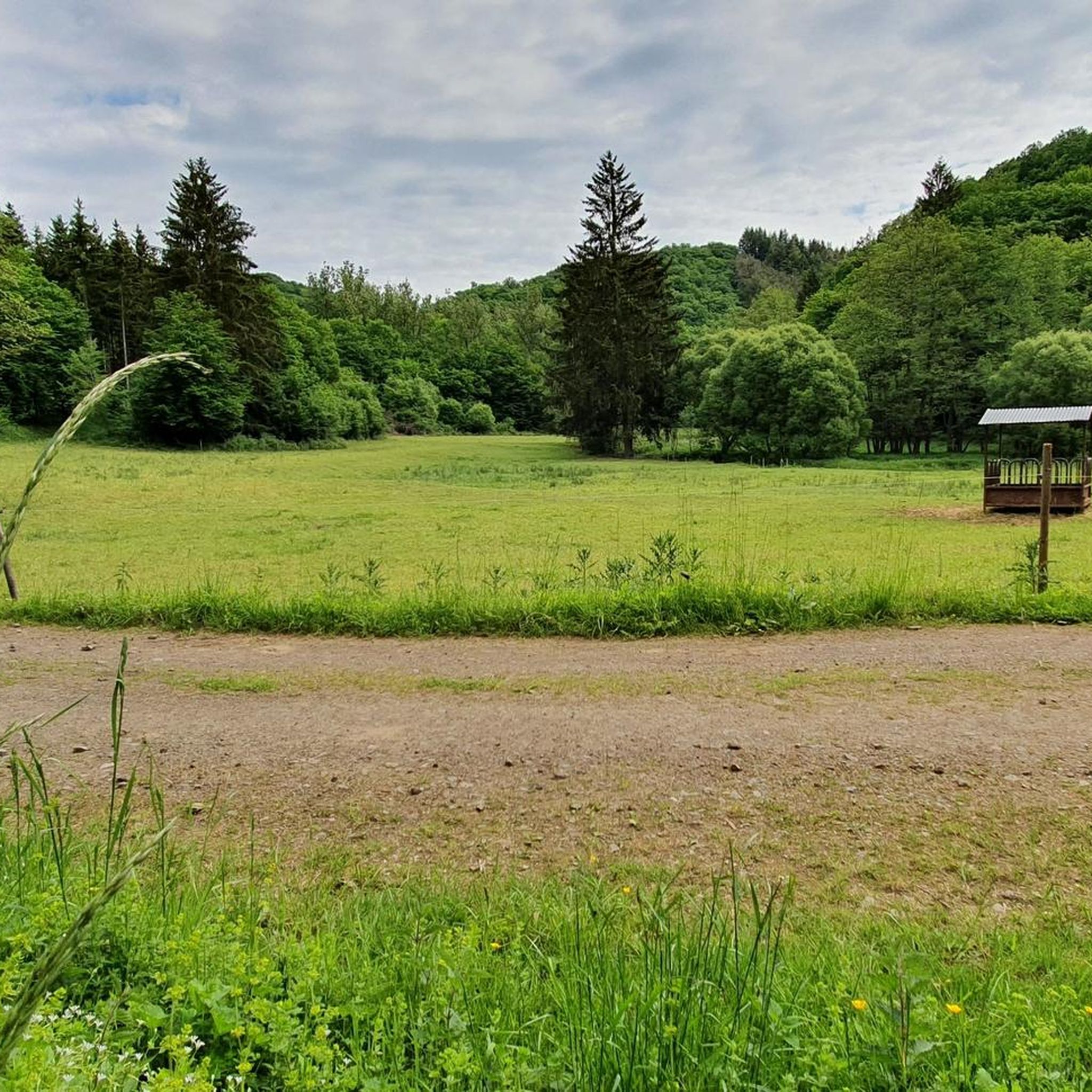
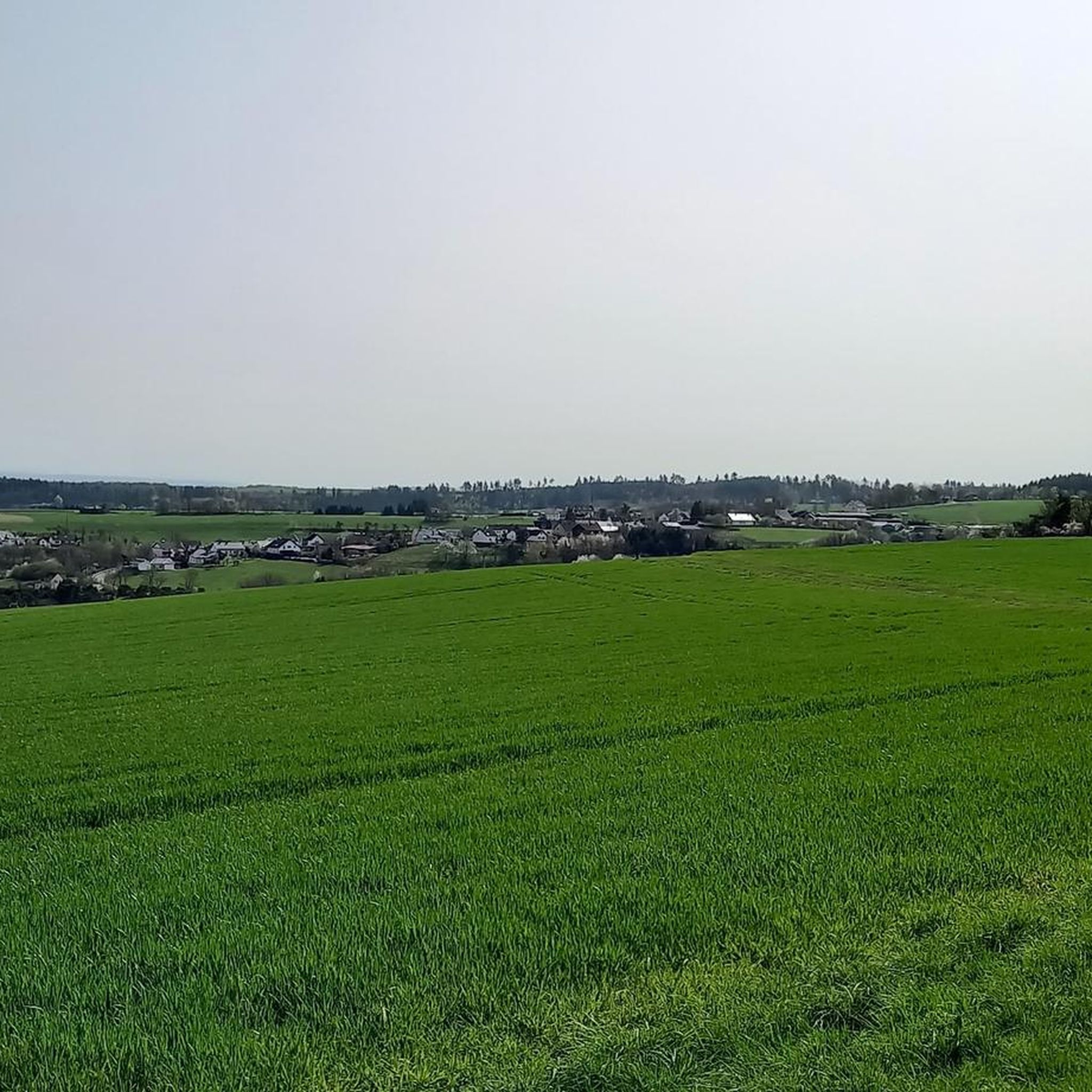
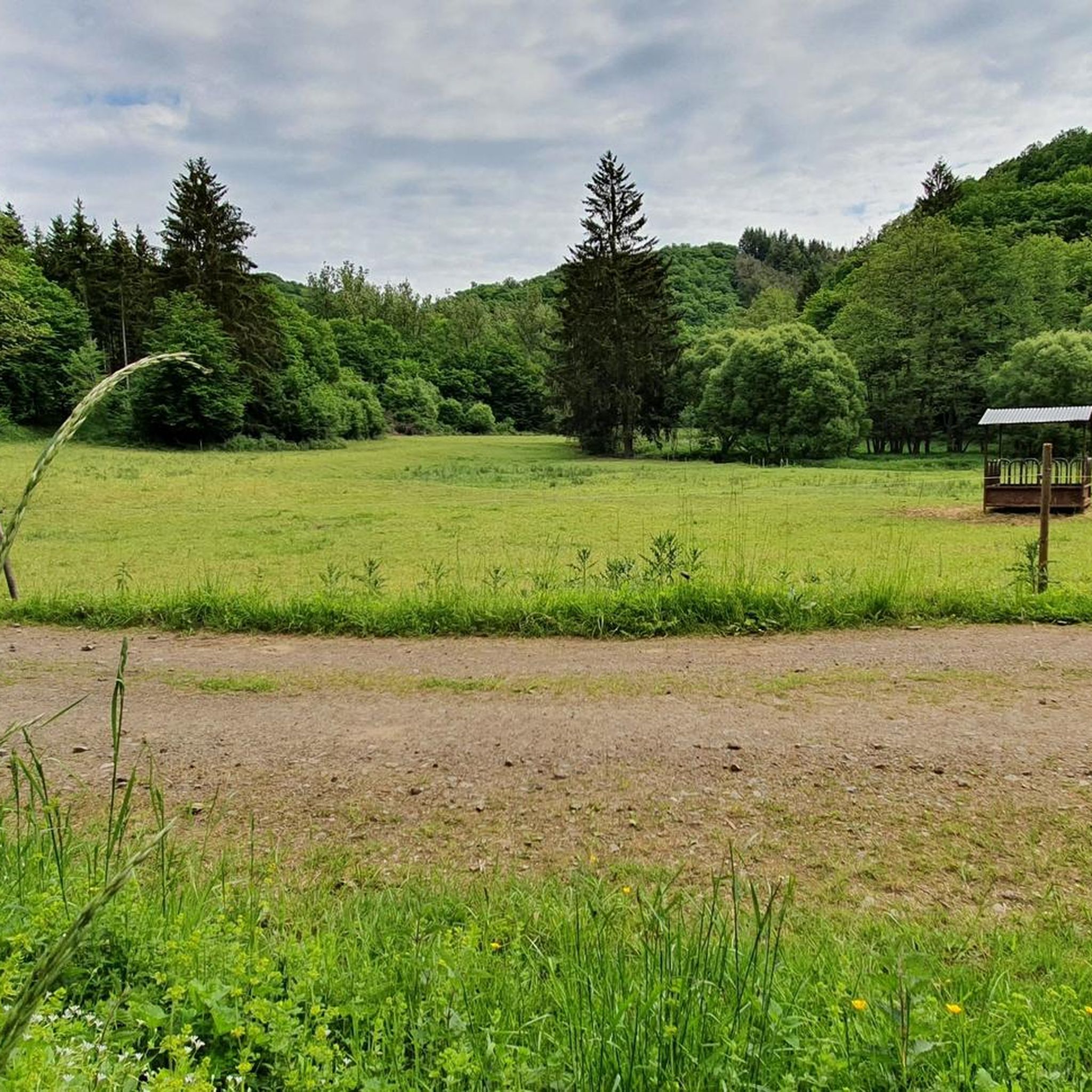
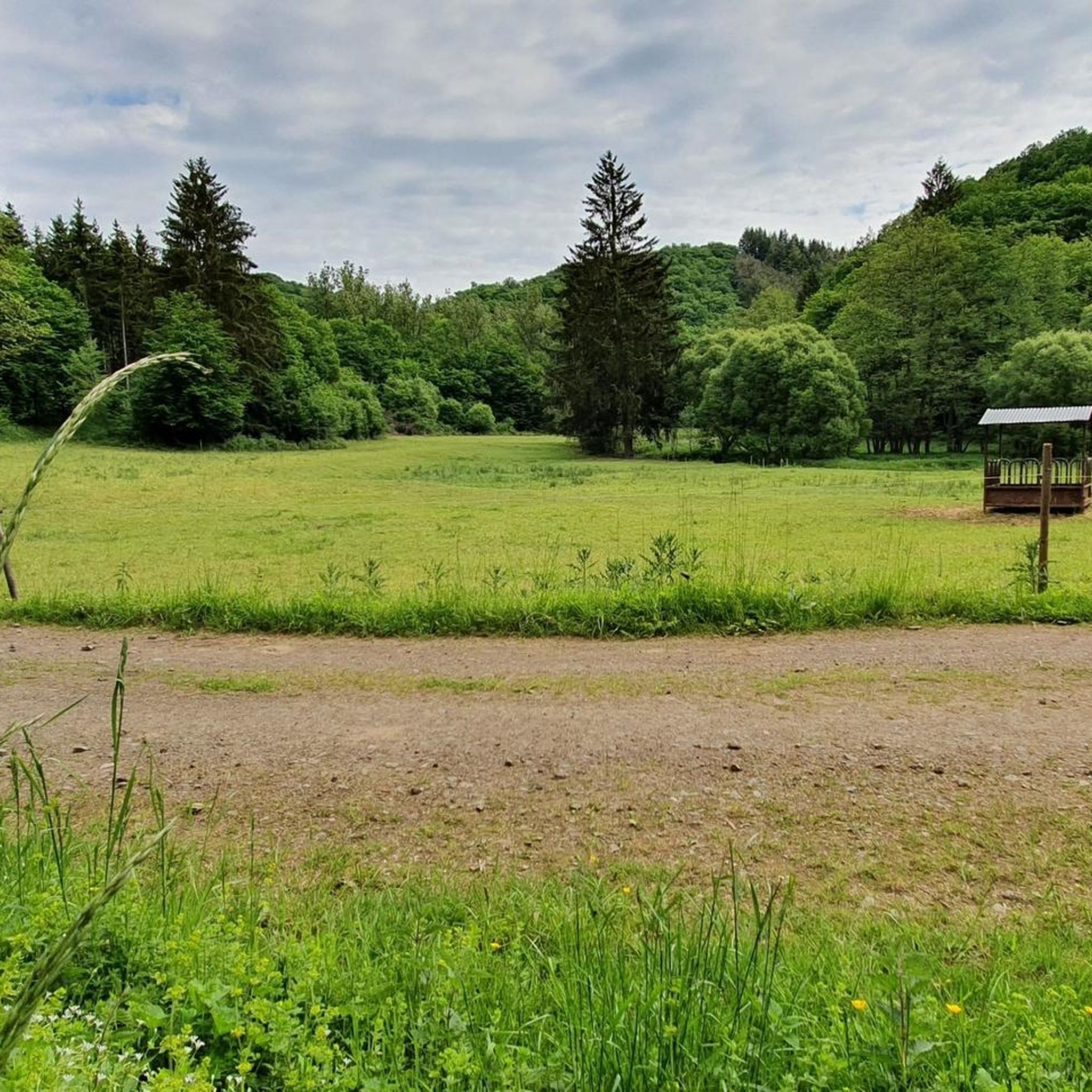
Tips from the Community

A great experience to walk through the tunnel and see another maar on the other side
1
0

Luckily I had my flashlight with me so I could shine further inside 😀
0
0

The tunnel is very well lit.
1
0

surprising sight when walking the theme path in our direction
0
0

The whole thing is worth seeing and you can also take a break and relax here
0
0

Always beautiful. No matter what time of year
0
0

Typical for the region
0
0

Inconspicuous, but worth the journey!
0
1
Frequently Asked Questions
What types of caves can I explore near Demerath?
The region around Demerath, particularly the wider Vulkaneifel and Gerolstein areas, offers a mix of both natural rock caves and historical mining tunnels. You can find caves formed by ancient geological processes, as well as those created by human activity for millstone or slate extraction.
Are there any natural caves to visit in the Eifel region near Demerath?
Yes, the Buchenlochhöhle in the Gerolstein Dolomites is a notable natural rock cave. It was formed by groundwater over millions of years and offers a glimpse into prehistoric human activity.
What historical insights do the caves around Demerath offer?
Many caves in the region provide deep historical insights. For instance, the Millstone Cave at Nerother Kopf showcases medieval mining practices, while the Buchenlochhöhle has evidence of Neanderthal and Neolithic inhabitants, and even served as a refuge during World War II. Mining tunnels like the Matthias-Josef Stollen Slate Mine and the Bergkrone Mine Tunnel highlight the industrial heritage of the area.
What is unique about the Millstone Cave at Nerother Kopf?
The Millstone Cave at Nerother Kopf is an artificial cave system created by centuries of millstone extraction from volcanic rock. Visitors can still see unfinished millstone blanks on the cave walls, offering a unique insight into medieval mining. It's unlit, so a flashlight is required, and the temperature is consistently around 6 degrees Celsius.
Can I see ice formations in the caves near Demerath?
Yes, the Birresborn Ice Caves are known for their consistently low temperatures (between -1°C and +4°C), which allows icicles and ice columns to persist well into the summer after cold winters. These caves were originally basalt mines.
What is the Buchenlochhöhle known for?
The Buchenlochhöhle is renowned for its natural formation within the Gerolstein Dolomites and its rich history of human use, including by Neanderthals and as a refuge during WWII. It's freely accessible year-round, though it requires climbing a narrow, steep wooden staircase.
Are there family-friendly caves around Demerath?
The Matthias-Josef Stollen Slate Mine is categorized as family-friendly. Additionally, the Gillenfeld Mariengrotte, a grotto built from lava, is also considered family-friendly.
What should I wear or bring when exploring caves in the Eifel region?
For caves like the Millstone Cave at Nerother Kopf and the Birresborn Ice Caves, warm clothing is highly recommended due to low temperatures (around 6°C or even colder). Sturdy shoes and a flashlight or torch are essential for exploring unlit sections and navigating uneven terrain in many of the caves, including the Buchenlochhöhle.
What outdoor activities can I do near these caves?
The region around Demerath offers various outdoor activities. You can find numerous road cycling routes, such as those detailed in Road Cycling Routes around Demerath, and general cycling tours in Cycling around Demerath. For mountain biking enthusiasts, there are MTB trails available, which you can explore in MTB Trails around Demerath.
Are there hiking trails near the caves?
Yes, many caves are integrated into scenic hiking routes. For example, the Buchenlochhöhle can be reached via trails like the Gerolsteiner Felsenpfad and the Eifelsteig. The Bergkrone Mine Tunnel is also a point of interest for hiking and cycling routes in its vicinity.
What is the best time to visit the caves near Demerath?
Most caves are accessible year-round, but some have specific considerations. The Birresborn Ice Caves, for instance, are closed from October to March to protect bats during their winter hibernation. For unlit caves, visiting during daylight hours is advisable, and always bring a flashlight. The consistently cool temperatures inside make them a refreshing escape during warmer months.
Is parking available near the caves?
While specific parking details for each cave are not always provided, caves located along popular hiking and cycling routes, such as the Bergkrone Mine Tunnel, typically have designated parking areas nearby or are accessible from trailheads with parking facilities.
What is the <a href="https://www.komoot.com/highlight/795769" target="_blank" rel="noopener">Juliusstollen and Kaulenmännchen Sculpture</a>?
This historical site features the entrance to the Juliusstollen, where visitors can enter a few meters before an iron door blocks further passage. It's also home to the Kaulenmännchen Sculpture, which depicts a legendary figure associated with the mine, adding a unique cultural and storytelling element to the visit.
Most popular routes around Demerath
Most popular attractions around Demerath

Get inspired with the komoot mobile app


Explore more
Extend your search for the best caves by checking out these guides of the top ones around Demerath:
