Top 15 Caves around Goldkronacher Forst
Best caves around Goldkronacher Forst are found within a recreational area at the southwestern edge of the Fichtelgebirge mountains. This region is known for its historical gold mining activities and diverse natural features. The terrain includes rock formations and former mining sites, offering unique subterranean experiences. Visitors can explore both natural rock shelters and historical visitor mines that reveal the area's geological and industrial past.
Best caves around Goldkronacher Forst
- The most popular caves is Nusshardt Summit and Rock Formations…
Last updated: May 14, 2026
Nusshardt Summit and Rock Formations
Highlight • Summit
Translated by Google •
Tip by

Dragon's Cave Grotto, Eremitage, Bayreuth
Highlight • Cave
Neither cave nor dragon.
Translated by Google •
Tip by

Sign up now to discover places like this
Get recommendations on the best single tracks, peaks, & plenty of other exciting outdoor places.
Sign up for free
Schmutzlerzeche Visitor Mine
Highlight • Historical Site
Translated by Google •
Tip by
Gleissinger Fels Visitor Mine
Highlight • Historical Site
Translated by Google •
Tip by
Rote Fels Cave
Highlight • Cave
Translated by Google •
Tip by

Sign up for free to discover even more caves around Goldkronacher Forst.
Sign up for free
Already have an account?
Start today with a free account
Your next adventure awaits.
Login or Signup
Popular around Goldkronacher Forst

Tips from the Community

A lovely spot, even if you're there outside of opening hours. Thanks to the gate, you can see the beginning of the tunnel. There are benches, a fountain, a hut, and a gold panning area all around.
1
0

Unfortunately, no dragons there 😉 A rather inconspicuous place with a fountain
0
0

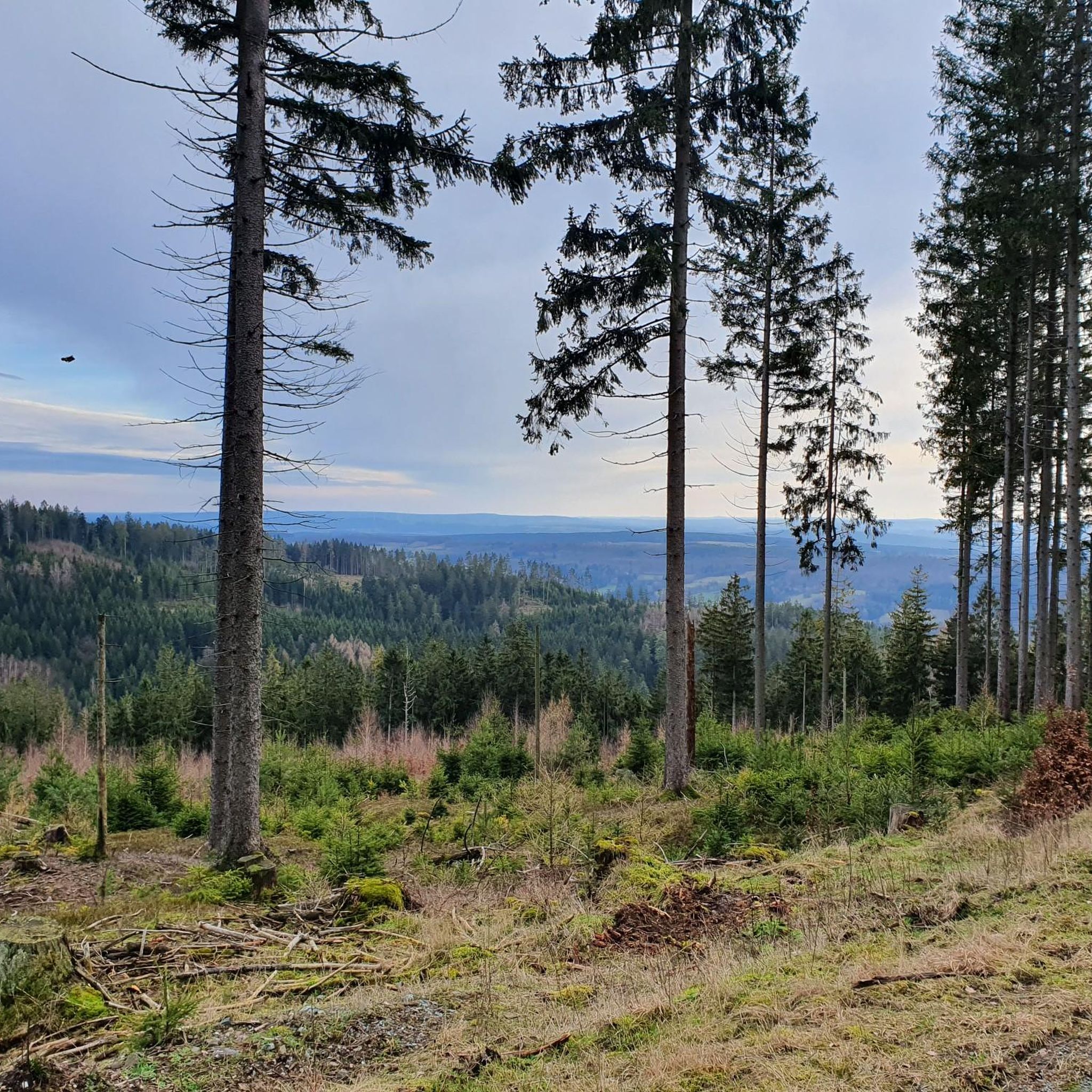
Very beautiful rock face with a breakthrough and great trails to approach;
0
0

https://www.goldkronach.de/seite/508457/besucherstollen,-goldwaschen.html Free parking is available at the information center.
1
0

Silver iron was mainly mined in the Gleissinger Fels. The mine looks back on a 500-year history and is the only accessible silver iron mine in the world. Some of the deeper mining sites can be explored, provided they are not filled with water. During the regular tours on an easily accessible floor of the mine, you can wear a mining helmet and go into hand-mined tunnels that are over 500 years old. Everything sparkles and glitters - the shiny ore on the walls shows the way. Visitors can be inspired by the unique mining atmosphere, the underground waterfall and great stories.
20
0

Small grotto. One of the many small sights of the Hermitage.
2
0

The new visitor center was opened at the mine in 2023. Now it is even more interesting and modern there. More information here: https://www.fichtelgebirge.bayern/detail/id=5f802ff53e91d003a390bb39
4
0
The "Schmutzlerzeche" visitor mine with its shelter can be visited at Goldberg. The 35-meter-deep, accessible tunnel still reveals a gold-bearing quartz vein and the arduous work of the miners. The mine was first mentioned by name around 1400. It is assumed that over 500 miners worked here at that time. The heyday of local gold mining was between 1430 and 1470. The outbreak of the Thirty Years' War brought gold mining to a complete standstill. Mining resumed in 1662 after a long hiatus. This is also thanks to Alexander von Humboldt, who revived mining in 1792. From 1907 onward, a mining company attempted to continue gold mining using modern methods. Around 1920, this evolved into the Fichtelgold Mining Company. The analysis of the gold-bearing quartz-antimony-arsenic ore veins revealed a content of 35 grams of gold and 22 grams of silver per ton of raw ore. Mining ceased in 1925 for financial reasons. The Schmutzler Mine has been open to visitors since 1985.
4
0
Frequently Asked Questions
What kind of caves can I explore around Goldkronacher Forst?
Around Goldkronacher Forst, you'll find a mix of natural rock formations and historical visitor mines. While prominent natural show caves like Teufelshöhle or Sophienhöhle are located in the broader Franconian Switzerland region, Goldkronacher Forst itself offers unique experiences such as cover caves formed by boulders and former gold and silver mines.
Are there any natural rock caves or formations to visit in Goldkronacher Forst?
Yes, you can explore natural rock formations. For instance, Nusshardt Summit and Rock Formations features a cover cave formed by large boulders, known as the Nußhardtstube. Another natural rock cave is Rote Fels Cave, which also offers a great viewpoint.
What historical mines can I visit in the area?
The region has a rich mining history. You can visit the Schmutzlerzeche Visitor Mine, which reveals a gold-bearing quartz vein and the arduous work of miners, with a history dating back to around 1400. Another option is the Mittlerer Name Gottes Mine (show mine), a historical gold mine reopened for visitors in 1993, offering tours with mining equipment. Additionally, the Gleissinger Fels Visitor Mine, a silver iron mine with a 500-year history, allows exploration of hand-mined tunnels and features an underground waterfall.
Are there family-friendly cave experiences around Goldkronacher Forst?
Yes, the Gleissinger Fels Visitor Mine is noted as family-friendly, offering tours where visitors can wear mining helmets and explore old tunnels. The Mittlerer Name Gottes Mine (show mine) also provides guided tours suitable for families.
What are the most impressive natural caves in the wider region, outside Goldkronacher Forst?
While not directly within Goldkronacher Forst, the broader region of Bavaria and Franconian Switzerland hosts several impressive natural caves. Notable examples include Teufelshöhle near Pottenstein, known for its large halls and stalactites; Sophienhöhle near Rabenstein Castle, famous for its diverse stalactite formations; and König-Otto-Tropfsteinhöhle, regarded as one of Germany's most beautiful dripstone caves.
What outdoor activities can I combine with a visit to the caves?
The Goldkronacher Forst area is excellent for various outdoor activities. You can find numerous hiking trails, such as the 'Goldberg Visitor Centre – Fürstenstein Rock Formation loop' or the 'Fürstenstein Rock Formation – Three Shepherds' Stone loop'. There are also running trails and mountain hikes available. For more details, explore the Hiking around Goldkronacher Forst, Running Trails around Goldkronacher Forst, and Mountain Hikes around Goldkronacher Forst guides.
What is the best time to visit the visitor mines?
The Mittlerer Name Gottes Mine (show mine) is typically open from May to mid-October. During other times of the year, the tunnel is closed to protect bats. It's advisable to check the specific opening hours for each visitor mine before planning your trip.
What do visitors enjoy most about the caves and mines in this area?
Visitors appreciate the unique insights into the region's geological and industrial past. The historical mines offer a glimpse into arduous mining work and the chance to see gold-bearing quartz veins. Natural rock formations like Nusshardt Summit provide not only interesting geological features but also expansive views from lookout points.
Are there any challenging cave or rock exploration opportunities?
Yes, some natural rock formations offer more challenging experiences. For example, Nusshardt Summit and Rock Formations is categorized as challenging, particularly for squeezing into the Nußhardtstube cover cave. The Rote Fels Cave also involves trails that can be narrow and challenging.
Can I find information centers or facilities near the mines?
Yes, for the Mittlerer Name Gottes Mine (show mine), there is an information center at the Goldberg in the Brandholz district, which is also the starting point for tours and where tickets can be purchased. Free parking is available at this information center.
What is the historical significance of mining in Goldkronacher Forst?
Goldkronacher Forst has a significant history of gold mining, with activities dating back to around 1400. The region experienced a heyday of gold mining between 1430 and 1470. Mining was even revived in 1792 thanks to Alexander von Humboldt. The visitor mines in the area offer direct insights into this rich industrial heritage.
Most popular routes around Goldkronacher Forst
Most popular attractions around Goldkronacher Forst

Get inspired with the komoot mobile app


Explore more
Extend your search for the best caves by checking out these guides of the top ones around Goldkronacher Forst:
