Top 13 Lakes around Hirschwald
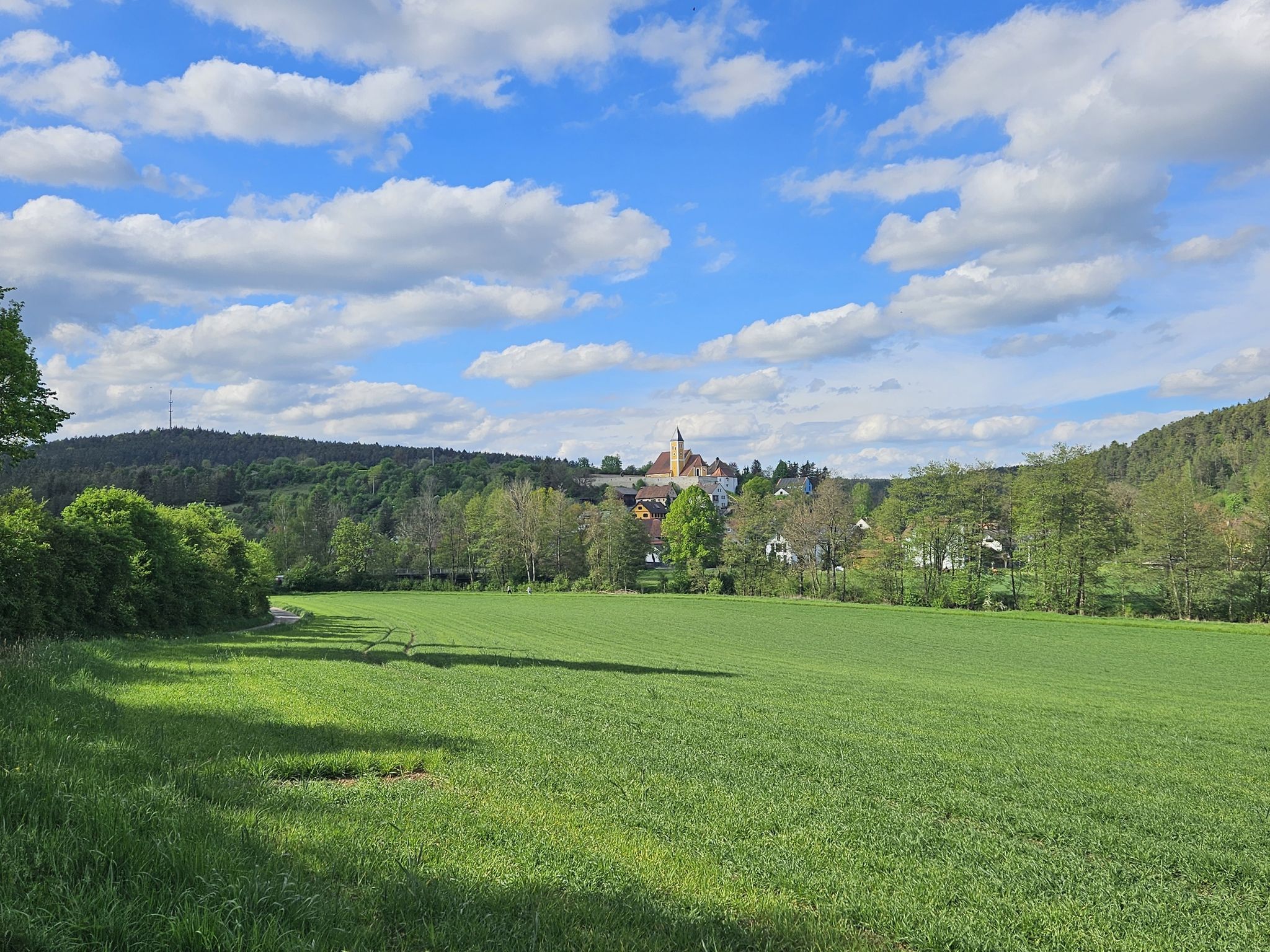
Lakes around Hirschwald are primarily characterized by smaller ponds and the significant river valleys of the Vils and Lauterach, as large natural lakes are not a prominent feature of the region. The Hirschwald Nature Park, located in Bavaria, Germany, features diverse landscapes including forests, valleys, and streams. These waterways and associated ponds contribute to the region's biodiversity, supporting various wildlife and offering scenic beauty. The area is known for its unique natural features, including juniper heaths and Jura streams.
Best…
Last updated: June 27, 2026
Haidweiher Water Ski Club
Highlight • Lake
Translated by Google •
Tip by

Teufelsweiher
Highlight • Lake
Translated by Google •
Tip by

Sign up now to discover places like this
Get recommendations on the best single tracks, peaks, & plenty of other exciting outdoor places.
Sign up for free
Pond near the abandoned settlement of Eggenberg
Highlight • Lake
Translated by Google •
Tip by

Weiherschacht Pond
Highlight • Lake
Translated by Google •
Tip by
Pond landscape near the forest edge
Highlight • Lake
Translated by Google •
Tip by
Sign up for free to discover even more lakes around Hirschwald.
Sign up for free
Already have an account?
Start today with a free account
Your next adventure awaits.
Login or Signup

Other adventures around Hirschwald

Tips from the Community

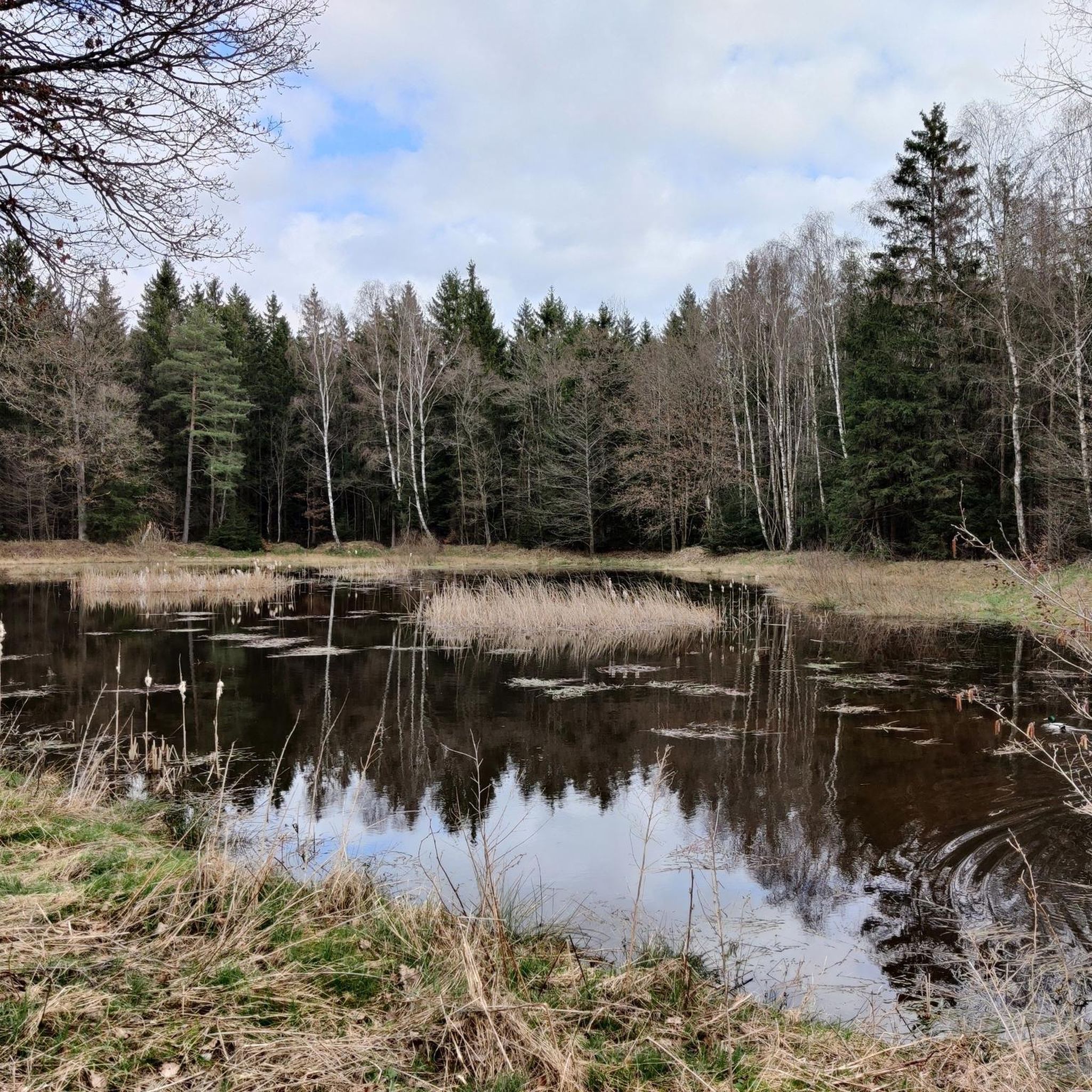
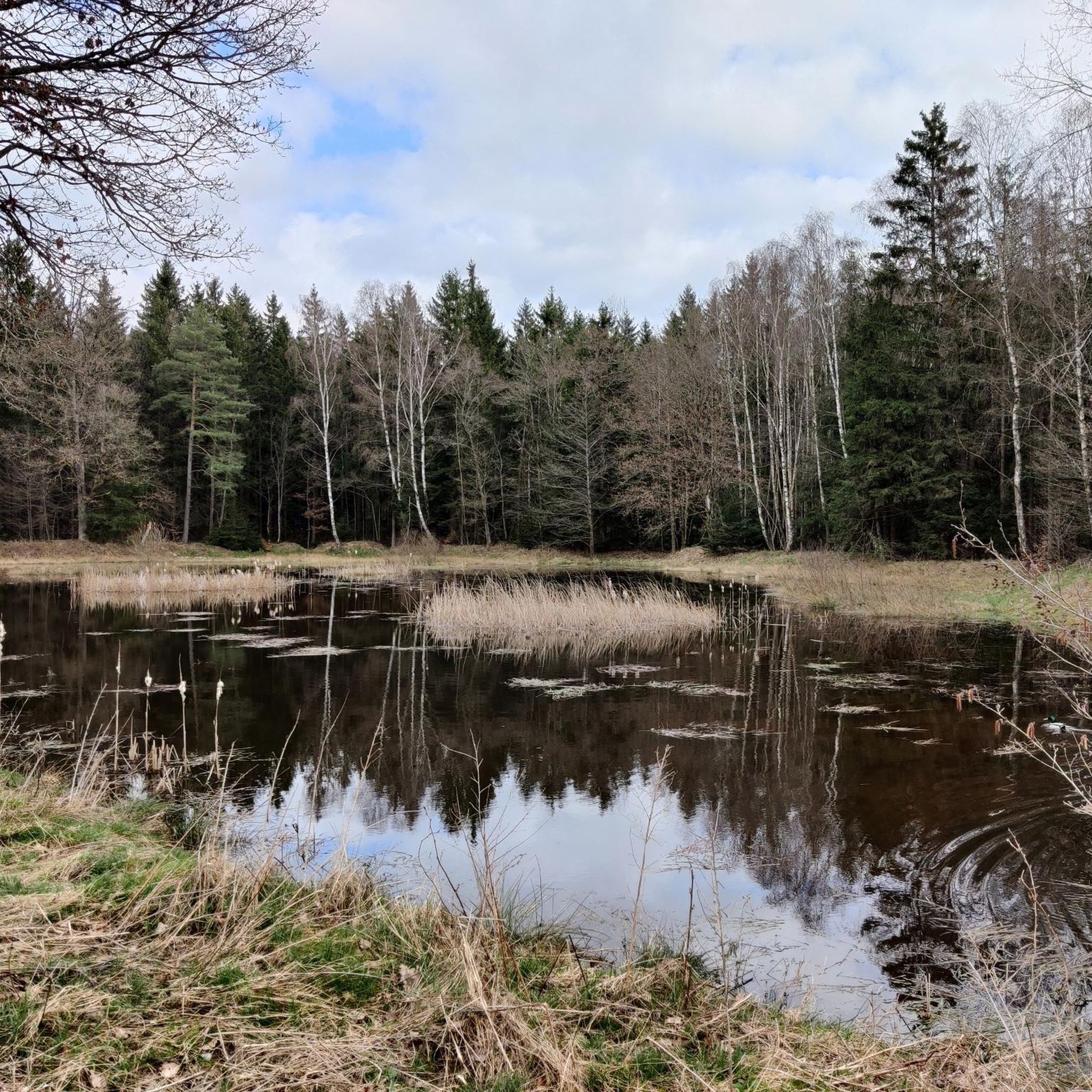
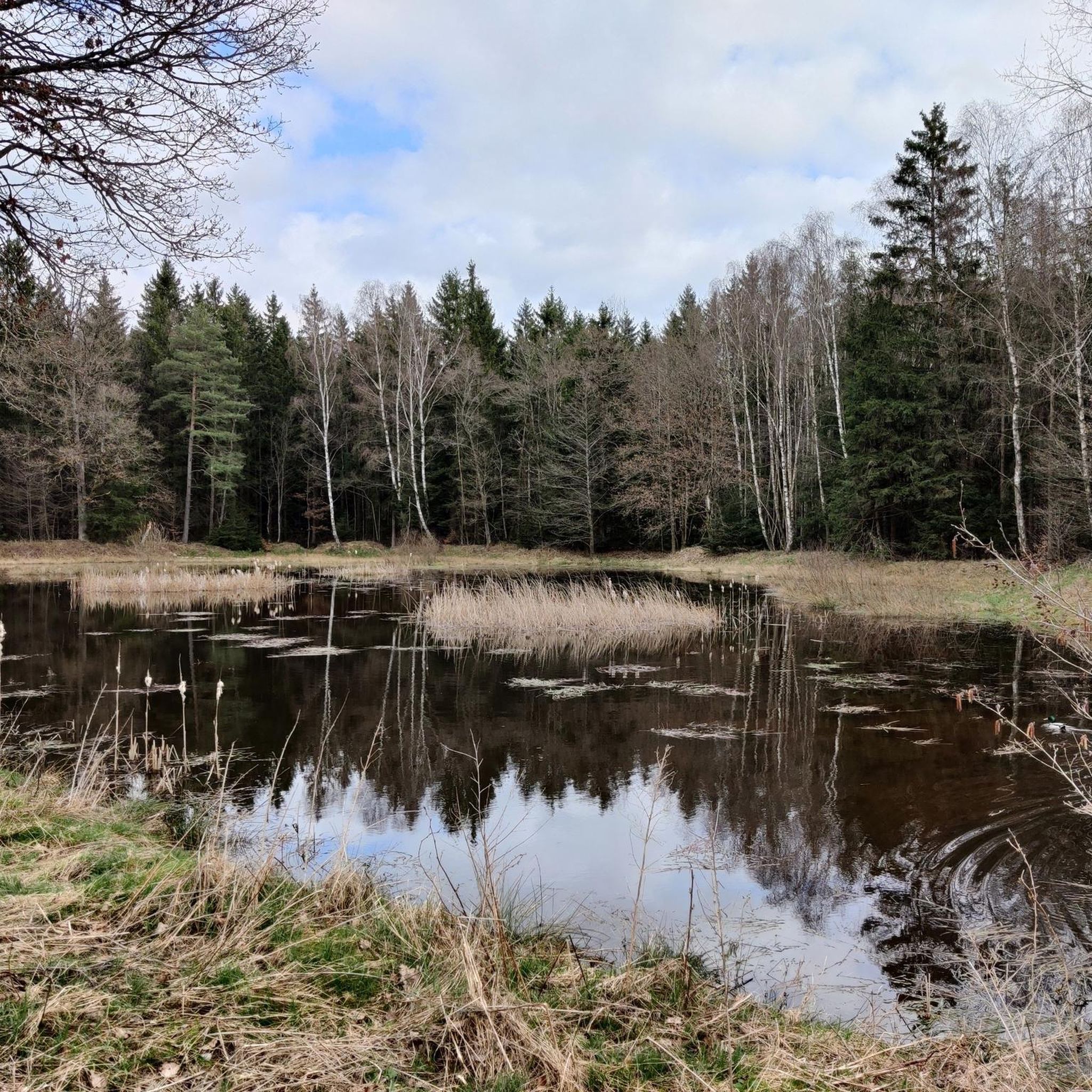
A natural pond where you are greeted with a frog concert in spring. The wooden rest area has since fallen into disrepair and you can no longer linger here.
8
0
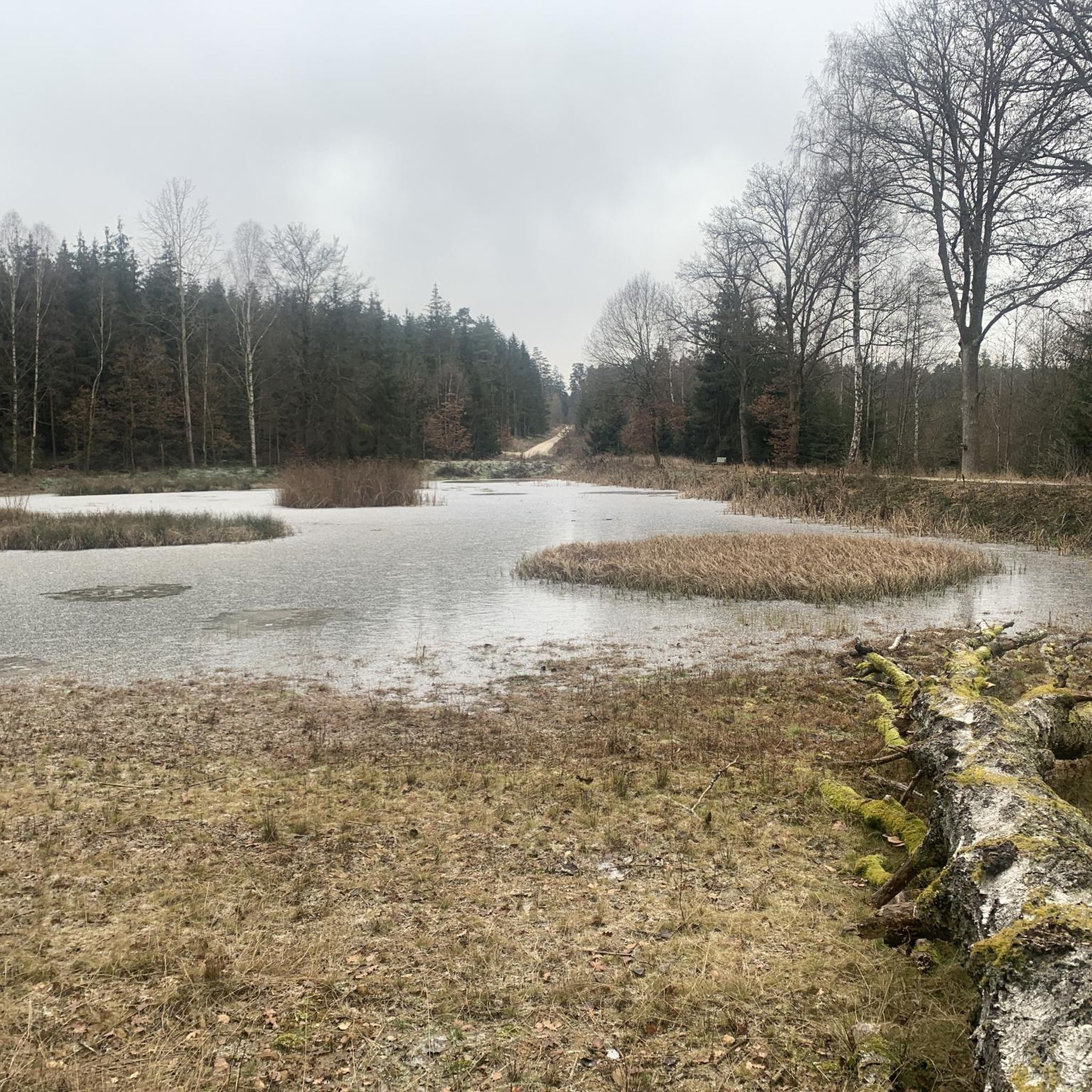
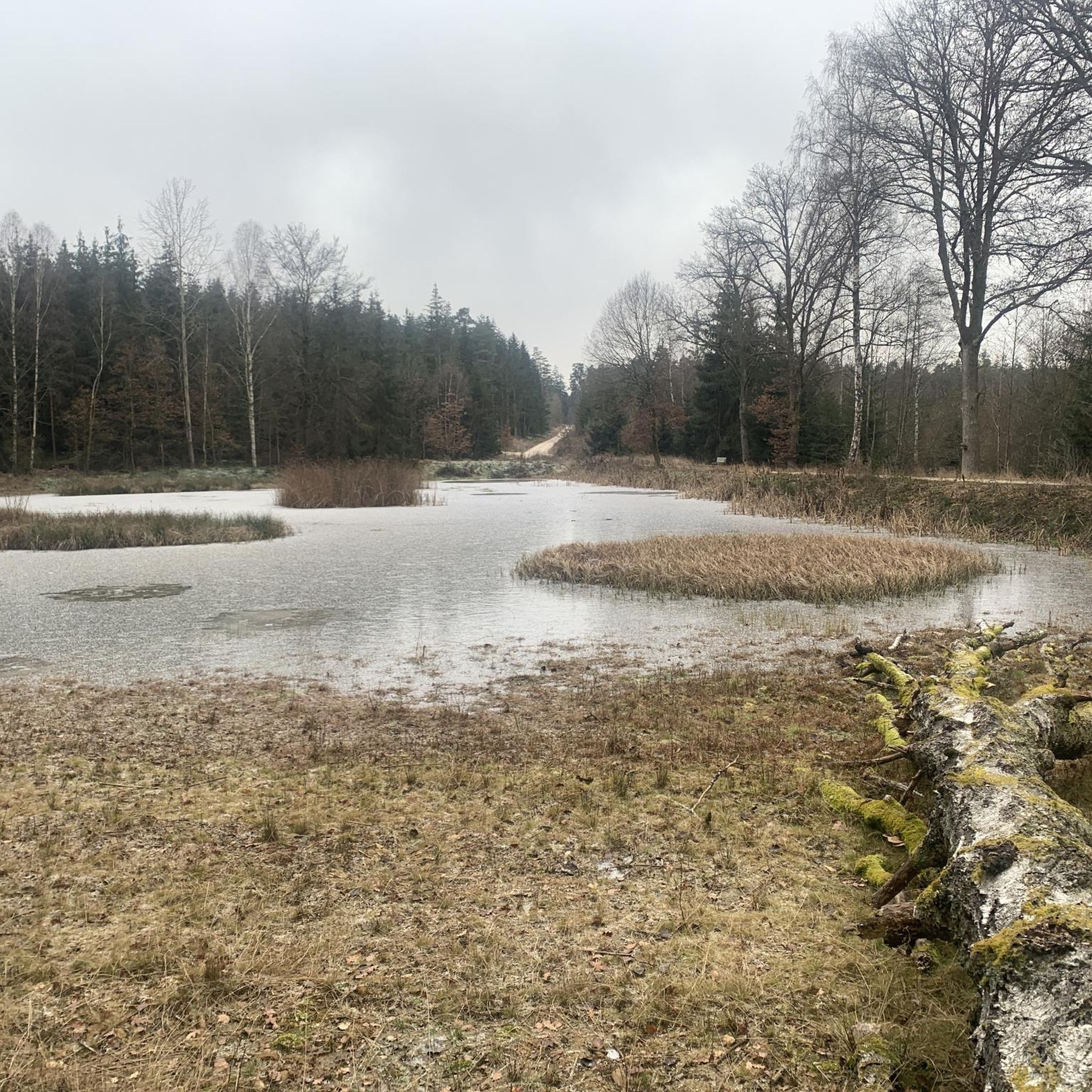
Idyllic pond landscape on the edge of the forest. Several ponds are lined up here.
13
0


Nice little pond next to the path. A wooden bench invites you to linger.
1
0
Several small ponds are lined up here - very idyllic!
2
0

The Schweppermann cycle path runs between Högling and Hiltersdorf past the idyllic Teufelsweiher pond. The western part is a bit more demanding, the eastern part runs on level ground through the Amberg-Bodenwöhrer Bay.
2
0

The pond was drained for the winter. But nonetheless it is a very beautiful area, very relaxing and idyllic
2
0

This pond was drained
1
0
Frequently Asked Questions
What kind of water bodies can I expect to find in the Hirschwald Nature Park?
The Hirschwald Nature Park is primarily characterized by its significant river valleys, the Vils and Lauterach, rather than large natural lakes. You will find numerous smaller ponds and 'Hülls' (bodies of water with no inflow or outflow) that contribute to the region's unique biodiversity and scenic beauty.
What kind of wildlife can be observed around the water bodies in Hirschwald?
The clean, oxygen-rich waters of the Vils and Lauterach rivers are biodiversity hotspots. You can observe various wildlife, including trout and crayfish. The valleys are excellent for birdwatching, with kingfishers and white-throated dippers. Dazzling dragonflies, rare butterflies, and lacewings are also common, especially in the river valleys.
Are there any notable natural features or viewpoints around the water bodies?
Yes, the river valleys themselves offer picturesque landscapes. The Lauterach valley, in particular, features south-facing hillsides with a nearly Mediterranean climate, supporting unique vegetation like wild orchids, juniper bushes, and yellow stonecrop. These areas provide excellent viewpoints for experiencing the natural beauty of the Upper Palatinate Jura.
What outdoor activities are popular near the water bodies in Hirschwald?
The river valleys and surrounding areas are ideal for various outdoor activities. You can enjoy hiking, gravel biking, and road cycling. For example, there are routes like the 'Path Along the Vils River – Lauterach Valley Cycle Path loop' for gravel biking, and numerous hiking trails such as the 'Waldhaus Inn Beer Garden loop'. You can find more details on these activities in the respective guides for gravel biking, hiking, and road cycling around Hirschwald.
Are there family-friendly options for visiting the water bodies in Hirschwald?
Many of the smaller ponds and river sections are suitable for family visits. For instance, the Teufelsweiher is a natural pond next to a path, offering a spot to linger. The Pond landscape near the forest edge is also described as idyllic and relaxing, perfect for a family outing. The Weiherschacht Pond also offers a resting bench.
Are dogs allowed on trails near the water bodies in Hirschwald?
Generally, dogs are welcome on trails in the Hirschwald Nature Park. However, it's always recommended to keep them on a leash, especially in nature protection areas or near wildlife habitats, to ensure the safety of both your pet and the local fauna. Specific rules might apply to certain sensitive areas, so always look for local signage.
When is the best time to visit the water bodies and river valleys in Hirschwald?
The Hirschwald Nature Park offers beauty year-round. Spring is particularly enchanting with the 'frog concert' at places like Teufelsweiher and the blooming of wild orchids. Summer is ideal for hiking and cycling along the rivers. Autumn brings vibrant foliage, while winter offers tranquil, crisp landscapes, though some ponds might be drained.
What is the largest still water body in the Hirschwald region?
The largest still water body in the municipality of Kümmersbruck and the entire district of Amberg-Sulzbach is the Haidweiher Water Ski Club. It spans approximately 14 hectares and features extensive reed beds, making it an important habitat for birds and amphibians.
Are there any water bodies with historical significance in the Hirschwald Nature Park?
Yes, the Weiherschacht Pond is a remnant of a historical chain of ponds. It was farmed by the Ensdorf monastery until secularization, serving as an important food source for Benedictine monks. Another example is the Pond near the abandoned settlement of Eggenberg, a 'Hüll' located at the site of a former settlement that once belonged to the Ensdorf monastery.
How can I access the water bodies and river valleys in Hirschwald Nature Park?
The Hirschwald Nature Park is accessible by car, with various parking areas near trailheads and points of interest. Public transport options may be limited to certain towns bordering the park. For detailed access information, it's best to consult local transport schedules or park maps, or visit the official Hirschwald Nature Park Wikipedia page for general information.
Are there places to eat or stay near the water bodies in Hirschwald?
While specific cafes or accommodations directly adjacent to every small pond might be rare, the towns and villages within and bordering the Hirschwald Nature Park, such as Amberg or Ensdorf, offer various options for dining and lodging. You'll find traditional Bavarian guesthouses, restaurants, and cafes to refresh yourself after exploring the river valleys and ponds.
Most popular routes around Hirschwald
Most popular attractions around Hirschwald

Get inspired with the komoot mobile app


Explore more
Still not found your perfect lake around Hirschwald? Check out the guides of these regions to see even more beautiful places.
