Top 16 Caves around Schwarzenbach am Wald
Best caves around Schwarzenbach am Wald are primarily historical mining tunnels and geological formations located in the Frankenwald region of Bavaria, Germany. This area offers insights into its rich geological past and mining heritage. Visitors can explore various adits and natural rock crevices that showcase the region's unique underground landscape. These sites are integrated into hiking trails, providing opportunities to combine exploration with outdoor activity.
Best caves around Schwarzenbach am Wald
- The most popular caves is Quarkloch Cave, a…
Last updated: August 20, 2026
Kupferloch Former Ore Mining Site
Highlight • Cave
Translated by Google •
Tip by

Quarkloch Cave
Highlight • Cave
Translated by Google •
Tip by
Sign up now to discover places like this
Get recommendations on the best single tracks, peaks, & plenty of other exciting outdoor places.
Sign up for free
Blauer Löw Mine Entrance
Highlight • Cave
Translated by Google •
Tip by

Dürrenwaid Drinks Cave
Highlight • Cave
Translated by Google •
Tip by

Güldenstein — Former settlement and rock cellar
Highlight • Historical Site
Translated by Google •
Tip by
Sign up for free to discover even more caves around Schwarzenbach am Wald.
Sign up for free
Already have an account?
Start today with a free account
Your next adventure awaits.
Login or Signup
Popular around Schwarzenbach am Wald
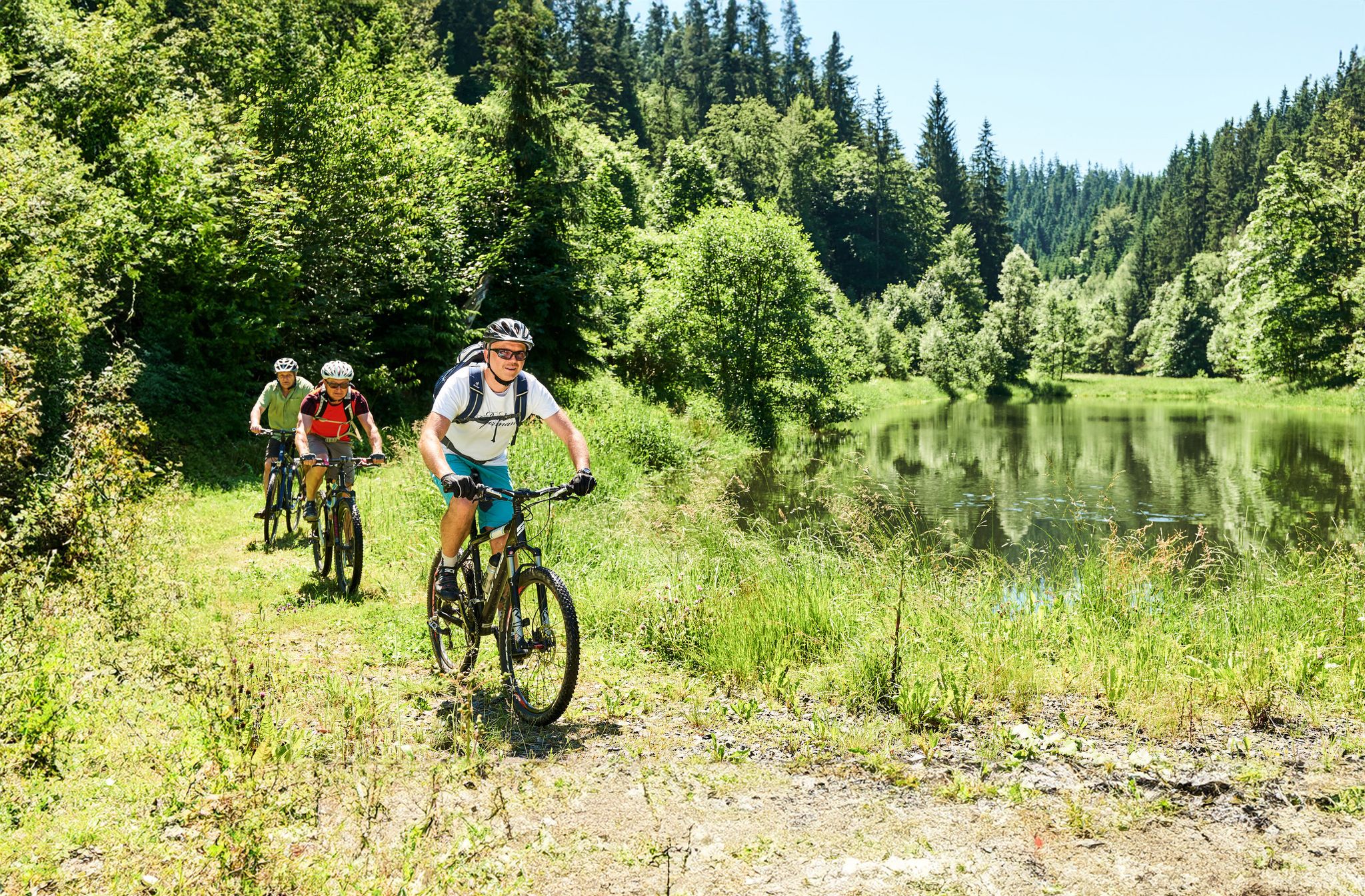
Magical woodland & trails – cycling in Germany’s Franconian Forest
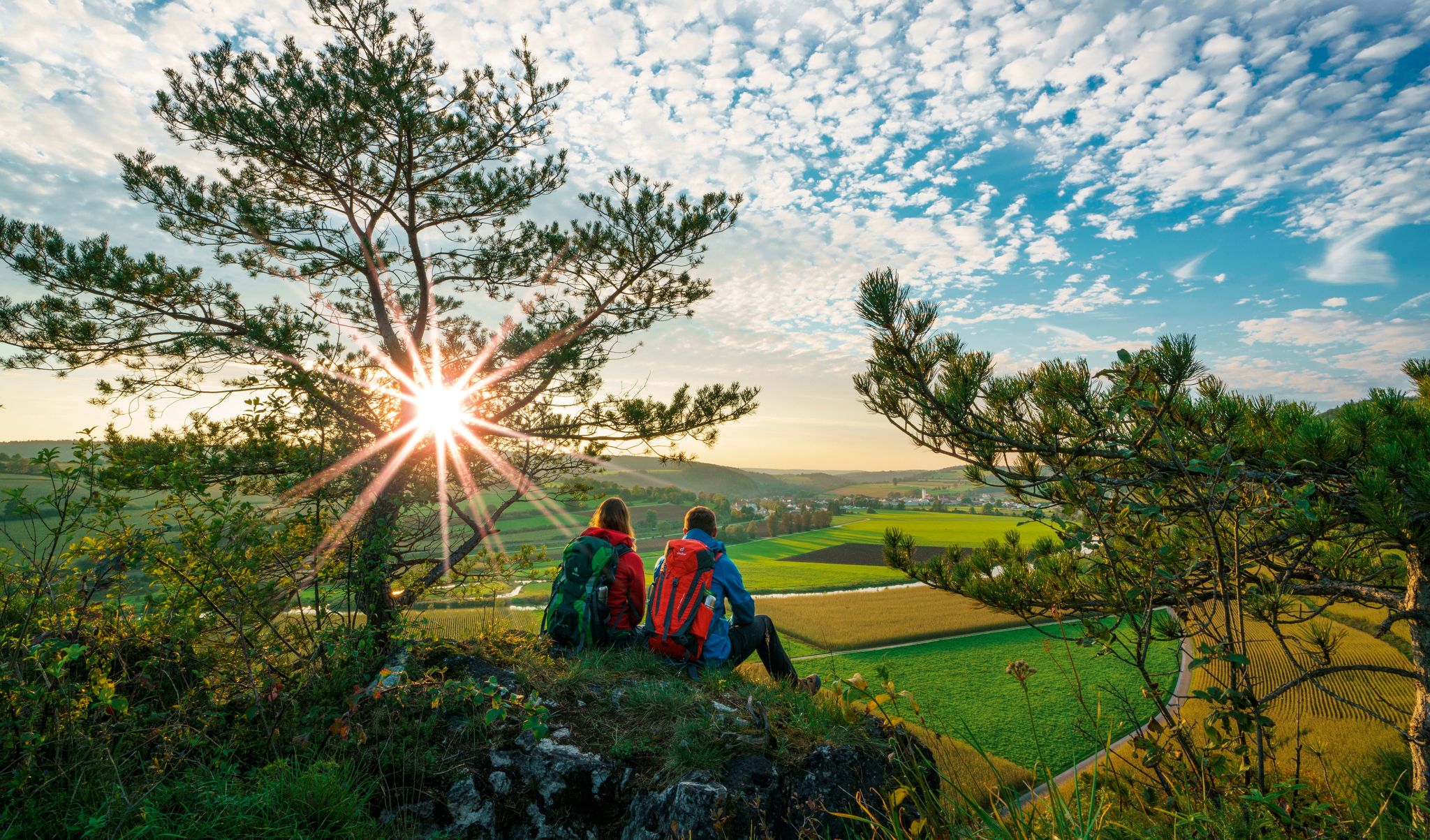
The Franconian Trail – A Diverse Hiking Dream Across 24 Stages
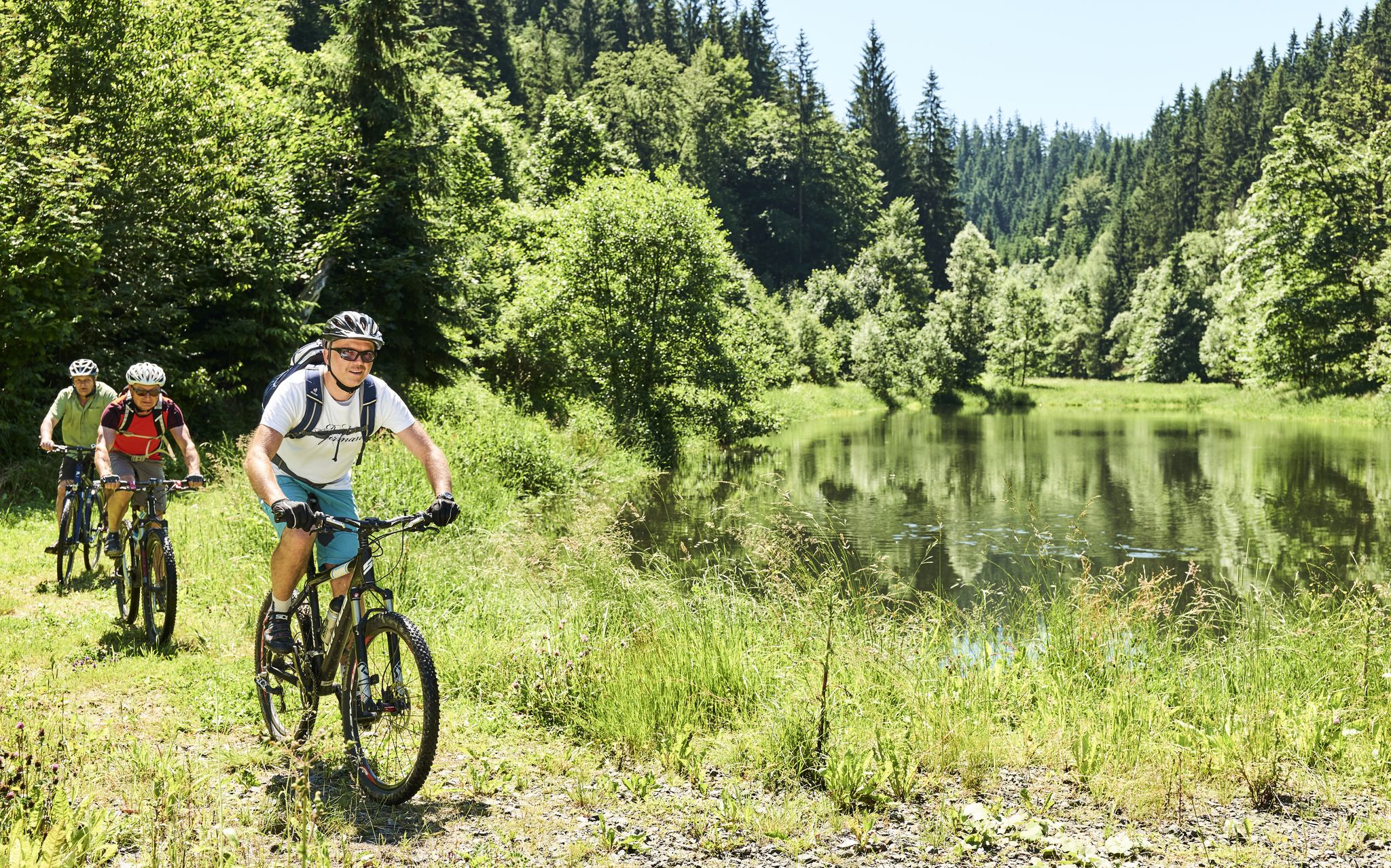
Mountainbiking im Frankenwald
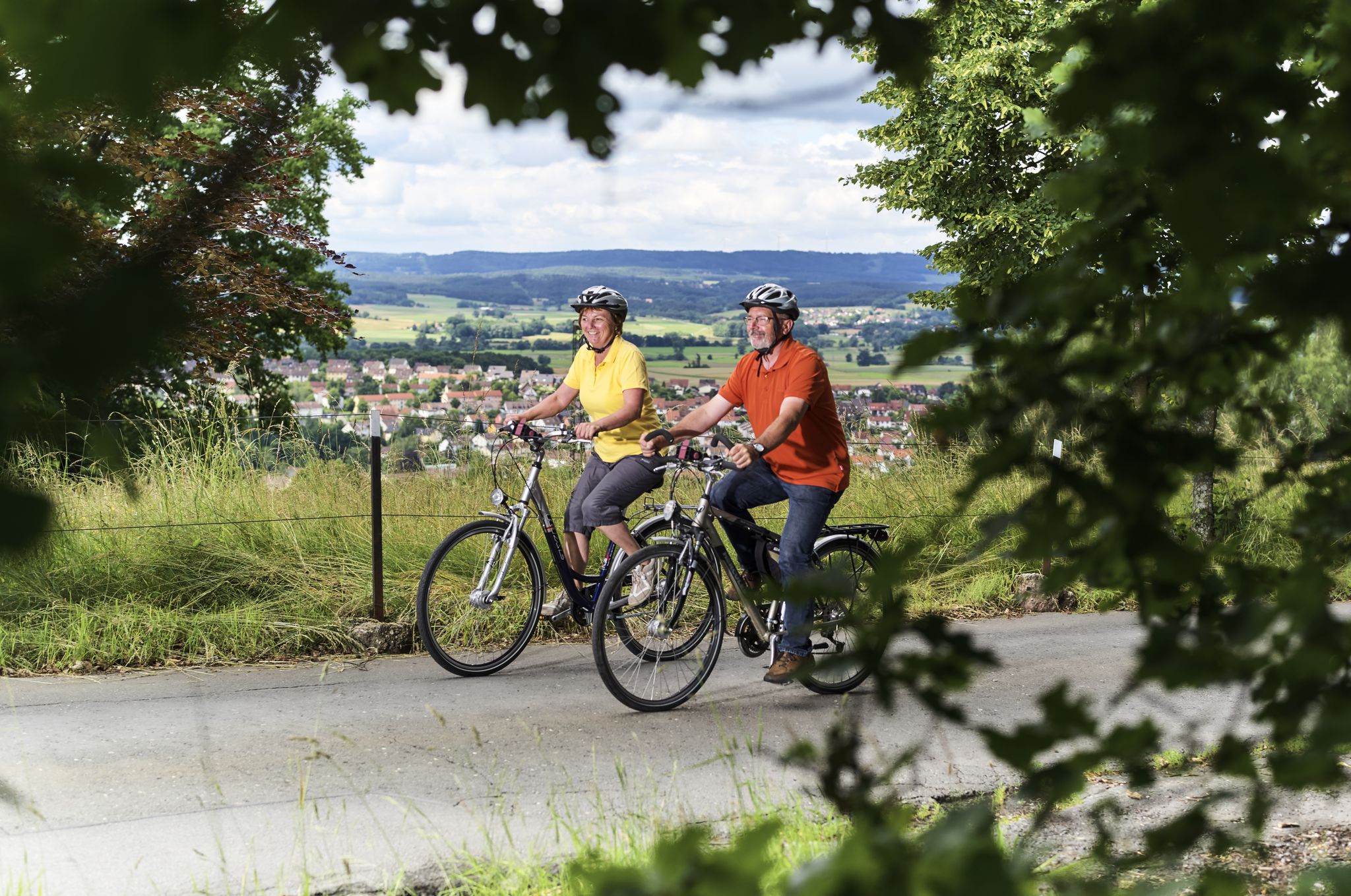
Unsere schönsten Radtouren im Frankenwald
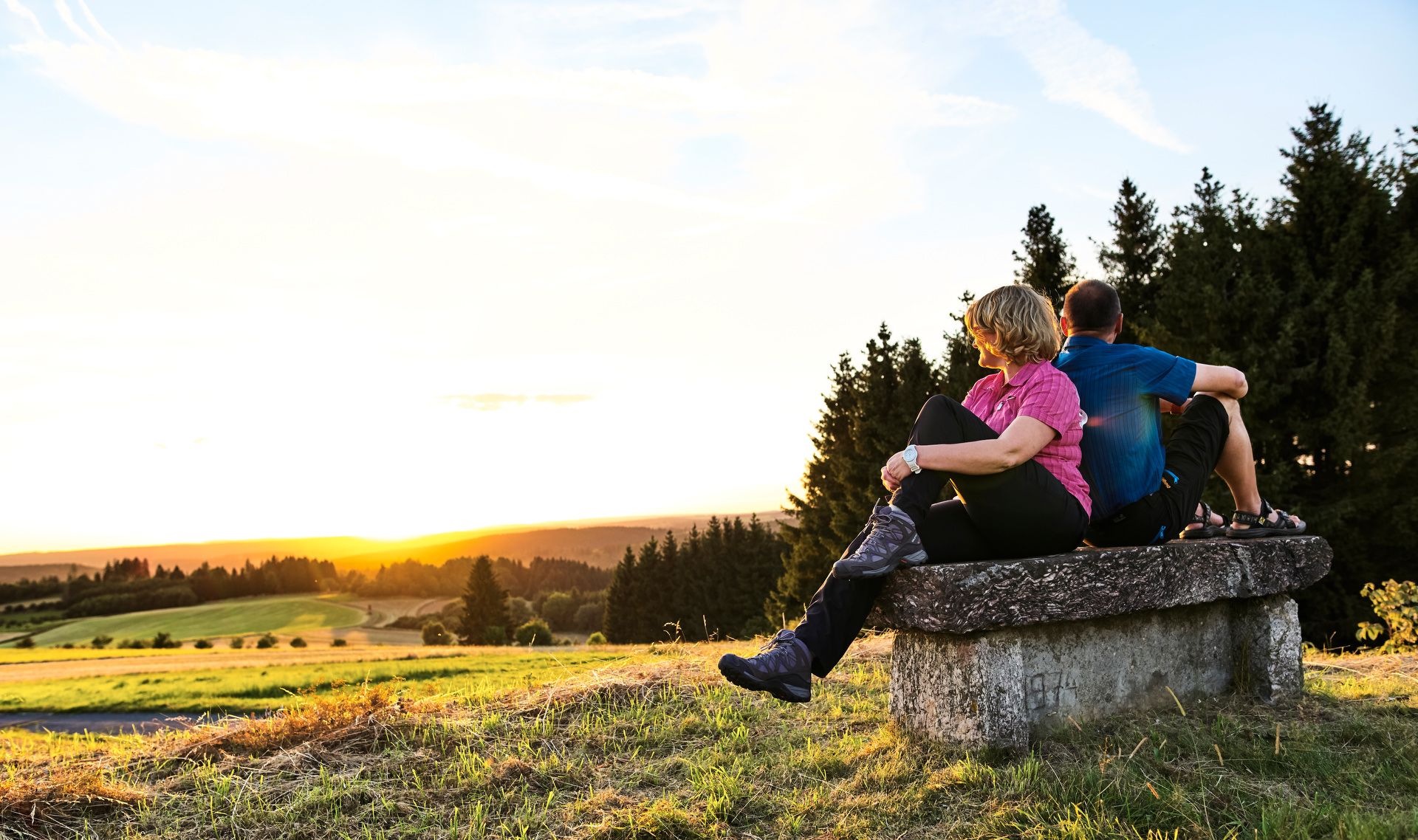
Unsere FrankenwaldSteigla
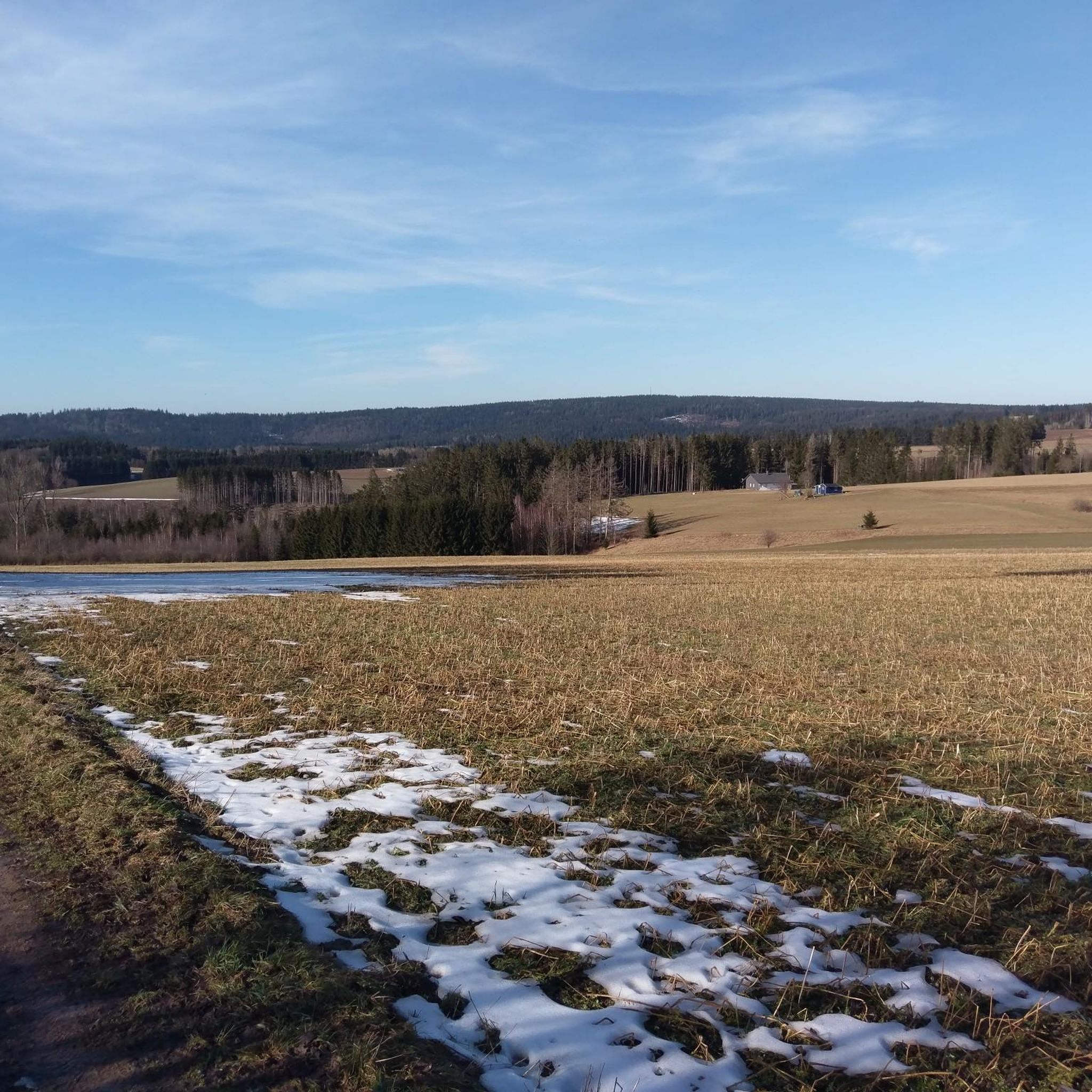
Hiking around Schwarzenbach am Wald
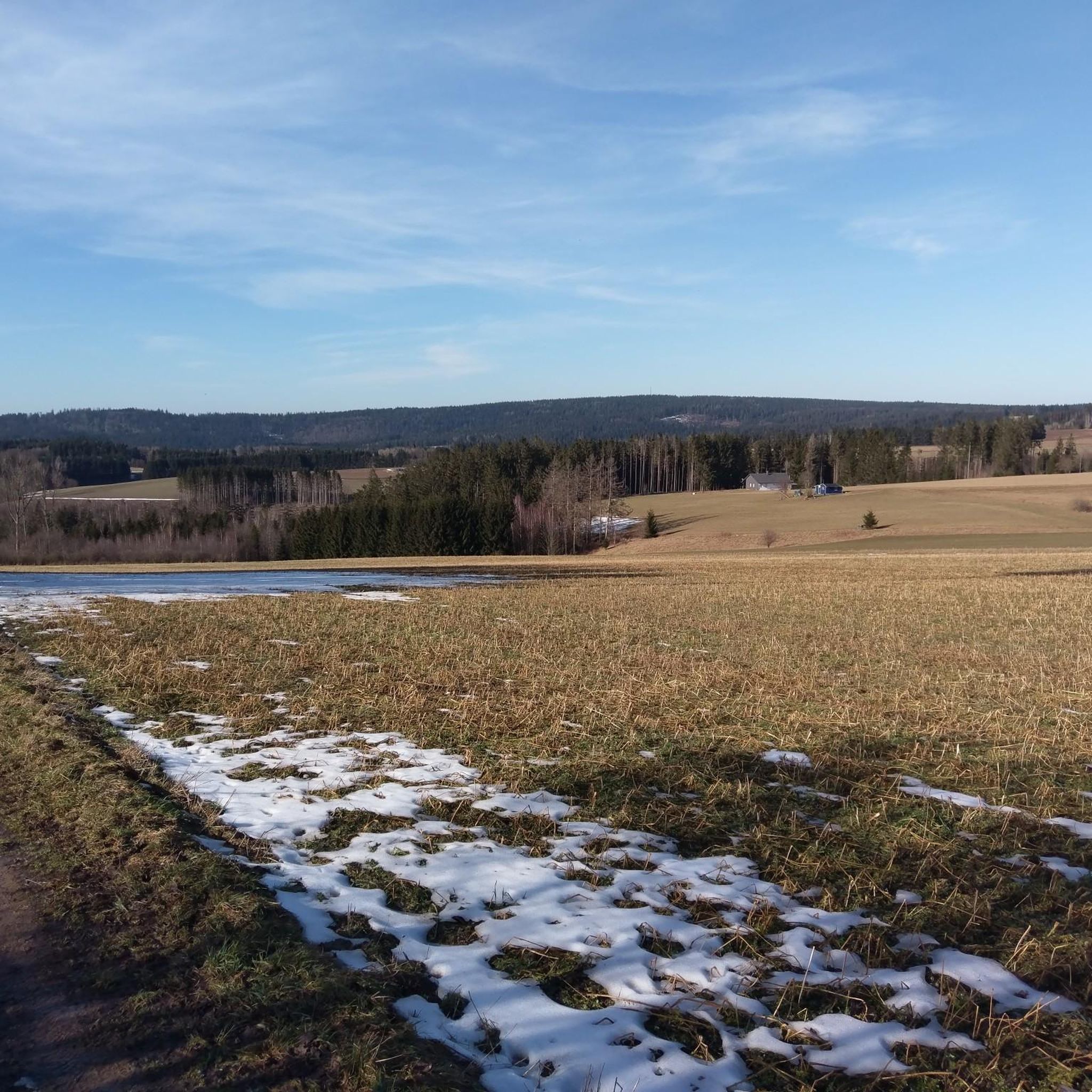
Cycling around Schwarzenbach am Wald
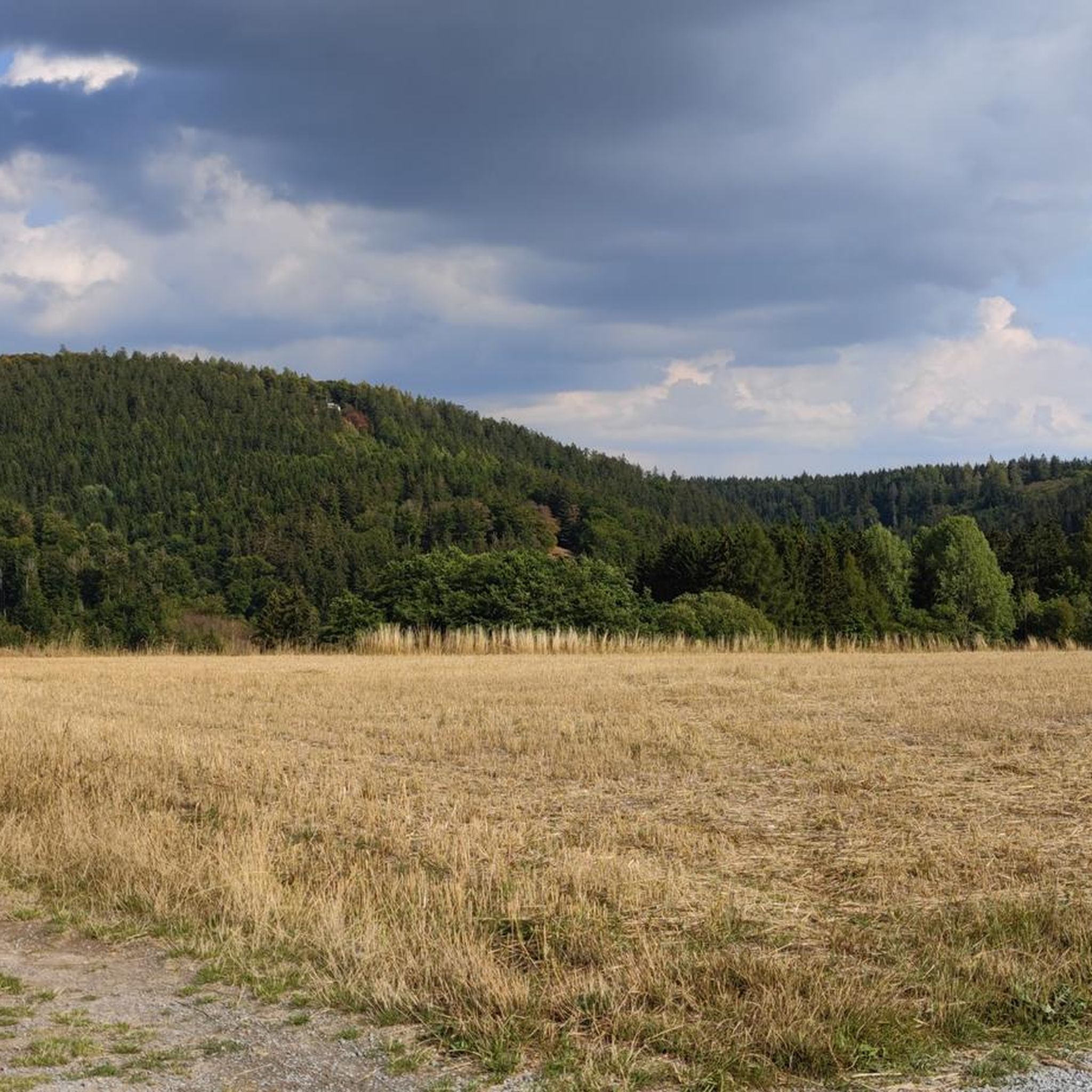
MTB Trails around Schwarzenbach am Wald
Running Trails around Schwarzenbach am Wald
Road Cycling Routes around Schwarzenbach am Wald
Other adventures around Schwarzenbach am Wald


Tips from the Community

What a great idea with the cash register! The drinks are wonderfully chilled. I was happy to take advantage of the offer. You can leave a message on the slate stones!🤩
0
0

The first inhabitants of the Güldenstein estate were probably forestry assistants or woodcutters. Bird trapping was also a lucrative sideline. The Güldenstein bird herd was located above the hillside on a flat area. Only the owners of the estate had the right to trap all types of finches, larks, tits, blackbirds, and thrushes. Selling them was not a problem, as the songbirds were considered a delicacy in the city. Bird trapping was not banned until the end of the 19th century. However, the most important means of survival in this remote area was always agriculture. In 1930, Güldenstein was abandoned by its last inhabitants.
18
0

Amazingly, it is not locked and can be entered - provided you have a lamp with you. After just a few steps it is pitch black and you can already hear the water at the end.
0
0
According to legend, the Querkela lived in the Quarkloch. To this day, it is not clear whether the Quarkloch is a crevice in the rock or the beginning of a mining tunnel. The entrance is still clearly visible, but after five meters the cave is blocked by rubble and earth. There have been repeated attempts to uncover the cave, but this has not happened to date. The Quarkloch has managed to preserve its mystical existence.
16
1

The quark hole is located vertically above the information board. The path zigzags upwards. The 50 m sign has fallen off at the bend. Go left there.
1
1
The Quarklock is vertically above the information board. The path zigzags upwards. The 50 m sign has fallen off at the bend. Go left there.
1
1

One of the most beautiful places I discovered on my tour.
1
0

desertification. The house was razed to the ground, the rock cellar that served as a water source for the residents still exists and is secured with a railing.
5
0
Frequently Asked Questions
What kind of caves can I expect to find around Schwarzenbach am Wald?
The region around Schwarzenbach am Wald in the Frankenwald primarily features historical mining tunnels, adits, and geological formations rather than large, traditional show caves with extensive stalactite formations. These sites offer insights into the area's rich geological past and mining heritage.
Are there any natural caves with extensive formations in the area?
No, the sites around Schwarzenbach am Wald are not known for extensive natural cave formations like stalactites or stalagmites. The focus is more on geological formations and historical mining tunnels, which provide a unique perspective on the region's underground landscape and industrial history.
What historical mining sites can I explore near Schwarzenbach am Wald?
You can explore several historical mining sites. The Blauer Löw Mine Entrance is an 18th-century ore mining tunnel where you can walk about 25 meters inside. The Kupferloch Former Ore Mining Site also allows exploration of past mining activities, with visible ore veins. Additionally, the Dwarves' Cave is a former mine entrance that is part of a local geopath.
What is the <a href="https://www.komoot.com/highlight/445968" target="_blank" rel="noopener">Quarkloch Cave</a> known for?
The Quarkloch Cave is a natural monument steeped in local legend. It's said that the mythical Querkela lived here. While the entrance is visible, the cave is blocked by rubble after about five meters. It is part of the newly signposted Querkela trail OS12 and has an information board.
Can I explore the <a href="https://www.komoot.com/highlight/266288" target="_blank" rel="noopener">Blauer Löw Mine Entrance</a>?
Yes, approximately 25 meters of the 35-meter-long Blauer Löw Mine Entrance are accessible. You will need a flashlight to observe the red iron ore deposits and quartz veins shortly after the entrance. The remaining part of the adit is submerged.
Is the <a href="https://www.komoot.com/highlight/7113290" target="_blank" rel="noopener">Dwarves' Cave</a> accessible?
The Dwarves' Cave (Zwergenloch) is a former mine entrance that can be explored. It is part of the 'Geopfad Döbraberg-Eisenbachtal' and requires sure-footedness for access. Inside, you might find plastic dwarves, adding to its legendary charm.
What should I wear or bring when exploring these sites?
Given that many sites are historical mining tunnels or natural rock crevices, it's advisable to wear sturdy footwear suitable for uneven terrain. A flashlight or headlamp is essential for exploring the darker sections of adits like the Blauer Löw Mine Entrance. Dress in layers, as temperatures inside can be cooler.
Are the caves around Schwarzenbach am Wald suitable for families with children?
Many of the sites, such as the Kupferloch Former Ore Mining Site and the Quarkloch Cave, are considered family-friendly and offer an educational experience into geology and mining history. However, some areas may require sure-footedness, so supervision for younger children is recommended.
What is the best time of year to visit the caves and mining tunnels?
The historical mining tunnels and geological formations can generally be visited year-round. However, spring and autumn offer pleasant temperatures for combining cave exploration with hiking on the surrounding trails. During winter, some paths might be icy, requiring extra caution.
What outdoor activities can I do near these caves?
The caves and mining tunnels are often integrated into hiking trails, allowing you to combine exploration with outdoor activity. You can also find various cycling routes, including road cycling and mountain biking. For example, there are numerous Road Cycling Routes, Cycling Routes, and MTB Trails around Schwarzenbach am Wald.
Are there hiking trails that incorporate these cave sites?
Yes, many of the cave and mining sites are part of established hiking trails. For instance, the Dwarves' Cave is part of the 'Geopfad Döbraberg-Eisenbachtal', and the Blauer Löw Mine Entrance is on an 'Erlebnispfad Geologie und Bergbau Höllental'. The Quarkloch Cave is also integrated into the Querkela trail OS12.
Where can I find more information about the Frankenwald region's mining history?
The sites themselves, like the Blauer Löw Mine Entrance, are part of adventure trails focused on geology and mining. For broader regional information, you can visit the Frankenwald Tourism website at frankenwald-tourismus.de.
Most popular routes around Schwarzenbach am Wald
Most popular attractions around Schwarzenbach am Wald

Get inspired with the komoot mobile app


Explore more
Extend your search for the best caves by checking out these guides of the top ones around Schwarzenbach am Wald:
