Top 8 Caves around Zell im Fichtelgebirge
Best caves around Zell im Fichtelgebirge are primarily unique rock formations and "cave-like" structures within the Fichtelgebirge natural park. This state-recognized recreational area, situated at the foot of the Waldstein mountain, is known for its distinctive granite rock formations resulting from spheroidal weathering. The region offers an exploratory experience through above-ground and shallow rock formations, appealing to those interested in hiking and natural geological wonders. Visitors can explore various natural monuments and historical sites that feature these unique geological characteristics.
…Last updated: July 10, 2026
Nusshardt Summit and Rock Formations
Highlight • Summit
Translated by Google •
Tip by

Quarkloch Cave
Highlight • Cave
Translated by Google •
Tip by
Sign up now to discover places like this
Get recommendations on the best single tracks, peaks, & plenty of other exciting outdoor places.
Sign up for free
The Felsenei (Egg-Shaped Boulder)
Highlight • Natural Monument
Translated by Google •
Tip by

Rock passage of the pearl fishery in the Ölschnitz valley
Highlight • Cave
Translated by Google •
Tip by

Felsenkeller Meierhof
Highlight • Cave
Translated by Google •
Tip by
Sign up for free to discover even more caves around Zell im Fichtelgebirge.
Sign up for free
Already have an account?
Start today with a free account
Your next adventure awaits.
Login or Signup
Popular around Zell im Fichtelgebirge
Saale Cycle Path part 1 – four sporty stages through the Thuringian Forest
Saale Cycle Path — 9 stages from the source of the Saale to the Elbe
Leisure cycling and touring in Thuringia
Hike granite peaks and forests in Bavaria – Fichtelgebirge High Trail
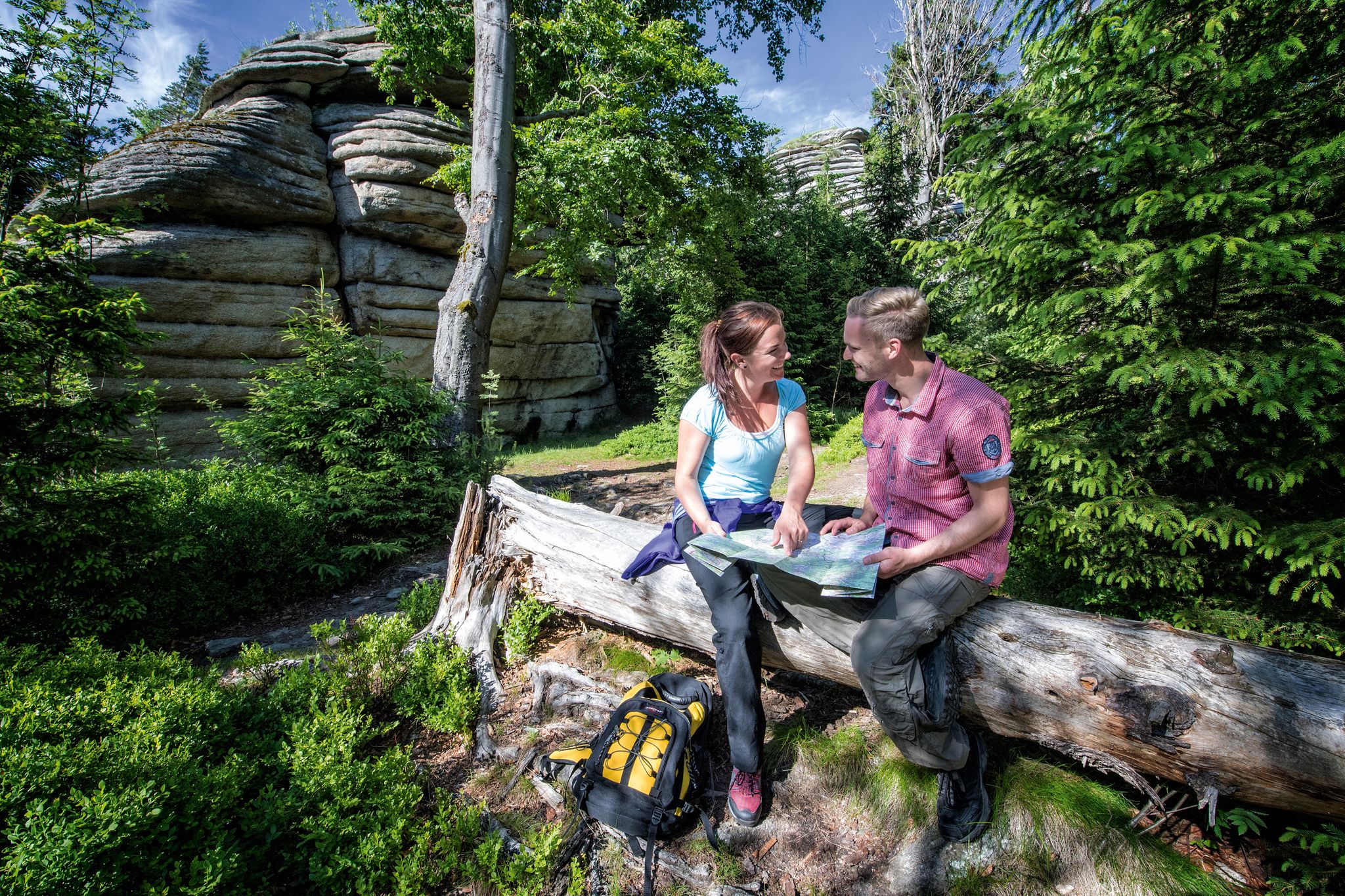
The Franconian Mountain Trail – 21 Stages of Magical Summit Bliss
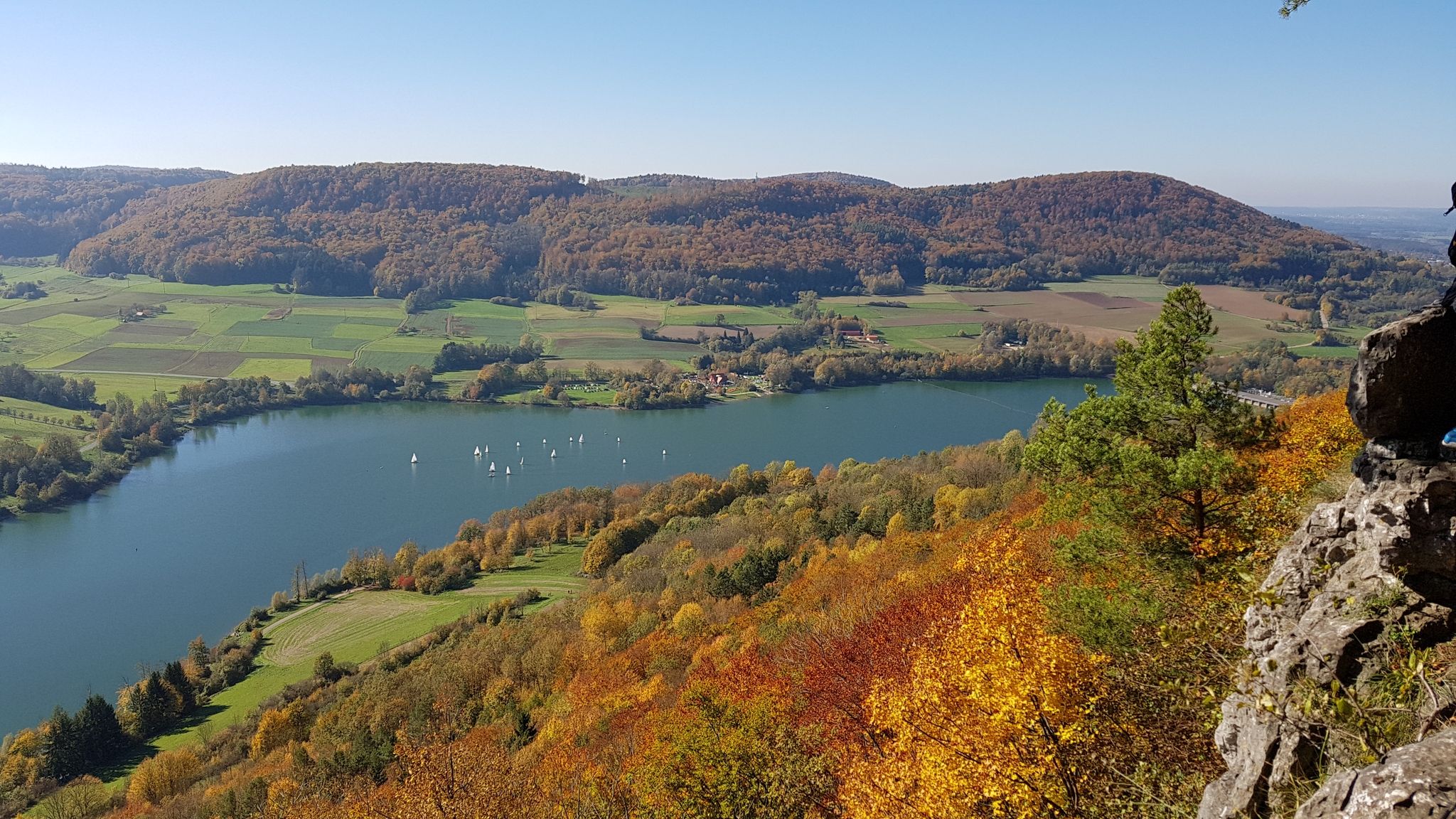
Colourful leaves & gentle hills – hiking in autumn in Franconia
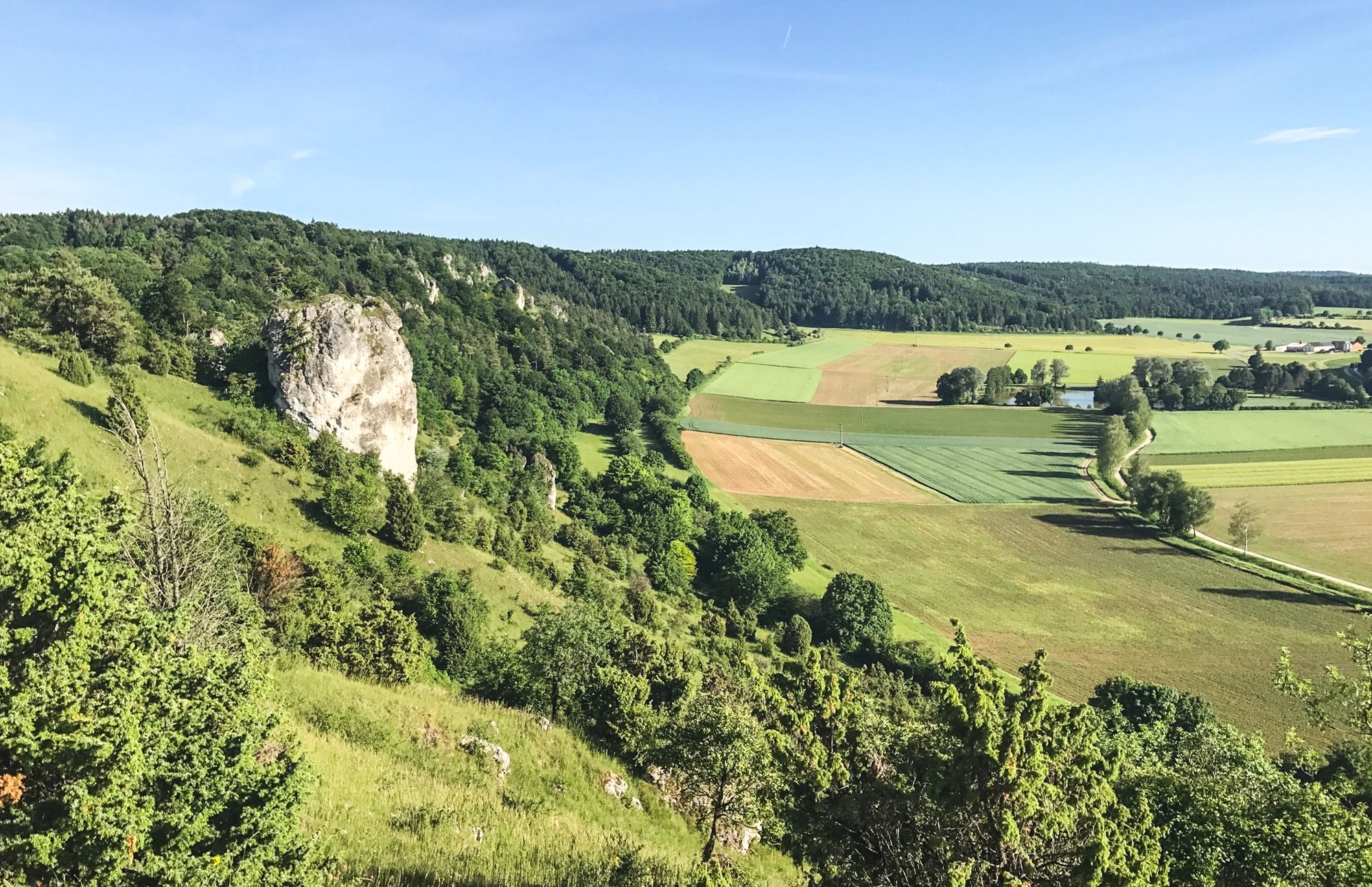
Between Altmühltal & Spruce Mountains – hiking in Franconia
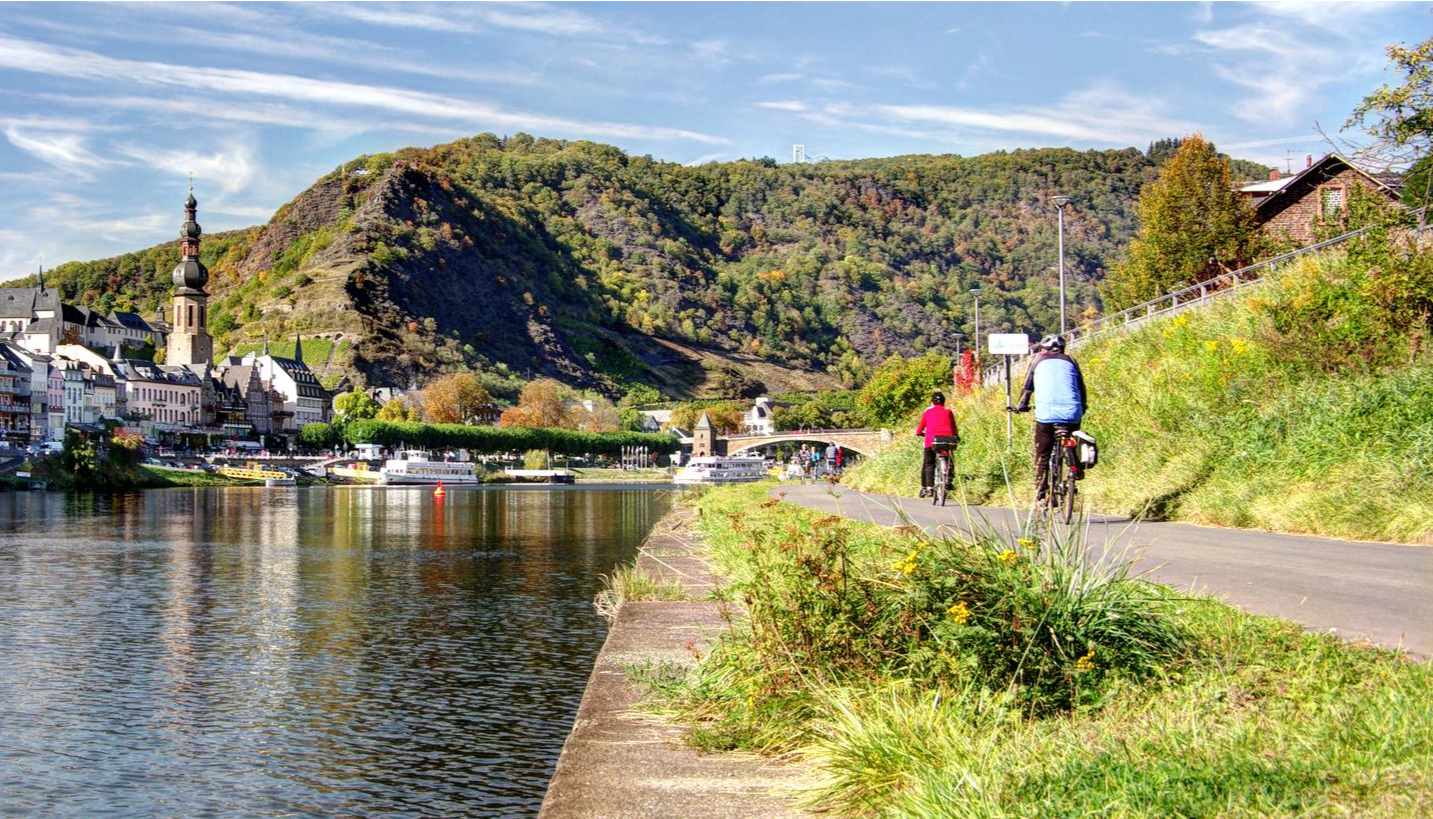
Mehrtagesradtouren in Deutschland und angrenzenden Ländern
Entdecke die fränkische Vielfalt – Radregion Fichtelgebirge
Hiking around Zell im Fichtelgebirge
Other adventures around Zell im Fichtelgebirge


Tips from the Community

The Gefrees Hiking Club (FGV Gefrees), in cooperation with the Gefrees Historical Forum, has erected an information panel here, providing details about the royal pearl fishing operations at this location. The small passage was hewn into the rock for this purpose and is accessible to slender and agile individuals.
0
0
A small side path leads from the main path down to the tunnel. An information panel provides information about the tunnel's origins, dating back to the 18th century. At the upper end, there is a ford through the Ölschnitztal valley, which may be passable when the water level is low.
0
0

Here you will find a small, approximately 10 m long rock breakthrough from the old pearl fishery in the Ölschnitz valley. The straight breakthrough is accessible, but adults can only do so in a crouched position. The river-side entrance bears the year 1770. Further information on the historical reference can be found on a new, small information board above the rock tunnel.
1
0

Many such rocks of enormous proportions can be found in the Fichtelgebirge; a few, so-called wobbling stones, can even be rocked using a lever.
1
0

A large egg-shaped boulder that forms a large cave with another rock in the back
0
1

According to legend, the Querkela lived in the Quarkloch. To this day, it is not clear whether the Quarkloch is a crevice in the rock or the beginning of a mining tunnel. The entrance is still clearly visible, but after five meters the cave is blocked by rubble and earth. There have been repeated attempts to uncover the cave, but this has not happened to date. The Quarkloch has managed to preserve its mystical existence.
16
1

The quark hole is located vertically above the information board. The path zigzags upwards. The 50 m sign has fallen off at the bend. Go left there.
1
1
The Quarklock is vertically above the information board. The path zigzags upwards. The 50 m sign has fallen off at the bend. Go left there.
1
1
Frequently Asked Questions
What kind of 'caves' can I expect to find around Zell im Fichtelgebirge?
The Zell im Fichtelgebirge area is known for its unique granite rock formations and 'cave-like' structures rather than traditional underground caverns with stalactites. You'll discover fascinating rock labyrinths, cover caves formed by massive boulders, and historical rock passages. These geological features offer an exploratory experience for hikers and nature enthusiasts.
Are there any historical 'caves' or rock formations with interesting stories?
Yes, several formations have rich histories or legends. The Quarkloch Cave, for instance, is steeped in local legend, with tales of the 'Querkela' and its use as a refuge from robbers. Another historical site is the Rock passage of the pearl fishery in the Ölschnitz valley, an approximately 10-meter-long rock breakthrough from the 18th-century pearl fishery, accessible in a crouched position.
What are some of the most unique rock formations to explore?
Beyond the well-known ones, you can explore formations like The Felsenei (Egg-Shaped Boulder), a natural monument where a large egg-shaped boulder creates a significant cave with another rock. The region is also famous for its extensive rock labyrinths, such as the one at Luisenburg near Wunsiedel, which is Europe's largest and offers a unique natural spectacle.
Are there family-friendly 'caves' or rock formations suitable for children?
Many of the rock formations and 'cave-like' structures are suitable for families, especially those who enjoy hiking and exploring. The Quarkloch Cave, with its intriguing legends and accessible path, is considered family-friendly. The wider Fichtelgebirge region's rock labyrinths also provide an engaging and adventurous experience for children.
What outdoor activities can I do near these caves and rock formations?
The area around Zell im Fichtelgebirge is ideal for various outdoor activities. You can enjoy cycling on routes like those found in the Cycling around Zell im Fichtelgebirge guide, or explore gravel biking trails from the Gravel biking around Zell im Fichtelgebirge guide. For those who prefer hiking, there are numerous mountain hikes, including those mentioned in the Mountain Hikes around Zell im Fichtelgebirge guide, which often incorporate these unique geological features.
Are there specific hiking trails that lead to these rock formations?
Yes, many hiking trails in the Fichtelgebirge region incorporate these natural wonders. For example, the Nusshardt Summit and Rock Formations is a popular stop on the Höhenweg, offering a great view and the unique Nußhardt Stube cover cave. The Querkela trail OS12 also leads directly to the Quarkloch Cave.
What is the best time of year to visit the 'caves' and rock formations?
The rock formations and 'cave-like' structures are generally accessible year-round. However, spring and autumn offer pleasant temperatures for hiking and exploring, with vibrant foliage or blooming nature. Summer is also popular, but can be warmer. Winter visits are possible, but some paths might be icy or covered in snow, requiring appropriate gear.
What should I wear or bring when exploring these rock formations?
Given the nature of these 'caves' and rock labyrinths, sturdy hiking shoes with good grip are essential. Layers of clothing are recommended as temperatures can vary, especially when squeezing through narrow passages or climbing to viewpoints. A headlamp or flashlight can be useful for exploring darker sections of cover caves or passages. Don't forget water, snacks, and a camera to capture the unique scenery.
Are there any man-made 'caves' or cellars in the area?
Yes, the region also features historical man-made structures. The Felsenkeller Meierhof is an example of an earth and rock cellar, historically used for storing potatoes, turnips, beer, and meat. These cellars are not only important ecological elements but also symbols of local building tradition and stonemasonry, reflecting the geological conditions of the Fichtelgebirge.
What do visitors enjoy most about exploring the rock formations around Zell im Fichtelgebirge?
Visitors particularly enjoy the unique geological features and the sense of discovery. The opportunity to squeeze through narrow passages in cover caves like the Nußhardt Stube, the stunning views from summits like Nusshardt, and the mystical atmosphere of places like the Quarkloch Cave are frequently highlighted. The blend of natural beauty, local legends, and historical significance makes for a memorable experience.
Are there any viewpoints near these rock formations?
Absolutely. Many of the rock formations double as excellent viewpoints. For instance, the Nusshardt Summit and Rock Formations offers a fantastic view along the Höhenweg. The Großer Waldstein, a prominent mountain near Zell, also provides distinctive rock formations and scenic vistas.
Most popular routes around Zell im Fichtelgebirge
Most popular attractions around Zell im Fichtelgebirge

Get inspired with the komoot mobile app


Explore more
Extend your search for the best caves by checking out these guides of the top ones around Zell im Fichtelgebirge:
