Top 17 Caves around Köditz
Best caves around Köditz are primarily historical mining tunnels, adits, and man-made grottoes, rather than extensive natural cave systems. The region, situated in Bavaria, Germany, features a landscape shaped by historical mining activities, particularly in the late 19th and early 20th centuries. These sites offer insights into the area's industrial past and geological features.
Best caves around Köditz
- The most popular caves is Blauer Löw Mine Entrance, a historical site that is an ore mine tunnel from the 18th…
Last updated: June 27, 2026
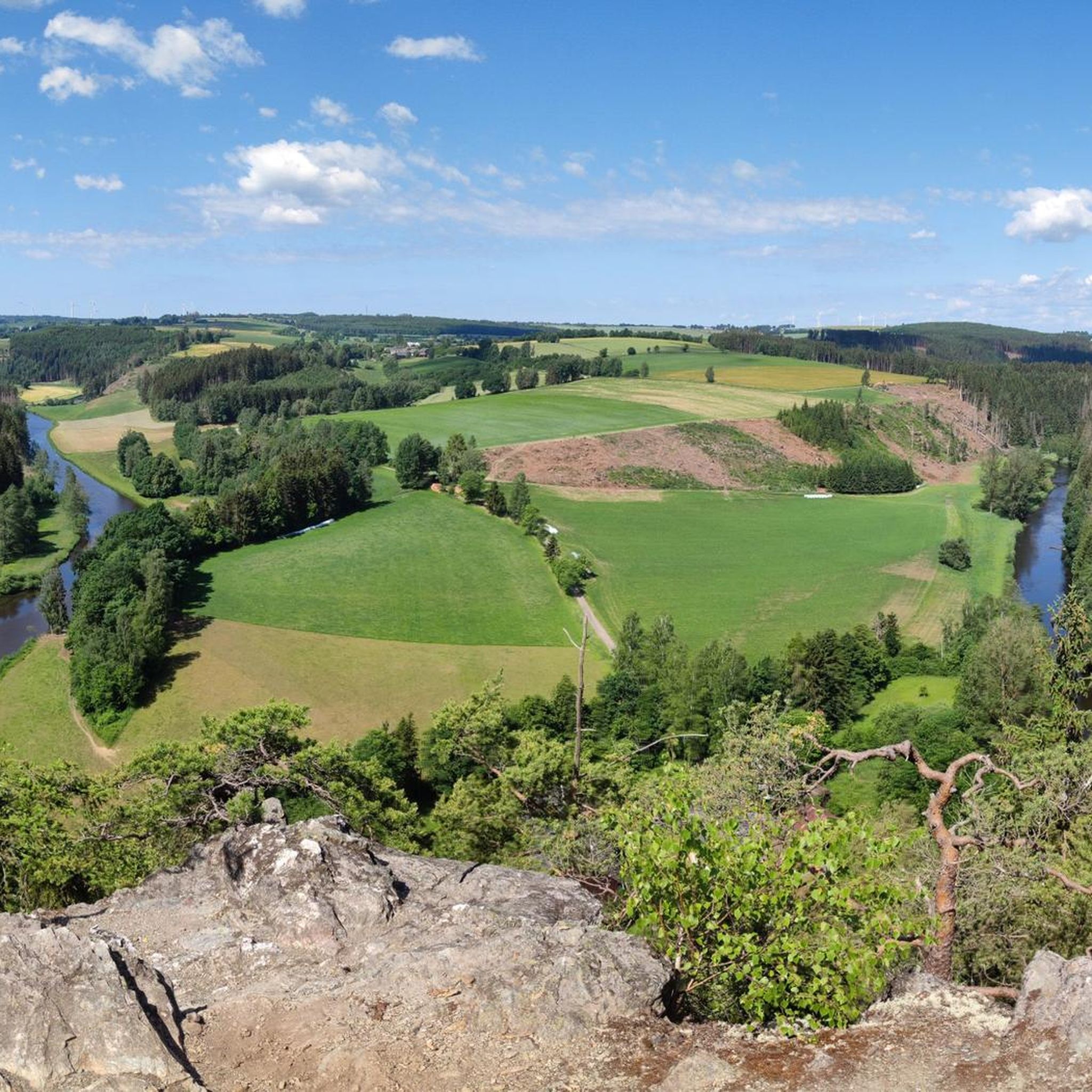
Wenzel Cave
Highlight • Cave
Translated by Google •
Tip by

Blauer Löw Mine Entrance
Highlight • Cave
Translated by Google •
Tip by

Sign up now to discover places like this
Get recommendations on the best single tracks, peaks, & plenty of other exciting outdoor places.
Sign up for free
Gold Mine Tunnel on the Geopath
Highlight • Cave
Translated by Google •
Tip by

Dwarves' Cave
Highlight • Cave
According to legend, once lived here a few hundred dwarfs.
Today there are still a few plastic dwarves in the entrance hole.
A …
Translated by Google •
Tip by

Langheinrich Grotto and Memorial Plaque
Highlight • Cave
Translated by Google •
Tip by
Sign up for free to discover even more caves around Köditz.
Sign up for free
Already have an account?
Start today with a free account
Your next adventure awaits.
Login or Signup

Other adventures around Köditz

Tips from the Community

Former mine entrance with cute gnome figures. Information panel attached.
1
0

The Zwergenloch is a tunnel entrance in the mining area surrounding the historic mine in the Naila region. It is located near the underground access area of the "Unterer Wilder Mann" mine. Mining in this area was predominantly active in the late 19th and early 20th centuries. Tunnel entrances like the Zwergenloch served for mining or access to the ore-bearing rock layers.
2
0

The cave is a bit hidden so keep your eyes open when hiking 🥾 😀
0
0

Amazingly, it is not locked and can be entered - provided you have a lamp with you. After just a few steps it is pitch black and you can already hear the water at the end.
0
0

One of the most beautiful places I discovered on my tour.
1
0
This is the "Blauer Löw" tunnel from the 18th century. It is 35 meters long and can be walked at your own risk. It is in beautiful nature, right on the path and can be reached via a few small steps.
2
0
Insight is not possible because a massive door obstructs the view. A gate would be more interesting.
2
1

This nature park is a popular destination with a gondola station, a bridge on the rock, Wenceslas Cave and a 30 meter and 12.5 centimeter long bench. (Source: https://www.thueringen.info)
1
0
Frequently Asked Questions
What kind of caves can I expect to find around Köditz?
The caves around Köditz are primarily historical mining tunnels, adits, and man-made grottoes, rather than extensive natural cave systems. They offer insights into the region's past mining activities and geological features.
Are there any natural caves or chasms in the Köditz area?
Yes, while many sites are historical mining tunnels, there are some natural chasms. For example, Wenzel Cave is a natural monument and chasm, though it was likely artificially widened at some point. It's also associated with a local legend.
What historical significance do the caves around Köditz hold?
The caves are deeply tied to the region's industrial past, particularly mining in the late 19th and early 20th centuries. Sites like the Blauer Löw Mine Entrance, an 18th-century ore mine tunnel, and the Gold Mine Tunnel on the Geopath, which was hand-dug by adventurers, showcase this history.
Can I explore inside the caves?
Some sites allow limited exploration. For instance, you can walk approximately 25 meters into the Blauer Löw Mine Entrance, which is about 35 meters long in total. A flashlight or mobile phone light is recommended for visibility.
Are there any family-friendly cave experiences near Köditz?
While not traditional 'show caves,' the historical mining tunnels and grottoes can be interesting for families. The Dwarves' Cave, a tunnel entrance in a mining area, even has plastic dwarves at its entrance, which might appeal to younger visitors. Many sites are part of walking paths suitable for families.
What kind of outdoor activities can I do near these caves?
The Köditz region offers various outdoor activities. You can find numerous routes for cycling, road cycling, and gravel biking. For example, explore the 'Saale Riverside Cycle Path' or the 'Selbitztal Cycle Path'. You can find more details on these activities in the Cycling around Köditz, Road Cycling Routes around Köditz, and Gravel biking around Köditz guides.
Are there any man-made grottoes or unique historical structures?
Yes, the Langheinrich Grotto and Memorial Plaque is a notable example. Created in 1886 as part of a landscape garden, this grotto marks the beginning of a steep path and includes a memorial plaque to its donor.
What should I wear when visiting the caves or exploring nearby trails?
Given that many sites are historical tunnels or grottoes, and the region features outdoor trails, comfortable walking shoes are essential. If you plan to enter any tunnels, a jacket might be useful as temperatures can be cooler inside, and a flashlight is recommended for visibility.
Is there public transport available to reach the caves around Köditz?
Specific public transport details for each individual cave are not readily available. It is generally advisable to check local bus schedules or consider driving, as many of these historical sites are often accessed via hiking or cycling routes in more rural settings.
What is the best time of year to visit the caves and the Köditz region?
The Köditz region, with its outdoor trails and historical sites, is generally pleasant to visit during spring, summer, and early autumn. These seasons offer favorable weather for exploring the surrounding landscape and accessing the cave entrances. Winter visits might be possible, but some paths could be icy or less accessible.
Are there cafes or restaurants near the cave sites?
While specific cafes directly adjacent to each cave entrance are uncommon, the Köditz region and nearby towns like Hof an der Saale offer various dining options. It's recommended to plan your visit to include stops in these towns for refreshments and meals.
Most popular attractions around Köditz

Get inspired with the komoot mobile app


Explore more
Extend your search for the best caves by checking out these guides of the top ones around Köditz:
