Top 7 Caves around Spardorf
Best caves around Spardorf are found within the broader Franconian Jura, a region characterized by extensive karst landscapes. Spardorf is situated near Franconian Switzerland, an area renowned for its numerous subterranean formations. Visitors can explore a variety of natural caves and historical cellars within a reasonable distance. This geological setting provides a rich environment for cave exploration.
Best caves around Spardorf
- The most popular caves is Bat cellar on Bierweg, a historical site and former wine cellar. This location…
Last updated: June 27, 2026
Bat cellar on Bierweg
Highlight • Cave
Translated by Google •
Tip by

Blueberry Cave
Highlight • Cave
Translated by Google •
Tip by

Sign up now to discover places like this
Get recommendations on the best single tracks, peaks, & plenty of other exciting outdoor places.
Sign up for free
Jungferla Keller
Highlight • Cave
Translated by Google •
Tip by

Felsenkeller Ice Cellar Neunkirchen am Brand
Highlight • Structure
Translated by Google •
Tip by

Neischl Cave
Highlight • Cave
Translated by Google •
Tip by

Sign up for free to discover even more caves around Spardorf.
Sign up for free
Already have an account?
Start today with a free account
Your next adventure awaits.
Login or Signup
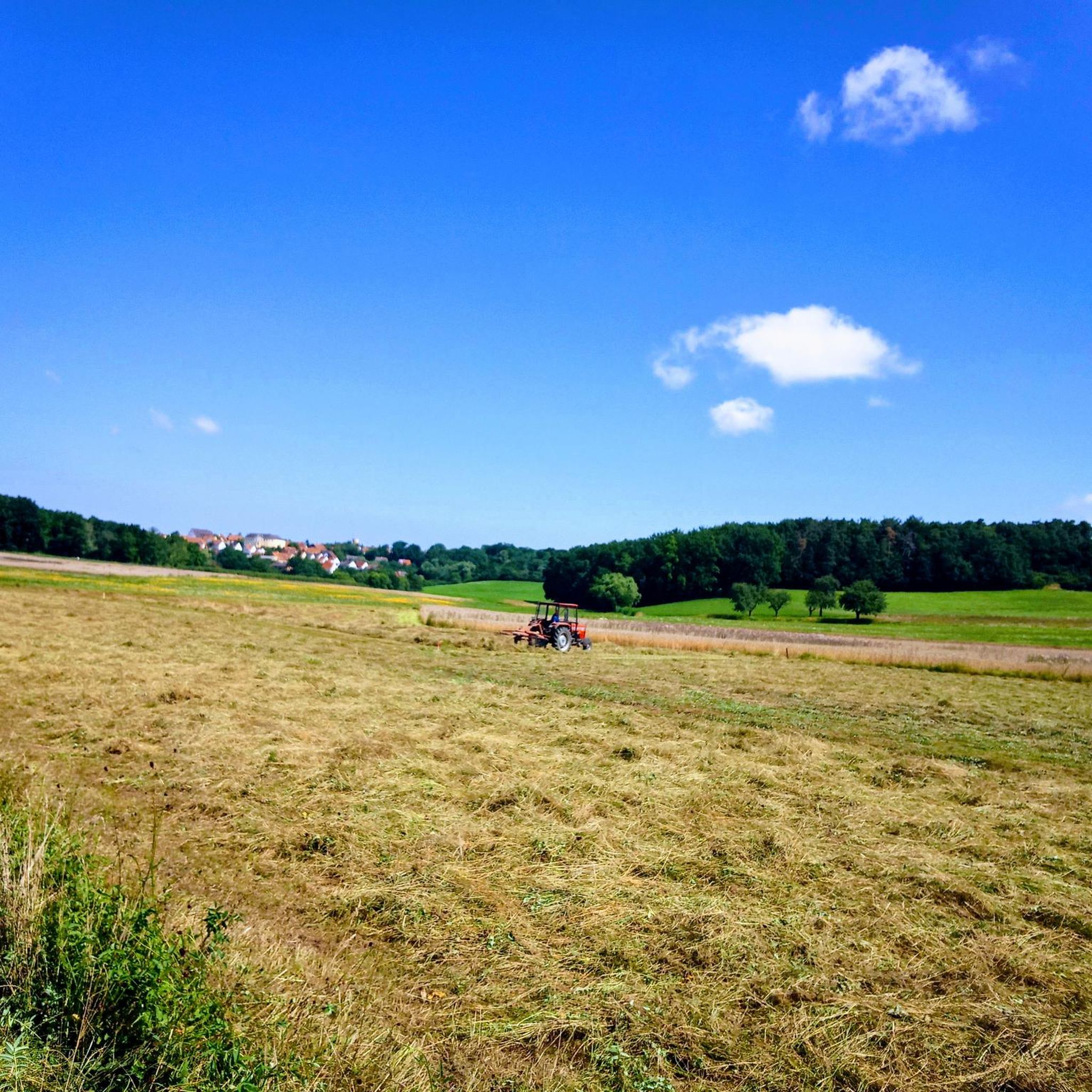
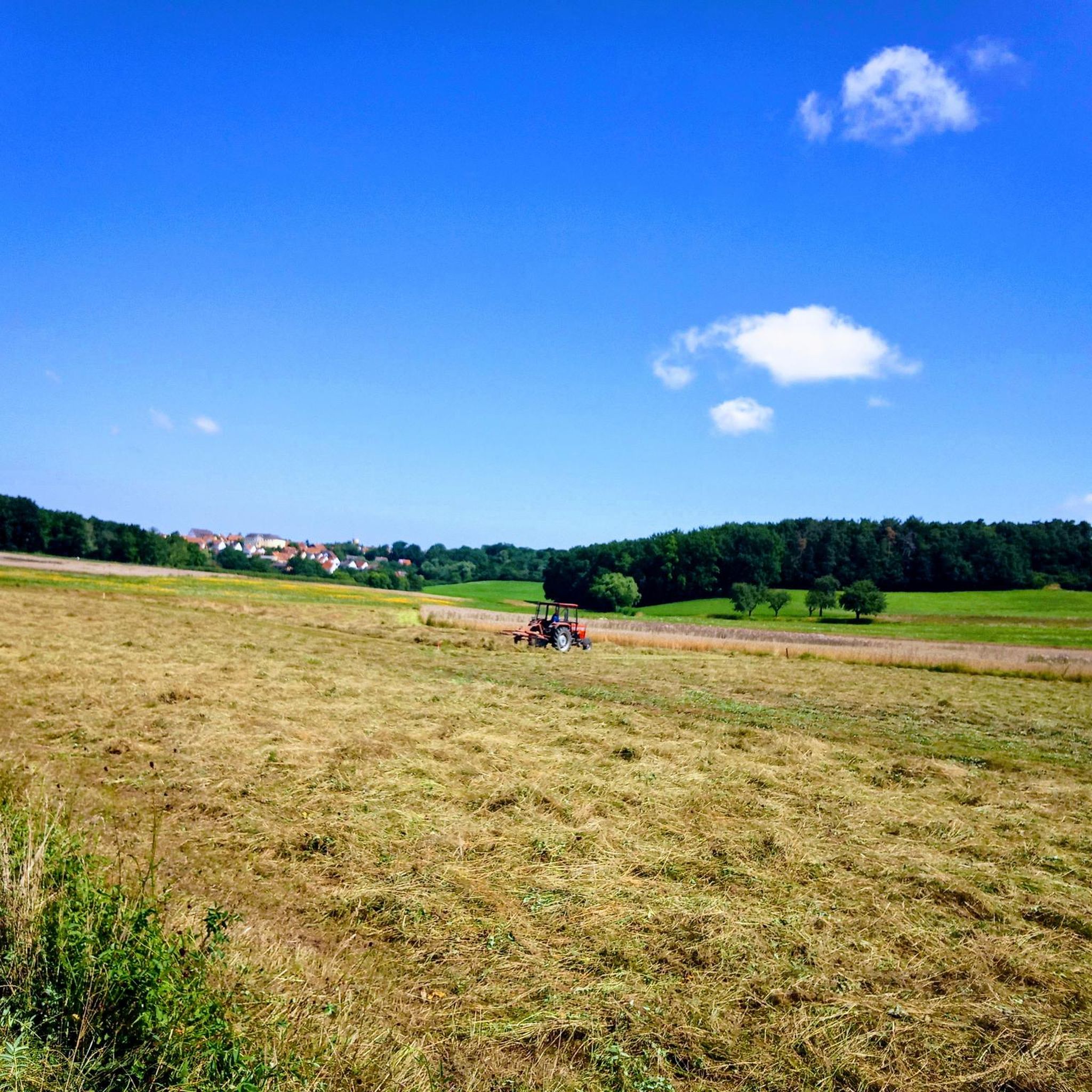
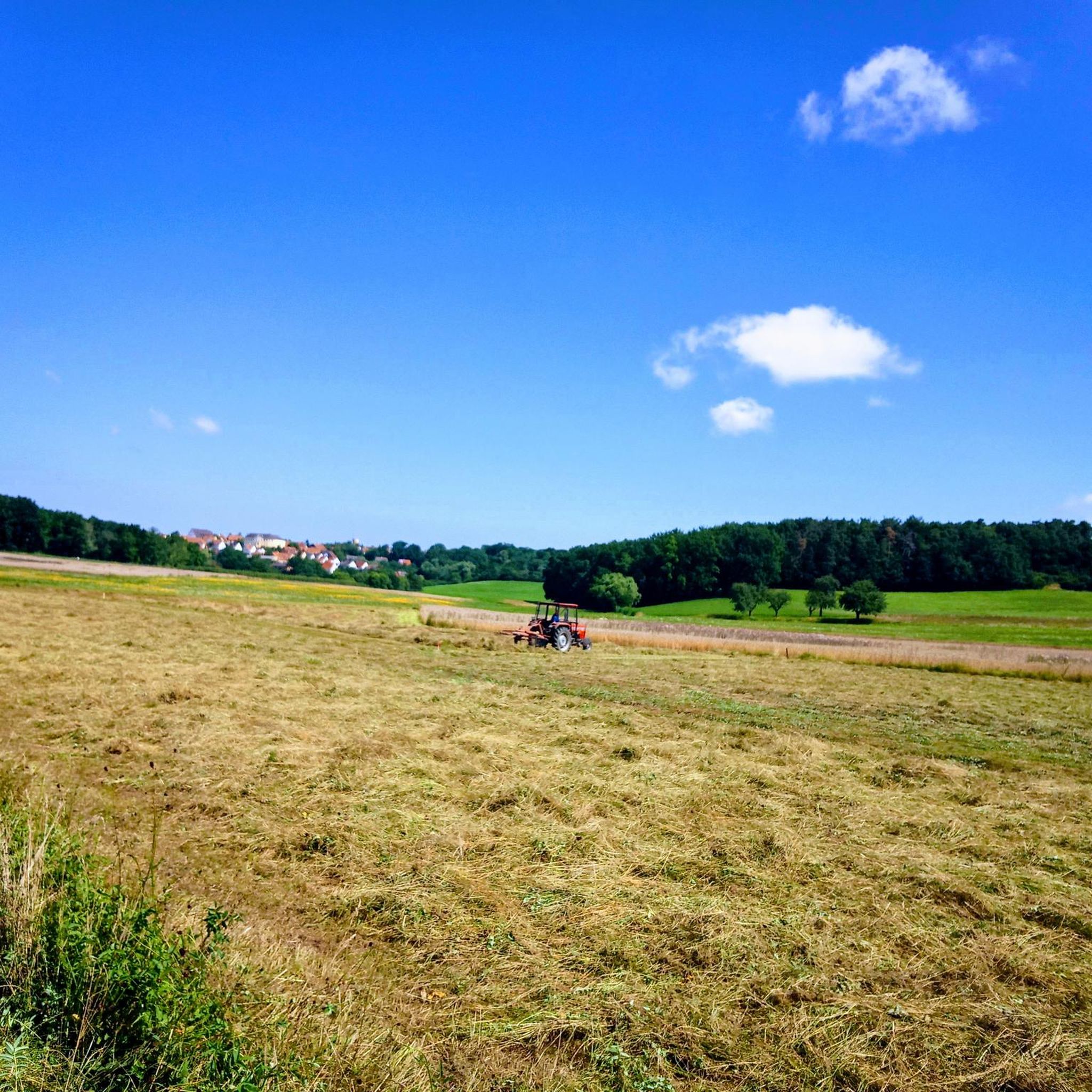
Tips from the Community

The "Jungferla Spring" originates in this 85-meter-long, multi-branched sandstone cellar. In the 1960s, the entrance to the sandstone cellar was bricked up and overgrown for safety reasons. It was thus no longer visible, but it wasn't entirely forgotten by the residents of Baiersdorf. In 2006, the water in the renovated Jungferla Fountain dried up shortly before its inauguration. This prompted the decision to search for the spring's source in the buried sandstone cellar. After extensive excavation, the former cellar entrance was found bricked up. On December 5, 2006, the cellar was entered again for the first time. Its condition was so good that the local history society, with the support of sponsors and local businesses, renovated and restored it, redesigning the entrance area. On May 25, 2008, the cellar was reopened to the public with the first "Jungferla Cellar Festival." Due to popular demand, a "cellar festival" is now held every year on Ascension Day. Sandstone or rock cellars have a long tradition in Franconia. They were used primarily for storing beer, wine, and agricultural products. Without additional cooling, the cellars maintain a constant temperature of around 8°C year-round. Because beer was stored in the cellars, a tavern was often built nearby, usually above or in front of them – which is why even today in Franconia people still go "to the cellar" rather than to a beer garden. The cellars consist of passages of varying lengths and sizes, hewn into hillsides. The cellar is closed off with a gate. {Source: Information panel on site]
0
0

This path is actually called “Beer Path”.
0
0

Unfortunately always closed, but by chance we had a short opportunity to look inside
3
0

Unfortunately, it's almost NEVER open, even when it's opening time!
4
0
Interesting sandstone formations, small cave
1
0
The map says Blueberry Cave! Consists of sandstone.
0
0

This is a very nice section of the Aurach Valley Cycle Path. Below the A3 bridge there is an old cellar that is closed with a grate and a sign indicating bats. The sacristan from Frauenraurach told me that the Nazis stored wine in the cellar and that the barrels were smashed by the Americans when the US army invaded. The population is said to have run to the cellar with all available scoops to collect the remains.
0
0

Frequently Asked Questions
What are some notable natural caves near Spardorf?
While Spardorf itself is on the edge of the Franconian Jura, a region rich in karst landscapes, several impressive natural caves are within a reasonable distance. These include the Blueberry Cave, known for its interesting sandstone formations up to 10 meters deep, and the Jungferla Keller, a natural monument with historical significance.
Are there any historical cave sites or cellars to explore near Spardorf?
Yes, the area around Spardorf features several historical subterranean sites. The Bat cellar on Bierweg is a former wine cellar now serving as a bat habitat, with access restricted to protect the animals. Additionally, the Felsenkeller Ice Cellar Neunkirchen am Brand is a historical ice cellar used for food preservation before modern refrigeration.
What is the Teufelshöhle (Devil's Cave) and where is it located?
The Teufelshöhle, or Devil's Cave, is a renowned stalactite cave in Pottenstein, considered one of Bavaria's most beautiful dripstone caves and the largest in Franconian Switzerland. It offers guided tours where visitors can see extraordinary stalactite and stalagmite formations, a cave bear skeleton, and enjoy light and music effects.
Can I visit the Sophienhöhle (Sophia's Cave) near Rabenstein?
Yes, the Sophienhöhle near Rabenstein Castle is open to visitors. It features fantastic stalactites in various colors and sizes. The cave has a rich history, with mentions dating back to 1490 and evidence of use by early humans. Guided tours are available, and unique 'night' tours with music and light shows are also offered.
What makes the Binghöhle (Bing Cave) unique?
The Binghöhle near Streitberg is unique because it follows the course of a former river, extending 60 meters below the earth's surface. It has been offering guided tours since 1906, allowing visitors to explore its distinctive geological features.
Are there any replica caves or unique geological exhibits near Spardorf?
Yes, the Neischl Cave is a notable replica of a dolomite stalactite cave in the Franconian Jura. This approximately 25-meter-long cave showcases a variety of hanging stalactites and standing sinter formations that are deceptively reproduced to appear natural.
What kind of formations can I expect to see in the Osterhöhle (Easter Cave)?
The Osterhöhle in Trondorf-Neukirchen features a large chamber known as the 'Dom' (Dome), measuring 24 meters long, 18 meters wide, and up to 12 meters high. It also contains a 'Wasserhalle' (water hall) with water basins and a 'Kirche' (Church) with various speleothems. Like many dolomite caves in the Franconian Jura, it alternates between larger rooms and very narrow connections.
What outdoor activities can I do near the caves around Spardorf?
The region around Spardorf offers various outdoor activities. You can find numerous routes for gravel biking, such as the 'Indian Gorge – Weiher Ponds Near Weiher loop' or the 'Lillach Spring – Small Linden loop'. For running, options include the 'Weißenseebrünnlein – Schloss Puckenhof loop'. Mountain biking enthusiasts can explore trails like the 'Table Jump in the Forest – Wooden Footbridge in Hirschtal loop'. You can find more details on these activities in the Gravel biking around Spardorf, Running Trails around Spardorf, and MTB Trails around Spardorf guides.
What is the best time to visit the caves in the Franconian Switzerland region?
Many show caves in Franconian Switzerland, like Teufelshöhle and Sophienhöhle, are typically open from spring through autumn. Some may have limited winter hours or special events. It's advisable to check specific cave opening times before planning your visit, as some, like the Neischl Cave, have specific seasonal and weekly opening schedules.
Are the caves around Spardorf generally family-friendly?
Many of the larger show caves in the broader Franconian Switzerland region, such as Teufelshöhle and Sophienhöhle, are designed for guided tours and are generally family-friendly, offering an educational and exciting experience for children. For natural caves like Blueberry Cave, accessibility might vary, and some may require more adventurous exploration.
What should I wear when visiting caves in the Spardorf area?
Cave temperatures are consistently cool, typically around 8-10°C (46-50°F), regardless of the outside weather. It's recommended to wear warm layers, even in summer, and comfortable, sturdy shoes with good grip, as paths can be damp or uneven. A light jacket or sweater is usually sufficient.
What is the geological significance of the caves in the Franconian Jura?
The Franconian Jura, where Spardorf is located, is famed for its abundant karst landscapes. This means the region's limestone bedrock has been dissolved by water over millions of years, creating an extensive network of caves, sinkholes, and underground rivers. This geological process has resulted in the impressive stalactite and stalagmite formations found in many of the area's caves.
Most popular routes around Spardorf
Most popular attractions around Spardorf

Get inspired with the komoot mobile app


Explore more
Extend your search for the best caves by checking out these guides of the top ones around Spardorf:
