Top 7 Caves around Nennslingen
Best caves around Nennslingen are found within a region characterized by diverse geological features and karst landscapes. The area offers a mix of natural rock formations and historical subterranean structures. These sites provide insights into both natural geological processes and past human activities, such as mining and traditional storage. The landscape around Nennslingen is suitable for exploring these unique underground environments.
Best caves around Nennslingen
- The most popular caves is Grubenschwart Tunnel Entrance, a cave and historical site that…
Last updated: June 27, 2026
Lower Felsenkeller Thalmässing
Highlight • Cave
Translated by Google •
Tip by

Grubenschwart Tunnel Entrance
Highlight • Cave
Translated by Google •
Tip by

Sign up now to discover places like this
Get recommendations on the best single tracks, peaks, & plenty of other exciting outdoor places.
Sign up for free
Moierbauer's Cellar
Highlight • Cave
March the cellar serves as a shelter for bats. So please do not disturb during this period..🦇😊
Translated by Google •
Tip by

Sommerkeller (Historic Beer Cellar)
Highlight • Cave
Today they often serve as winter quarters for bats.
Translated by Google •
Tip by

Grubschwart Blind Tunnel
Highlight • Historical Site
Translated by Google •
Tip by

Sign up for free to discover even more caves around Nennslingen.
Sign up for free
Already have an account?
Start today with a free account
Your next adventure awaits.
Login or Signup
Tips from the Community

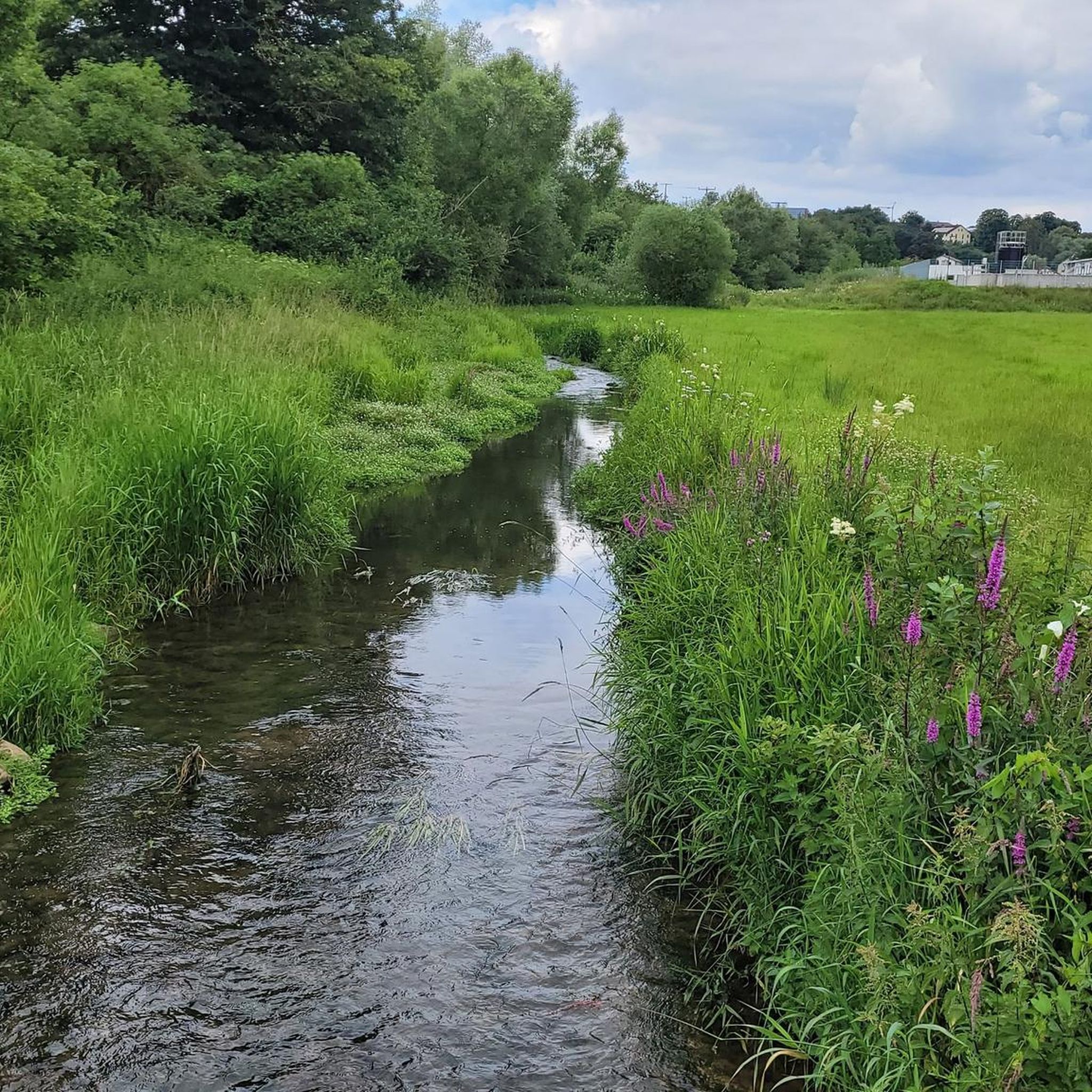
A little variety along the many hiking trails around Thalmässing
0
0

From early October to late March the cellar serves as a shelter for bats. So please do not disturb during this period..🦇😊
2
0

There are two rock cellars. The upper one is closed and serves as bat quarters. The lower one is open and leads surprisingly far in. We had two bats that were still hibernating. Must have moved into the wrong quarters 😉. We were quiet and were right back out when we spotted them. The basement is worth seeing.
11
0

This is the tunnel that has now been used by some bat species.
0
0

Grubenschwart tunnel entrance as part of the mining history educational trail. Very interesting especially in connection with the panels that explain the history of mining in the region.
0
0

Summer cellars used to be cool cellars for local breweries in the summer months. Today they often serve as winter quarters for bats.
0
0

If you search you will find a mine gallery
1
0
For school classes, the hike to the nature trail is a very good alternative to history lessons. The educational trail is also of interest to adults, so bring enough time for it. On summer days it is shaded by the leaves of the deciduous forest.
0
0
Frequently Asked Questions
What types of caves can I explore around Nennslingen?
The region around Nennslingen features a mix of natural rock formations, historical cellars, and former mining tunnels. You'll find sites like the Grubenschwart Tunnel Entrance, which is part of a mining history educational trail, and the Lower Felsenkeller Thalmässing, a natural monument and historical rock cellar.
Are there any natural geological formations or karst landscapes to see?
While the area doesn't feature extensive deep cave systems with stalactites and stalagmites like other regions, you can find interesting geological features. The Möhenbach Cave area, for instance, is known for its imposing rock formations with various smaller openings. The Solafelsen also offers a scenic overlook with a small cave.
Are there any historical subterranean structures to visit?
Yes, the region has several historical subterranean structures. The Lower Felsenkeller Thalmässing is a historical rock cellar open to visitors. Additionally, the historic beer cellar at the Katharinenkapelle ruins, a man-made structure used for beer storage, is freely accessible for about twelve meters and offers a glimpse into local history.
Are the caves around Nennslingen suitable for families?
Some sites are family-friendly, particularly those that are part of educational trails. The Grubschwart Blind Tunnel is a historical site and cave that is part of an educational trail, making it suitable for families interested in local history and nature.
What outdoor activities can I do near these caves?
The area around Nennslingen offers various outdoor activities. You can find numerous cycling routes, including road cycling, mountain biking, and touring bicycle options. For example, explore Road Cycling Routes around Nennslingen or MTB Trails around Nennslingen, which often pass by or near these geological and historical sites.
Are there any caves that serve as bat habitats?
Yes, several subterranean sites in the region provide shelter for bats. The Grubenschwart Tunnel Entrance is known to be used by some bat species. Similarly, the upper section of the Lower Felsenkeller Thalmässing serves as bat quarters, and Moierbauer's Cellar and the Sommerkeller (Historic Beer Cellar) are also used as winter quarters for bats, especially from early October to late March.
What should I wear when exploring these caves and cellars?
When visiting these sites, it's advisable to wear sturdy shoes suitable for uneven terrain. Since subterranean areas can be cool even in summer, bringing a light jacket or sweater is recommended. For exploring deeper sections of open cellars, a flashlight is essential.
Are there any easy-to-access caves or cellars for casual visitors?
The Lower Felsenkeller Thalmässing is generally easy to access and open to visitors, extending surprisingly far in. The historic beer cellar at the Katharinenkapelle ruins is also freely accessible for a significant portion, offering an easy historical exploration.
Do I need a permit for caving in the Nennslingen area?
For the publicly accessible historical cellars and tunnel entrances mentioned, such as the Grubenschwart Tunnel Entrance or the Lower Felsenkeller Thalmässing, a permit is generally not required for casual visits. However, for any deeper or more extensive natural cave exploration, especially in less developed areas, it's always best to check with local authorities or tourist information for specific regulations.
What do visitors enjoy most about the caves and subterranean sites near Nennslingen?
Visitors appreciate the unique blend of natural geology and local history. Many enjoy the educational aspects, particularly at sites like the Grubenschwart Tunnel Entrance, where information panels explain the region's mining history. The opportunity to see bat habitats and explore surprisingly deep historical cellars also adds to the appeal.
Are there any guided tours available for the caves or historical cellars?
While specific guided tours for individual caves are not widely advertised, the educational trails associated with sites like the Grubschwart Blind Tunnel provide self-guided interpretive information. For group tours or specialized experiences, it's recommended to inquire with the local tourist information center in Nennslingen or the broader Weißenburg-Gunzenhausen region.
Most popular routes around Nennslingen
Most popular attractions around Nennslingen

Get inspired with the komoot mobile app


Explore more
Extend your search for the best caves by checking out these guides of the top ones around Nennslingen:
