Top 4 Castles around Sünching
Best castles around Sünching offer a glimpse into Bavaria's rich history and architectural heritage. Sünching, a community in Bavaria, Germany, is home to a notable castle and is surrounded by others of historical interest. The region features a mix of well-preserved estates and significant Rococo architecture. Visitors can explore various historical sites, including castles with accessible gardens and museums.
Best castles around Sünching
- The most popular castles is Puchhof Castle, a castle that is a well-maintained estate. Access to…
Last updated: August 20, 2026
Alteglofsheim Castle
Highlight • Castle
Translated by Google •
Tip by

Puchhof Castle
Highlight • Castle
Translated by Google •
Tip by

Sign up now to discover places like this
Get recommendations on the best single tracks, peaks, & plenty of other exciting outdoor places.
Sign up for free
Frog Fountain at Schloss Zaitzkofen Park
Highlight • Monument
Translated by Google •
Tip by
Zaitzkofen Castle
Highlight • Castle
Translated by Google •
Tip by
Schloss Mariakirchen and Surroundings
Highlight (Segment) • Castle
Translated by Google •
Tip by

Sign up for free to discover even more castles around Sünching.
Sign up for free
Already have an account?
Start today with a free account
Your next adventure awaits.
Login or Signup
Tips from the Community


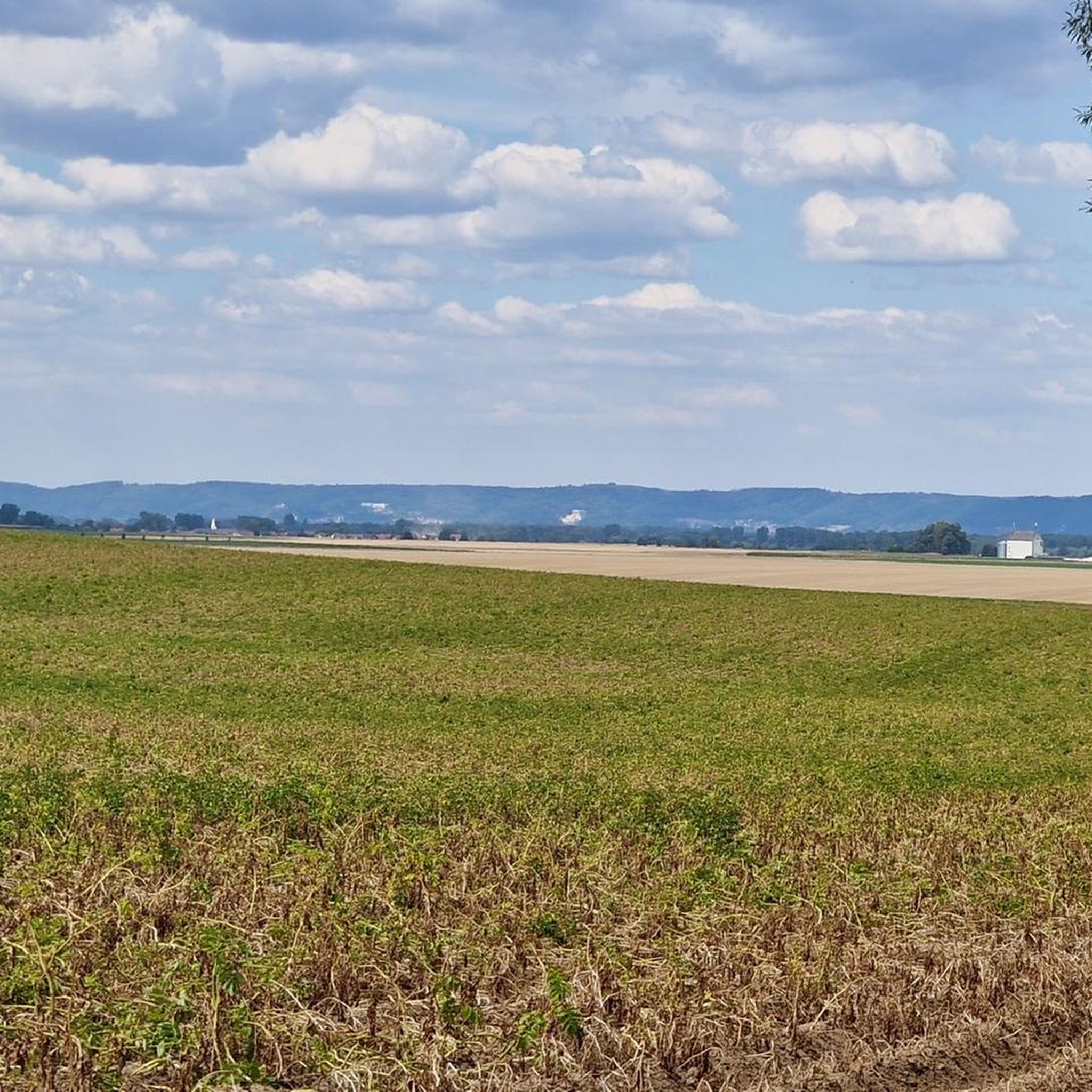
The storks also like it here.
0
0

Beautifully designed castle park in Eglofsheim
1
0

Alteglofsheim Castle The name comes from the Eglofsheim family. Since the 10th century there has been a moated castle here with an associated manor. The castle was rebuilt and expanded several times over the centuries. From 1480 to 1573 the Barons of Parsberg owned the castle and manor. In 1659 Johann Georg Baron von Königsfeld bought the Alteglofsheim estate. In 1685 he became an Imperial Count. In his will in 1694 he left the estate to his grandson Hans Georg Graf von Königsfeld. He was the Minister of State and Conference of Elector Karl Albrecht and First Minister during his time as Emperor. From 1728 to 1734 he had the castle significantly expanded and refurbished. His successor Count Christian Johann August von Königsfeld, Elector's ambassador in Vienna, added the north wing of the castle with the magnificent dining room in 1780. In 1810 the Königsfelder family died out. The Barons of Cetto followed as owners, and in 1835 Prince Maximilian Karl von Thurn und Taxis acquired the castle. The Princes of Thurn und Taxis sold it to a priest in 1939, and it later went to his housekeeper. The war and post-war period led to the castle being used for other purposes, and it fell into increasing disrepair. In 1973 the Free State of Bavaria acquired it and made it available to the University of Regensburg in 1980. In 1989 the castle was designated as the location for the third Bavarian Music Academy. Construction work began in 1992. The Music Academy began operations here in June 1999. After extensive renovations and refurbishments the castle was handed over to its new purpose in September 2000. The late Gothic core of the complex with the 35-meter-high keep in the west dates from the beginning of the 14th century. It towers over the high gable of a building with two round flanking towers from the early 17th century. Around 1680, a wing with a two-aisled chapel in the basement was leaning against it in the south. Around 1730, it was extended to the west after the south-north wing had been started at a right angle to it. Elaborate ceiling frescoes by the Asam brothers and elegant stucco ceilings created by Johann Baptist Zimmermann adorn the castle. Tours of the castle are only possible for groups by prior arrangement. Source: Excerpts from www.wikipedia.de
2
0

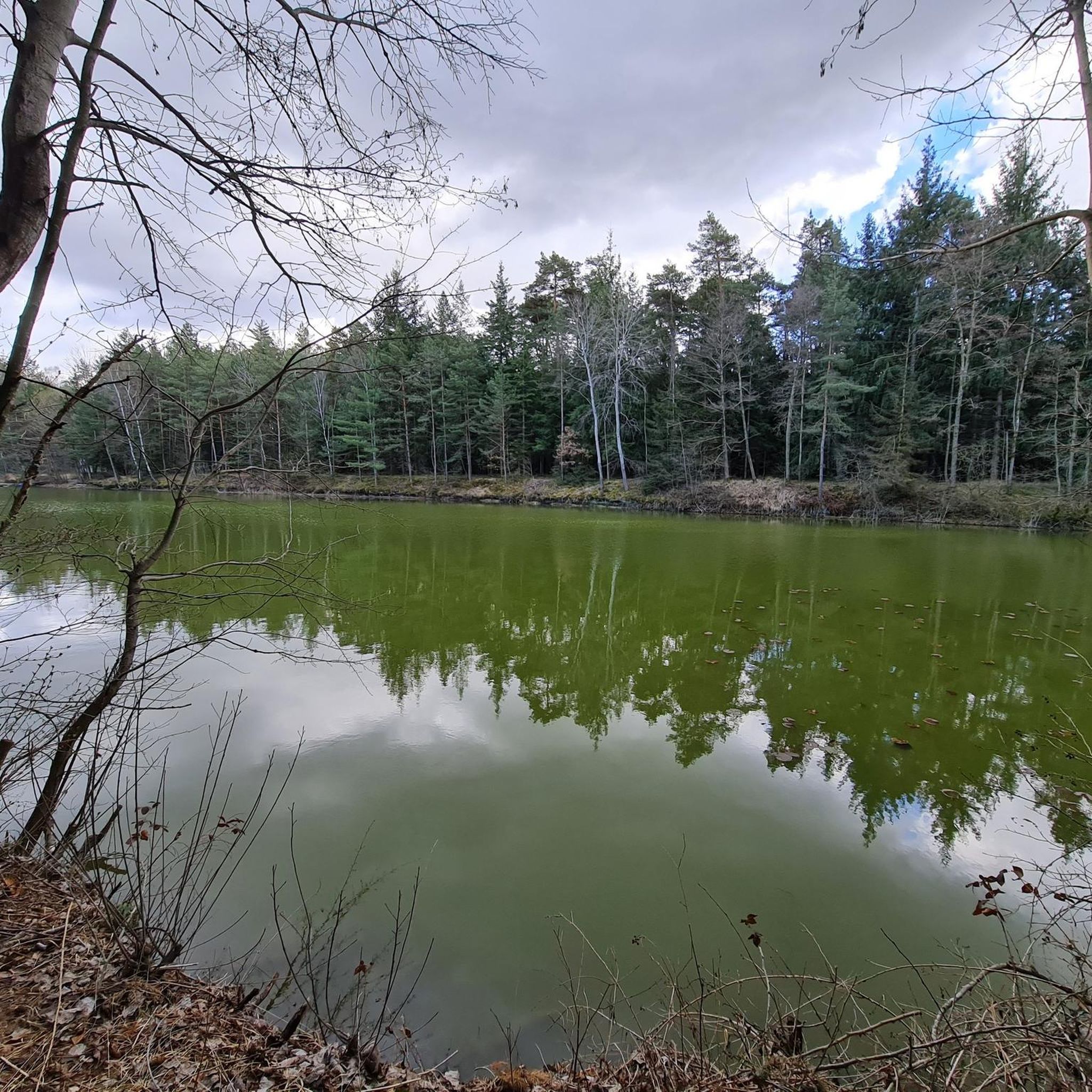
The road is relatively quiet and winds through the forest. Can be ridden with any type of bike
0
0

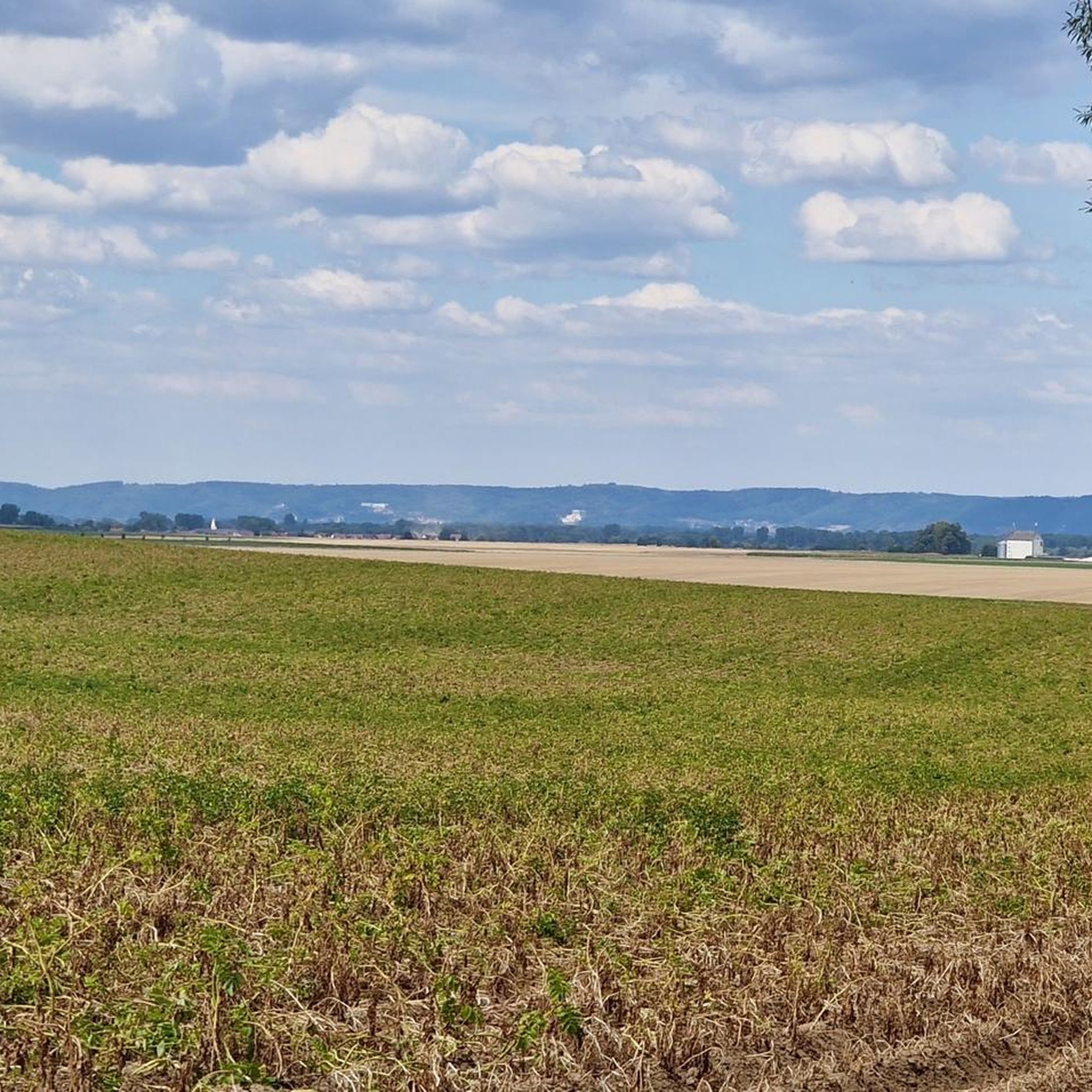
Beautifully restored farm directly on the Labertal cycle path.
1
0
The castle is quite pompous, well laid out and very well maintained
0
0

Alteglofsheim Castle houses the music academy.
0
0
Frequently Asked Questions
Which castles around Sünching offer public access?
While many castles in the region are private, Alteglofsheim Castle houses the Music Academy, and its beautiful gardens are open to the public. Additionally, Eggmühl Castle, a Baroque structure nearby, features a museum with historical artifacts that visitors can explore.
Are there any family-friendly castle experiences in the Sünching area?
Yes, Alteglofsheim Castle is considered family-friendly, particularly its accessible gardens. The nearby Frog Fountain at Schloss Zaitzkofen Park also offers a wonderfully landscaped park with a pond, perfect for a relaxing break with family.
What kind of historical architecture can I expect to see at the castles near Sünching?
The region showcases a range of architectural styles. Schloss Sünching, though generally not open to the public, is a significant example of Rococo design, featuring an octagonal moated castle with a medieval core. Alteglofsheim Castle has a late Gothic core and a prominent 35-meter-high keep, while Eggmühl Castle is known for its Baroque style.
Can I go hiking or biking near the castles in Sünching?
Absolutely! The Sünching area offers various outdoor activities. For hiking, you can explore routes like the 'Sünching Castle loop from Sünching' or the 'Black Cross (Schwarzes Kreuz) loop from Hardt'. If you prefer gravel biking, consider the 'Alteglofsheim Castle – St. Wolfgang's oak loop from Alteglofsheim' or the 'Sünching Castle – Bunker in the forest loop from Dürnhart'. You can find more details on these routes in the hiking guide and gravel biking guide for Sünching.
Are there any running trails that pass by castles in the Sünching region?
Yes, there are several running trails that incorporate the local castles. You can try the 'Sünching Castle loop from Sünching' or the 'Montessori School Sünching – Sünching Castle loop from Sünching'. These routes offer a scenic way to experience the area's historical sites while exercising. More running options are available in the Running Trails around Sünching guide.
What is the best season to visit the castles around Sünching?
The best season to visit largely depends on your preferences. Spring and summer offer pleasant weather for exploring castle gardens and outdoor routes. Autumn provides beautiful foliage, while winter can offer a unique, serene atmosphere, especially for walks, though some outdoor facilities might have reduced hours. Always check specific opening times for indoor attractions.
Are there any castles near Sünching that are not open to the public?
Yes, some notable castles in the area are private residences or estates with restricted access. Puchhof Castle is a well-maintained estate where public access is not permitted. Similarly, Schloss Sünching itself is inhabited by a family and is generally not open to the public, except during special events. Schönach Castle is also private property.
What natural features or parks can I find near the castles?
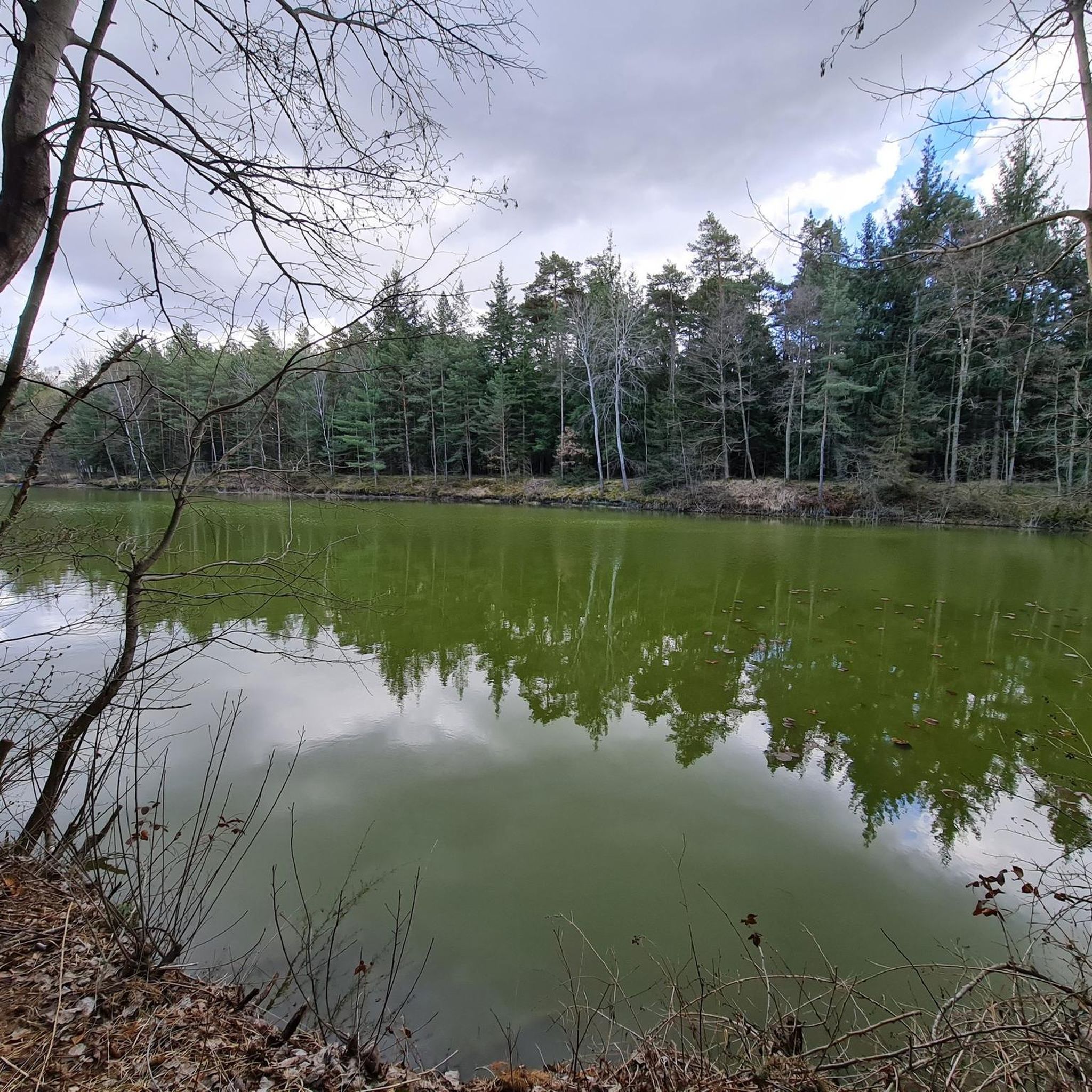
Beyond the castles themselves, you can enjoy natural surroundings. The Frog Fountain at Schloss Zaitzkofen Park features a beautifully landscaped park with a pond, offering a peaceful natural setting. Many of the routes around the castles, such as those for hiking and biking, also take you through forests and scenic landscapes.
Is there parking available near the castles?
For castles with public access like Alteglofsheim Castle, parking facilities are typically available for visitors. For other sites, especially those with limited access, parking might be more restricted to nearby public areas. It's advisable to check specific location details if driving.
What makes Schloss Sünching historically significant?
Schloss Sünching is considered one of the most outstanding Rococo country castles in Southern Germany. Its significance lies in its complete work of courtly Rococo in Bavaria, featuring a festival hall with a ceiling fresco by Matthäus Günther and carvings by Ignaz Günther, as well as a fresco in the staircase by Johann Adam Schöpf. The castle was built in 1758 by Joseph Franz Graf von Seinsheim, designed by François de Cuvilliés the Elder, on the site of a medieval moated castle. You can learn more about its history on Wikipedia.
Are there any cafes or refreshments near the castles?
While specific cafes directly on castle grounds are rare, especially for private estates, areas around publicly accessible castles like Alteglofsheim Castle or nearby towns will offer dining options. It's a good idea to plan your visit to include a stop in a nearby village for refreshments.
What are some lesser-known or 'hidden gem' castles in the Sünching area?
While not all are publicly accessible, exploring the vicinity might reveal charming, less-frequented sites. Schönach Castle, for instance, is a three-storey hipped roof building from 1702, offering a glimpse into historical architecture, though it is private property. The beauty of the region lies in discovering these historical structures nestled within the landscape.
Most popular routes around Sünching
Most popular attractions around Sünching

Get inspired with the komoot mobile app


Explore more
Looking for the best castles somewhere else? Discover other guides around Sünching:
