Top 14 Lakes around Gaushorn
Lakes around Gaushorn are found in the Dithmarschen district of Schleswig-Holstein, Germany, a region known for its natural landscapes. Gaushorn, a small community, is situated near the Welmbütteler Moor and Wald bei Schrum mit Hügelgräbern landscape protection areas. While Gaushorn itself does not have large lakes, the surrounding area offers various water bodies, including moor pools and park ponds. The region provides opportunities to explore diverse natural features and protected habitats.
Best lakes around Gaushorn
- The most popular lakes is…
Last updated: May 14, 2026
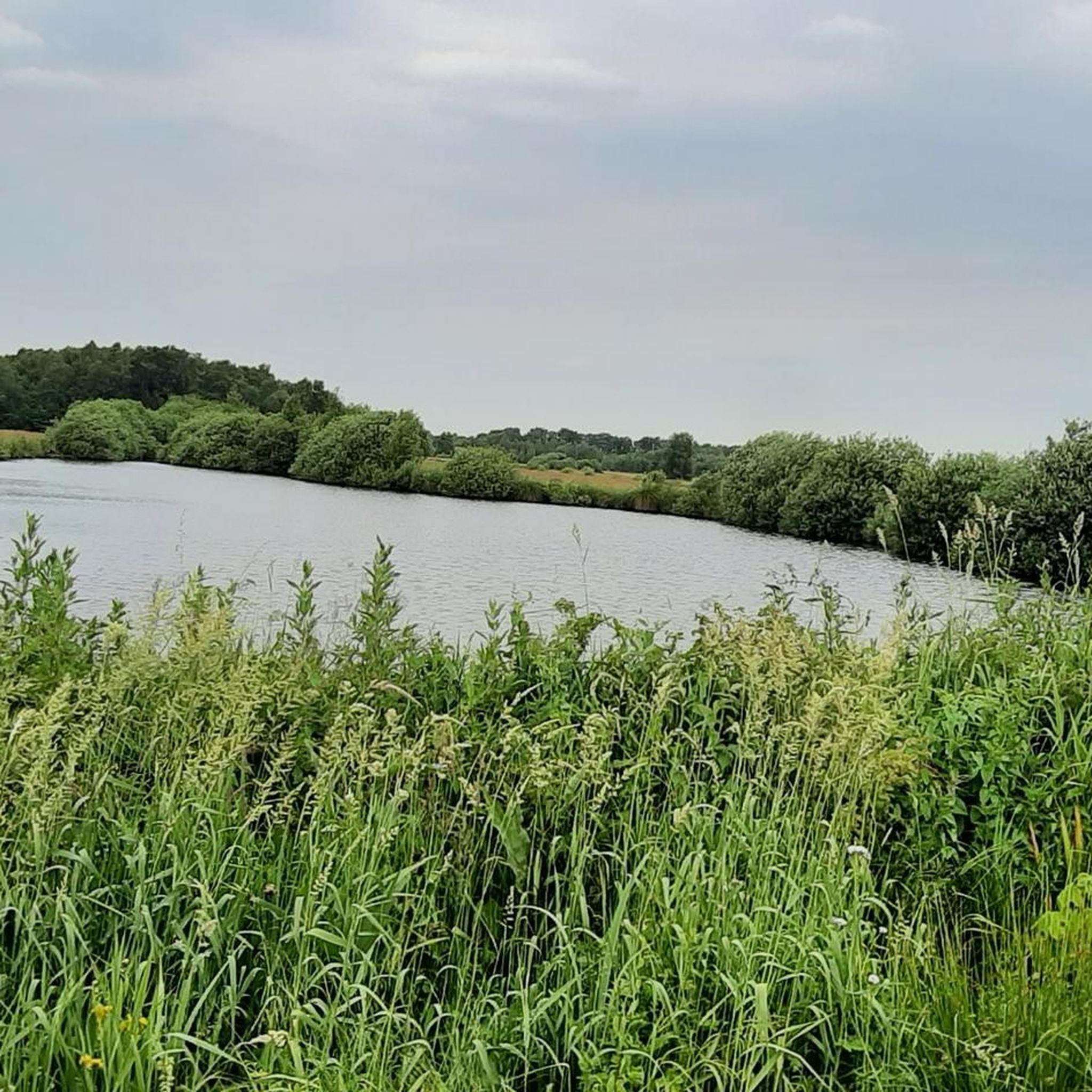
Moor pools in the Ostroher-Süderholmer Moor
Highlight • Natural
Translated by Google •
Tip by

Mühlenteich Albersdorf
Highlight • Lake
The first indications of the occurrence of a water mill in Albersdorf can be found on a map from 1559. …
Translated by Google •
Tip by

Sign up now to discover places like this
Get recommendations on the best single tracks, peaks, & plenty of other exciting outdoor places.
Sign up for free
Fieler Moor Nature Reserve
Highlight • Natural
Translated by Google •
Tip by

Fishing pond at Fuchsberg
Highlight • Lake
Translated by Google •
Tip by

New Anlage Park Pond and Fountain, Heide
Highlight • Natural Monument
Translated by Google •
Tip by
Sign up for free to discover even more lakes around Gaushorn.
Sign up for free
Already have an account?
Start today with a free account
Your next adventure awaits.
Login or Signup
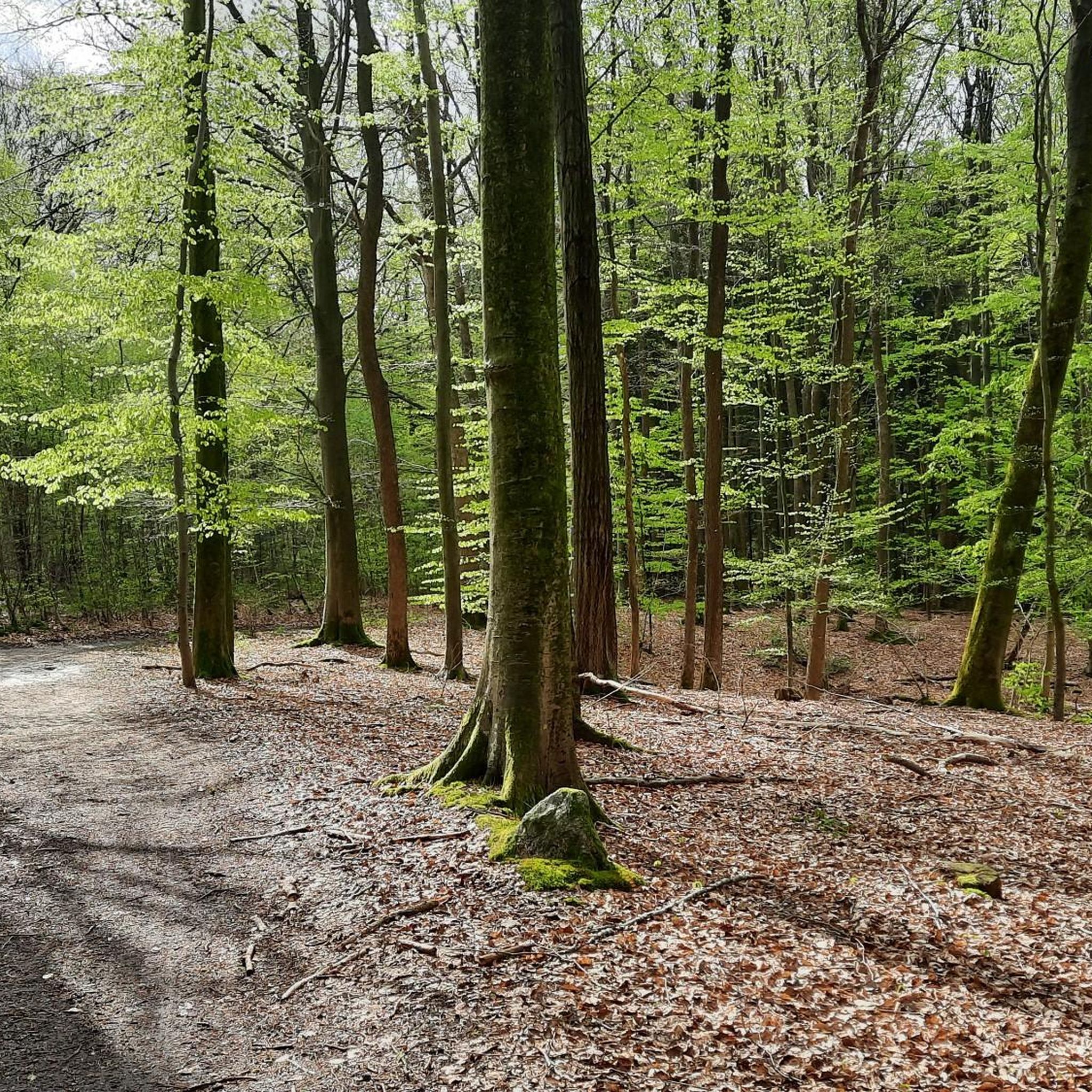
Tips from the Community

really beautifully designed with the fountain
0
0

The new complex, a small green oasis between historic town villas in the heart of Heide. The park in the center not only invites you to relax and linger, but also offers the opportunity to play large-scale chess (with advance registration) or boules.
3
0


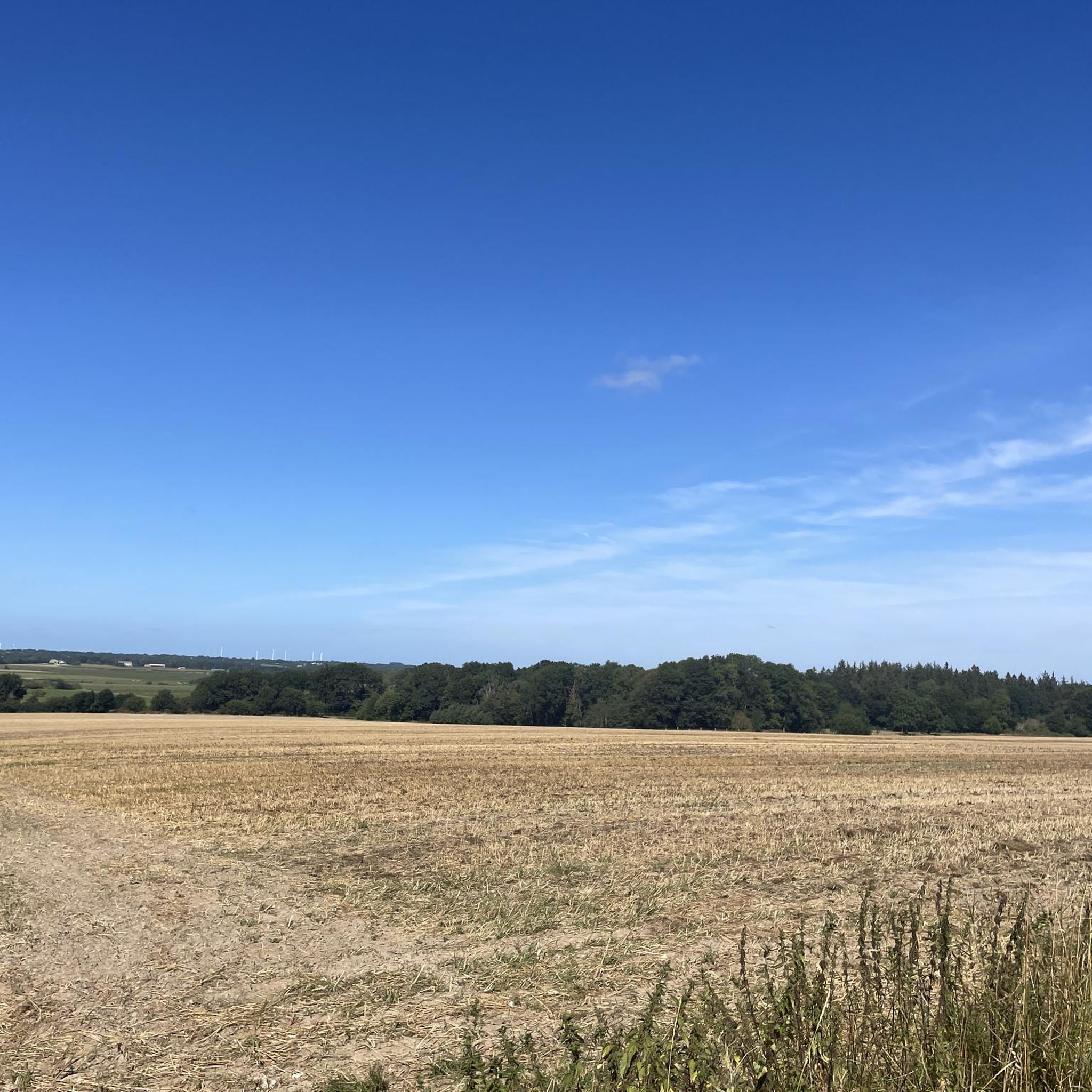
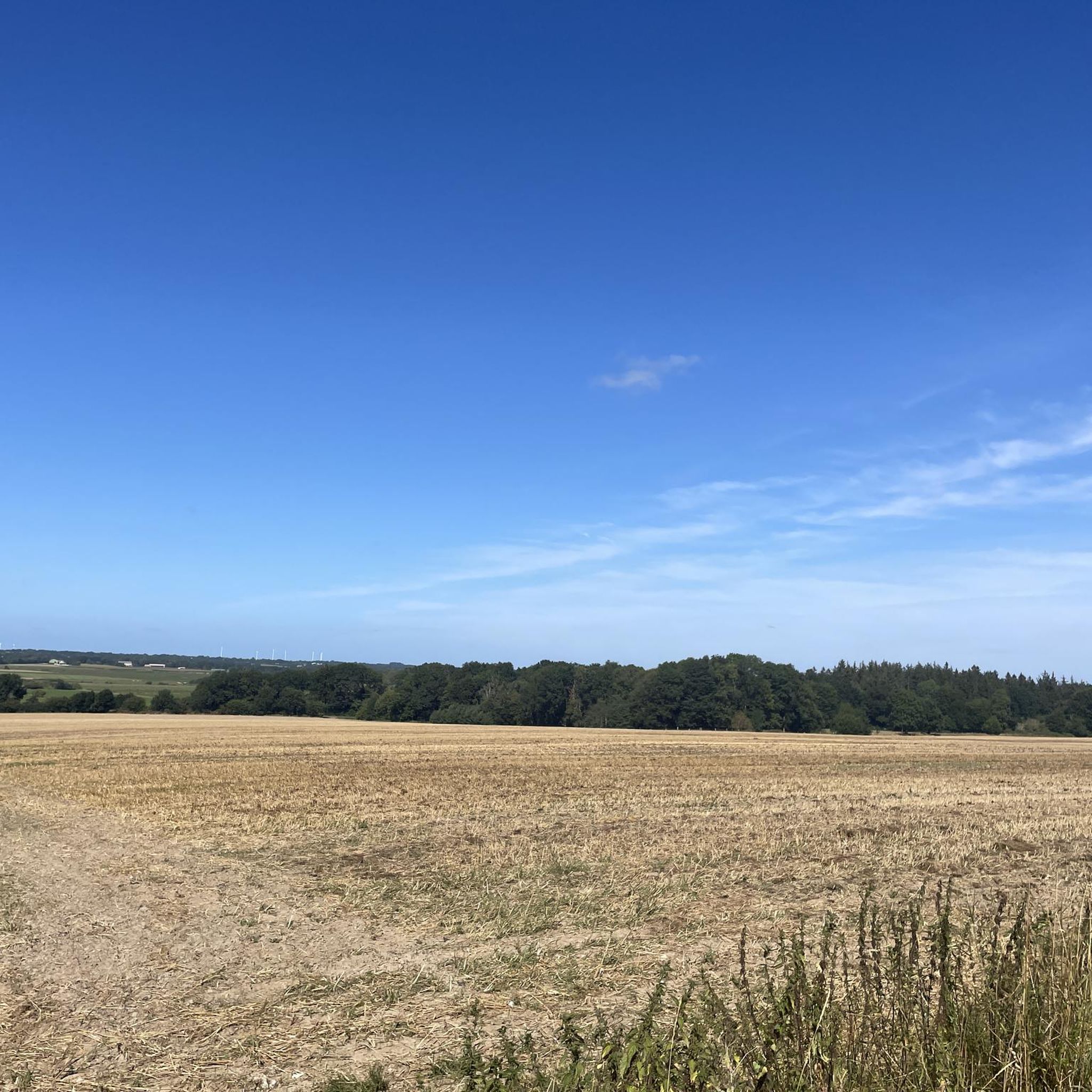
A small place to rest with a beautiful view over the hollows.
0
0

The Scottish Highlanders are a peaceful breed of cattle. Everything is very slow and they don't fixate on them with their eyes. Then they get very curious. I also really liked the view of the birch forest. It may be that I'm spoiled at the moment. So I have to "earn" a hike's stars. The water areas are visited by anglers, and they drive right up to them in their cars. There are also too many tractors driving too fast on the supply routes.
5
0
After the Second World War, peat was mined here on a large scale to a depth of six metres. This is how the peat pits, which are today's water areas, were created.
4
0
Today, the landscape is characterized by a mosaic of water areas used for sport fishing, between agricultural grassland areas. The area, which is crossed by a network of paths, also includes reed beds and fen-like wet meadows.
5
0
Since 1972, the moor in the valley of the upper Broklandsau northeast of Heide has been designated a protected area covering an area of 283 hectares.
5
0
Frequently Asked Questions
What are the most notable lakes and water bodies directly around Gaushorn?
While Gaushorn itself is a small community without large lakes, the immediate vicinity offers unique water features. The Moor pools in the Ostroher-Süderholmer Moor are a significant natural area formed from former peat mining, now a protected habitat. Another interesting spot is the Fishing pond at Fuchsberg, also a former peat quarry known for its wildlife like kingfishers and greylag geese. For a more urban green space, the New Anlage Park Pond and Fountain in Heide offers a tranquil setting.
Are there any larger, significant lakes in the Dithmarschen district near Gaushorn?
Yes, the most significant lake in the Dithmarschen district and closest major lake to Gaushorn is the Kudensee. It is the largest lake in the district and has been a nature reserve since 1935, recognized as an important European bird sanctuary and the last shallow-water lake in the Elbe marshes.
What kind of natural features can I expect to see around the lakes near Gaushorn?
The region around Gaushorn is characterized by unique natural features, primarily due to its history of peat mining and its location within the Welmbütteler Moor and Wald bei Schrum mit Hügelgräbern landscape protection areas. You'll find moor pools, fen areas, wet meadows, and reed beds. These habitats support diverse flora and fauna, including various bird species like marsh harriers, water rales, and migratory birds, especially at locations like the Fieler Moor Nature Reserve and Kudensee.
Are there family-friendly activities or lakes suitable for families around Gaushorn?
Several spots offer family-friendly experiences. The New Anlage Park Pond and Fountain in Heide is a well-tended park with seating areas, perfect for a relaxed family outing. The Moor pools in the Ostroher-Süderholmer Moor and the Fieler Moor Nature Reserve offer opportunities for nature observation and easy walks, suitable for families interested in exploring local wildlife and landscapes.
What outdoor activities can I do near these lakes?
The area around Gaushorn and its lakes is ideal for various outdoor activities. You can enjoy hiking, road cycling, and running. For hiking, there are trails like the 'Bench With Forest View' loop from Welmbüttel. Cyclists can explore routes such as the 'Süderholm Scenic Route' or the 'Giselau Lock' loop. Runners have options like the 'Running loop from Ostroher-Süderholmer Moor' or the 'Fuchsberg loop'. You can find more details on these activities and routes in the respective komoot guides: Hiking around Gaushorn, Road Cycling Routes around Gaushorn, and Running Trails around Gaushorn.
Are there any historical sites associated with the lakes or water bodies in the region?
Yes, the Mühlenteich Albersdorf is a notable historical site. This mill pond was historically used to operate a water mill, with indications of its existence dating back to 1559. The watermill itself has been a listed building since 1984 and is the only still operational watermill in Dithmarschen, offering a glimpse into the region's industrial past.
Can I swim in the lakes around Gaushorn?
Most of the water bodies directly around Gaushorn, such as the moor pools and the Fishing pond at Fuchsberg, are former peat quarries or nature reserves and are generally not suitable or safe for swimming due to their swampy nature and protected status. For designated swimming areas, you would need to venture further to larger lakes in Schleswig-Holstein, such as the Großer Plöner See or Schaalsee, which are further from Gaushorn.
What is the best time to visit the lakes and nature reserves in the Dithmarschen region?
The Dithmarschen region, including its lakes and nature reserves, is generally pleasant to visit from spring to autumn. Spring and autumn are particularly good for birdwatching, as many migratory birds use the Kudensee and Fieler Moor as resting places. Summer offers warmer weather for exploring the trails and enjoying the green landscapes, though direct swimming opportunities are limited locally.
Are there any lakes further afield in Schleswig-Holstein that are worth visiting for their natural beauty or activities?
While further from Gaushorn, Schleswig-Holstein boasts other significant lakes. The Großer Plöner See is the largest lake in the state, known for its picturesque islands and water sports like sailing and windsurfing. The Schaalsee, part of a UNESCO biosphere reserve, offers crystal-clear water, diverse wildlife, and extensive hiking and cycling trails, with a unique history tied to the former inner-German border.
What do visitors enjoy most about the lakes and natural areas near Gaushorn?
Visitors appreciate the tranquility and natural beauty of the region. The unique landscapes, particularly the moor pools and former peat mining areas, offer a sense of untouched nature. Opportunities for birdwatching, observing diverse wildlife, and enjoying peaceful walks or bike rides through protected habitats are frequently highlighted. The blend of natural exploration with the historical context of sites like the Mühlenteich Albersdorf also adds to the appeal.
Are there specific trails for hiking near the moor pools and nature reserves?
Yes, areas like the Moor pools in the Ostroher-Süderholmer Moor are crossed by a network of paths, making them accessible for exploration. The Fieler Moor Nature Reserve also has trails suitable for walking and observing the fen areas and ponds. These trails are generally easy and allow visitors to experience the unique natural environment up close. For more specific hiking routes, refer to the Hiking around Gaushorn guide.
Most popular attractions around Gaushorn

Get inspired with the komoot mobile app


Explore more
Still not found your perfect lake around Gaushorn? Check out the guides of these regions to see even more beautiful places.
