Top 11 Castles around Ziemetshausen
Castles around Ziemetshausen, a market town in Bavaria, Germany, offer insights into the region's rich history. The area features historical estates like Schloss Seyfriedsberg, known for its accessible forst-botanical park. Additionally, sites referred to as "Burgstall" mark locations of former castles, providing a glimpse into older fortifications. The surroundings of Ziemetshausen present a blend of cultural significance and natural landscapes for exploration.
Best castles around Ziemetshausen
- The most popular castles is Fugger Castle, Kirchheim, a castle that features a…
Last updated: June 27, 2026
Fugger Castle, Kirchheim
Highlight • Castle
Translated by Google •
Tip by

Elmischwang Castle
Highlight • Castle
Translated by Google •
Tip by

Sign up now to discover places like this
Get recommendations on the best single tracks, peaks, & plenty of other exciting outdoor places.
Sign up for free
Seyfriedsberg Castle Park
Highlight • Castle
Translated by Google •
Tip by

Hattenberg Castle Ruins
Highlight • Historical Site
Translated by Google •
Tip by

Wolfsberg Castle Ruins
Highlight • Castle
In the Middle Ages, the Wolfsberg castle ruins belonged to the noble family of Fraßen vom Wolfsberg, who also founded the hamlet of Stadel near Dinkelscherben. The …
Translated by Google •
Tip by

Sign up for free to discover even more castles around Ziemetshausen.
Sign up for free
Already have an account?
Start today with a free account
Your next adventure awaits.
Login or Signup
Popular around Ziemetshausen



Tips from the Community

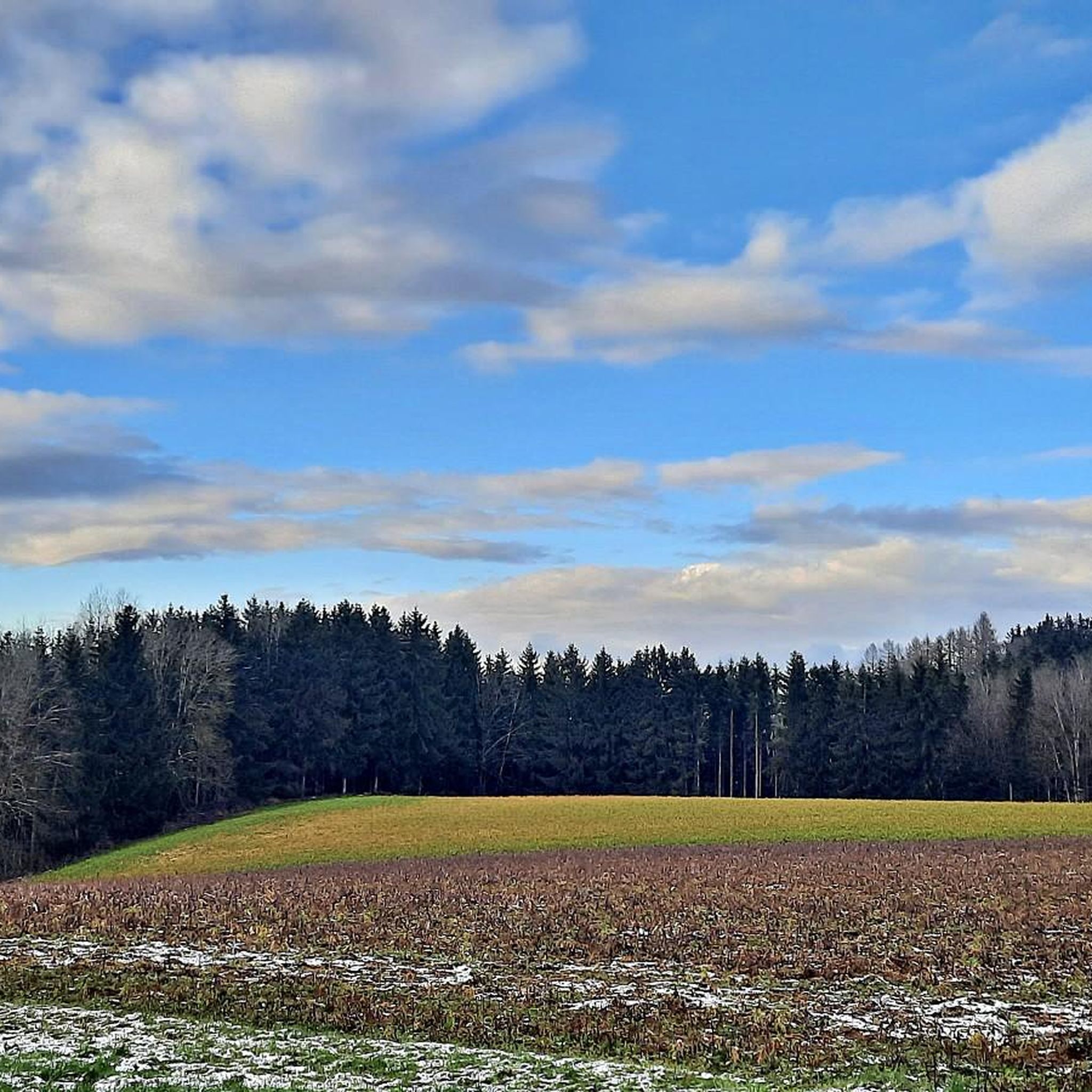
Hattenberg Castle Site The castle was built in the 12th century by the Chamberlains of Kemnat. The Hohenstaufen dynasty had granted the family the sub-advocateship over the possessions of the Bishopric of Augsburg in this area. The branch of the Kemnat family residing at Hattenberg subsequently took its name from the fortress. Several members of the family appear in contemporary documents from the 13th century. However, the castle was devastated in 1297 during a feud between the lord of the castle, Heinrich von Hattenberg, and Bishop Wolfhard von Rohr. The Prince-Bishopric of Augsburg then acquired the associated rights of lordship. Nevertheless, in 1304, the Hattenberg family was appointed Landvogt (governor) of Upper Swabia and city and district governor of Augsburg. Heavily indebted due to his military service in the army of Albrecht I of Austria, the nobleman attempted to improve his financial situation through several raids and highway robberies. The citizens of Augsburg, together with the bishop and the cathedral chapter, sued the knight before King Albrecht in 1305. Shortly thereafter, the "robber knight" was stripped of his bailiwick over the bishop's estates. The Hattenberg family line likely died out with Marquard von Hattenberg around 1370. The castle site had already been pledged by the Prince-Bishopric in 1365. In 1641, the Augsburg Cathedral Chapter purchased the Lordship of Hattenberg. Around 1780, the castle's remaining walls were demolished to make way for the construction of the brewery in Ustersbach. Later, the conical shape of the main castle was partially removed by quarrying the conglomerate rock deposits found there.
0
0

Just to watch the storks in their busy activity
1
0

The castle was built in the 12th century by the chamberlains of Kemnat. The Hohenstaufen dynasty had granted the dynasty the sub-bailiwick over the possessions of the Diocese of Augsburg in this area. The branch of the Kemnat family based in Hattenberg subsequently named itself after the fortress. Several bearers of this name appear in contemporary documents in the 13th century. The castle was, however, already devastated in 1297 during a feud between the lord of the castle, Heinrich von Hattenberg, and Bishop Wolfhard von Rohr. The Bishopric of Augsburg subsequently acquired the associated sovereign rights.
1
0

Rhododendron blossom at Seyfriedsberg Castle
1
0

Former castle ruins with a notice board, which probably also belonged to the Oberschönefeld monastery!
1
0
Parts of an old castle that is permanently secured and with the appropriate information boards
1
0
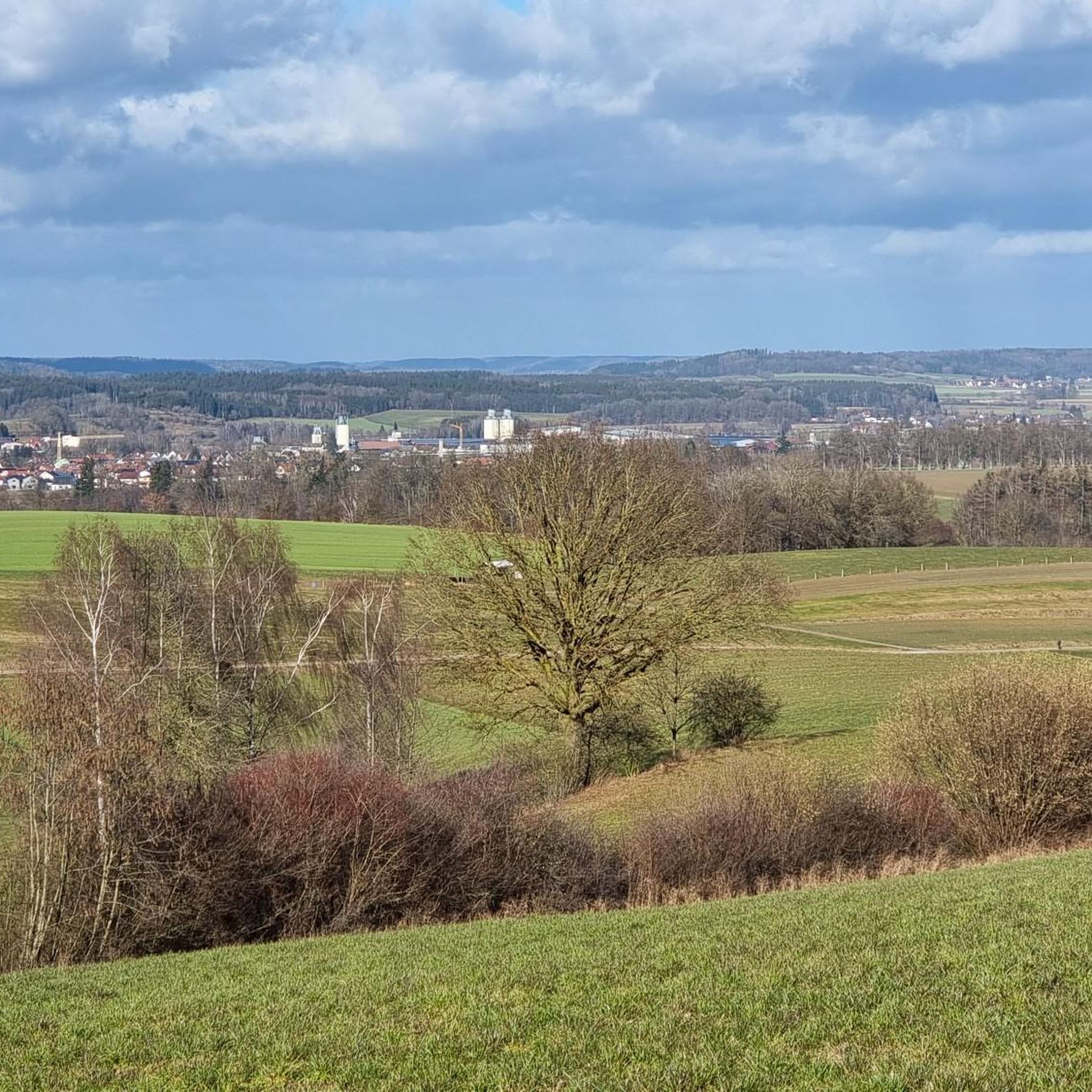
The castle was probably built in the 10th century as the seat of the Lords Fraß, who are said to have distinguished themselves in the Battle of Lechfeld (955). This family of servants to the bishops of Augsburg later called themselves "von Wolfsperch" (1233) after the castle and had a wolf in their coat of arms. The earthworks and remains of the large keep have survived from the high medieval castle complex.
0
0
In particular, the publicly accessible castle park is a worthwhile detour, the castle itself is not allowed to be entered because it is privately owned
2
0
Frequently Asked Questions
What historical sites can I explore around Ziemetshausen?
Beyond the castles, the region offers a blend of historical estates and archaeological remains. You can visit sites like Fugger Castle, Kirchheim, known for its cedar hall, or the accessible Seyfriedsberg Castle Park. There are also remnants of older fortifications, such as Hattenberg Castle Ruins and Wolfsberg Castle Ruins, which provide a glimpse into the area's past.
Are there any castle parks or gardens accessible to the public?
Yes, the Seyfriedsberg Castle Park is a significant attraction. While Schloss Seyfriedsberg itself is privately owned, its forst-botanical park is freely accessible year-round. It features century-old trees and shrubs from various continents, including impressive rhododendrons, offering a peaceful environment for nature lovers.
What kind of natural features can I find near the castles?
The Seyfriedsberg Castle Park is a prime example, with its diverse flora and ancient trees. The surrounding area of Ziemetshausen, part of the Swabian cultural landscape, offers natural beauty and serene environments, perfect for those who appreciate green spaces and historical settings.
Are there family-friendly activities or castles suitable for children?
Many of the sites, including Fugger Castle, Kirchheim, Elmischwang Castle, and Seyfriedsberg Castle Park, are considered family-friendly. The castle park, in particular, offers open spaces and interesting trees for children to explore. The Hattenberg Castle Ruins also has interactive elements mentioned in visitor tips, like riddles, that can engage younger visitors.
Can I go hiking or cycling near the castles?
Absolutely! The region around Ziemetshausen offers various routes for outdoor activities. For hiking, you can find trails like the 'Fatima Grotto – Seyfriedsberg Castle loop' or the 'Seyfriedsberg Castle – Fatima Grotto loop'. Cyclists can enjoy routes such as the 'Elmischwang Castle loop from Ziemetshausen'. You can find more details on these and other routes in the Hiking around Ziemetshausen and Cycling around Ziemetshausen guides.
What is the best time of year to visit the castles and their surroundings?
The Seyfriedsberg Castle Park is open year-round. However, for enjoying the full bloom of its ancient rhododendrons, May and June are particularly recommended. Generally, spring and summer offer pleasant weather for exploring the outdoor areas and trails around the castles.
Are there any dog-friendly trails or areas near the castles?
While specific dog-friendly regulations for each castle are not detailed, many outdoor trails in the Ziemetshausen area are suitable for walks with dogs, provided they are kept on a leash. The accessible Seyfriedsberg Castle Park and the various hiking routes are generally welcoming for well-behaved dogs.
What are 'Burgstall' sites and are there any in Ziemetshausen?
A 'Burgstall' refers to the site of a former castle where only traces, often earthworks, remain. In Ziemetshausen, there is a historical site known as Burgstall Ritterberg (also called Burgstall Bitterberg or Mittelburg), located northwest of the church. These sites offer a glimpse into even older historical fortifications through their archaeological remains.
How long should I plan for a visit to the castles around Ziemetshausen?
The duration of your visit depends on which sites you choose to explore. For instance, a stroll through the Seyfriedsberg Castle Park might take an hour or two. If you combine castle visits with hiking or cycling routes, you could easily spend a half-day or full day exploring the region's historical and natural attractions.
Are there cafes or places to eat near the castles?
The town of Ziemetshausen and nearby villages offer various local establishments where you can find cafes and pubs. While specific cafes directly adjacent to every castle are not listed, you can plan your routes to pass through or near these towns for refreshments. For example, some cycling routes mention places like 'Bakery Café Simnacher' or 'Traditional inn Adler' in Ziemetshausen.
What do visitors enjoy most about the castles around Ziemetshausen?
Visitors particularly appreciate the blend of historical significance and natural beauty. The world-famous cedar hall at Fugger Castle, Kirchheim, and the impressive, century-old trees and rhododendrons in Seyfriedsberg Castle Park are frequently highlighted. The tranquility and the opportunity to explore both well-preserved buildings and ancient ruins also receive positive feedback from the komoot community.
Is <a href="https://de.wikipedia.org/wiki/Schloss_Seyfriedsberg" target="_blank" rel="noopener">Schloss Seyfriedsberg</a> itself accessible to the public?
No, Schloss Seyfriedsberg is currently privately owned and not publicly accessible. However, its surrounding forst-botanical park is freely accessible to visitors year-round, offering a wonderful experience of nature and history.
Most popular routes around Ziemetshausen
Most popular attractions around Ziemetshausen

Get inspired with the komoot mobile app


Explore more
Looking for the best castles somewhere else? Discover other guides around Ziemetshausen:
