Top 20 Lakes around Asbach-Bäumenheim
Best lakes around Asbach-Bäumenheim offer opportunities for water-based recreation in a region characterized by its proximity to the Danube River. The area features various aquatic spots suitable for swimming, walks, and bike tours. These natural features contribute to the local landscape, providing accessible outdoor experiences.
Best lakes around Asbach-Bäumenheim
- The most popular lakes is Shelter by the Pond on Edelweißweg, a hut located by a pond that offers a place to rest and stay dry. It provides views of…
Last updated: June 26, 2026
Shelter by the Pond on Edelweißweg
Highlight • Mountain Hut
Translated by Google •
Tip by

Donau-Lech Campsite Eggelstetten
Highlight • Rest Area
Translated by Google •
Tip by

Sign up now to discover places like this
Get recommendations on the best single tracks, peaks, & plenty of other exciting outdoor places.
Sign up for free
Lech Reservoir Near Waltershofen and Ellgau
Highlight • Lake
Translated by Google •
Tip by

Gunzenheimer Gump Pond
Highlight • Lake
Translated by Google •
Tip by

Gravel Lake North of the Danube
Highlight • Lake
Translated by Google •
Tip by

Sign up for free to discover even more lakes around Asbach-Bäumenheim.
Sign up for free
Already have an account?
Start today with a free account
Your next adventure awaits.
Login or Signup
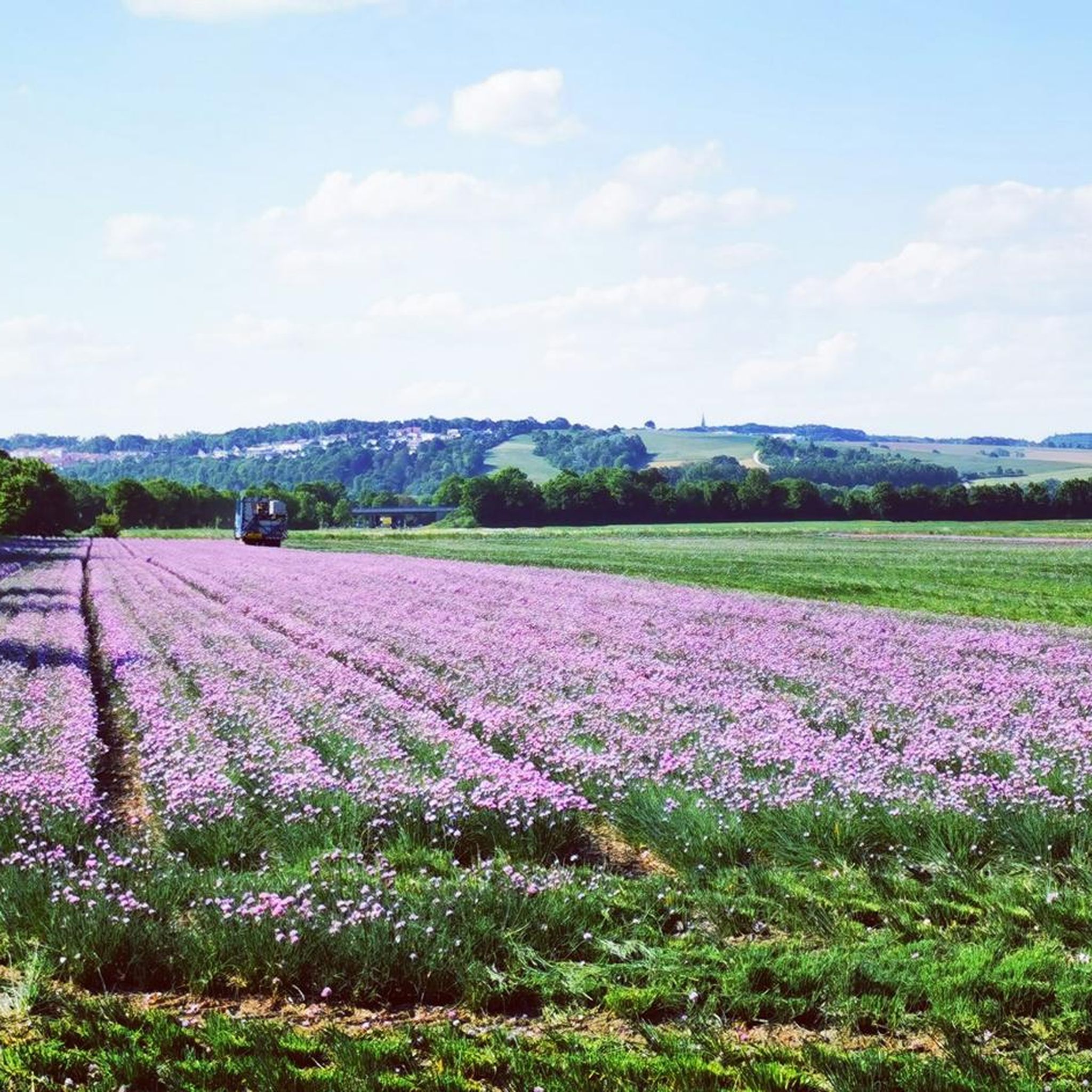
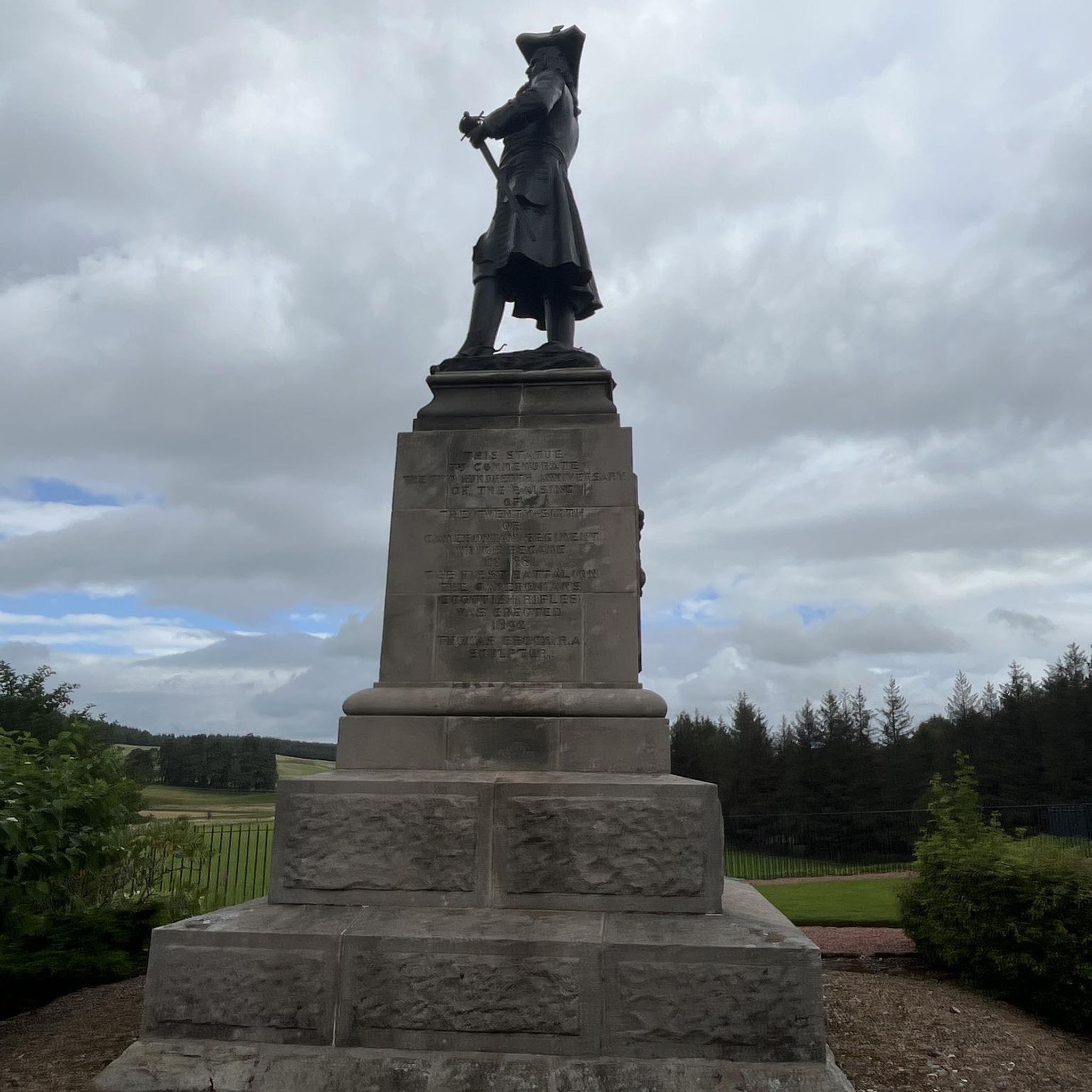
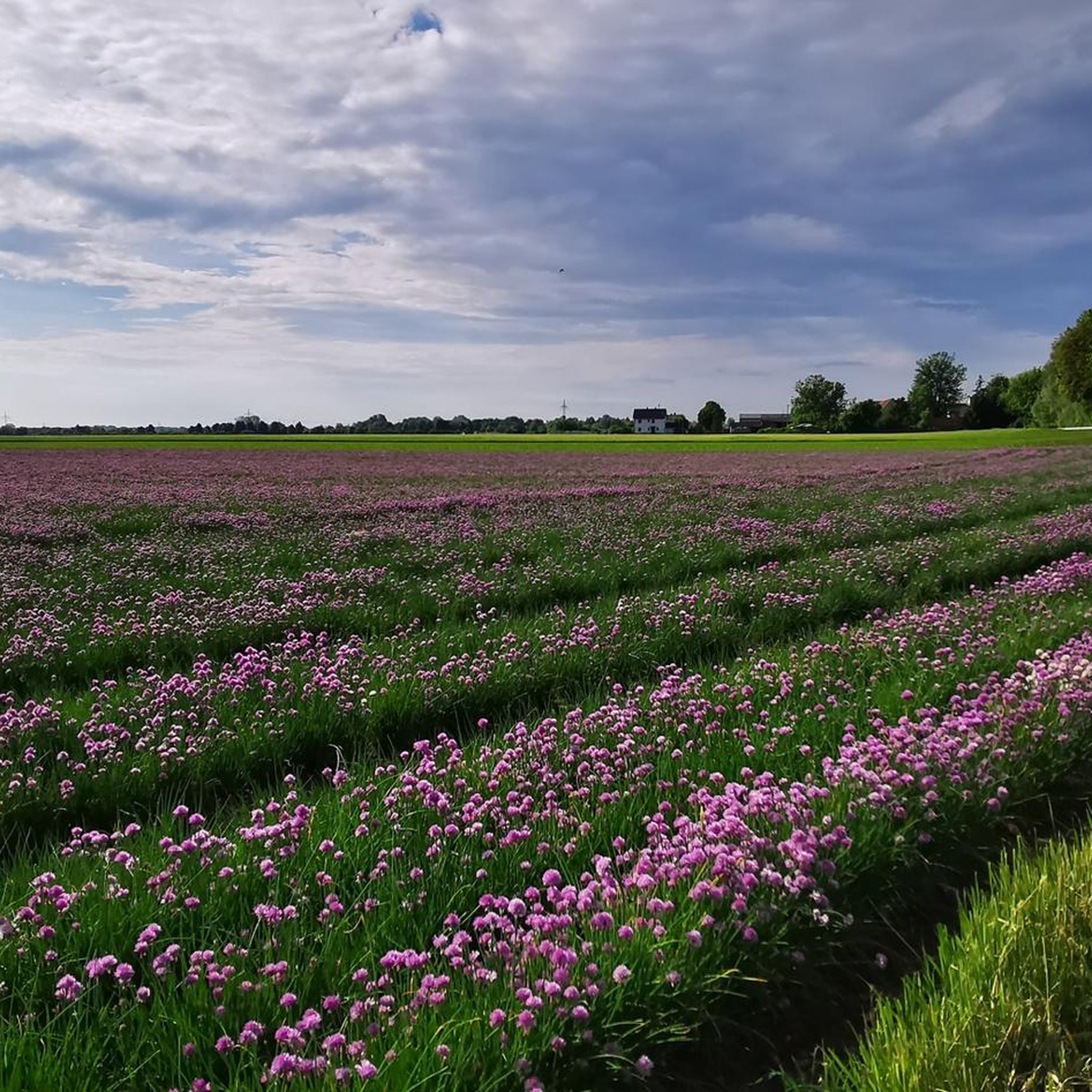
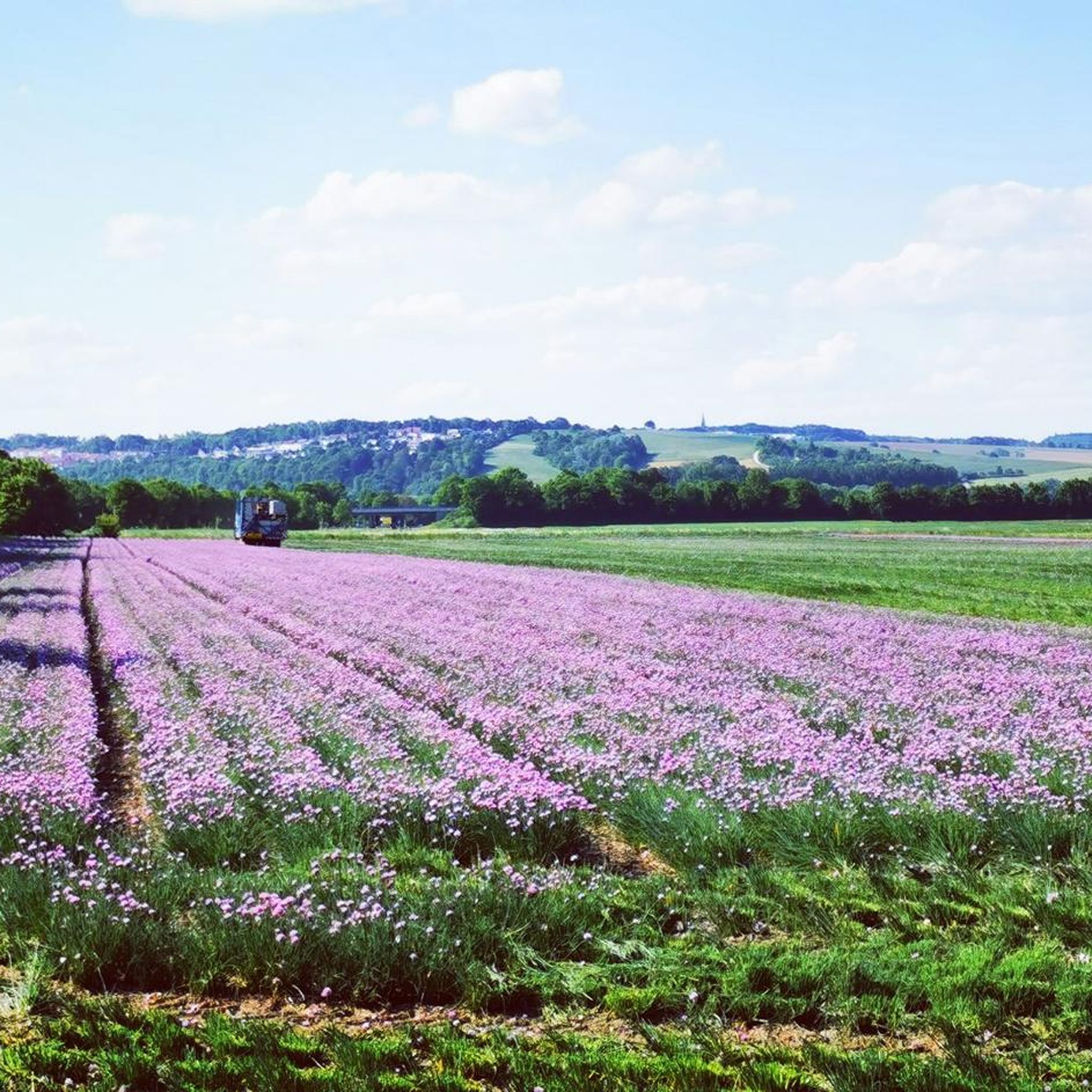
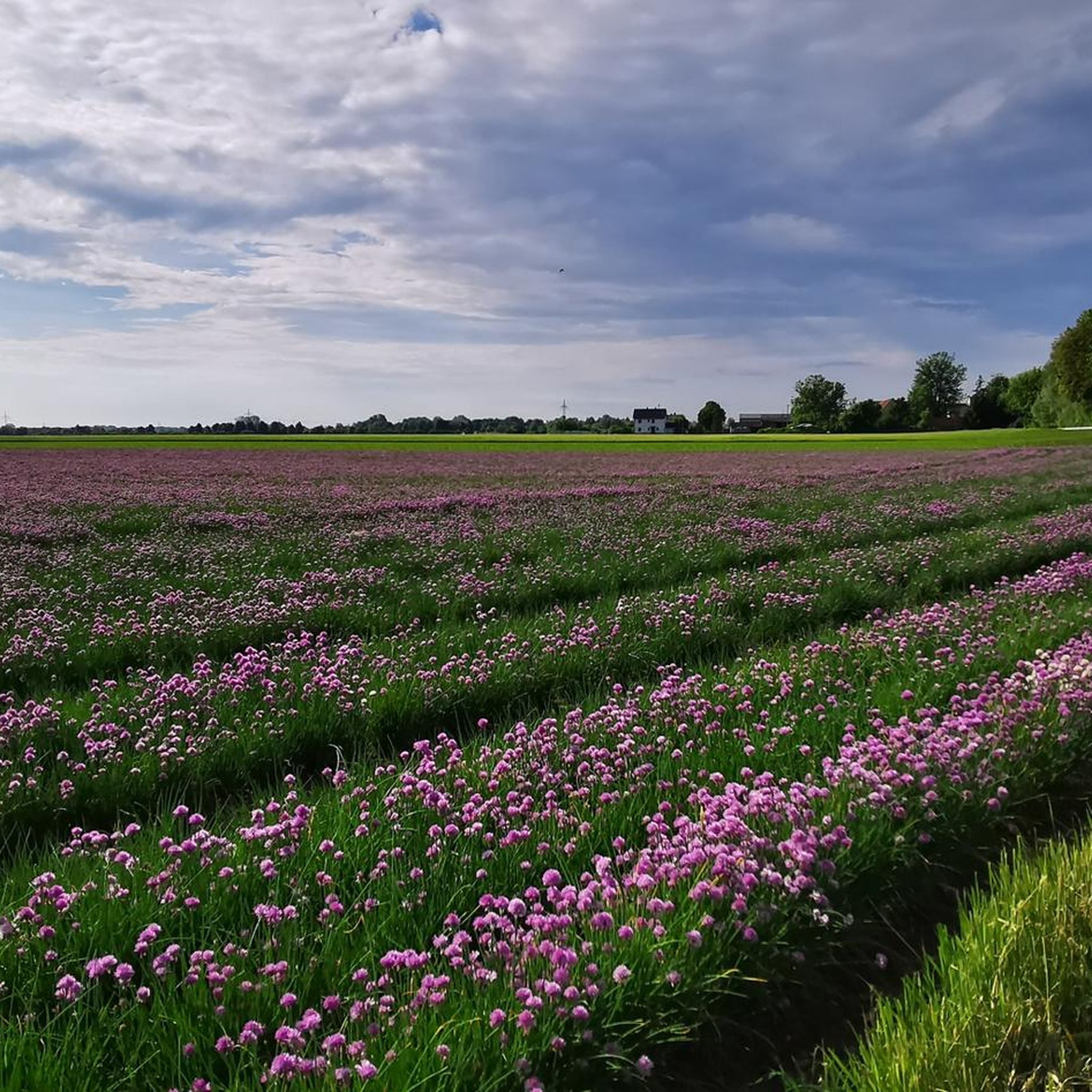
Tips from the Community

September 2025 - €23 for two people with bicycles and a tent. A common room with charging facilities is available.
0
0

A beautiful, quiet campsite about 6 km southeast of Donauwörth with its own swimming lake.
1
0

It's one of two huts located in the cross-country ski section. The pond is somewhat hidden during the lush vegetation season. Signs with the relevant information can be found near the trees.
1
0

Bright, friendly place. Everything is very clean.
0
1

Particularly colorful and beautiful in autumn
1
0

A Malm block measuring several thousand cubic meters within the colorful rubble masses in the area surrounding the Nördlinger Ries was used to extract raw materials and was partially mined. A small pond formed in the resulting hollow due to the low water permeability of the surrounding rubble rocks. The outcrop is located about 5.5 km southeast of the crater rim. The Gunzenheimer Gump is a small artificial pond (about 8 m deep), but it could only have been created due to the special geological conditions of its surroundings and human activities. The colorful rubble masses here consisted of large white Jurassic limestone blocks (Malm Delta) and clayey and sandy components from the Triassic and older Jurassic periods (Lias, Dogger). While the clayey-sandy deposits were removed, the more weather-resistant lime remained. The lime was used to build the Kaisheim monastery church. Due to the damming nature of the clays of the colorful rubble masses, water could rise under excess pressure (artesian rising spring) during lime mining and form a pond. The special geological significance of the Gunzenheimer Gump was taken into account in 2004. The Gunzenheimer Gump was included in the official geotope cadastre of the Bavarian State Office for the Environment and was thus awarded the "Geotop" seal of quality. [ Source: https://www.geopark-ries.de/geologische-besonderheit/gunzenheimer_gump-21524/ ]
1
0

A great, bike-friendly campsite with a very friendly owner. More information at: https://www.donau-lech-camping.de/
0
0

"It is probably rare to find a lake with deep, clear water on a slope surrounded by poor and dry grassland. There are many legends and legends surrounding the Gunzenheimer Gump. How does the water get to a high point within a very dry area? The Both opposites can only be explained with the events of the giant catastrophe. These are ejecta from the giant, where Jura rock had fallen onto a large clay block and sunk deeply. Because the dry heath in the area previously had no protection and little economic value, the Jura rock was quarried, just like in many other places on the edge of the Ries. Apparently soon after mining began, water began to collect in the surrounding clay layer, making further mining impossible. What remained was the mysterious Gunzenheimer Gump, a deep, clear lake. The water comes from groundwater sources and is always full to the brim, even in extremely dry times. Occasionally the excess water runs over the heaths to the west, which leads to a completely different spectrum of plants with lawns, gap sedges and blue rushes as key species. The underwater vegetation consists primarily of pondweed, while in the peripheral areas pond ledges, sedges and occasionally even flesh-colored orchid can be found." Source: Kaisheim - market and monastery (ed. Werner Schiedermair) https://www.kaisheim.de/de/marktgemeinde-kaisheim/ortsteile/gunzenheim/gunzenheimer-gump
1
0
Frequently Asked Questions
What types of lakes can I find around Asbach-Bäumenheim?
The region around Asbach-Bäumenheim features a variety of water bodies, including gravel pit lakes, natural ponds, and reservoirs. These offer diverse recreational opportunities, from swimming to scenic viewpoints. Notable examples include the Gravel Lake North of the Danube and the unique Gump Swimming Pond.
Are there family-friendly lakes in the area?
Yes, several lakes are well-suited for families. The Gravel Lake North of the Danube is popular for its beach and shade-providing trees, ideal for a day out. The Riedlinger Baggersee, a prominent gravel pit lake near Donauwörth, also offers a sandy beach, playground, and a beer garden, making it excellent for all ages.
What activities can I do at the lakes near Asbach-Bäumenheim?
The lakes provide opportunities for various activities. You can enjoy swimming at locations like the Gravel Lake North of the Danube and the Gump Swimming Pond. Many lakes are also great for pleasant walks, cycling, and observing nature, especially around the Lech Reservoir Near Waltershofen and Ellgau where you can spot water birds.
Are there hiking trails near the lakes?
Yes, the area offers various hiking opportunities that often incorporate the local lakes and natural scenery. For example, you can find routes like the 'Hamlarer Quarry Lake loop' or 'Path Along the Schmutter' which are part of the broader hiking guide for Asbach-Bäumenheim.
What cycling routes are available around the lakes?
The region is well-suited for cycling, with routes that pass by or near several lakes. You can explore options for gravel biking or road cycling, with trails like the 'Thierhaupten Bird Sanctuary – Between the Lech and the Lech Canal loop' offering scenic rides.
When is the best time to visit the lakes around Asbach-Bäumenheim?
The lakes are enjoyable throughout the warmer months, typically from late spring to early autumn, when swimming and outdoor activities are most pleasant. Summer is ideal for beach activities and water sports. For walking and cycling, spring and autumn offer comfortable temperatures and beautiful scenery.
How accessible are the lakes, and is parking available?
Many lakes, such as the Riedlinger Baggersee near Donauwörth, are easily accessible by car, often with dedicated parking areas directly by the lake. This makes them convenient for day trips. Public transport options may vary, so checking local schedules is recommended for specific locations.
Can I find places to rest or take shelter near the lakes?
Yes, some locations offer amenities for visitors. For instance, the Shelter by the Pond on Edelweißweg provides a hut where you can rest and stay dry, offering views of a small pond. The Riedlinger Baggersee also features a beer garden for refreshments.
What natural features or wildlife can I expect to see?
The lakes and their surroundings are rich in natural beauty. You can expect to see diverse flora and fauna, especially around areas like the Lech Reservoir Near Waltershofen and Ellgau, which is part of a nature reserve known for its water birds. The Gump Swimming Pond is also a natural monument with clear water and unique geological origins.
What do visitors enjoy most about the lakes in this region?
Visitors particularly appreciate the picturesque settings of the gravel pit lakes, their suitability for swimming, and the availability of shade from trees. The clear water of places like the Gump Swimming Pond and the beautiful reflections on the Lech Reservoir are also frequently highlighted.
Are there any specific tips for visiting the Lech Reservoir?
When visiting the Lech Reservoir Near Waltershofen and Ellgau, be aware that the dam path may occasionally be closed at certain points. It's advisable to check for current conditions or plan to explore different sides of the dam. The east side, between Waltershofen and Ellgau, is particularly beautiful for observing water birds within the nature reserve.
Are there any hidden gems or less-known lakes worth exploring?
While the Gravel Lake North of the Danube and Gump Swimming Pond are well-loved, the region also has smaller, less prominent spots. For example, the Pond Opposite Gut Schweighof offers a scenic view even from the street, though its public access might be limited.
Most popular routes around Asbach-Bäumenheim
Most popular attractions around Asbach-Bäumenheim

Get inspired with the komoot mobile app


Explore more
Still not found your perfect lake around Asbach-Bäumenheim? Check out the guides of these regions to see even more beautiful places.
