Top 18 Caves around Kalt
Best caves around Kalt are primarily associated with historical slate mining operations, offering a glimpse into the region's industrial past. The landscape around Kalt features numerous tunnels and small natural formations, often integrated into hiking trails. These sites provide insights into traditional mining methods and the geological composition of the area. The Nette river valley is a prominent feature, with many of these historical sites located along its course.
Best caves around Kalt
- The most popular caves is Waterwheel at…
Last updated: May 14, 2026
Old Slate Mine Tunnel
Highlight • Cave
Translated by Google •
Tip by

Waterwheel at the Margareta Slate Mine water tunnel
Highlight • Monument
Translated by Google •
Tip by

Sign up now to discover places like this
Get recommendations on the best single tracks, peaks, & plenty of other exciting outdoor places.
Sign up for free
Fuchsloch Slate Mine Entrance
Highlight • Cave
Translated by Google •
Tip by
Small cave on the Felsensteig
Highlight • Cave
Translated by Google •
Tip by

Theresia Mine Tunnel
Highlight • Cave
Translated by Google •
Tip by

Sign up for free to discover even more caves around Kalt.
Sign up for free
Already have an account?
Start today with a free account
Your next adventure awaits.
Login or Signup
Tips from the Community

A photogenic relic of an old mill is this water wheel on a tributary of the Nette.
0
0
It is hard to imagine the working conditions of the miners who went into the mountain to laboriously mine the slate.
0
0

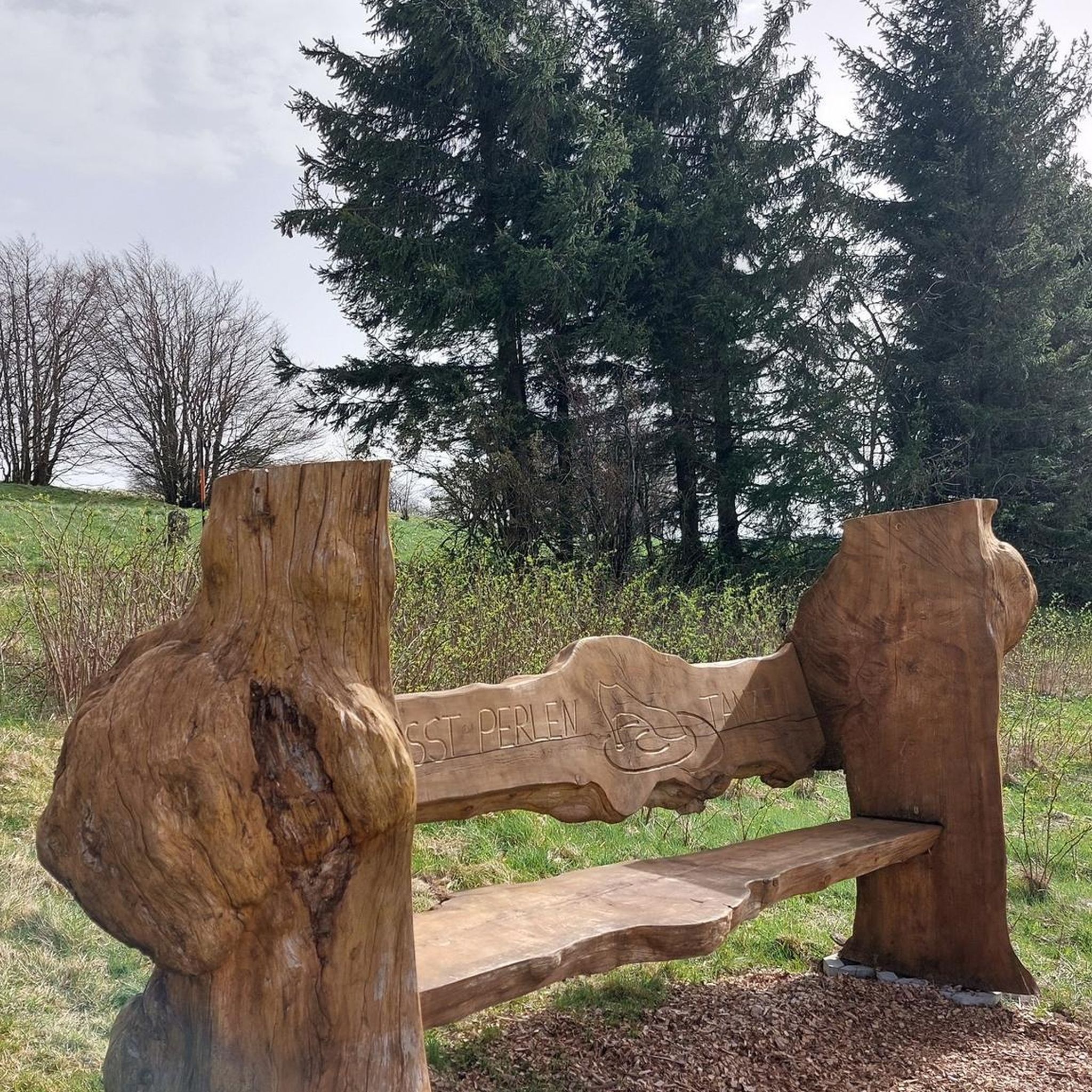
The mine path begins with Jupp, the miner carved out of wood, who is a symbol of the miners from Morshausen who mined ore in the lower Theresia mine from 1859 to 1886. The ores were brought to St. Goarshausen-Fellen for smelting. From the Theresia ore mine, the mouth hole of the lowest tunnel at Baybach level near the colliery house, which was built in 1860 for 12 miners and miners, has been preserved and one at the spoil heap level. The various tunnels extended from 250 meters to 20 meters into the mountain and were 10 to 15 meters wide.
1
0

Climbing in is worth it
1
0

With the two Mosel slate mines Katzenberg (Mayen) and Margareta (Polch) of the company I. B. Rathscheck Söhne KG, Moselschieferbergwerke, the largest slate production in Central Europe was located near Mayen in this region with - according to their own statements - a market share of 80%. The Margareta mine near Polch-Nettesürsch was in operation until 1996. It was accessed with a 485 m long conveyor ramp in the form of a helix, which enabled truck transport from underground. Source: Wikipedia
3
0
The Fox Hole is a tunnel entrance to a tunnel between Trimbs and Hausen.
1
0
The water tunnel of the Margaretha mine of the Rathscheck mining company in Nettesürsch was driven into the mountain up to the shaft in 1925. The water is channeled into the Nette. The 220-meter-deep Margaretha mine has had a conveyor shaft since around 1900 and was closed in 1986. From 1992 to 1996 it was operated with a serpentine tunnel as a slate conveyor ramp, which could be used to load lorries with slate.
4
0

It looks great when you see how the slate was mined.
2
0
Frequently Asked Questions
What kind of caves can I explore around Kalt?
The caves around Kalt are primarily associated with historical slate mining operations. You'll find numerous tunnels, mine entrances, and small natural rock shelters that offer insights into the region's industrial past and geological composition. Many are integrated into local hiking routes.
Are there any family-friendly caves or sites suitable for children?
Yes, there are. The Small cave on the Felsensteig is a manageable natural cave that is particularly interesting for children and a nice spot for a rest. The Waterwheel at the Margareta Slate Mine water tunnel is also considered family-friendly and offers an engaging look into mining history.
What historical sites related to mining can I visit?
Kalt is rich in mining history. You can visit the Waterwheel at the Margareta Slate Mine water tunnel, which features an old mill wheel still driven by water and provides insights into mining in the Nettetal. Another significant site is the Fuchsloch Slate Mine Entrance, an approximately 1-meter hole in the slate rock along the Nette-Schieferpfad. The Old Slate Mine Tunnel also goes about 6-8 meters deep into the Schieferberg.
Are there hiking trails that incorporate these caves?
Yes, many of the historical mining sites and natural formations around Kalt are integrated into local hiking routes. For example, the Fuchsloch Slate Mine Entrance is found along the Nette-Schieferpfad. You can find various running trails around Kalt that might pass by these historical points of interest.
What outdoor activities can I do near the caves around Kalt?
Beyond exploring the caves and historical sites, the region offers various outdoor activities. You can find excellent gravel biking routes and road cycling routes. There are also numerous running trails, many of which incorporate the scenic Nette river valley and its surroundings.
What should I know about the geology of the caves in the Kalt area?
The caves around Kalt are primarily formed within slate rock, reflecting the region's significant slate mining history. These formations, both natural and man-made, showcase the geological composition of the area, which has been shaped by water and ice over millions of years, particularly evident in the Kaltbach Cave in Switzerland, which is known for its unique sandstone formations.
Is there a cave that is less known but worth visiting?
The Theresia Mine Tunnel is one of many mine tunnels in the Hunsrück region. While many are closed off, they serve as sheltered sleeping places for bats and offer a glimpse into the extensive mining history of the area, having been used for lead, silver, copper, and zinc ore extraction.
What do visitors enjoy most about the caves and mining sites in Kalt?
Visitors appreciate the unique blend of natural beauty and industrial history. Many enjoy the opportunity to learn about traditional mining methods and the geological composition of the area. The manageable nature of some caves, like the Small cave on the Felsensteig, makes them appealing for a rest or for engaging children.
Are there any specific safety tips for exploring the mine tunnels?
When exploring historical mine tunnels like the Old Slate Mine Tunnel, be aware that some tunnels can go deep, and while exciting, some areas might be dangerous. Always exercise caution, especially in smaller, less maintained sections. Some paths, like those leading to the Fuchsloch Slate Mine Entrance, are described as narrow with a gentle alpine touch, and signs may indicate they are 'Only for experienced'.
Can I access the caves and historical sites using public transport?
While specific public transport details for each individual cave are not readily available, many of these sites are integrated into local hiking routes. It is advisable to check local transport options to the starting points of these trails, especially those along the Nette river valley, which is a prominent feature of the area.
What is the best time of year to visit the caves around Kalt?
The historical mining sites and natural formations around Kalt, many of which are integrated into hiking trails, can be enjoyed throughout the warmer months. Spring and autumn offer pleasant temperatures for hiking and exploring the outdoor aspects of these sites. During winter, some paths might be less accessible due to weather conditions.
Most popular attractions around Kalt

Get inspired with the komoot mobile app


Explore more
Extend your search for the best caves by checking out these guides of the top ones around Kalt:
