Top 6 Caves around Gutsbezirk Spessart
Caves around Gutsbezirk Spessart are found within a region known for its dense forests and natural landscapes. While the unincorporated area of Gutsbezirk Spessart itself is primarily forested, the wider Spessart region offers notable subterranean attractions. These sites are appreciated for their geological formations, historical significance, and local legends. The area provides opportunities to explore ancient underground worlds and unique natural features.
Best caves around Gutsbezirk Spessart
- The most popular caves is Teufelshöhle Steinau, a cave that is a…
Last updated: September 30, 2026
Beilstein Trail
Highlight • Trail
Showing Translation
Tip by

Beilstein Rock Formation
Highlight • Natural Monument
Translated by Google •
Tip by

Sign up now to discover places like this
Get recommendations on the best single tracks, peaks, & plenty of other exciting outdoor places.
Beilstein Basalt Formation
Highlight • Natural Monument
Translated by Google •
Tip by
Teufelshöhle Steinau
Highlight • Cave
Translated by Google •
Tip by
Beilstein Nature Reserve Plaque
Highlight • Natural Monument
Translated by Google •
Tip by
Sign up for free to discover even more caves around Gutsbezirk Spessart.
Already have an account?
Start today with a free account
Your next adventure awaits.
Popular around Gutsbezirk Spessart
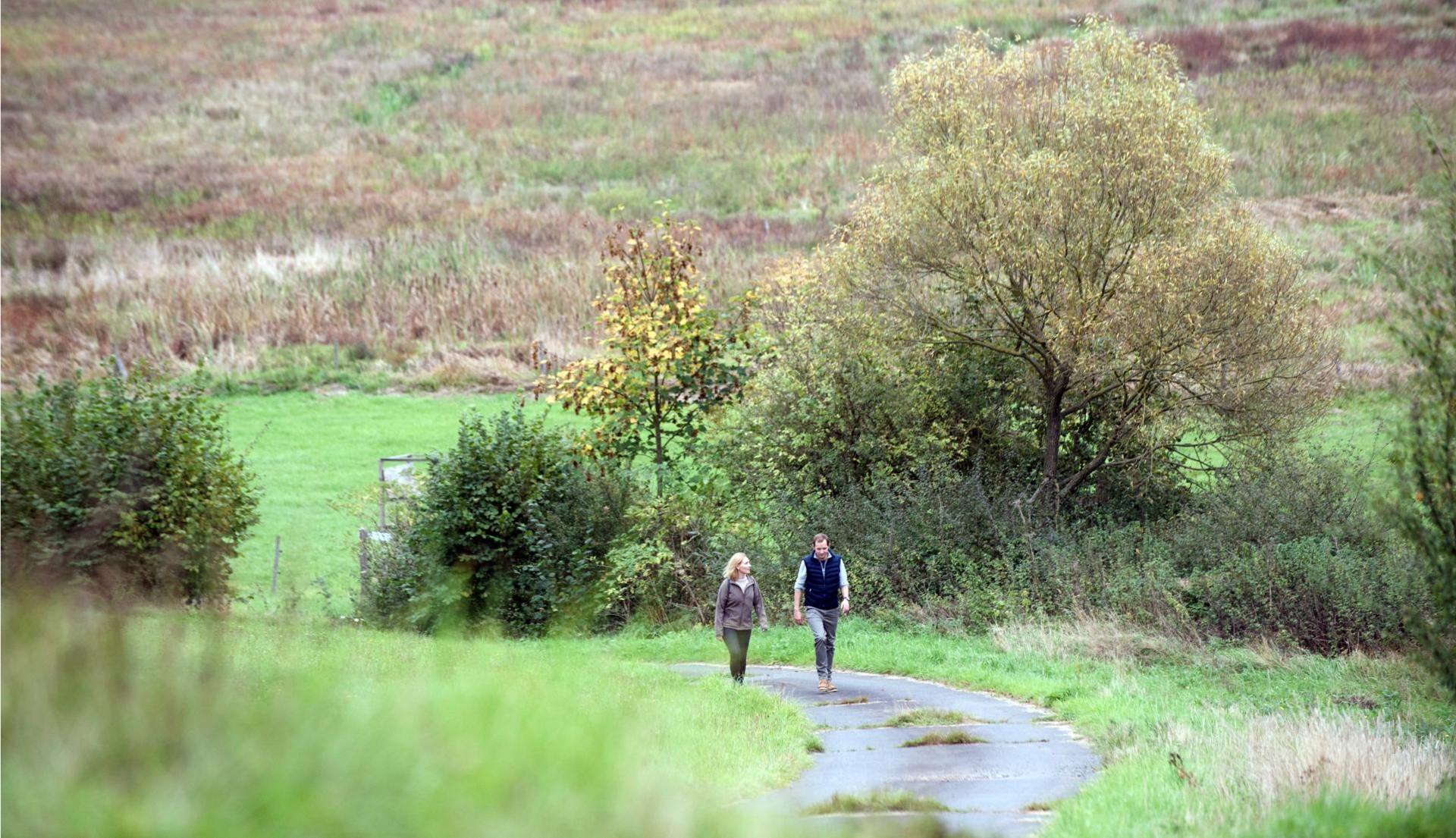
Pleasure hiking in the Spessart: trails that taste as good as they look
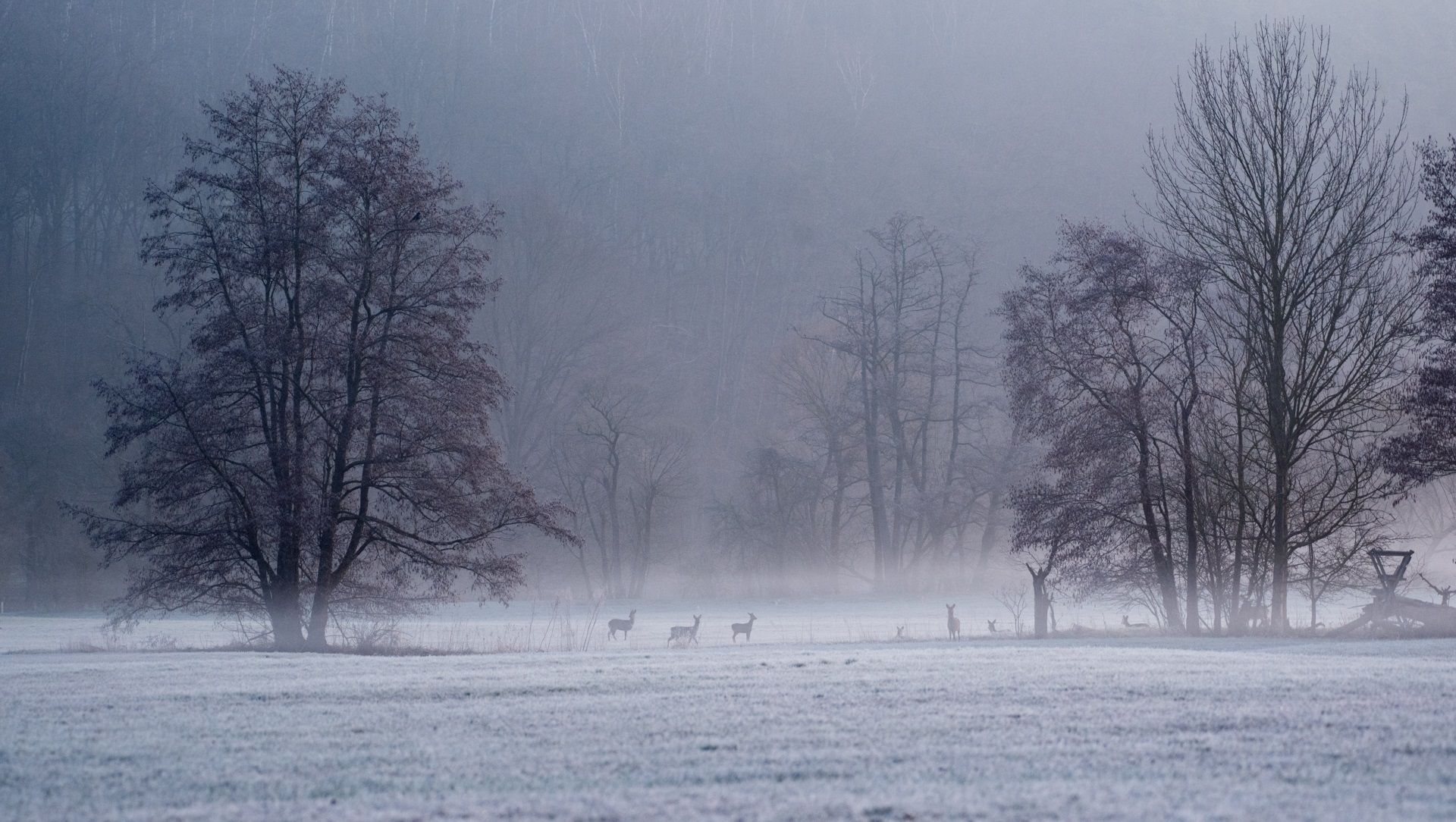
Die schönsten Winterwanderungen im Spessart
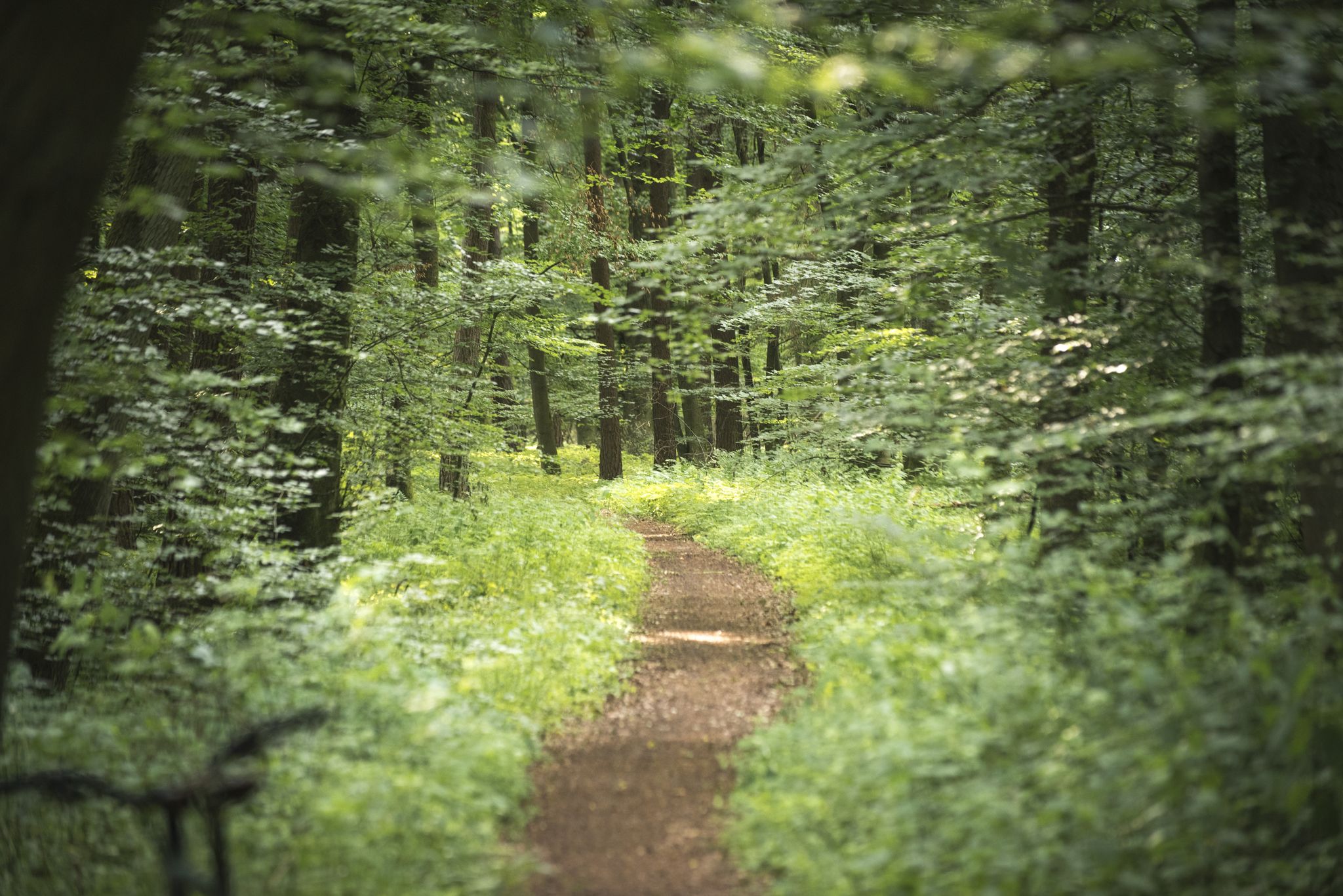
Die schönsten Premium-Spazierwanderwege im Hessischen Spessart
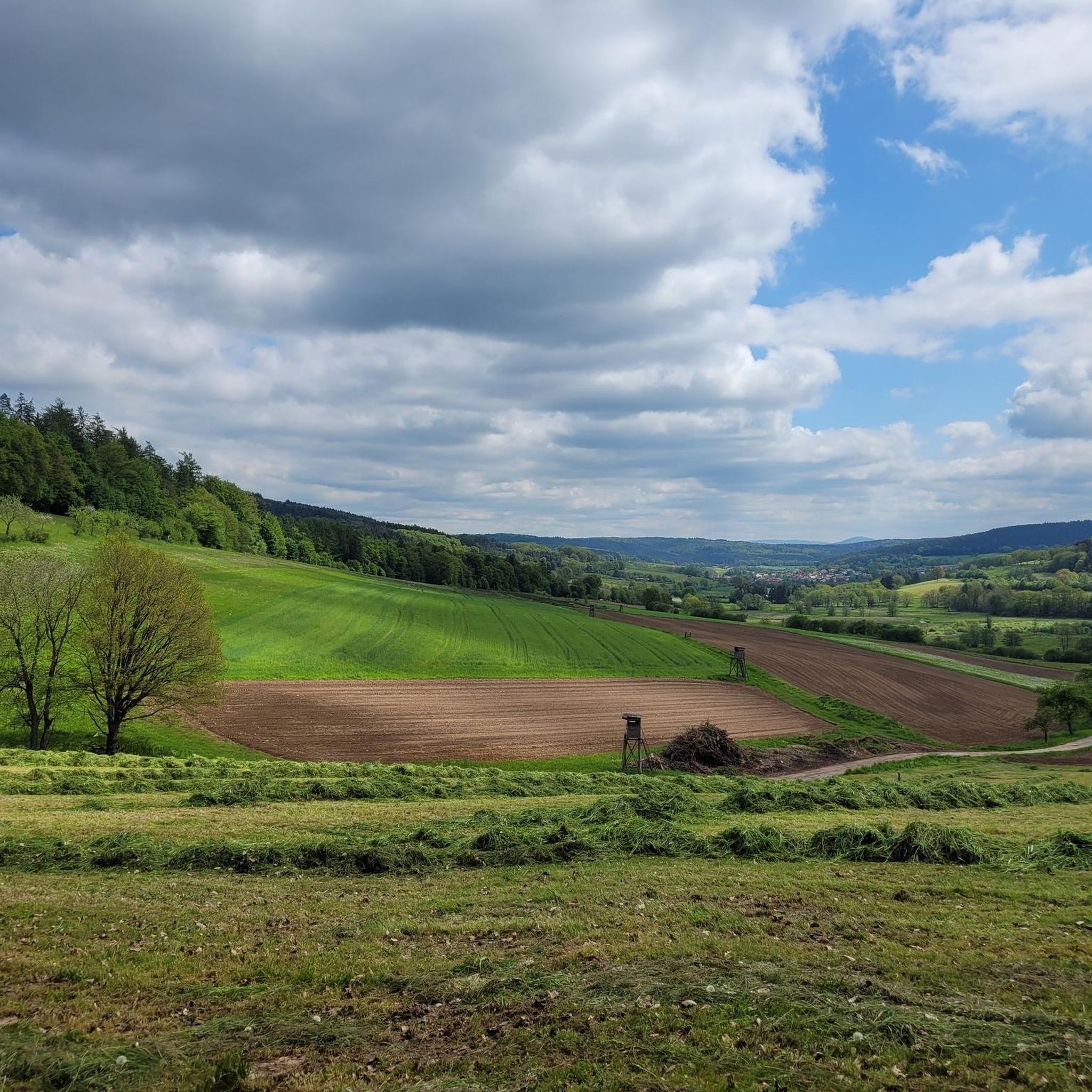
Hiking around Gutsbezirk Spessart
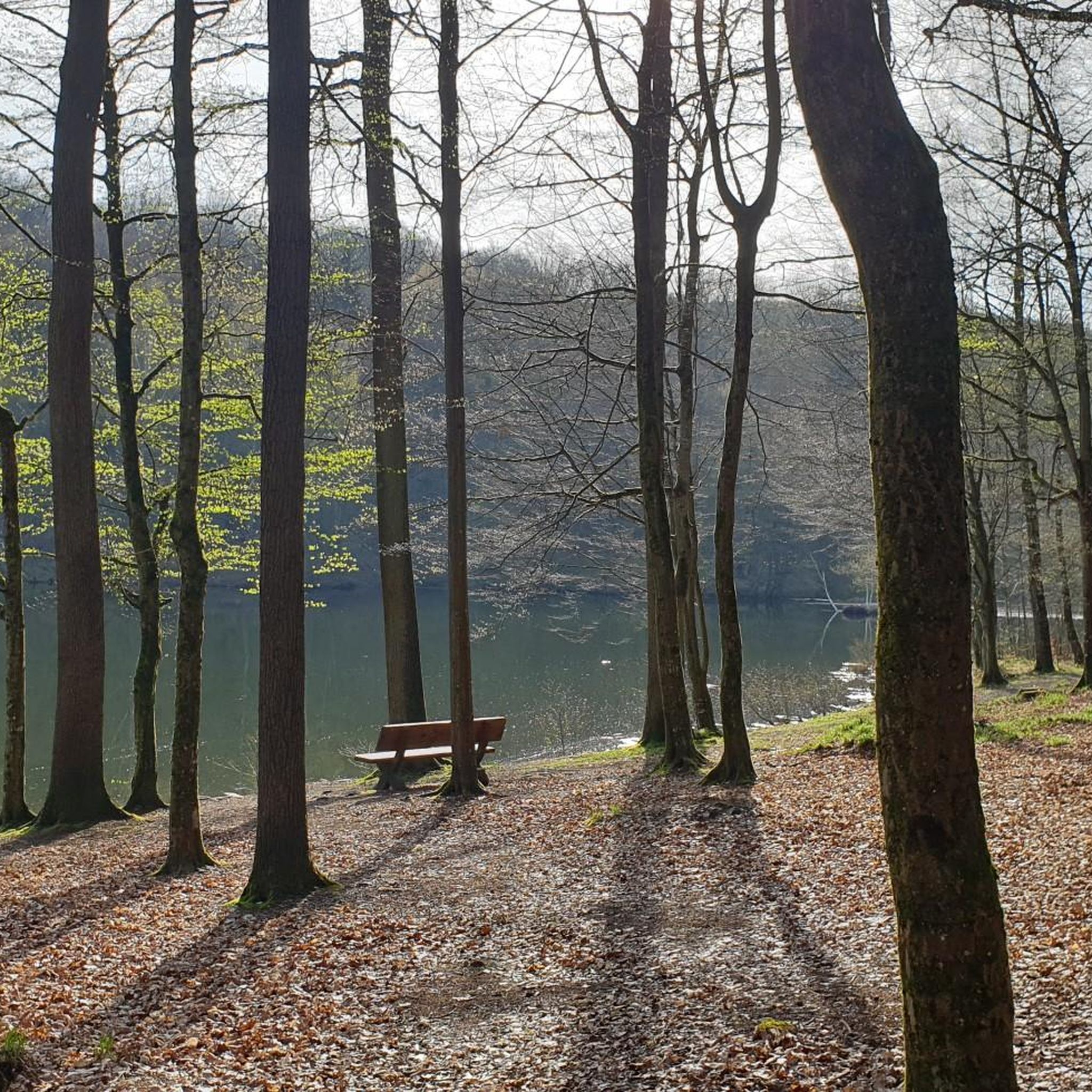
Cycling around Gutsbezirk Spessart
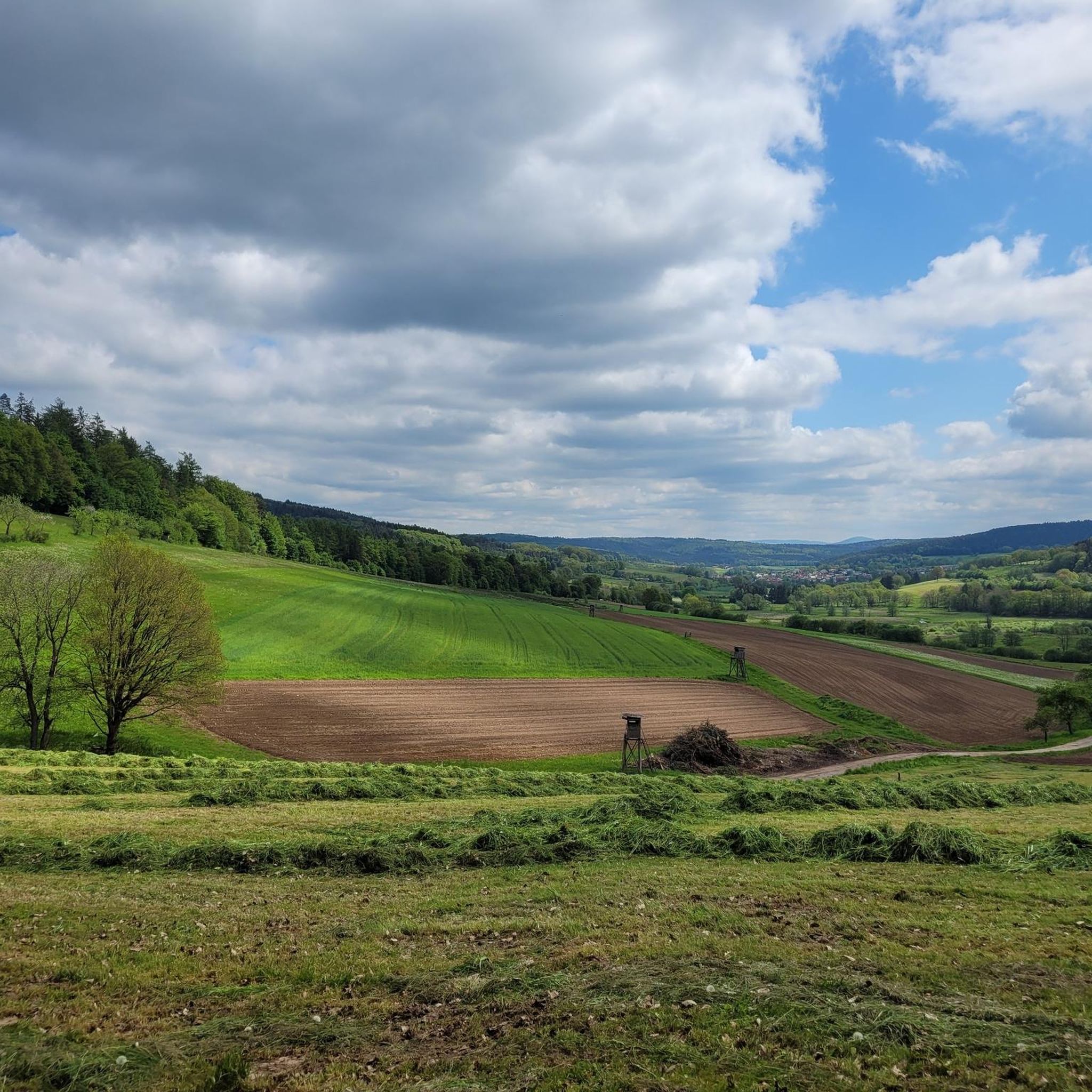
MTB Trails around Gutsbezirk Spessart
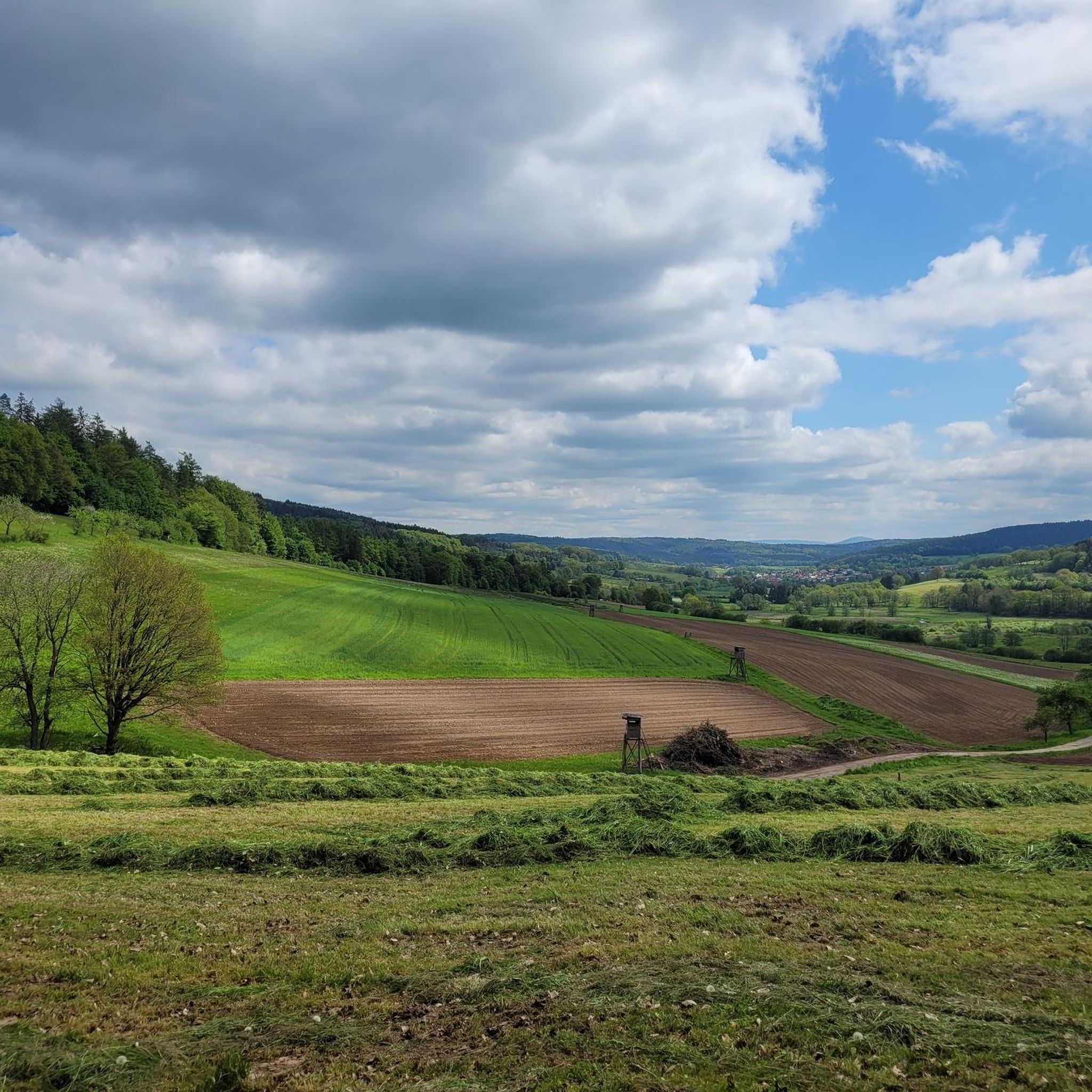
Road Cycling Routes around Gutsbezirk Spessart
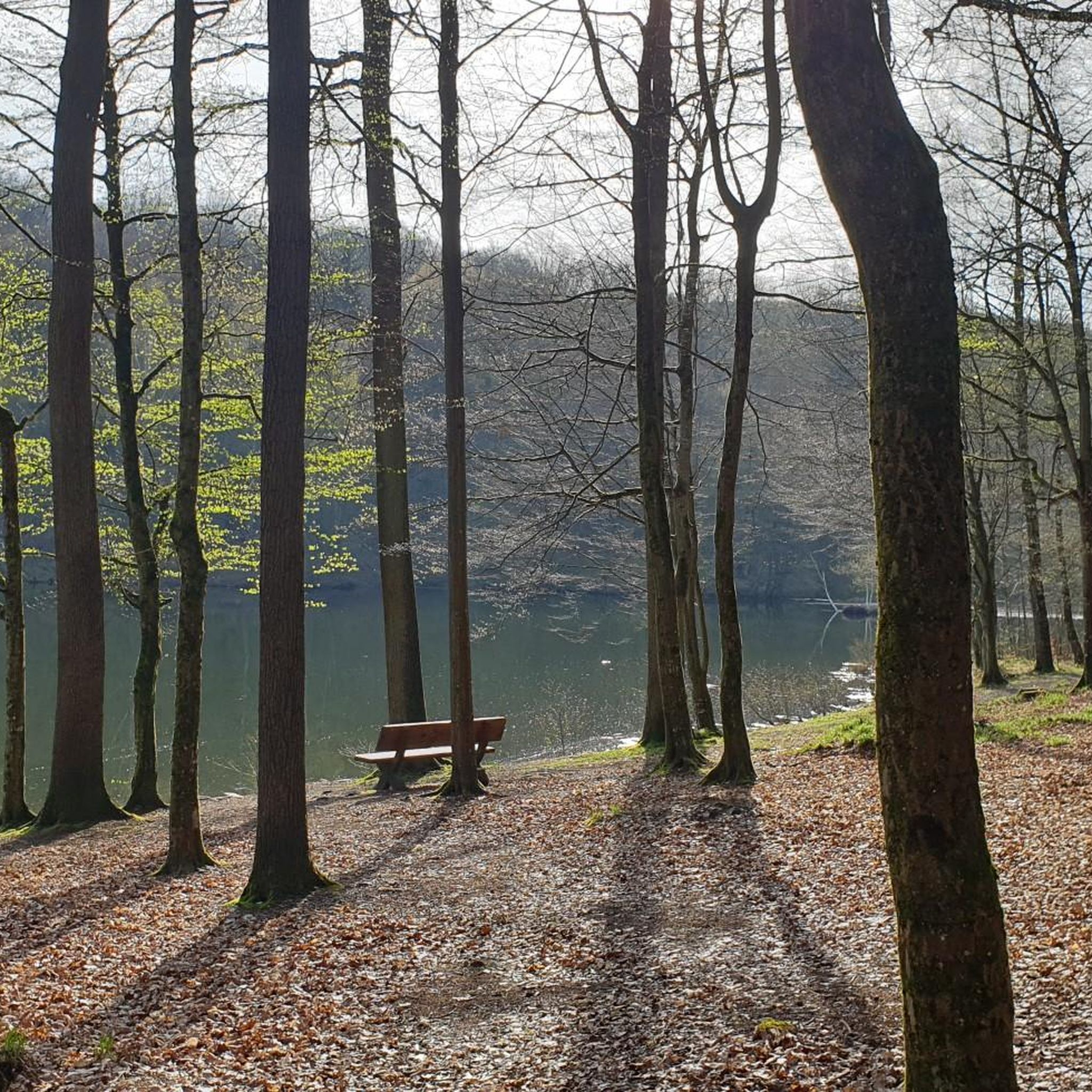
Running Trails around Gutsbezirk Spessart
Gravel biking around Gutsbezirk Spessart
Other adventures around Gutsbezirk Spessart

Tips from the Community

The Beilstein is a large basalt rock. Remains of a former hilltop castle can still be seen on the summit plateau.
1
0

There is no cave at Beilstein. It is the remains of an old volcano.
4
2

Unfortunately not yet open at the moment... winter rest
14
0
A work of art that makes science come alive... that's what it says in the explanation of the basalt block
14
0
A castle ruin, of which there is not much left to see, but still interesting.
2
0
Remains of ruins made of sandstone walls and inexplicable to me... reinforced concrete parts... don't expect anything special.. however, the view is quite nice
13
0
You should not enter the caves, firstly they are very slippery, secondly they are the home of bats
14
0
Currently well cleared of young trees... nice view of a quite unexpected basalt formation in the otherwise existing federal sandstone
17
0
Frequently Asked Questions
What types of caves and subterranean sites can I explore in the wider Spessart region?
The wider Spessart region offers a diverse range of subterranean attractions. You can find ancient stalactite caves like the Teufelshöhle Steinau, impressive basalt formations such as the Beilstein Basalt Formation, and even religious grottoes like the Marian Grotto. The area also features historical sites with natural rock formations, blending geological interest with cultural heritage.
Which cave is considered the oldest show cave in Hesse?
The Teufelshöhle Steinau is considered Hessen's oldest show cave. This stalactite cave is approximately 2.5 million years old and is a significant geological natural monument, featuring impressive stalactites and stalagmites.
Are there any family-friendly cave experiences in the region?
Yes, the Teufelshöhle Steinau is categorized as family-friendly. Its thoughtful illumination and guided tours, which last around 20-30 minutes, make it an accessible and engaging experience for visitors of all ages to learn about its formation and history.
What geological features are unique to the caves and formations in the Spessart region?
The Spessart region showcases unique geological features. The Beilstein Basalt Formation, for instance, features basalt prisms, which are a rare rock type in the Spessart. The Beilstein Nature Reserve Plaque area also highlights a basalt cone formed by volcanic eruptions 10 to 20 million years ago, contrasting with the surrounding red sandstone.
Can I find historical or legendary sites related to caves in the Spessart region?
Absolutely. The Teufelshöhle Steinau has a rich history, discovered in 1584 and steeped in local folklore about the devil residing within. Additionally, the Burkardus Crypt and Stalactite Cave in the wider Main-Spessart region has historical connections to Saint Burkardus, and the Heidenloch Cave near Urspringen is associated with a captivating legend from the Christianization of Franconia.
What kind of trails can I find near the cave formations?
Near the cave formations, you can explore trails like the Beilstein Trail, which includes an unusual basalt rock formation. This trail is described as cool and partly very steep, offering a worthwhile detour for hikers.
What do visitors appreciate most about the caves and natural formations in the Spessart region?
Visitors appreciate the unique geological insights and the natural beauty. For example, the Beilstein Basalt Formation is praised for its imposing rock structure and the rarity of basalt in the Spessart. The Teufelshöhle Steinau is seen as a 'work of art that makes science come alive'.
Are there any religious grottoes or chapels built into natural formations?
Yes, the region features religious grottoes. The Marian Grotto is a notable example, described as a 'pretty cookie' and a chapel built into the mountain, inviting visitors to linger. Other sites like the Lourdes Grotto Gambach and the Grotto at the Radegundis Chapel also offer tranquil atmospheres and insights into regional religious traditions.
What outdoor activities can I combine with a visit to the caves in the Gutsbezirk Spessart area?
The Gutsbezirk Spessart area offers various outdoor activities that can be combined with cave visits. You can find numerous road cycling routes, gravel biking trails, and general cycling routes. For instance, you could explore routes from the Road Cycling Routes around Gutsbezirk Spessart guide or the Gravel biking around Gutsbezirk Spessart guide.
What is the typical duration of a guided tour at Teufelshöhle Steinau?
Guided tours at the Teufelshöhle Steinau typically last around 20-30 minutes. These tours provide valuable insights into the cave's formation and its fascinating history.
Is there a specific time of year that is best for visiting the caves in the Spessart region?
While specific seasonal opening times vary, the Teufelshöhle Steinau, for example, observes a winter rest period, meaning it might not be open during colder months. It's advisable to check the current operating hours for specific show caves before planning your visit. For natural formations and trails, spring through autumn generally offers pleasant weather for exploration.
Most popular routes around Gutsbezirk Spessart
Most popular attractions around Gutsbezirk Spessart

Get inspired with the komoot mobile app


Explore more
Extend your search for the best caves by checking out these guides of the top ones around Gutsbezirk Spessart:
