Top 10 Caves around Frücht
Caves around Frücht, located in the Taunus Mountains of Rhineland-Palatinate, Germany, offer insights into the region's geological history. While Frücht is recognized for its historical sites, such as the family tomb of Baron vom Stein, and extensive hiking trails, the surrounding area features various subterranean formations. The landscape is characterized by its natural beauty and varied terrain, providing opportunities for outdoor exploration. This area is a destination for those interested in geology and natural features.
Best caves around Frücht
- The…
Last updated: June 26, 2026
Heinzelmann Caves
Highlight • Cave
Translated by Google •
Tip by

Lourdes Grotto (Station 10)
Highlight • Religious Site
Translated by Google •
Tip by

Sign up now to discover places like this
Get recommendations on the best single tracks, peaks, & plenty of other exciting outdoor places.
Sign up for free
Holderbergerhof Trail
Highlight (Segment) • Trail
Translated by Google •
Tip by

Heidekopf Mine Tunnel
Highlight • Cave
Translated by Google •
Tip by

Former Hoffnung Mine Air-Raid Shelter and Bat Habitat
Highlight • Cave
Inaccessible because it is locked with a thick iron door.
Translated by Google •
Tip by

Sign up for free to discover even more caves around Frücht.
Sign up for free
Already have an account?
Start today with a free account
Your next adventure awaits.
Login or Signup

Tips from the Community

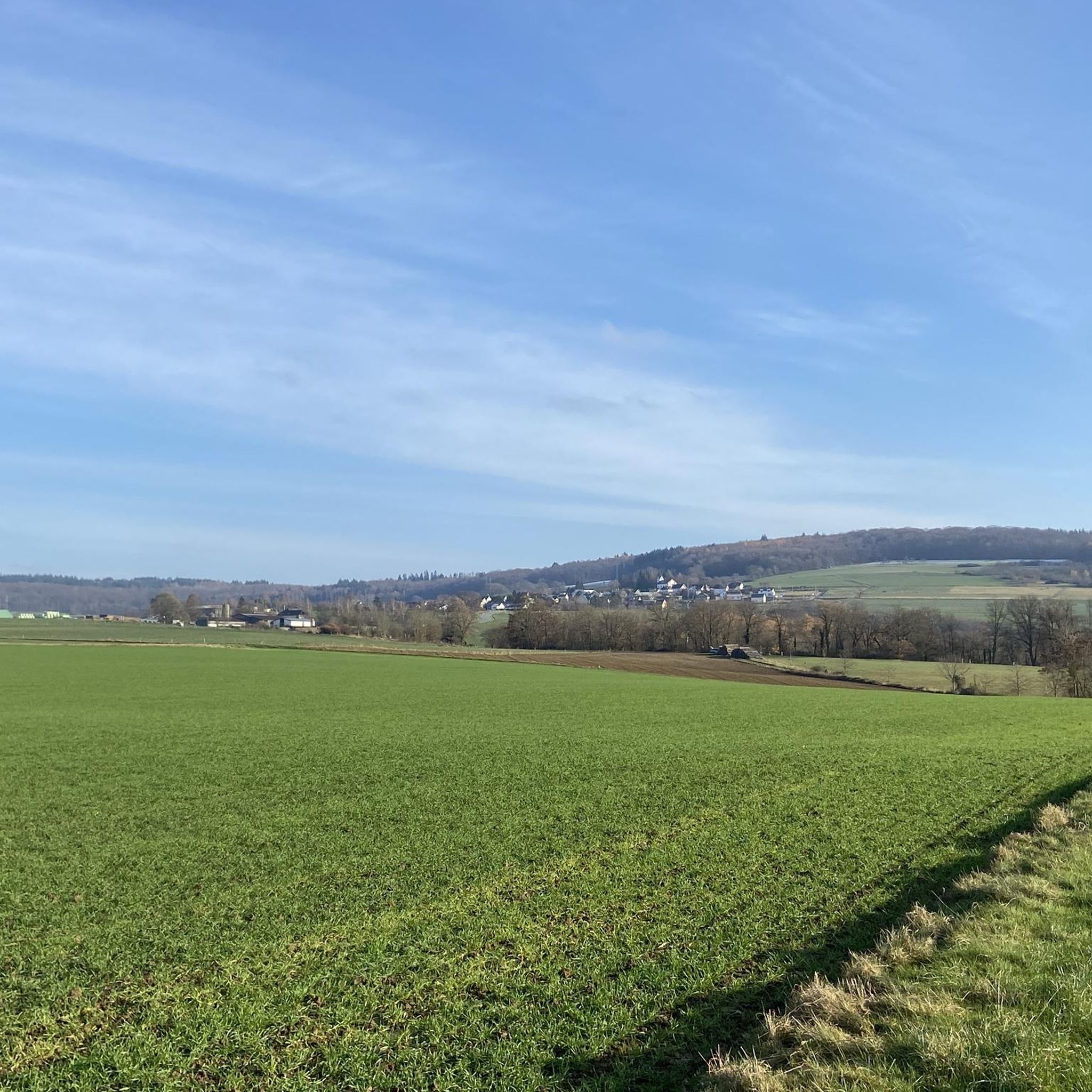
A super short but challenging trail. Highly recommended. To have a good route to continue on, it's a good idea to turn right after the uphill section.
0
0

There are many stations along the Way of the Cross.
0
0
Grotto on Allerheiligenberg.
1
0

At this point, the row of chapels that leads up the All Saints' Hill to the pilgrimage church interrupts the various decades of the rosary, and here we are shown the Madonna of Lourdes. This internationally famous Marian pilgrimage site is located in the French Pyrenees and is visited by many people every year, including many sick people who hope for healing. The devotional image of the Mother of God, as passed down by the visionary Bernadette, has found widespread popular piety - not only in France - and Lourdes chapels and grottos have been built by believers everywhere.
3
0

Even before the hiker (or pilgrim) reaches the plateau of the All Saints' Hill with the pilgrimage church, there is this grotto with a figure of the Virgin Mary and a person kneeling to the side of it. The latter is Saint Bernadette, to whom the Virgin Mary appeared in Lourdes (in the French Pyrenees) in 1858. The small town on the banks of the Pau has developed into an important Marian pilgrimage site (if you are interested, see https://www.komoot.com/de-de/highlight/4296538 ).
2
0

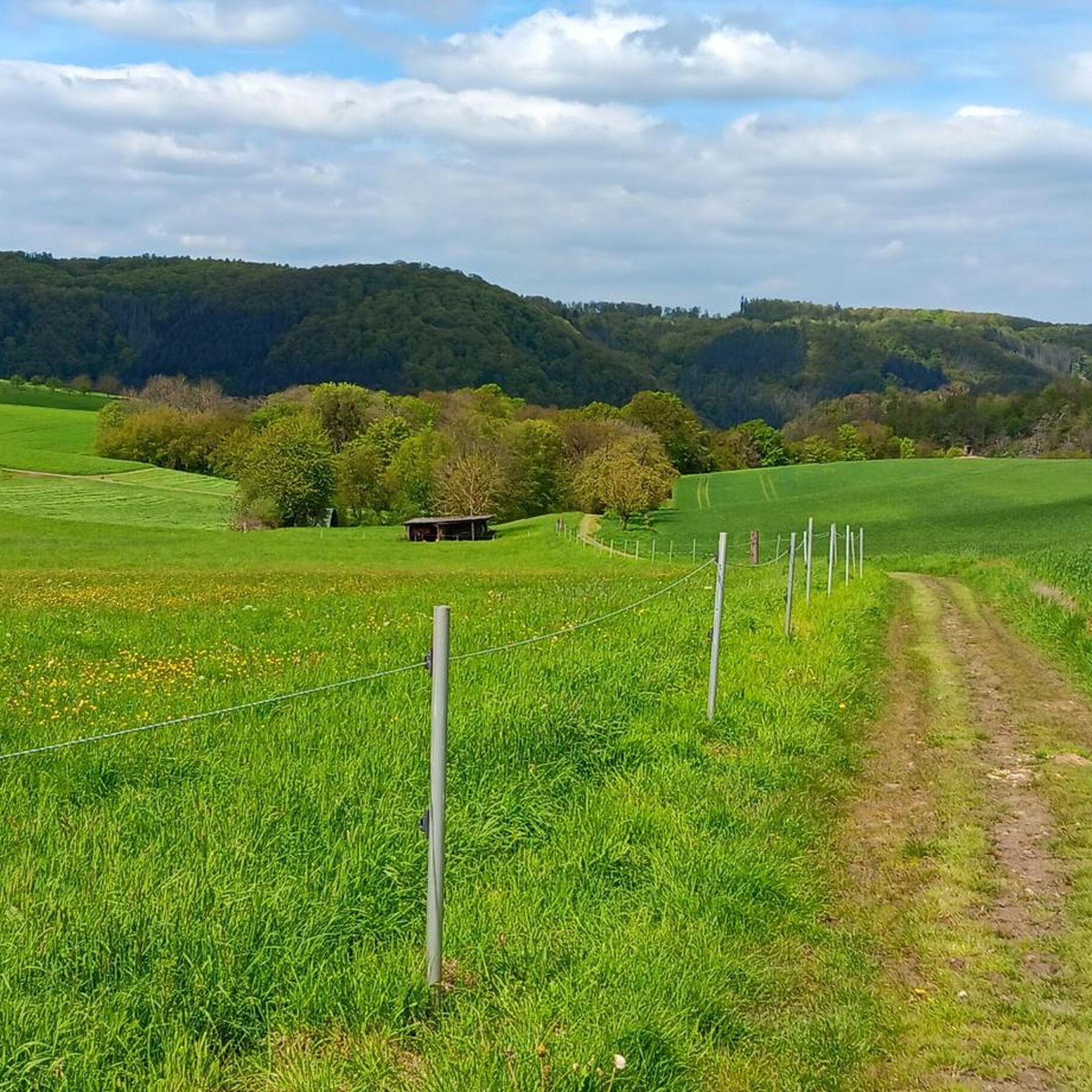
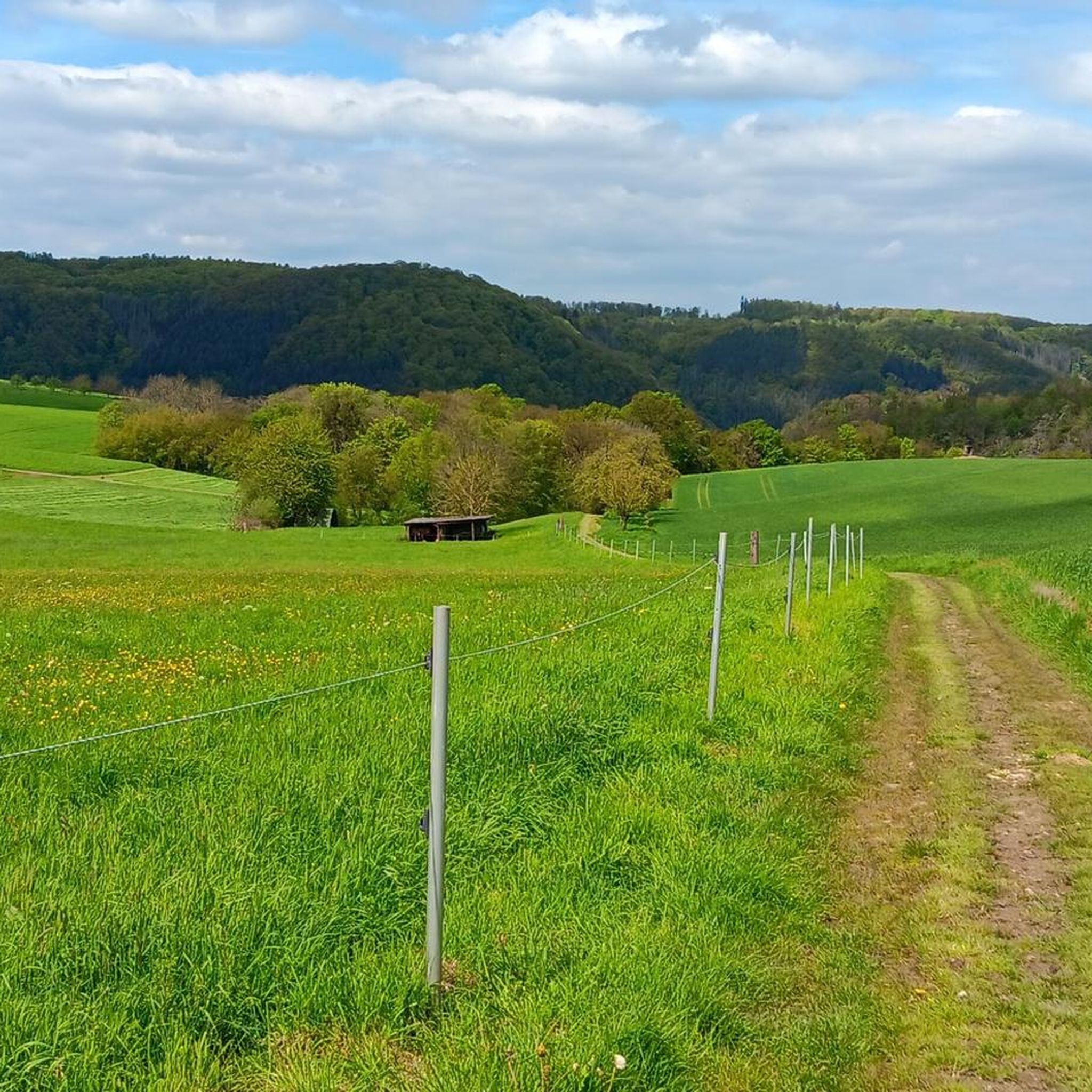
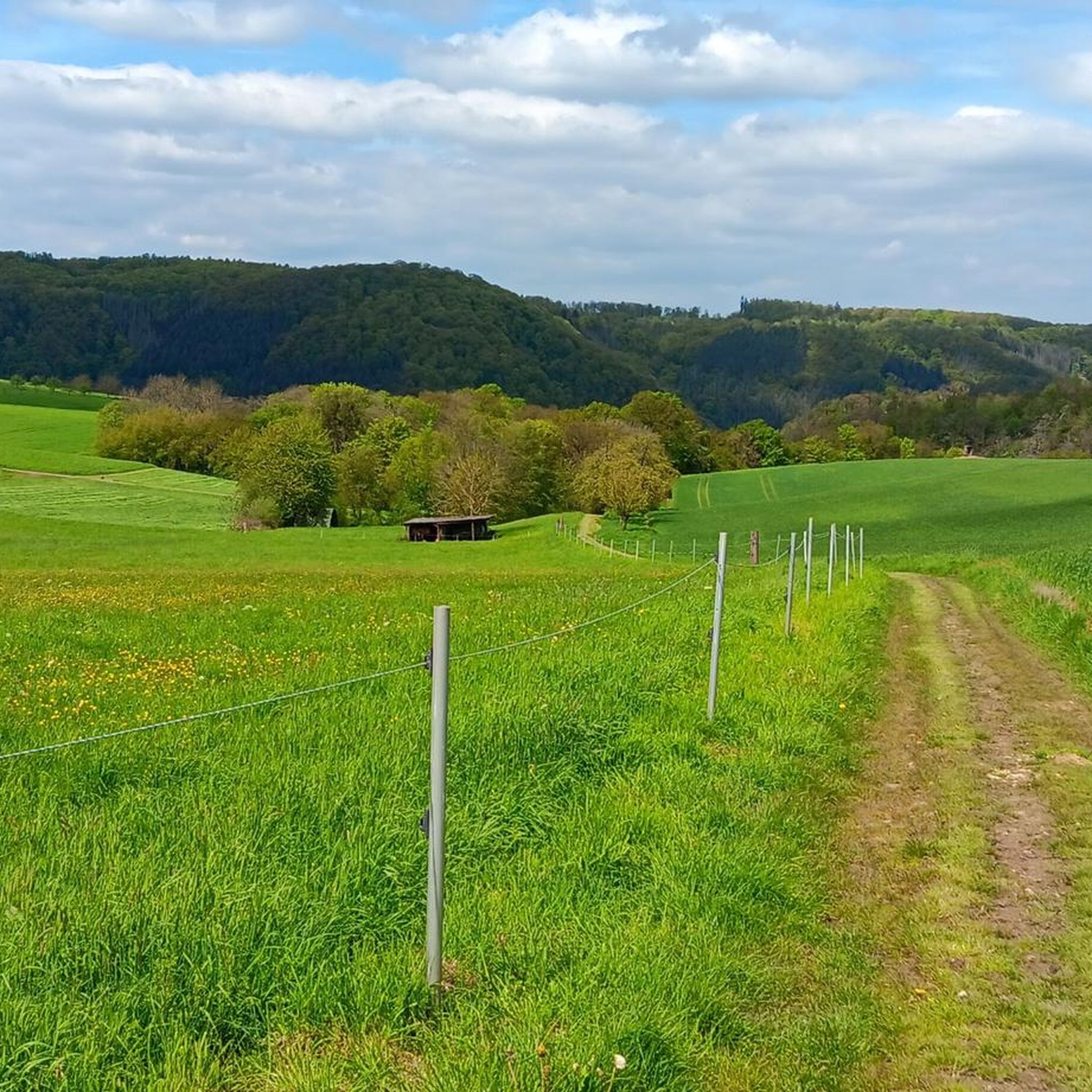
nice secluded trail for hiking.
0
0

Small but fine stollen! If you want to go in, you have to lie flat since the entrance is not 50cm high!
0
0
Frequently Asked Questions
What types of caves can be explored around Frücht?
The area around Frücht offers a variety of subterranean formations. You can explore natural karst tubes like the Heinzelmann Caves, a religious grotto such as the Lourdes Grotto (Station 10), and historical mining tunnels like the Heidekopf Mine Tunnel and the Emilie II and Concordia III Mining Tunnels.
Are there any natural caves directly within Frücht itself?
While Frücht is located in the Taunus Mountains, known for its geological features, there are no notable natural caves specifically located within the municipality of Frücht that are highlighted as significant tourist attractions. The caves mentioned in this guide are found in the surrounding region.
What historical insights do the caves around Frücht offer?
The caves around Frücht provide a glimpse into both natural history and past human activity. For instance, the Heidekopf Mine Tunnel and the Emilie II and Concordia III Mining Tunnels are remnants of the region's mining past, showcasing historical mining chambers. The Lourdes Grotto (Station 10) also reflects historical religious practices and pilgrimage.
What geological features are present in the caves near Frücht?
The Heinzelmann Caves are notable for being karst tubes, formed by the chemical dissolution of limestone. These formations indicate a geological history where groundwater levels were once higher, leading to the creation of these unique natural structures.
Are the caves around Frücht suitable for families?
The suitability for families depends on the specific cave. The Lourdes Grotto (Station 10), as a religious site, is generally accessible and family-friendly. However, historical mine tunnels like the Heidekopf Mine Tunnel can have low entrances and challenging conditions, making them less suitable for very young children or those with mobility issues.
What other outdoor activities can I combine with a visit to the caves?
The region around Frücht is excellent for various outdoor activities. You can explore extensive hiking trails, such as the scenic Schweizertal. For cycling enthusiasts, there are numerous options, including road cycling routes and general cycling tours. Running trails are also available for those looking for a jog, with options like the running trails around Frücht.
What do visitors say about the caves around Frücht?
Visitors appreciate the unique character of the caves. The Heinzelmann Caves are often described as fascinating karst tubes with entwined legends. The historical mine tunnels are noted for their authenticity and the glimpse they offer into past mining efforts, though some entrances can be challenging. The Lourdes Grotto (Station 10) is valued as a peaceful and significant religious site.
Are there any specific challenges when exploring the mine tunnels?
Yes, some historical mine tunnels, such as the Heidekopf Mine Tunnel, can present challenges. Its entrance is notably low, requiring visitors to lie flat to enter. Inside, the tunnels can be dark and narrow, with multiple mining chambers. Appropriate gear, including headlamps and sturdy footwear, is recommended.
Can I find hiking trails that lead to or near these caves?
Yes, the region around Frücht is well-known for its hiking opportunities. Many trails, including those in the scenic Schweizertal, can lead you to or near these geological and historical sites. For example, the Heinzelmann Caves are often part of popular rock paths with magnificent views.
What is the significance of the Lourdes Grotto near Frücht?
The Lourdes Grotto (Station 10) is a significant religious building and natural monument. It features a figure of the Virgin Mary and Saint Bernadette, reflecting a popular Marian pilgrimage site. It's a place of devotion and a stop along a row of chapels leading up to the All Saints' Hill pilgrimage church.
What should I wear when visiting the caves and tunnels?
When visiting the caves and tunnels, it's advisable to wear sturdy, closed-toe shoes with good grip, as surfaces can be uneven or slippery. For mine tunnels, a headlamp or flashlight is essential due to the lack of natural light. Depending on the cave, layers of clothing might be beneficial as temperatures inside can be cooler than outside.
Most popular attractions around Frücht

Get inspired with the komoot mobile app


Explore more
Extend your search for the best caves by checking out these guides of the top ones around Frücht:
