The 3 Most Amazing Peaks around Langfurth
Best mountain peaks around Langfurth offer diverse landscapes and geological formations in Bavaria, Germany. This region, situated in the Ansbach district, provides access to notable mountain peaks that rise prominently from the surrounding plains. The area is characterized by its distinctive witness mountains, showcasing ancient geological history and unique natural monuments. Langfurth offers opportunities for exploring panoramic viewpoints and engaging in various outdoor activities.
Best mountain peaks around Langfurth
- The most popular mountain peaks is Hesselberg Summit, a summit…
Last updated: June 26, 2026
Hesselberg Summit
Highlight • Summit
Translated by Google •
Tip by

Hesselberg Landscape Protection Area
Highlight • Natural Monument
Biotope
Geotope
designated 1985, with a size of 1475.5ha
BIOTOP Hesselberg:
The Hesselberg is a retreat for numerous rare and protected plant and animal species. Due …
Translated by Google •
Tip by

Sign up now to discover places like this
Get recommendations on the best single tracks, peaks, & plenty of other exciting outdoor places.
Sign up for free
Ascent from Gerolfingen to Hesselberg
Highlight (Segment) • Climb
Translated by Google •
Tip by

View from Hesselberg
Highlight • Viewpoint
Translated by Google •
Tip by

Forest Trail in Middle Franconia
Highlight (Segment) • Trail
Translated by Google •
Tip by
Start today with a free account
Your next adventure awaits.
Login or Signup
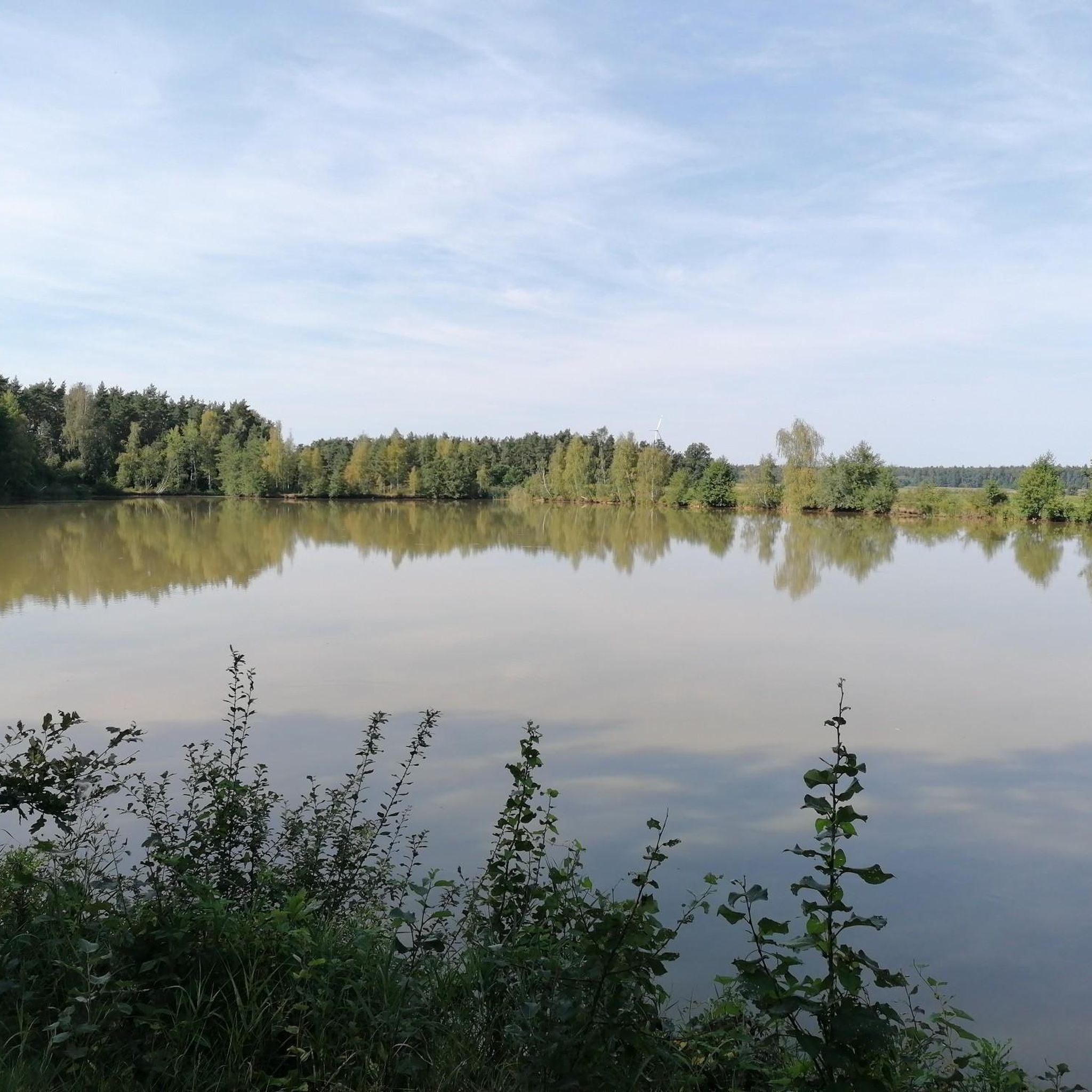
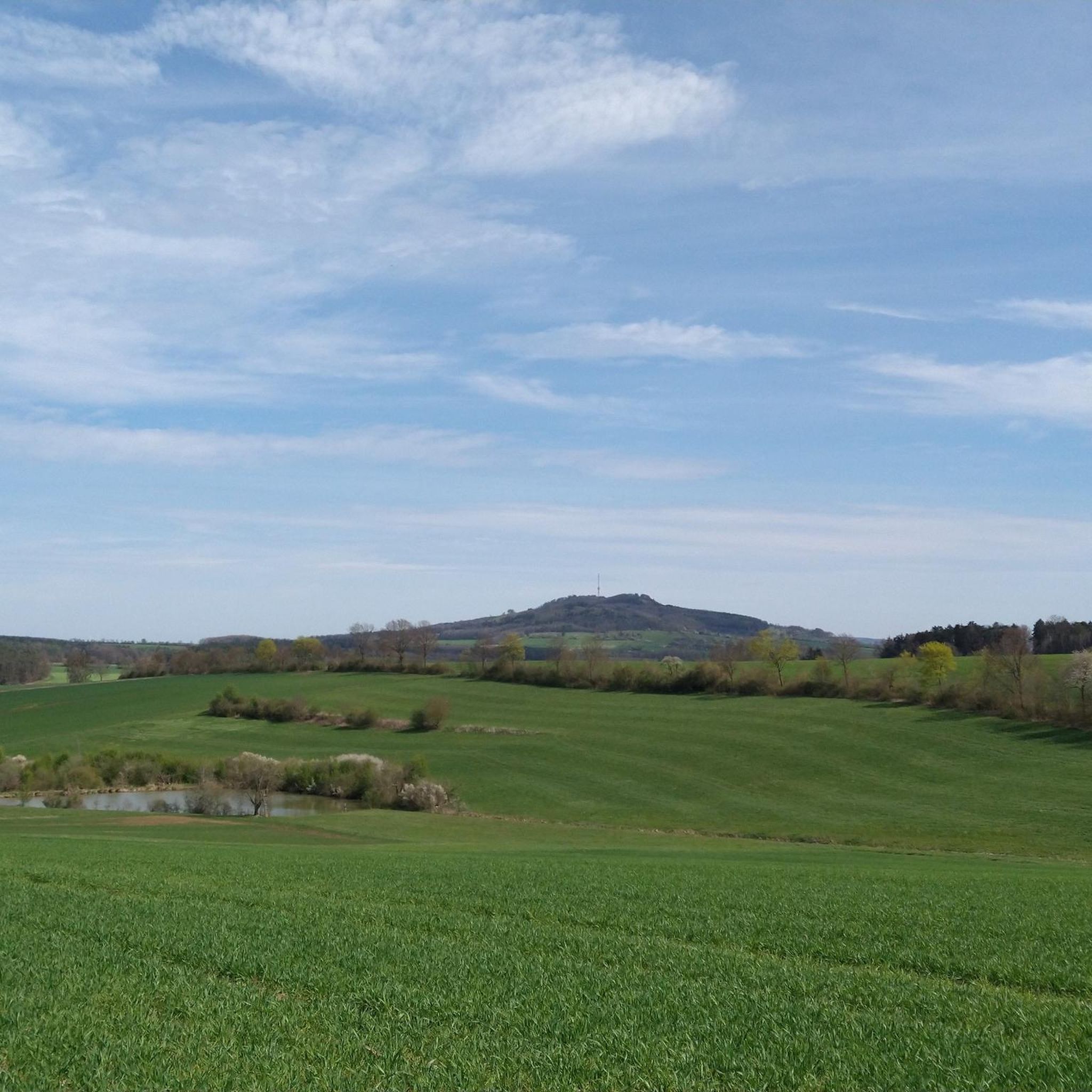
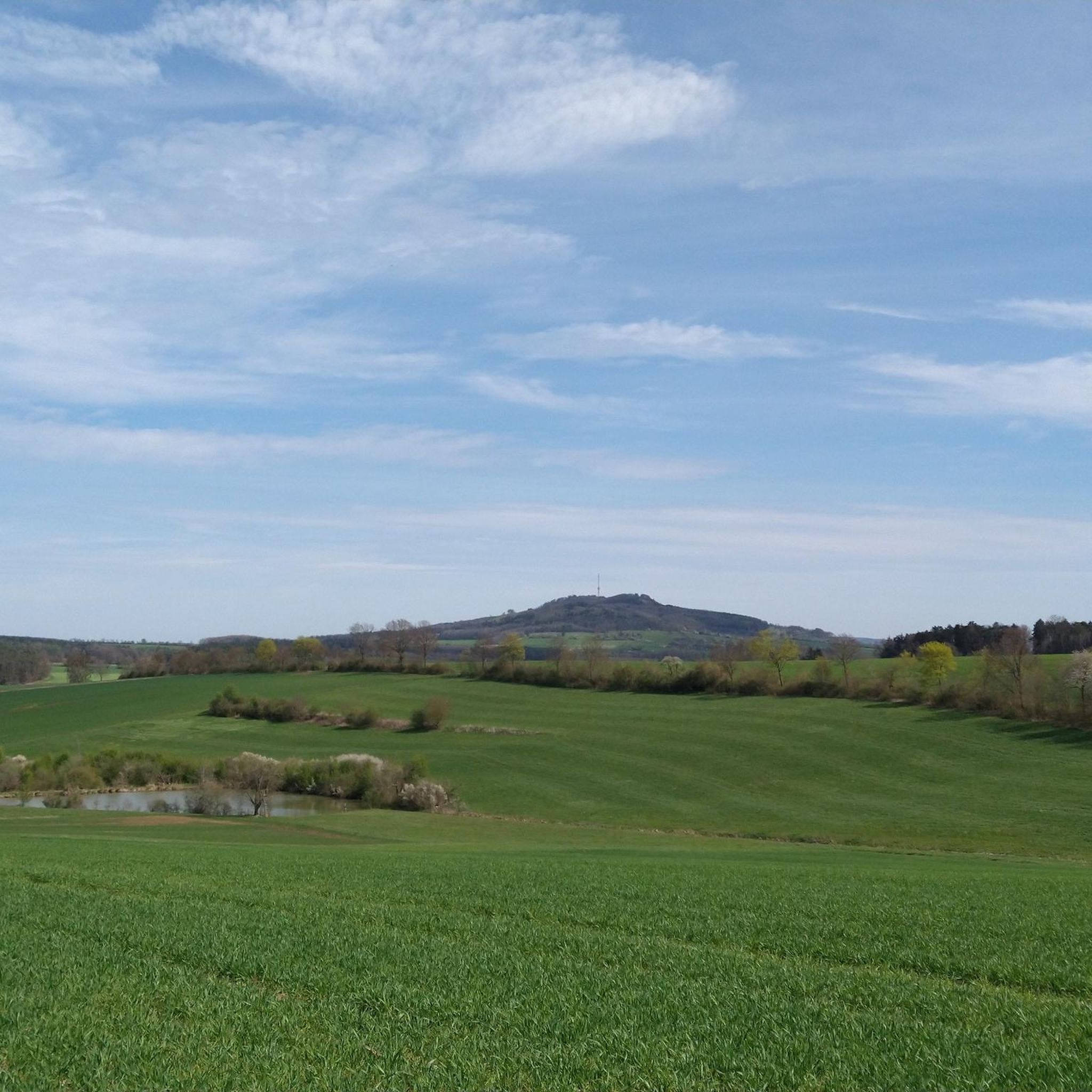
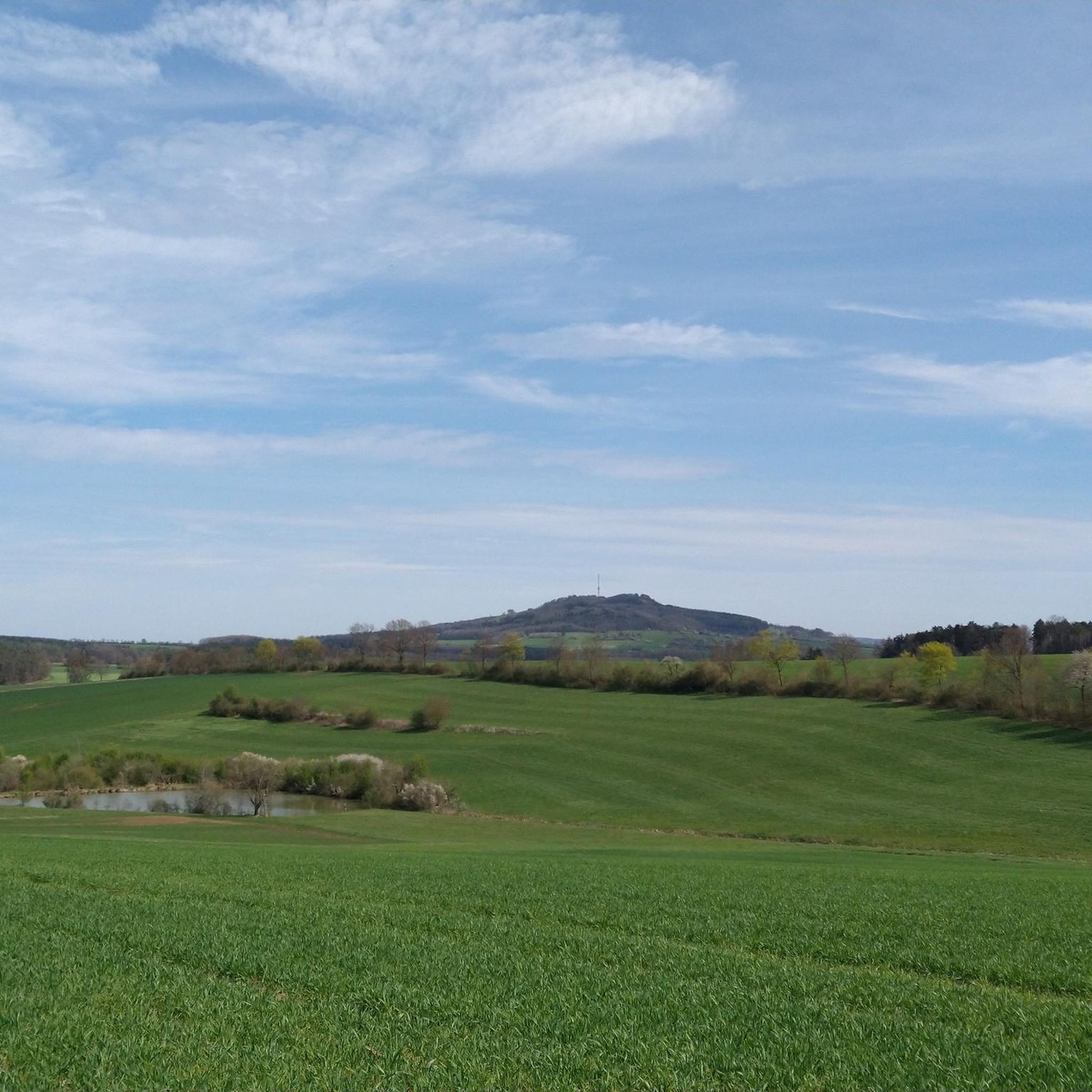
Tips from the Community

The gradient is quite even and without ramps
4
0

approx. 40m uphill and back down again! 😍🥰😘
0
0


You have to walk the last 50 meters up to the summit or summit cross. The paved road ends at the Hesselberg kiosk.
1
0
On weekends, when the weather is nice, there are often lively excursions. If you want to have a clear path for the descent, it is better to head for the Hesselberg during the week.
4
0

Funny that the Hesselberg on Komoot is 41 meters higher.
1
0

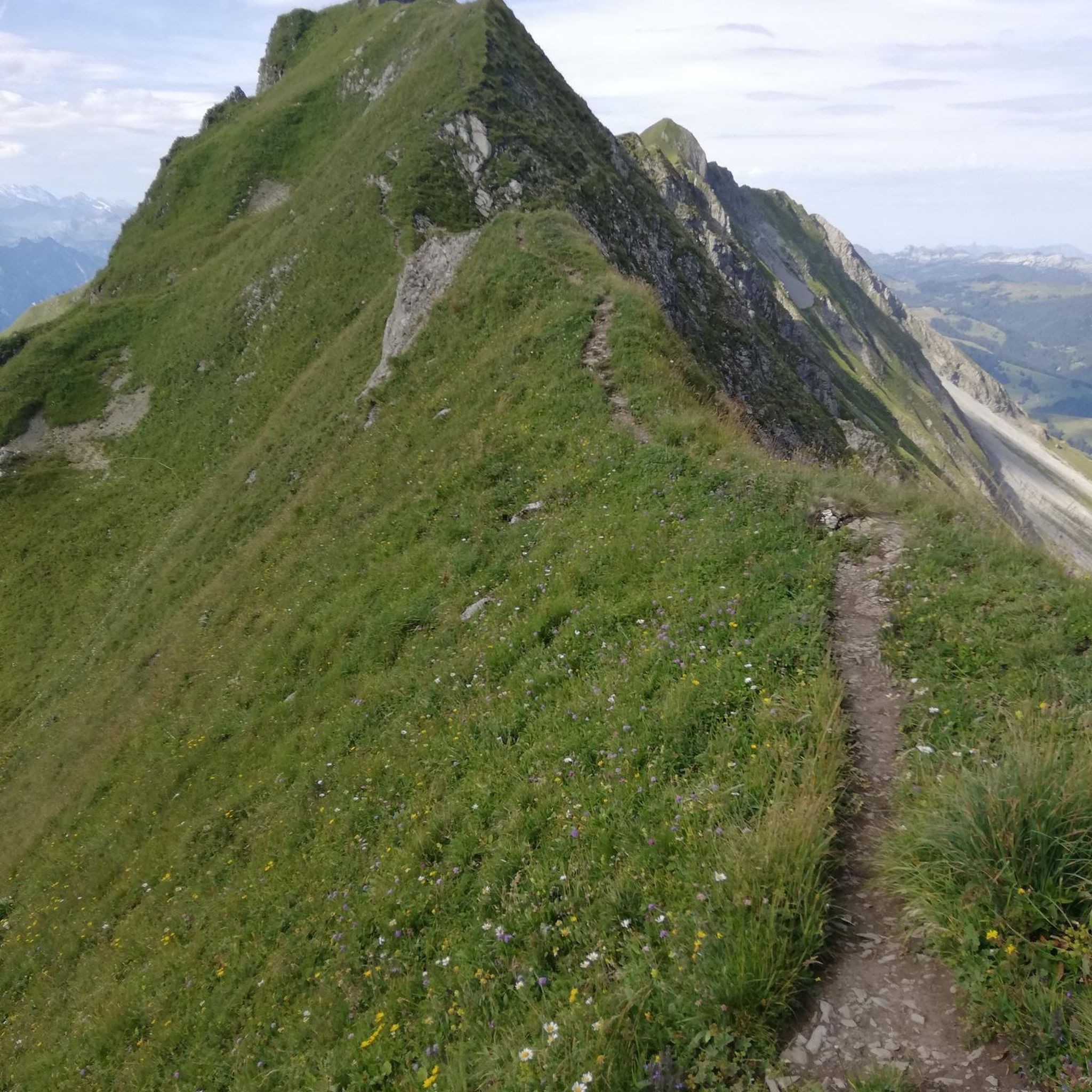
Forest-free ridge with great trails and great views
1
0

As a witness mountain (a single mountain in a layered landscape) of the Franconian Jura, the Hesselberg is geologically closely related to the Staffelberg (Lichtenfels district) or the Walberla (Forchheim district). The Hesselberg also has a Nazi past, like so many other things. During the Nazi era, the Franconian Gauleiter Julius Streicher made the Hesselberg a political meeting place for the National Socialists. After the NSDAP came to power, party rallies developed into the Franconian Days, which were held annually until 1939. Alongside the Nuremberg Party Rallies, these were the largest Nazi rallies in Franconia, with up to 100,000 people in attendance. Evidence from this period can no longer be found on the Hesselberg today. Since 1951, the Hesselberg has been in church hands and is, among other things, the venue for the Bavarian Evangelical Church Congress.
10
0
Frequently Asked Questions
What are the most popular mountain peaks around Langfurth?
The most popular peak in the area is the Hesselberg Summit. It is the highest elevation in Central Franconia and offers extensive panoramic views. Another highly regarded spot is the Hesselberg Landscape Protection Area, known for its unique geology and diverse plant and animal species.
What natural features can I expect to see on the Hesselberg?
The Hesselberg is a distinctive witness mountain of the Franconian Jura, rising prominently from the surrounding plains. It is a retreat for numerous rare and protected plant species like silver thistle, thyme, gentian, and pasque flower, especially within the Hesselberg Landscape Protection Area. Its slopes feature extensive dry grass and juniper heather, providing a habitat for various animals, including the rare mountain witch butterfly. The summit also offers breathtaking panoramic views that can extend into the Alps on clear days.
Are there family-friendly trails on the Hesselberg?
Yes, the Hesselberg Landscape Protection Area is designated as family-friendly. The area's trails allow families to explore the unique geology and observe rare plant and animal species in a natural setting. The general appeal of the Hesselberg as a destination for various visitors suggests suitable paths for different activity levels.
What kind of views can I expect from the Hesselberg Summit?
From the Hesselberg Summit, you can expect magnificent panoramic views. As the highest elevation in Central Franconia, it offers expansive vistas that, on good weather days, can stretch far into the Alps. Visitors often describe the view as spectacular, comparing the mountain's rise from the plain to Kilimanjaro.
What outdoor activities can I do near the Hesselberg?
Beyond hiking, the Hesselberg area is popular for various outdoor activities. You can find excellent conditions for paragliding, hang gliding, and gliding. For cyclists, there are challenging ascents like the Ascent from Gerolfingen to Hesselberg. The region also offers gravel biking and general cycling routes. For more options, explore the gravel biking guide or the cycling guide around Langfurth.
Are there hiking trails near the Hesselberg?
Yes, hiking is very popular around the Hesselberg. There are numerous trails suitable for various skill levels. For example, you can find easy routes like the 'Swan in Waschweier – Wind Turbine in the Forest loop from Langfurth' or moderate options such as the 'Kappelbuck Nature Experience – Orchard meadows at Kapfenbuche loop from Burk'. You can find more details and routes in the hiking guide around Langfurth.
What is the geological significance of the Hesselberg?
The Hesselberg is a significant geotope, named one of 'Bavaria's most beautiful geotopes' by the Bavarian State Office for the Environment. It is a witness mountain of the Franconian Jura, meaning its summit of Malm limestone is a remnant of a formerly much larger plateau. Its origin is due to its special location in a shallow tectonic basin and the phenomenon of 'relief reversal,' where rocks within the hollow remained protected while surrounding areas eroded. The Hesselberg includes the entire layered spatula from the Lias to the Malm, with sedimentary rocks formed in the Jurassic Sea, making it older than the Alps.
What is the best time to visit the Hesselberg for hiking?
While specific seasonal recommendations are not detailed, the Hesselberg offers fantastic views in good weather, making spring, summer, and autumn ideal for hiking. The presence of blooming meadows and diverse plant life suggests pleasant conditions during warmer months. The area is also known for winter sports at its base, implying year-round accessibility, though conditions for hiking may vary.
What historical context is associated with the Hesselberg?
The Hesselberg has a notable historical past. During the Nazi era, it was a significant political meeting place for the National Socialists, hosting the Franconian Days rallies with up to 100,000 attendees until 1939. Since 1951, the Hesselberg has been under church ownership and serves as a venue for events like the Bavarian Evangelical Church Congress. While evidence from the Nazi period is no longer found on the mountain today, this history is part of its unique story.
Are there any unique traditions or features on the Hesselberg?
While the guide data focuses on Hesselberg, the broader region of Langfurth (Bavarian Forest context) has unique traditions like the 'Du-Stein' on Brotjacklriegel, where hikers traditionally switch from formal 'Sie' to informal 'Du' when addressing each other upon reaching the 1000-meter elevation. The Hesselberg itself is known for its role as a witness mountain and its rich geological history.
What do visitors enjoy most about the Hesselberg?
Visitors particularly enjoy the fantastic panoramic views from the Hesselberg Summit, often describing them as breathtaking and extending into the Alps on clear days. The unique geological formations and the rich biodiversity of the Hesselberg Landscape Protection Area are also highly appreciated. Many find the ascent, whether by foot or bike, to be a rewarding experience, offering a great sense of accomplishment and beautiful scenery.
How accessible is the Hesselberg by road?
The road leading up to the Hesselberg is described as a dead end, but it is well-maintained and offers good road surface. While it might be a bit strenuous for cyclists, the effort is rewarded with beautiful views at the summit. Car traffic is generally light, and the speed limit is 50 km/h, making for a relatively peaceful ascent.
Most popular routes around Langfurth
Most popular attractions around Langfurth

Get inspired with the komoot mobile app


Explore more
See even more amazing summits around Langfurth with these guides:
