Top 4 Caves around Ransbach-Baumbach
Caves around Ransbach-Baumbach are primarily associated with historical industrial activity rather than natural geological formations. The region is known for its ceramics industry, and underground spaces often include remnants of clay mining, such as bell shafts. While these are not natural caves, they represent unique underground features in the area. For natural caves, visitors typically need to explore further afield, as the local geology of Ransbach-Baumbach does not feature extensive natural cave systems.
Best caves around Ransbach-Baumbach
- The most popular…
Last updated: June 26, 2026
Wolf Cave
Highlight • Cave
Translated by Google •
Tip by

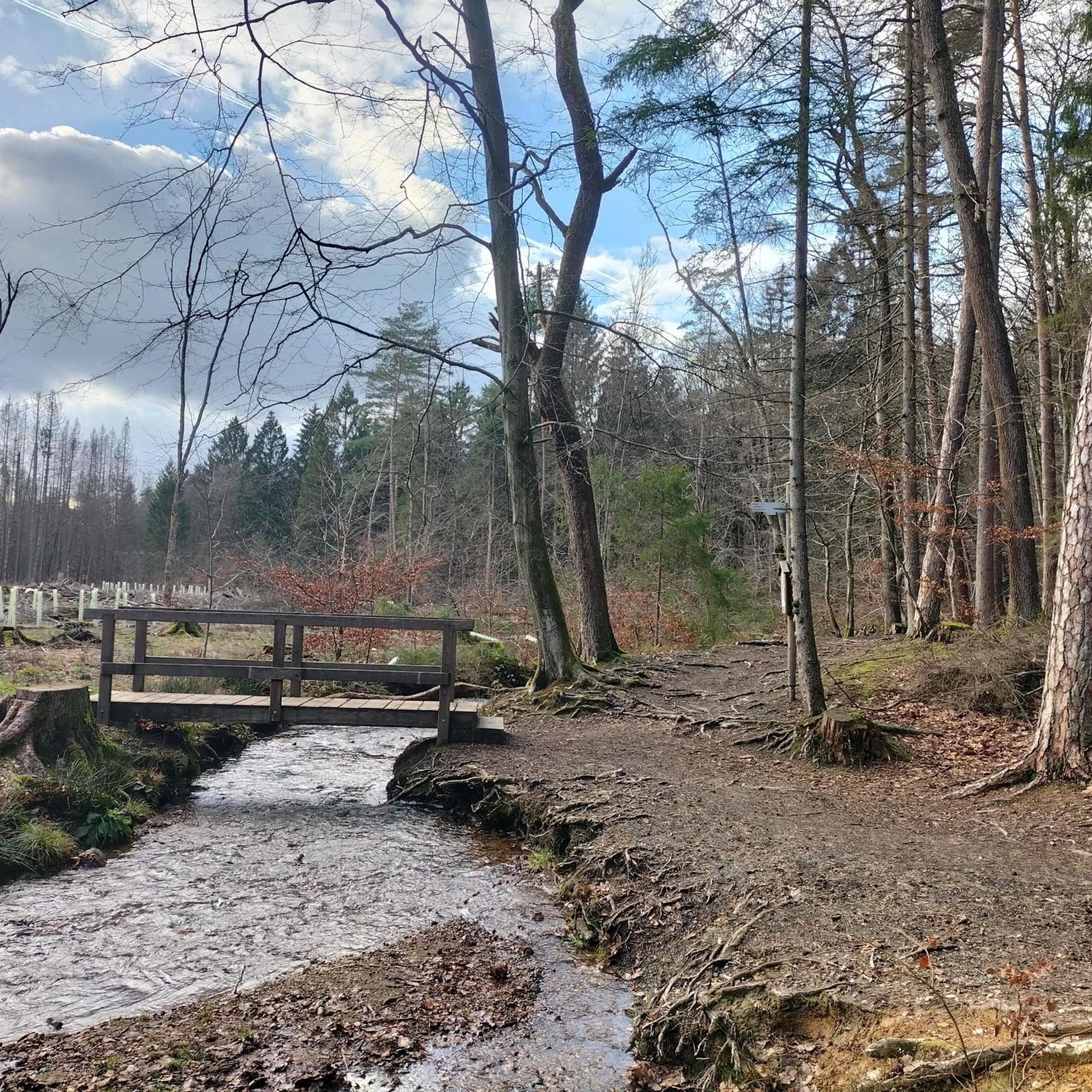
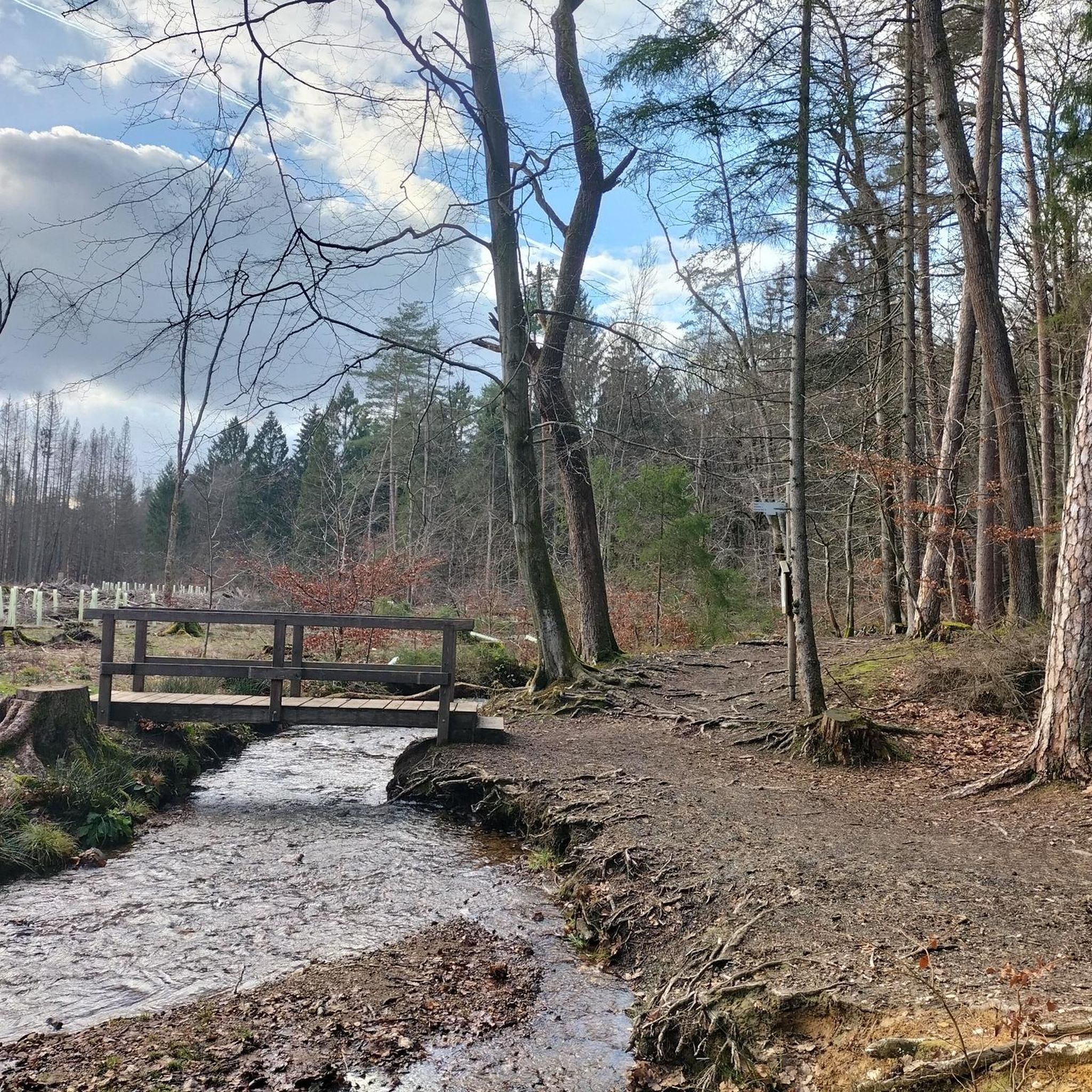
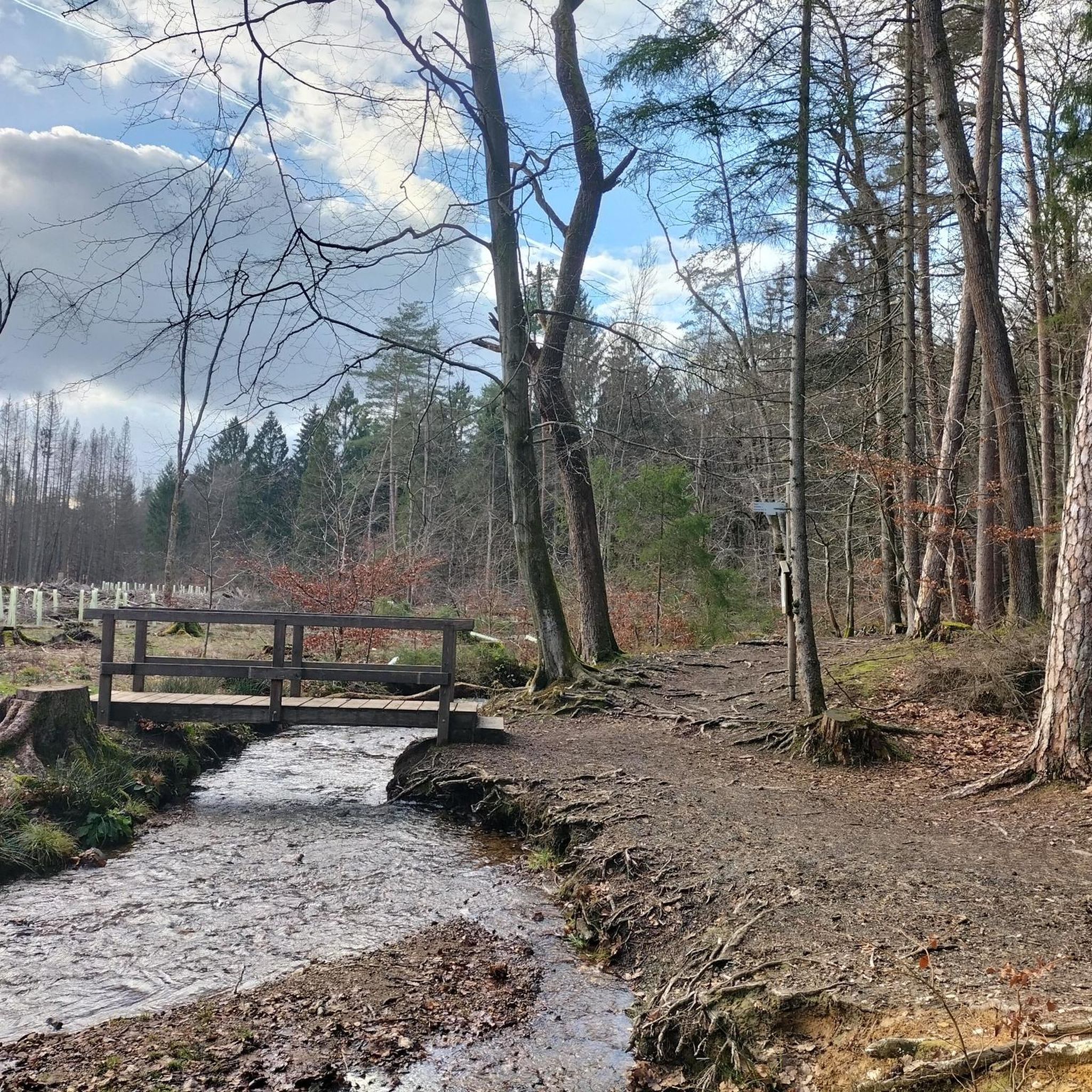
Brexbach Stream and Stone Bridges
Highlight • River
Translated by Google •
Tip by

Sign up now to discover places like this
Get recommendations on the best single tracks, peaks, & plenty of other exciting outdoor places.
Sign up for free
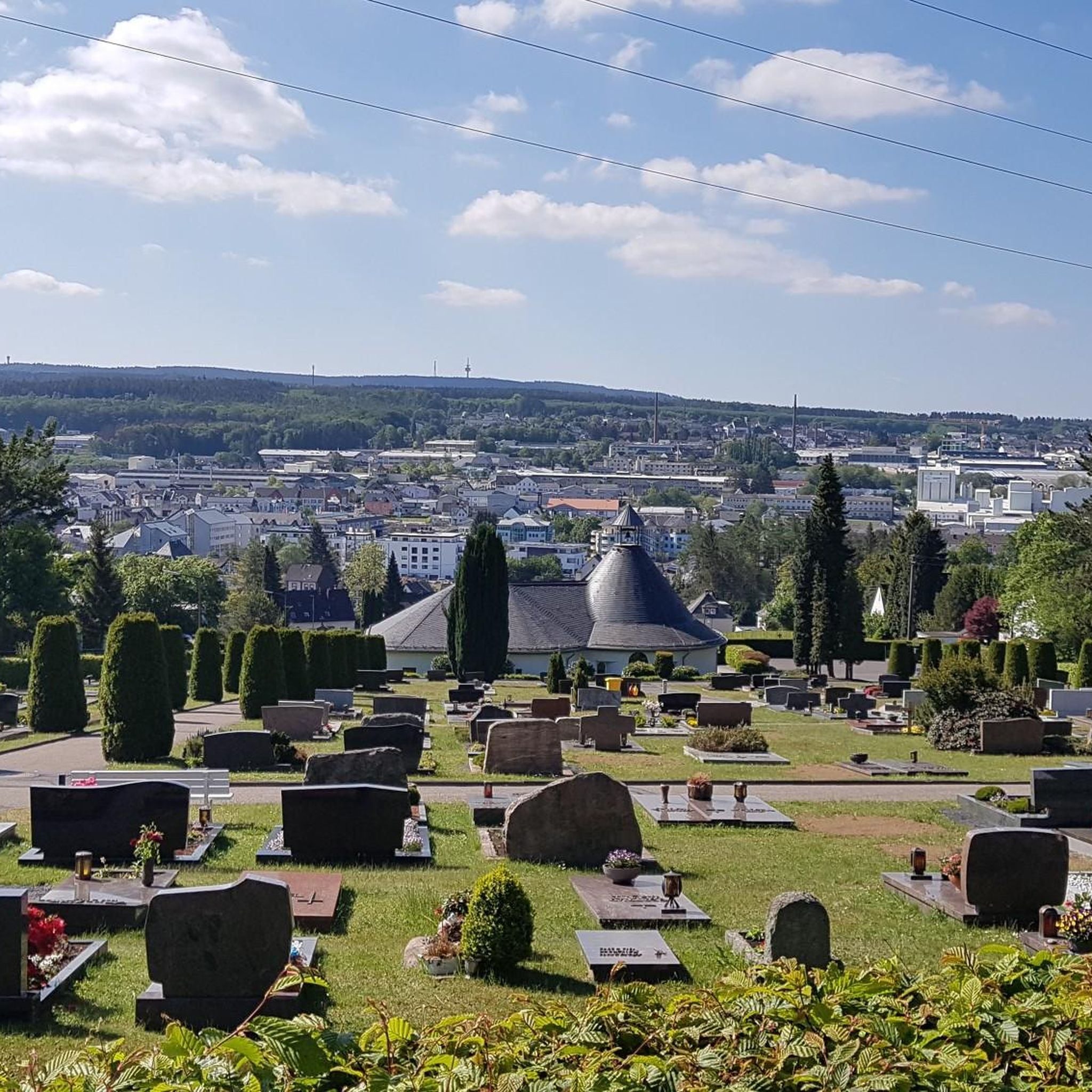
Holderbergerhof Trail
Highlight (Segment) • Trail
Translated by Google •
Tip by

Westerwald Caves
Highlight • Cave
Translated by Google •
Tip by

Former Hoffnung Mine Air-Raid Shelter and Bat Habitat
Highlight • Cave
Inaccessible because it is locked with a thick iron door.
Translated by Google •
Tip by

Start today with a free account
Your next adventure awaits.
Login or Signup
Tips from the Community

A super short but challenging trail. Highly recommended. To have a good route to continue on, it's a good idea to turn right after the uphill section.
0
0

Along the shady Brexbach stream, there are beautiful paths, bridges from an old railway line, and two accessible caves in the hillside. Don't forget your flashlight!
2
0

nice secluded trail for hiking.
0
0

Were only in the lower one, but it was already convincing. Several branches and really many meters long. It's worth it. There is no treasure, but the way is the goal
0
0

A beautiful spot with narrow paths ❤
5
0

Just wonderful on warm summer days
3
0

Brexbach ... there are great hiking trails here
3
0

This tunnel previously served as an air raid shelter. Today it serves as a bat roost. Inaccessible because it is locked with a thick iron door.
2
0
Frequently Asked Questions
What kind of 'caves' can I expect to find around Ransbach-Baumbach?
The 'caves' around Ransbach-Baumbach are primarily associated with historical industrial activity rather than natural geological formations. You'll find man-made structures like former mining shafts, historical tunnels, and air-raid shelters that have been repurposed or preserved. These offer insights into the region's history and unique underground structures.
Are there any natural caves in the Ransbach-Baumbach region?
No, the Ransbach-Baumbach region is not known for extensive natural cave systems. The local geology does not feature such formations. For natural caves, you would need to explore areas further afield.
What are bell shafts, and can I visit them?
Bell shafts are water-filled underground hollows resulting from historical clay mining in the region. While they are underground spaces, they are not natural caves. These remnants of industrial activity are generally not accessible or safe for public exploration.
What is the <a href="https://www.komoot.com/highlight/2670185" target="_blank" rel="noopener">Wolf Cave</a>?
The Wolf Cave is a man-made structure that simulates a wolf den. It's constantly being rebuilt and details how wolves use such spaces for protection and raising offspring. It's a popular spot for visitors interested in wildlife habitats.
Can I explore the <a href="https://www.komoot.com/highlight/533052" target="_blank" rel="noopener">Small Gated Cave in Nassau Conservation Area</a>?
The Small Gated Cave in Nassau Conservation Area is an inconspicuous historical tunnel located at the side of the road. While it's a notable historical site, its small size and nature as a tunnel mean it's more of a point of interest to observe rather than a cave for extensive exploration.
Is the <a href="https://www.komoot.com/highlight/1394130" target="_blank" rel="noopener">Former Hoffnung Mine Air-Raid Shelter and Bat Habitat</a> open to the public?
No, the Former Hoffnung Mine Air-Raid Shelter and Bat Habitat is not open to the public. This tunnel, which once served as an air-raid shelter, is now locked with a thick iron door to protect its current residents: bats. It serves as an important bat roost and is conserved for this purpose.
What historical insights do the 'caves' around Ransbach-Baumbach offer?
The 'caves' in the region, such as former mining shafts and air-raid shelters, provide a unique glimpse into Ransbach-Baumbach's industrial and wartime history. They highlight the area's past in clay mining and its role during historical conflicts.
Are there any family-friendly 'caves' or underground attractions in the area?
The Wolf Cave, with its focus on simulating a wolf den and explaining wolf behavior, can be an engaging and educational experience for families. Other sites are more historical or conservation-focused.
What outdoor activities can I do near these 'caves'?
The Ransbach-Baumbach area offers various outdoor activities. You can find numerous routes for hiking, gravel biking, and running. These routes often pass by natural features and viewpoints in the region.
Are there hiking trails that incorporate these 'caves'?
Yes, some hiking trails in the area may lead you near or past these unique underground features. For example, the Holderbergerhof Trail is a secluded path that offers views and is suitable for hiking, though specific cave entrances might be inconspicuous. You can find more hiking options in the Hiking around Ransbach-Baumbach guide.
What do visitors appreciate most about the 'caves' around Ransbach-Baumbach?
Visitors appreciate the unique historical context and the unexpected nature of these underground features. The Wolf Cave is noted for its educational aspect, while the Small Gated Cave is seen as an interesting historical detail to discover. The Former Hoffnung Mine Air-Raid Shelter is valued for its conservation efforts as a bat habitat.
When is the best time to visit the Ransbach-Baumbach area for outdoor activities?
The Ransbach-Baumbach area is generally pleasant for outdoor activities during spring, summer, and autumn. These seasons offer favorable weather for hiking, gravel biking, and running, allowing you to comfortably explore the region's trails and points of interest.
Most popular routes around Ransbach-Baumbach
Most popular attractions around Ransbach-Baumbach

Get inspired with the komoot mobile app


Explore more
Extend your search for the best caves by checking out these guides of the top ones around Ransbach-Baumbach:
