Top 5 Caves around Hemsbach
Best caves around Hemsbach are primarily historical mining sites and man-made tunnels located in the Odenwald foothills. The region, part of the Bergstraße, features geological formations that historically supported lead and silver mining. These subterranean structures offer insights into the area's industrial past. Visitors can explore these unique historical sites, which are often categorized as caves due to their underground nature.
Best caves around Hemsbach
- The most popular caves is Grube Marie in der Kohlbach — Visitor Mine, a…
Last updated: May 14, 2026
Grube Marie in der Kohlbach — Visitor Mine
Highlight • Structure
Translated by Google •
Tip by

Hülfe Gottes Mine
Highlight • Historical Site
Translated by Google •
Tip by

Sign up now to discover places like this
Get recommendations on the best single tracks, peaks, & plenty of other exciting outdoor places.
Sign up for free
Cave Entrance and Earth Cellar at Lindenstein
Highlight • Cave
Translated by Google •
Tip by

Beltzhohl Tunnel Großsachsen
Highlight • Cave
Translated by Google •
Tip by

Start today with a free account
Your next adventure awaits.
Login or Signup
Popular around Hemsbach
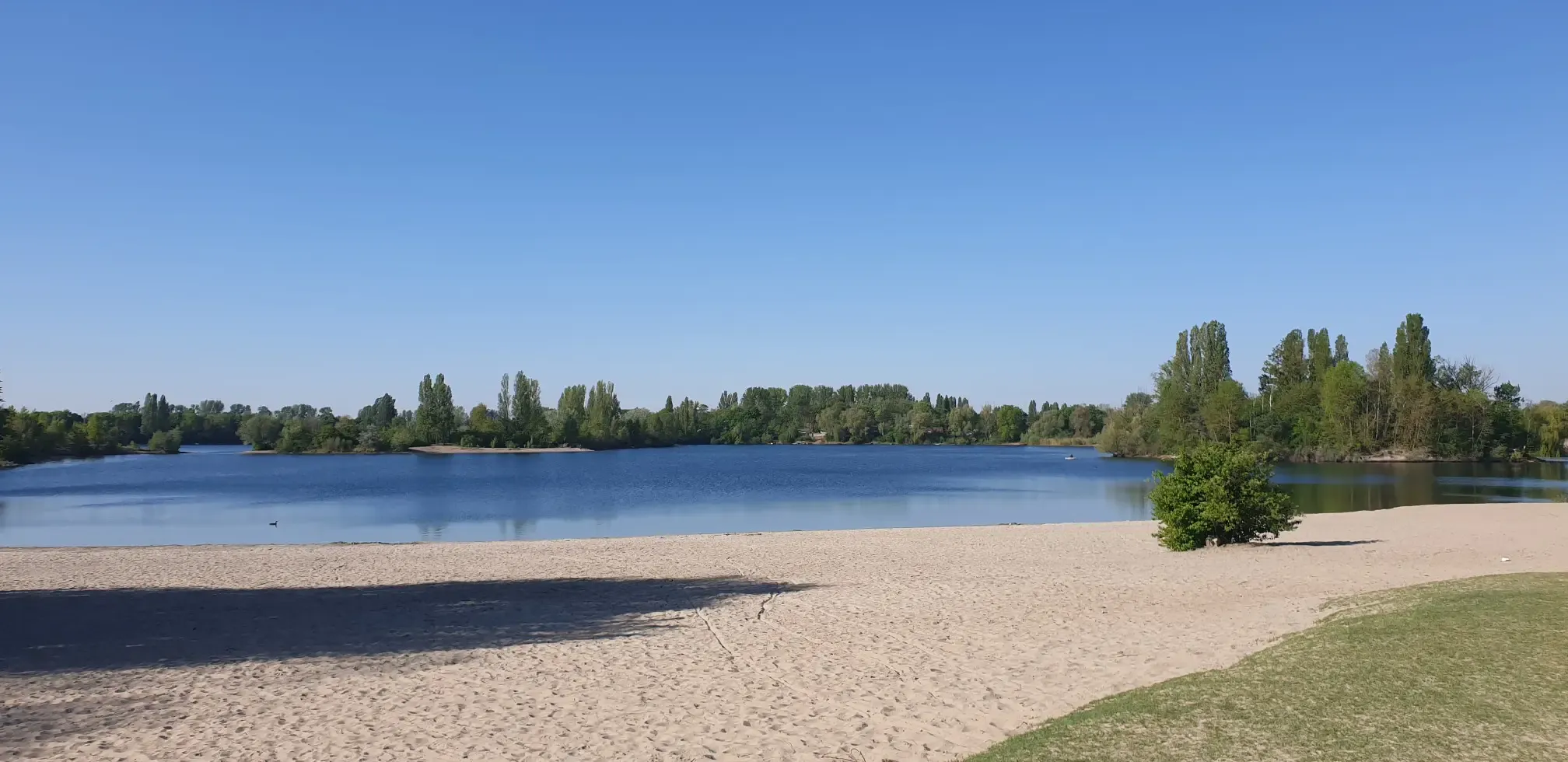
Jump right in! Swimming lakes in the Rhine-Neckar Triangle
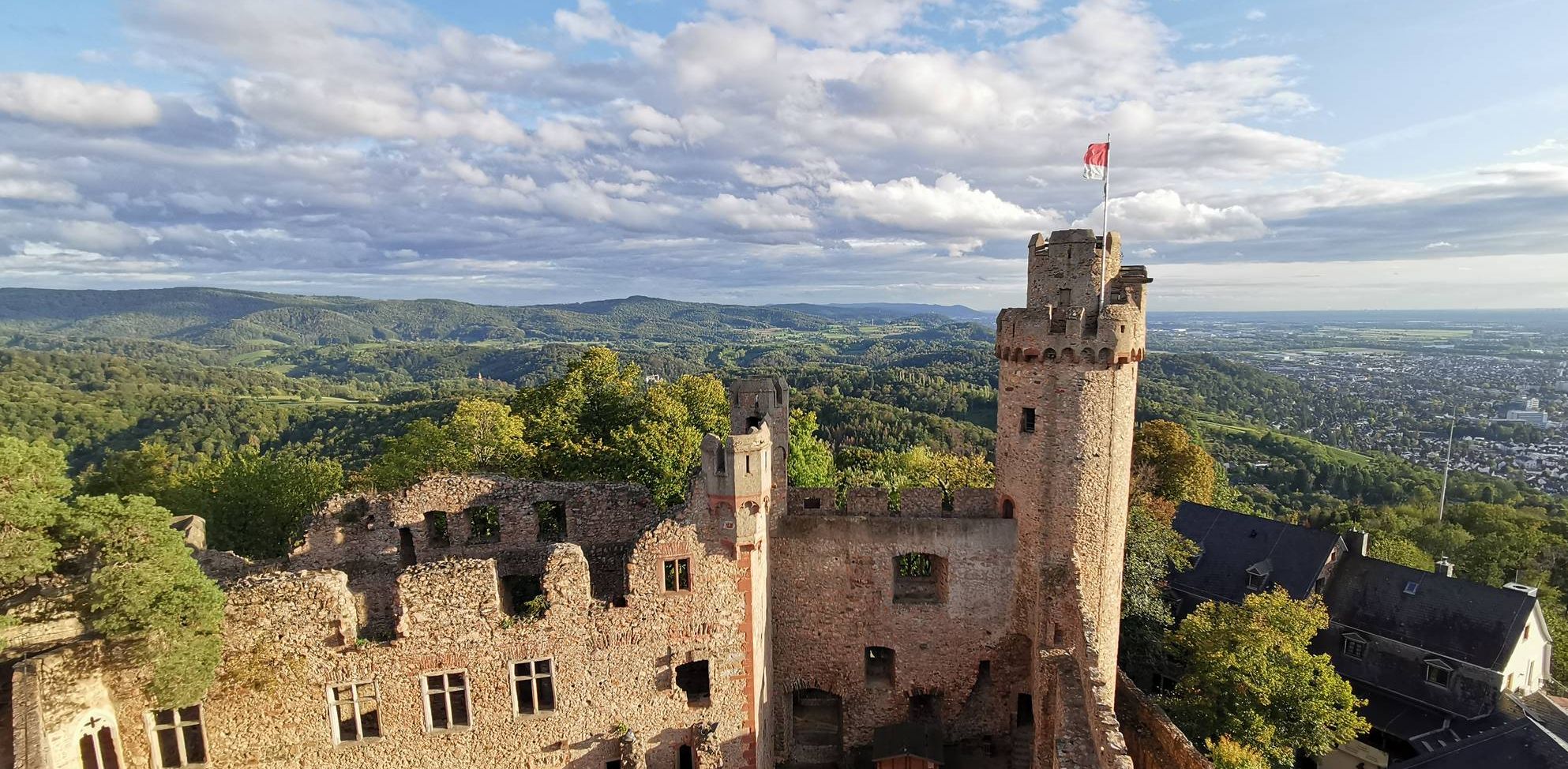
Burgensteig Bergstraße – In the footsteps of knights, hiking in 9 stages
BahnWandern im Naturpark Neckartal-Odenwald
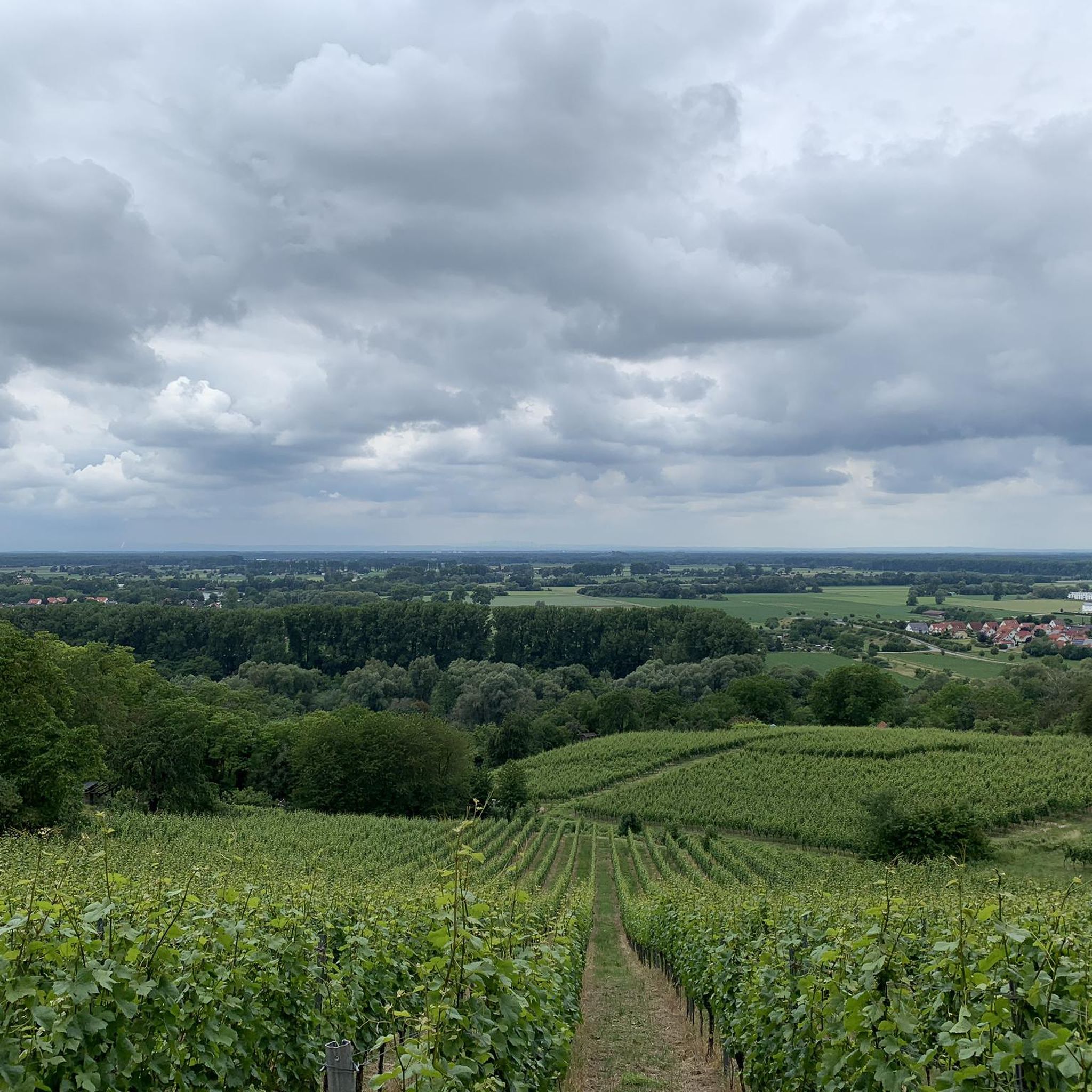
Hiking around Hemsbach
Cycling around Hemsbach
Running Trails around Hemsbach
Road Cycling Routes around Hemsbach
MTB Trails around Hemsbach
Gravel biking around Hemsbach
Mountain Hikes around Hemsbach
Other adventures around Hemsbach


Tips from the Community

Supposedly an exploration tunnel, its origins are apparently unclear. It was probably used to search for lead and silver and existed as early as 1779. Its origins are thought to date back to the 16th century. Its entrance is located at the beginning of a ravine above Großsachsen.
1
0

Very interesting piece of history, and wonderfully explained on the signs :)
1
0

The Hülfe Gottes mine is located directly on the road. The entrance to the dark tunnel is closed off by a steel gate.
2
1

The mine is not open to the public. However, a look through the gate into the tunnel gives an interesting insight. It is best to take a headlamp or flashlight with you.
1
0

former mine with information board
4
0

Mining was carried out on the Odenwald slopes throughout the Middle Ages. Due to the special geological conditions, there were many mines between Weinheim and Schriesheim in which silver, lead and copper as well as heavy and feldspar were mined. There were 15 such mines in the Großsachsener Valley alone. In the 18th century, the Electorate of the Palatinate focused on promoting and reviving mining. In 1773, preliminary work began on the construction of the “Hülfe Gottes” mine. Further up the valley, a steelworks was built in 1778 to melt the metal - the later Klosa mill. However, the “Zur Hülfe Gottes” mine and steelworks had to be closed in 1783 and 1787 respectively due to lack of profitability. Source: https://www.hirschberg-bergstrasse.de/freizeit/historischer-ortsrundgang/grosssachsen/station-18-ausflug-zum-bergwerk-huelfe-gottes
6
0

The cellar is possibly related to the remains of the wall of the "Heppenheimer Hütte" on the Lindenstein. This hut was built in 1910 by the Odenwald Club and was a popular place for excursions until it was destroyed in World War II.
3
0

This former tunnel, probably silver mining, is idyllically located almost directly on the stream with signs.
0
0
Frequently Asked Questions
What kind of caves can I expect to find around Hemsbach?
The caves around Hemsbach are primarily historical mining sites and man-made tunnels, rather than natural geological formations. They offer a glimpse into the region's past lead and silver mining industry in the Odenwald foothills.
Are there any natural caves with stalactites or stalagmites near Hemsbach?
Hemsbach itself is not known for natural caves with extensive stalactite or stalagmite formations. For such impressive natural caves, you would need to travel to other regions in Germany, such as the Swabian Alb, Bavaria, or the Harz Mountains.
Which historical mining sites can I visit around Hemsbach?
You can explore several historical sites, including Grube Marie in der Kohlbach — Visitor Mine, which offers guided tours by prior arrangement. Another significant site is Hülfe Gottes Mine, an 18th-century lead and silver extraction site, though its interior is not accessible due to bat conservation. The Beltzhohl Tunnel Großsachsen is also a historical exploration tunnel.
Can I take a guided tour of any of the caves?
Yes, guided tours are possible at Grube Marie in der Kohlbach — Visitor Mine, but they require prior arrangement. It's advisable to check their website or contact them for current availability and booking information.
Are the caves around Hemsbach suitable for families with children?
The historical mining sites can be an educational experience for families interested in history and geology. However, access and suitability may vary. For instance, the interior of Hülfe Gottes Mine is not accessible, and Grube Marie in der Kohlbach — Visitor Mine requires guided tours. Always check specific access rules before planning a family visit.
What is the best time of year to visit the caves in Hemsbach?
The best time to visit is generally outside of the winter months. Many of these former mines, such as Grube Marie in der Kohlbach — Visitor Mine and Hülfe Gottes Mine, serve as winter quarters for bats and may be closed or have restricted access during this period to protect the animals.
Are there any earth cellars or smaller cave-like structures to explore?
Yes, you can find structures like the Cave Entrance and Earth Cellar at Lindenstein. These smaller, often brick-arched underground spaces offer a different kind of historical insight, possibly related to old settlements or storage.
What outdoor activities can I combine with a visit to the caves?
The region around Hemsbach offers various outdoor activities. You can find numerous Mountain Hikes, MTB Trails, and Running Trails. These routes often pass through scenic areas of the Odenwald foothills, allowing you to enjoy the natural landscape alongside historical exploration.
What should I wear when visiting the caves or mining sites?
Even in summer, underground areas can be cool and damp. It's advisable to wear sturdy, closed-toe shoes and bring a light jacket or sweater. If you plan to explore any accessible areas, a flashlight might also be useful, though guided tours typically provide necessary lighting.
Are dogs allowed in or near the cave sites?
Policies regarding dogs can vary by specific site. While outdoor areas and trails around the mines are generally dog-friendly, access to the interior of visitor mines or historical tunnels is often restricted for safety and conservation reasons, especially where bats hibernate. It's best to check with the specific site beforehand.
What is the geological significance of the Hemsbach caves?
The geological conditions in the Bergstraße region, where Hemsbach is located, historically supported the presence of valuable minerals like lead and silver. The 'caves' in this area are primarily man-made tunnels and shafts created to extract these resources, reflecting the region's mining heritage rather than unique natural rock formations.
Are there any specific safety considerations when visiting these sites?
When visiting historical mining sites, it's important to stick to marked paths and follow any posted safety instructions. Some areas may have uneven terrain or low ceilings. For sites like Grube Marie in der Kohlbach — Visitor Mine, guided tours ensure a safe experience. Always respect closures, especially during bat hibernation periods.
Most popular routes around Hemsbach
Most popular attractions around Hemsbach

Get inspired with the komoot mobile app


Explore more
Extend your search for the best caves by checking out these guides of the top ones around Hemsbach:
