Top 19 Lakes around Eschelbronn
Lakes around Eschelbronn offer a unique blend of historical significance and natural beauty. This municipality in the Rhine-Neckar-Kreis features diverse bodies of water, from historical castle ponds to natural wetlands. The area provides opportunities for leisurely strolls, nature observation, and exploring unique geological formations. Visitors can find various hiking trails near Eschelbronn with water features.
Best lakes around Eschelbronn
- The most popular lakes is Michelsee near Aglasterhausen-Michelbach, a lake that offers recreational opportunities within a forest setting. Refurbished and…
Last updated: May 14, 2026
Linsenteich Shelter
Highlight • Mountain Hut
Recreation cabin and outdoor seats are available.
Translated by Google •
Tip by

Michelsee near Aglasterhausen-Michelbach
Highlight • Lake
Translated by Google •
Tip by

Sign up now to discover places like this
Get recommendations on the best single tracks, peaks, & plenty of other exciting outdoor places.
Sign up for free
Hinterer See Nature Reserve
Highlight • Natural Monument
Size 5.8 hectares
Brief description:
Wetland with great biological diversity, through small biotopes such as: ponds, stream banks, reed beds, large sedge meadows, tall herb corridors, wet meadows, willow breakage and hedges in the drier peripheral areas.
Translated by Google •
Tip by

Wetlands at the Ilvesbach
Highlight • Lake
Translated by Google •
Tip by

Sotten Nature Reserve
Highlight • Natural
Translated by Google •
Tip by

Sign up for free to discover even more lakes around Eschelbronn.
Sign up for free
Already have an account?
Start today with a free account
Your next adventure awaits.
Login or Signup
Tips from the Community

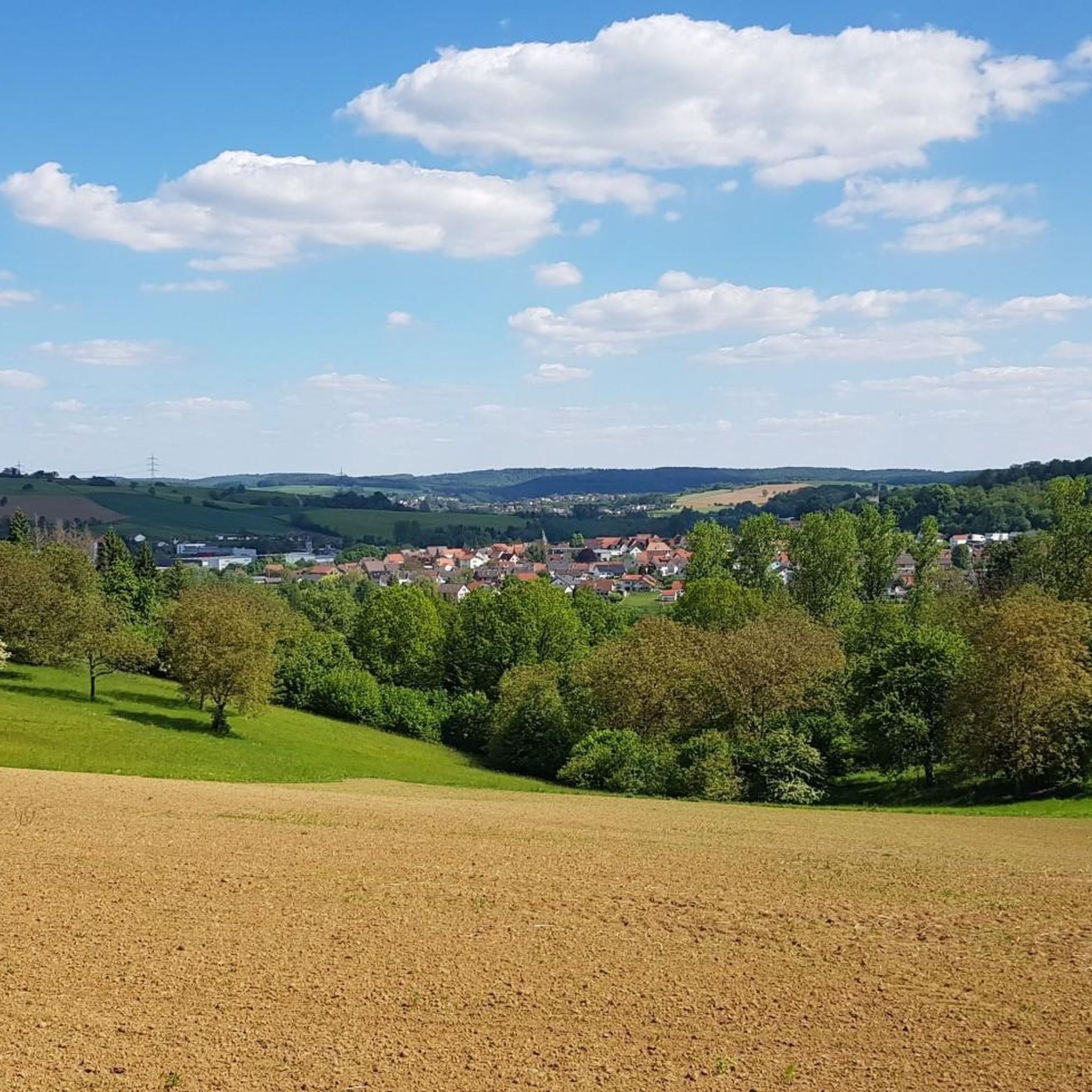
A beautiful meadow valley in the middle of the forest with small ponds in the middle.
0
0

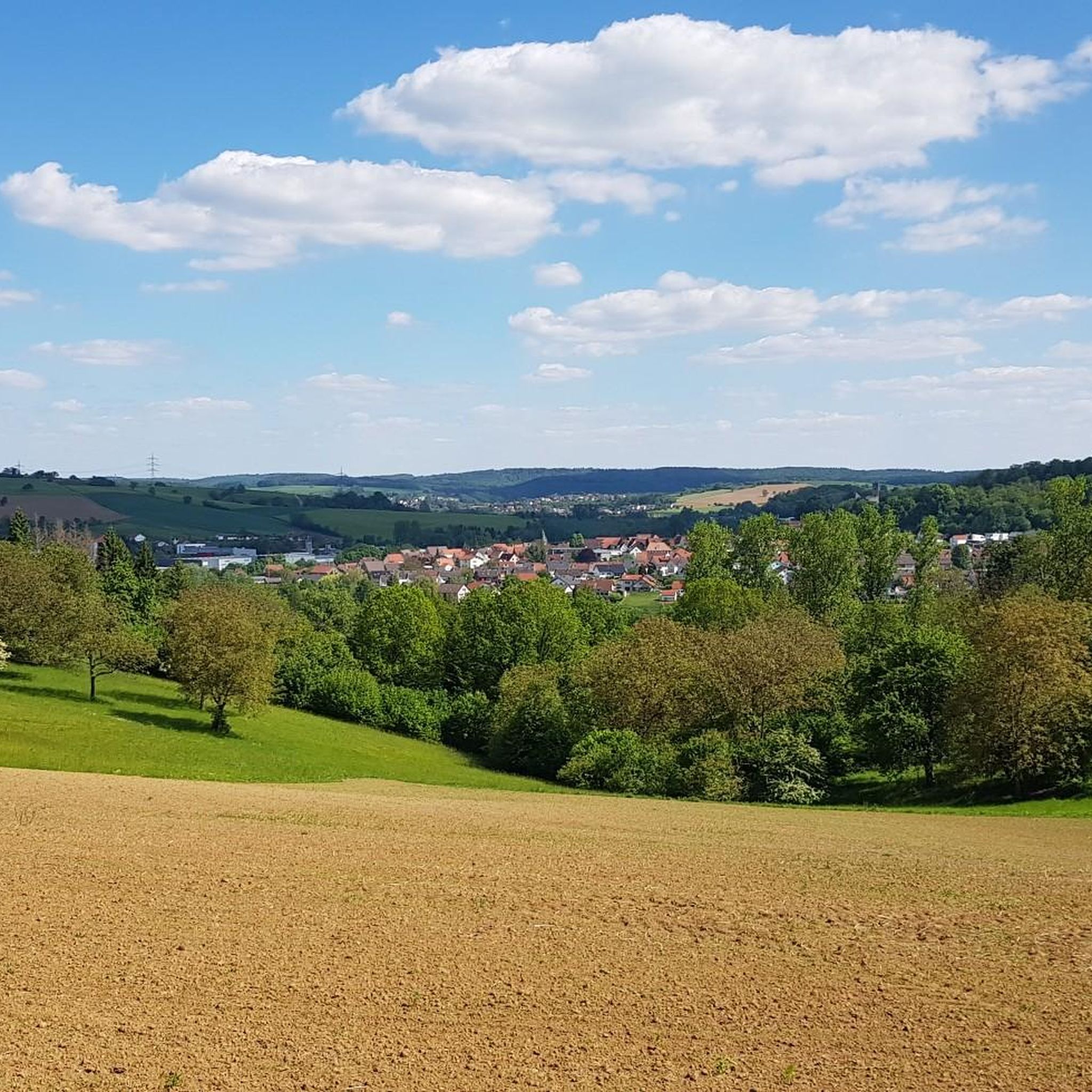
It looks like a swamp here, everything is natural. In spring you can hear an incredible number of birds here. Nature reserve.
0
0

Protected area behind the PreZero Arena
0
0

Magically situated pond, great for amphibians
0
0

Linsenteicheck-Hütte is a shelter in Baden-Württemberg. Linsenteicheck-Hütte is located close to Linsenteicheckbrunnen and Neubrunnen.
1
0

Expelled 1988 Size 5.8 hectares Brief description: Wetland with great biological diversity, through small biotopes such as: ponds, stream banks, reed beds, large sedge meadows, tall herb corridors, wet meadows, willow breakage and hedges in the drier peripheral areas. According to the ordinance, the main protective purpose of the nature reserve is “the preservation and promotion of a wetland area that is largely natural in its structure, some of which is still under development and is being ecologically upgraded through design measures. Furthermore, it is important to protect the rare biotic communities of the wet biotope and its endangered animal and plant species". The area is characterized by meadows surrounding a small forest island characterized by alder and hybrid poplar. In this grove there are several ponds and a small forest ledge swamp. In the west, the protected area is bordered by the Rittersbach and the Gaisbartgraben, which flow here in straightened stream beds. Reed stocks, large sedge reeds, tall herb meadows, unfertilized wet meadows, fertilized meadows, broken willow, poplar plots and hedges contribute to the ecological value of this area. Depending on the season, different flowering aspects prevail. In spring, the marsh marigolds shine bright yellow, and a little later the wood rushes with some types of orchids dominate the picture. Meadowsweet, yellow loosestrife and loosestrife bloom then, while stinging nettle and hogweed set the tone in midsummer aspect. Countless insects live in this mosaic of plant communities. The ponds, created just a few years ago to replace the damaged headwaters, are a magnet for many frogs, amphibians and toads. As the sanctuary offers sufficient breeding and cover opportunities as well as a rich food supply, it attracts a large number of birds from the surrounding area. (Excerpt from lubw.baden-wuerttemberg.de and Wikipedia)
1
0

Area: 38 ha Nature reserve since: 1989 Protective purpose: Preservation of a largely natural floodplain as a nationally important breeding and resting area for birds as well as ecological upgrading of the area through appropriate design measures. Particularities: The source of the Ilvesbach is in the "Great Forest" between Dühren and Weiler. It springs from 3 springs there. In the late Middle Ages there was a lake complex in the first part of the NSG on Weilerer Straße. The Rauwiesensee itself was created as a flood retention basin in 1978 as part of the land consolidation. The nature reserve ends at the motorway bridge. We find reed buntings, thorn warblers, red-backed shrikes, reed warblers and marsh warblers as special bird species. In addition, the Rauwiesensee is very important for migrants such as the very rare pond runner or stilt runner. A number of meadow plants that occur in nutrient-rich meadows such as meadowsweet, purple loosestrife and broomrape should also be mentioned. https://www.nabu-sinsheim.de/nreservate-in-sinsheim/
1
0
Due to the high nutrient input, a carpet of algae forms on the surface of the water in the Rauwiesensee during the hot summer months. This is not good. This will lead to oxygen depletion. 😒
0
0
Frequently Asked Questions
What kind of natural features can I expect around Eschelbronn's lakes?
The lakes around Eschelbronn offer diverse natural features. You can find historical castle ponds like the Schlosssee, forest lakes such as Michelsee near Aglasterhausen-Michelbach, and significant wetland areas like the Hinterer See Nature Reserve and the Wetlands at the Ilvesbach. The Naturschutzgebiet Kallenberg, a former quarry, features small ponds nestled beneath a steep rock face, creating a unique geological and ecological setting.
Are there any historically significant lakes in Eschelbronn?
Yes, the Schlosssee in Eschelbronn is historically significant. It is a distinctive, almost square, walled pond located on the former grounds of the Eschelbronn moated castle. Created during archaeological excavations in the 1970s, it directly marks the site of the old water castle, offering a glimpse into the town's past. You can learn more about its history on Wikipedia.
What wildlife can be observed near the lakes around Eschelbronn?
The lakes and surrounding areas are rich in biodiversity. At the Naturschutzgebiet Kallenberg, you can observe numerous butterfly species, various dragonflies, and amphibians like the rare Yellow-bellied toad. It also serves as a breeding ground for young eagle owls. The Hinterer See Nature Reserve is a habitat for numerous bird species and amphibians, while the Michelsee is home to various water birds and fish. The Wetlands at the Ilvesbach are nationally important breeding and resting areas for birds, including reed buntings and marsh warblers, and may even host a beaver family.
When is the best time to visit the lakes around Eschelbronn?
For nature observation, spring and summer are ideal, especially for seeing butterflies and dragonflies at the Naturschutzgebiet Kallenberg. In spring, the marsh marigolds shine bright yellow at the Hinterer See Nature Reserve. For a peaceful experience, visiting during weekdays, outside of holidays, and in the mornings is recommended to best observe wildlife.
Are there family-friendly lakes or activities around Eschelbronn?
Yes, several spots are great for families. The Michelsee near Aglasterhausen-Michelbach offers recreational opportunities within a forest setting, perfect for a walk. The Linsenteich Shelter is a pleasant glade surrounded by small ponds with outdoor seating, suitable for a rest during a family hike. Additionally, the Lingental Estate by the Lake provides gastronomic options in a scenic setting.
Can I go hiking near the lakes in Eschelbronn?
Absolutely. The region offers various hiking trails that incorporate water features. For example, you can find trails that lead past the Linsenteich Shelter and its ponds. You can explore numerous routes, including easy and moderate options, by checking out the Hiking around Eschelbronn guide.
Are there options for cycling or mountain biking near the lakes?
Yes, the area around Eschelbronn provides opportunities for both mountain biking and gravel biking. You can find routes that pass through scenic landscapes, including those near water features. For detailed routes, refer to the MTB Trails around Eschelbronn and Gravel biking around Eschelbronn guides.
Are there places to eat or rest near the lakes?
Yes, there are options for resting and dining. The Linsenteich Shelter offers a recreation cabin and outdoor seats next to small ponds, perfect for a break. The Lingental Estate by the Lake houses several gastronomic establishments with a beautiful beer garden and restaurant, though prices may be a bit higher.
What is special about the Naturschutzgebiet Kallenberg?
The Naturschutzgebiet Kallenberg near Eschelbronn is a unique nature reserve, formerly a shell limestone quarry. It features small lakes or ponds beneath a steep rock face and is a haven for biodiversity. It's particularly noted for its numerous butterfly species, dragonflies, and amphibians, including the rare Yellow-bellied toad. The rock face occasionally serves as a breeding ground for young eagle owls, making it a prime spot for nature enthusiasts and birdwatchers.
Can I go fishing in any of the lakes?
The Schlosssee in Eschelbronn has been managed by a sport fishing club since 1979, indicating its use for angling. While specific details on public access or permits are not provided, its management by a fishing club suggests it is a location where fishing activities take place.
What is the <a href="https://www.komoot.com/highlight/5374828" target="_blank" rel="noopener">Hinterer See Nature Reserve</a> known for?
The Hinterer See Nature Reserve is recognized as a wetland area with significant biological diversity. It features small biotopes, ponds, and reed beds, providing a critical habitat for numerous bird species and amphibians. It's a place where you can experience a largely natural wetland environment, with different flowering aspects prevailing depending on the season, from marsh marigolds in spring to various orchids and meadowsweet later in the year.
Most popular routes around Eschelbronn
Most popular attractions around Eschelbronn

Get inspired with the komoot mobile app


Explore more
Still not found your perfect lake around Eschelbronn? Check out the guides of these regions to see even more beautiful places.
