Top 5 Castles around Schrecksbach
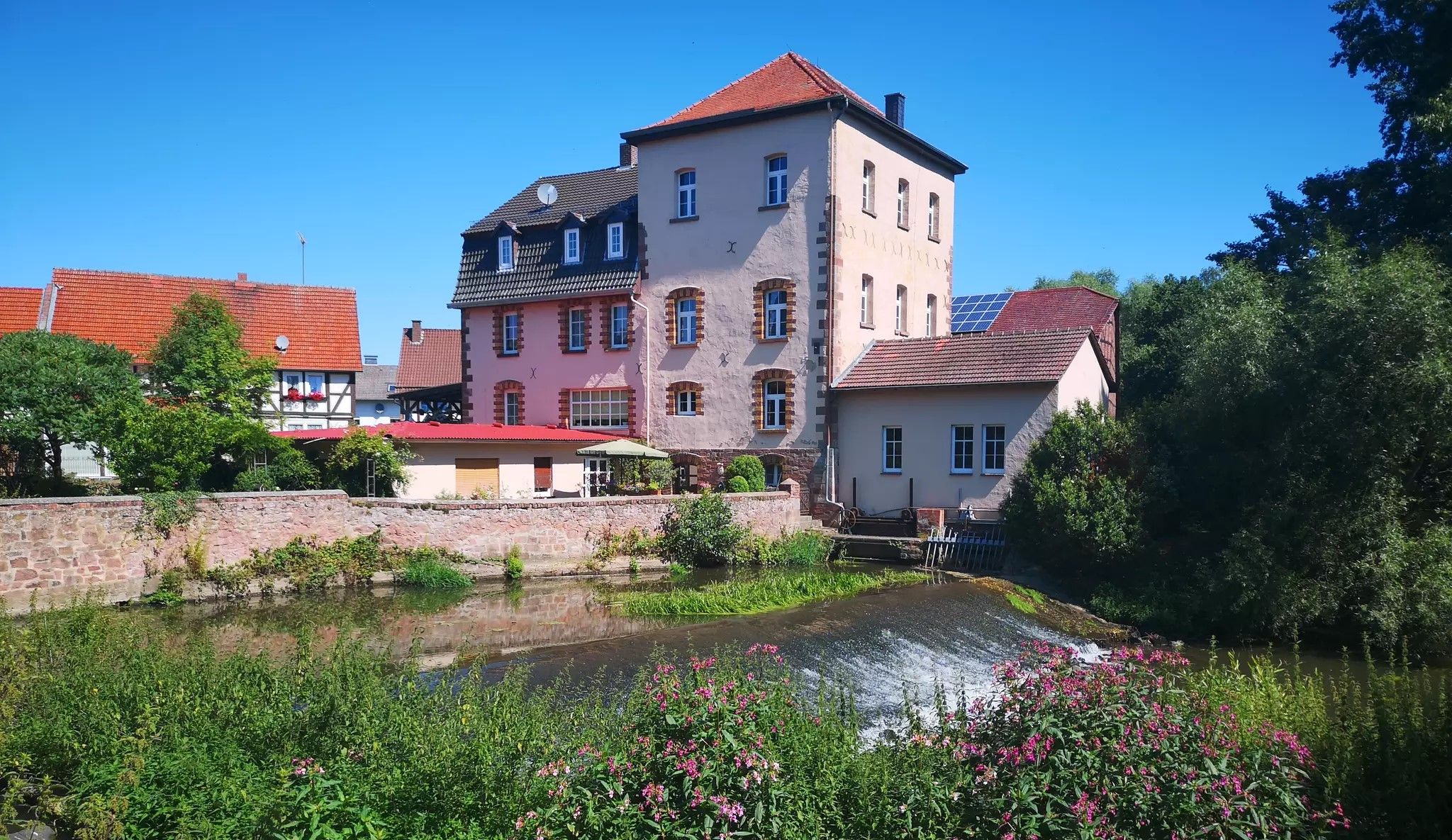
Castles around Schrecksbach offer a glimpse into the region's historical significance as a fortified border settlement. The area is characterized by its rural landscape in the Schwalm-Eder district of Hesse. The Altes Burghaus Schrecksbach, a former noble residence, stands as a notable historical structure within the town. This sandstone building, constructed between 1580 and 1592, features a round stair tower and rumored underground tunnels.
Best castles around Schrecksbach
- The most popular castles is Altenburg Castle, a castle that features…
Last updated: September 30, 2026
Altenburg Castle
Highlight • Castle
Translated by Google •
Tip by

Ruhlkirchen Castle ruins with moat
Highlight • Castle
Translated by Google •
Tip by
Sign up now to discover places like this
Get recommendations on the best single tracks, peaks, & plenty of other exciting outdoor places.
Schloss Loshausen
Highlight • Castle
Translated by Google •
Tip by

Ziegenhain Fortress and Prison (JVA Ziegenhain)
Highlight • Castle
Translated by Google •
Tip by

Willingshausen Castle
Highlight • Castle
Translated by Google •
Tip by
Sign up for free to discover even more castles around Schrecksbach.
Already have an account?
Start today with a free account
Your next adventure awaits.
Other adventures around Schrecksbach

Tips from the Community

Interesting mix of how the new fortifications and prison buildings blend with the preserved parts of the old fortress.
6
0

Built in 1891, the castle, more of a manor house in the style of a simple palace complex, stands at 216 meters above sea level, directly north of Kasseler Straße, on the west bank of the Schwalm River. The castle is surrounded by a large, largely tree-lined park, which extends to the north as far as the route of the former Knüllwald Railway, now the Rotkäppchenland Railway Cycle Path, and to the east across the Schwalm River to the L 3263 state road.
0
0

The Altenburg Castle Church was built in 1748/50 as a baroque transverse church, since the castle chapel, built in 1355 and dedicated to Saint Barbara, was destroyed in the Hessian War in 1647.
2
0
Altenburg Castle was built around 1178 as a hilltop castle by barons.
2
0


In 2023, 100 years of museum history will be celebrated in the Altenburg Residential Palace. With the founding of the Playing Card Museum in 1923, the history of the house that later went by the name “Castle and Playing Card Museum” began, initially limited to just five rooms. Reason enough to commemorate this anniversary with a special exhibition, because there were many turning points in its development, most of which were accompanied by social and political upheavals. These upheavals are, among other things, the focus of the exhibition. The Castle and Playing Card Museum in Altenburg is internationally known as the oldest playing card museum in Germany. For a long time, the cultural and historical significance of the playing card was underestimated, as to this day it is not only a gaming device, but also a contemporary document and a small graphic work of art. Whether with the techniques of Woodcuts, copper engravings, stone printing and offset printing, playing cards always convey a lot of useful information. In cooperation with the playing card company “Jack, Queen, King”, which will show its most valuable collectibles at the same time, you can expect a particularly colorful exhibition experience.
3
0

Unfortunately no inspection or similar possible, as it is privately owned. Unfortunately, the walk from Alsfeld wasn't really worth it...🤷🏼♀️🙈
2
0

The former splendor of this ruinous relic from the past can only be guessed at today. It was a small but certainly imposing castle complex.
15
1
Frequently Asked Questions
What is the historical significance of castles in the Schrecksbach region?
The castles around Schrecksbach, particularly the Altes Burghaus Schrecksbach, highlight the region's past as a fortified border settlement. These structures, built from the 12th to 16th centuries, served as noble residences and strategic points, reflecting the area's importance in historical conflicts and territorial defense.
Are there any castles with unique architectural features or intriguing stories?
Yes, the Altes Burghaus Schrecksbach, built between 1580 and 1592, is known for its two-story sandstone structure, a round stair tower, and rumored underground tunnels that local lore suggests saved villagers during the Thirty Years' War. Another interesting site is Ziegenhain Fortress and Prison, which presents a unique blend of old fortress structures with newer prison buildings.
Which castles offer a glimpse into different historical periods?
You can explore various periods. The Ruhlkirchen Castle ruins with moat date back to the 12th century, offering insight into medieval water castles. The Altenburg Castle features a mix of well-preserved and dilapidated buildings from later periods, including a restored castle church. For a more modern historical structure, Schloss Loshausen, built in 1891, resembles a manor house with a large park.
Are there family-friendly castles to visit in the Schrecksbach area?
Many of the castles and ruins in the area are suitable for family visits, especially those that are easily accessible or integrated into walking paths. Altenburg Castle and Ruhlkirchen Castle ruins with moat are both categorized as family-friendly and offer interesting historical exploration for all ages.
What kind of outdoor activities can I do near the castles?
The region around Schrecksbach offers various outdoor activities. You can find numerous hiking trails, such as the easy 'Holzburg Peace Lime Tree – Pond at the church in Holzburg loop' or the moderate 'Odengrube Rest Area – Holzburg Peace Lime Tree loop'. For cycling enthusiasts, there are road cycling routes like the 'Stork Nest in Loshausen – Schwalm River loop' and MTB trails, including the 'Rückershäuser Teich – Neukirchen Bike Station loop'. You can find more details on these routes in the hiking guide, road cycling guide, and MTB trails guide for Schrecksbach.
Are there any viewpoints or natural features near the castles?
While the castles themselves are historical sites, the surrounding rural landscape offers natural beauty. The Schloss Loshausen is set within a large, tree-lined park extending to the Schwalm River. The Nellenburg Ruins, though not much remains of the castle, are located on an elevated spot that can offer views of the surrounding forest.
What is the best time of year to visit the castles around Schrecksbach?
The best time to visit the castles and enjoy outdoor activities in the Schrecksbach region is generally during spring, summer, and early autumn. During these seasons, the weather is more favorable for exploring ruins, walking trails, and enjoying the surrounding natural landscapes. Winter visits can also be charming for those who enjoy crisp air and potentially snowy scenery, but some paths might be less accessible.
Are there any easy walking trails near the castles for a relaxed visit?
Yes, there are several easy walking trails. For instance, near Holzburg, you can find the 'Holzburg Peace Lime Tree – Pond at the church in Holzburg loop' and the 'Odengrube Rest Area – Pond at the church in Holzburg loop', both offering relaxed walks. These trails are suitable for those looking for less strenuous options while exploring the area's history.
What do visitors find most appealing about the castles in this region?
Visitors appreciate the historical charm and the sense of stepping back in time that these sites offer. For example, Altenburg Castle is noted for its 'aura of bygone days' and the contrast between its well-preserved and dilapidated sections. The visible tunnel entrances at the Altes Burghaus Schrecksbach also add an element of mystery and intrigue.
Is there public transport available to reach the castles?
Information on specific public transport routes directly to each castle is limited. It is generally recommended to check local bus schedules or consider driving to reach the castles around Schrecksbach, as many are located in rural settings. Parking is often available near the more prominent sites.
Can I bring my dog on walks around the castles?
Many outdoor areas and walking trails around the castles are dog-friendly, especially those in natural settings. However, specific rules for dogs within castle grounds or ruins can vary. It's always best to keep dogs on a leash and ensure they are well-behaved. For specific trails, you can explore the hiking guide for Schrecksbach to find suitable routes.
Are there any hidden gems or lesser-known historical sites worth exploring?
Beyond the main highlights, the region's history as a border settlement suggests many smaller, perhaps less documented, historical traces. The mention of 'Gontzenburg' as a potential predecessor to the Altes Burghaus Schrecksbach hints at deeper historical roots for fortifications in the area, inviting exploration of the local landscape for subtle historical clues.
Most popular routes around Schrecksbach
Most popular attractions around Schrecksbach

Get inspired with the komoot mobile app


Explore more
Looking for the best castles somewhere else? Discover other guides around Schrecksbach:
