Top 6 Caves around Niederwambach
Caves around Niederwambach offer a glimpse into the region's geological and mining history. Located in the Westerwald, Niederwambach is characterized by its diverse landscapes, including forests and hills. The area features a variety of underground structures, primarily historical mining tunnels and natural formations. These sites provide opportunities for exploration and understanding the natural features of the Neuwied district.
Best caves around Niederwambach
- The most popular caves is Otto Tunnel, a historical site and man-made cave that was named after Otto von Bismarck. This tunnel provides insights into the region's mining heritage.
- Another must-see spot is Lammerichskaule Mine Tunnel, a historical site. Visitors can find information boards detailing its history from 1850, especially when exploring the ore hiking trail.
- Visitors also love The Gold Hole and the Boller-Mosch, a natural cave with historical tales. This site in the Mehrbachtal is associated with local legends.
- Niederwambach is known for its historical mining tunnels and natural cave formations. These sites offer a blend of geological interest and local history.
- The caves around Niederwambach are appreciated by the komoot community, with more than 350 upvotes and over 130 photos shared by visitors.
Last updated: May 14, 2026
Alvenslebenstollen
Highlight • Historical Site
Translated by Google •
Tip by

Erbach Trail and Pawnee Bat Tunnel
Highlight (Segment) • Trail
Translated by Google •
Tip by

Sign up now to discover places like this
Get recommendations on the best single tracks, peaks, & plenty of other exciting outdoor places.
Sign up for free
The Gold Hole and the Boller-Mosch
Highlight • Cave
around the year 1750 were up to mischief.
Allegedly a ghost who hits trees with a club and screams mosch, mosch. Unmasked as a feeble miner who lived in a lonely forest hut near Mehren. Was sent to a sanatorium after a murder. In the tunnel he is still around today as atonement for his deed.
Translated by Google •
Tip by

Lammerichskaule Mine Tunnel
Highlight • Historical Site
Translated by Google •
Tip by

Otto Tunnel
Highlight • Cave
Translated by Google •
Tip by

Sign up for free to discover even more caves around Niederwambach.
Sign up for free
Already have an account?
Start today with a free account
Your next adventure awaits.
Login or Signup
Tips from the Community

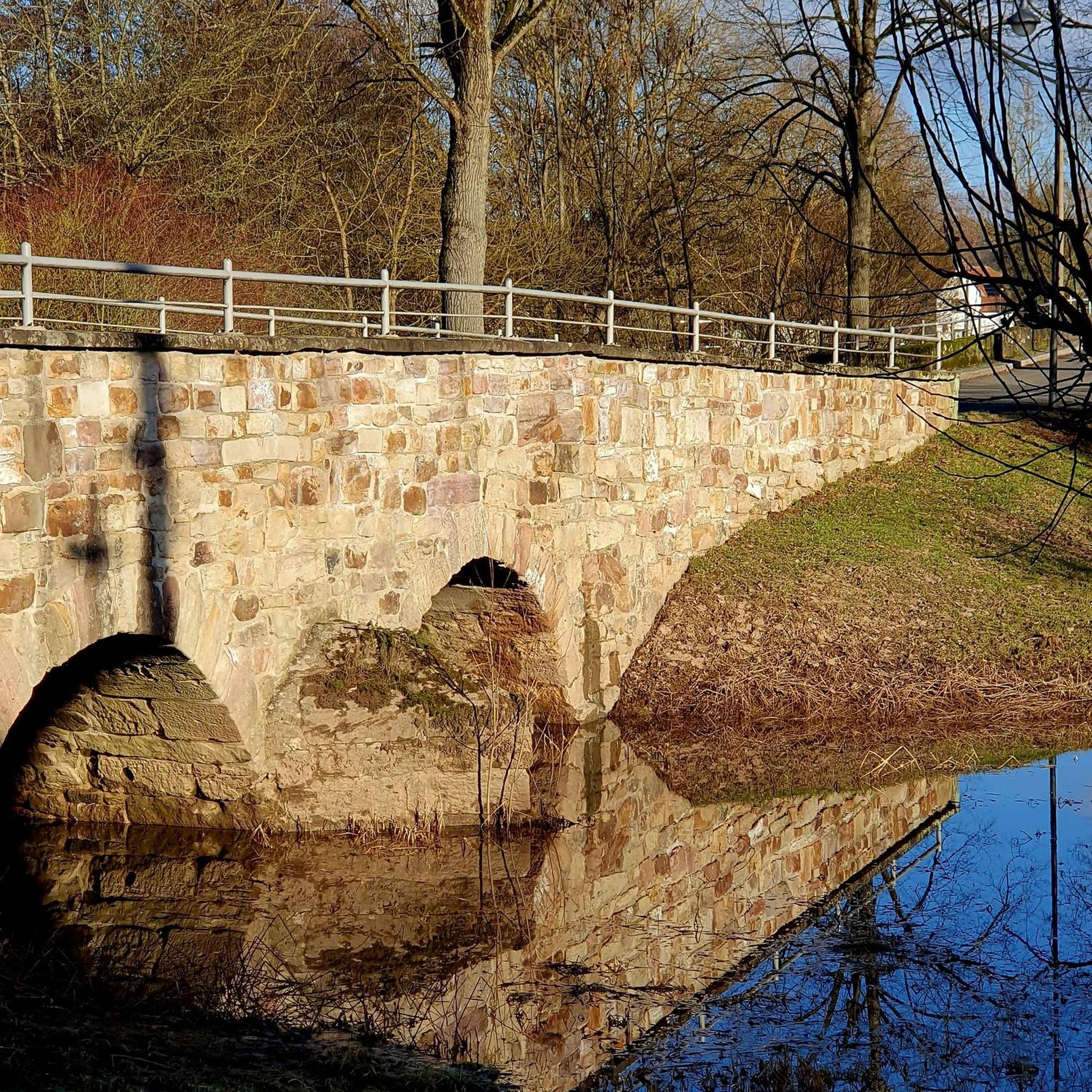
Possibility of rest and view of the tunnel and the castle
1
0

The tunnel addresses the history of mining. The last time I visited the tunnel, there were lots of small bats living there. The history is also explained in detail on site.
0
0

Beautiful and especially great for families!
2
0

The tunnel was named after Otto von Bismarck. You can find more detailed information on the information boards on site.
1
0

Unfortunately I didn't have time to visit the tunnel.
0
0

A great path with many highlights
1
0

Just great ... Bach, Stollen & Wichtelweg
3
0
Frequently Asked Questions
What types of caves can I explore around Niederwambach?
The area around Niederwambach primarily features historical mining tunnels and some natural cave formations. These sites offer a blend of geological interest and local history, showcasing the region's past mining activities and natural processes. For example, you can visit the Otto Tunnel, a historical mining tunnel, or The Gold Hole and the Boller-Mosch, a natural cave with local legends.
Are there any family-friendly cave experiences near Niederwambach?
Yes, the Erbach Trail and Pawnee Bat Tunnel is considered family-friendly. While the tunnel itself is a bat gallery, the surrounding trail offers an enjoyable outdoor experience for families. For other sites, it's advisable to check specific access details, as some historical tunnels may require supervision for younger visitors.
What historical insights do the caves around Niederwambach offer?
Many of the underground sites around Niederwambach are former mining tunnels, providing a direct link to the region's industrial past. The Otto Tunnel, named after Otto von Bismarck, and the Lammerichskaule Mine Tunnel, with its information boards detailing its history from 1850, are prime examples. The Alvenslebenstollen also offers a glimpse into 19th-century mining, viewable by appointment.
Can I explore the caves independently, or do I need a guide?
Some sites, like the Lammerichskaule Mine Tunnel, can be explored independently, especially when following the ore hiking trail where information boards are present. However, for the Alvenslebenstollen, viewing is possible by prior appointment. Always check specific access requirements for each location.
Are there any caves in the wider region that are more traditional 'show caves'?
While Niederwambach itself focuses on historical tunnels and natural formations, the nearby Eifel region offers more traditional cave experiences. These include the Millstone Caves of the Rother Kopf, known for their mining history, the Birresborner Ice Caves, and the Buchenlochhöhle, a natural cave formed by groundwater. These are generally more adventurous and may require equipment like a torch and helmet.
What outdoor activities can I combine with a visit to the caves?
The Niederwambach area is excellent for various outdoor activities. You can find numerous running trails, road cycling routes, and gravel biking routes. Many of these routes pass by or are close to the cave sites, allowing you to combine exploration with hiking, cycling, or running through the diverse landscapes of the Westerwald.
What is the best time of year to visit the caves around Niederwambach?
The historical mining tunnels and natural formations around Niederwambach can generally be visited year-round, though access might vary. For the broader Eifel region, some caves like the Millstone Caves may be closed in winter for bat hibernation. Always check local conditions and opening times, especially during colder months.
Are there any caves around Niederwambach that are important for wildlife?
Yes, the Erbach Trail and Pawnee Bat Tunnel is specifically noted as a bat gallery, providing a habitat for these creatures. Additionally, the Laubach Valley Slate Mines in the wider vicinity, while not open for human entry, are a vital sanctuary for bats, highlighting the ecological significance of these underground structures.
Where can I find more information about the history of mining in the region?
Many of the historical tunnels, such as the Lammerichskaule Mine Tunnel and the Otto Tunnel, feature information boards on site that detail their history and significance. These provide valuable context about the mining heritage of the Westerwald region.
What should I wear or bring for cave exploration in Niederwambach?
For exploring the historical tunnels and natural formations, comfortable walking shoes are recommended. If you plan to venture into less developed or more adventurous sites, especially in the wider Eifel region, a torch (headlamp) and helmet are advisable. Always be prepared for cooler temperatures underground, even in summer.
Are there any specific natural features to look out for near the caves?
Beyond the caves themselves, the region is characterized by diverse landscapes including forests and hills. The The Gold Hole and the Boller-Mosch is located in the Mehrbachtal, offering scenic surroundings. The broader Westerwald region is known for its natural beauty, which you can experience on various hiking and cycling trails.
What do visitors generally appreciate about the caves around Niederwambach?
Visitors appreciate the unique blend of geological interest and local history offered by these sites. The opportunity to explore historical mining tunnels and natural formations, often accompanied by information boards, provides an engaging experience. The komoot community has shared over 130 photos and given more than 350 upvotes, highlighting the appeal of these lesser-known underground attractions.
Most popular routes around Niederwambach
Most popular attractions around Niederwambach

Get inspired with the komoot mobile app


Explore more
Extend your search for the best caves by checking out these guides of the top ones around Niederwambach:
