Top 9 Castles around Welden
Best castles around Welden are found in the Augsburg district of Bavaria, Germany, a region known as Bavarian Swabia. This area is rich in historical castles and palaces, offering insights into medieval architecture and noble residences. While Welden itself is a municipality, its location provides access to several historically significant sites. The landscape features a mix of forests and valleys, providing scenic backdrops for these historical landmarks.
Best castles around Welden
- The most popular castles is Hammel Castle, a…
Last updated: August 6, 2026
Hammel Castle
Highlight • Castle
Translated by Google •
Tip by

Wolfsberg Castle Ruins
Highlight • Castle
In the Middle Ages, the Wolfsberg castle ruins belonged to the noble family of Fraßen vom Wolfsberg, who also founded the hamlet of Stadel near Dinkelscherben. The …
Translated by Google •
Tip by

Sign up now to discover places like this
Get recommendations on the best single tracks, peaks, & plenty of other exciting outdoor places.
Sign up for free
Snow castle rampart
Highlight (Segment) • Historical Site
Translated by Google •
Tip by

Zusameck Castle and Chapel
Highlight • Castle
Translated by Google •
Tip by

Laugna Castle
Highlight • Castle
On the archway of the foundation's forest office in Laugna …
Translated by Google •
Tip by
Sign up for free to discover even more castles around Welden.
Sign up for free
Already have an account?
Start today with a free account
Your next adventure awaits.
Login or Signup

Tips from the Community

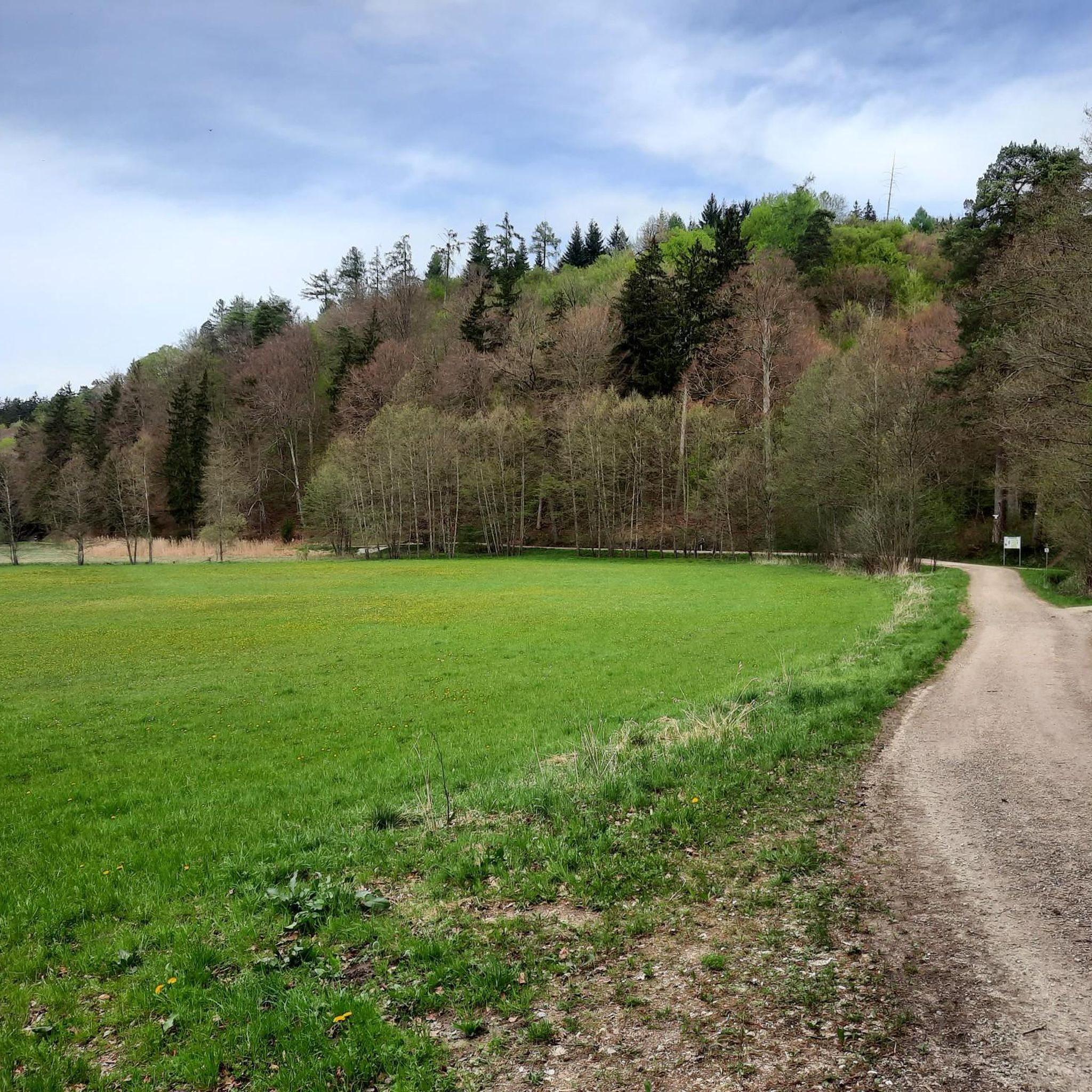
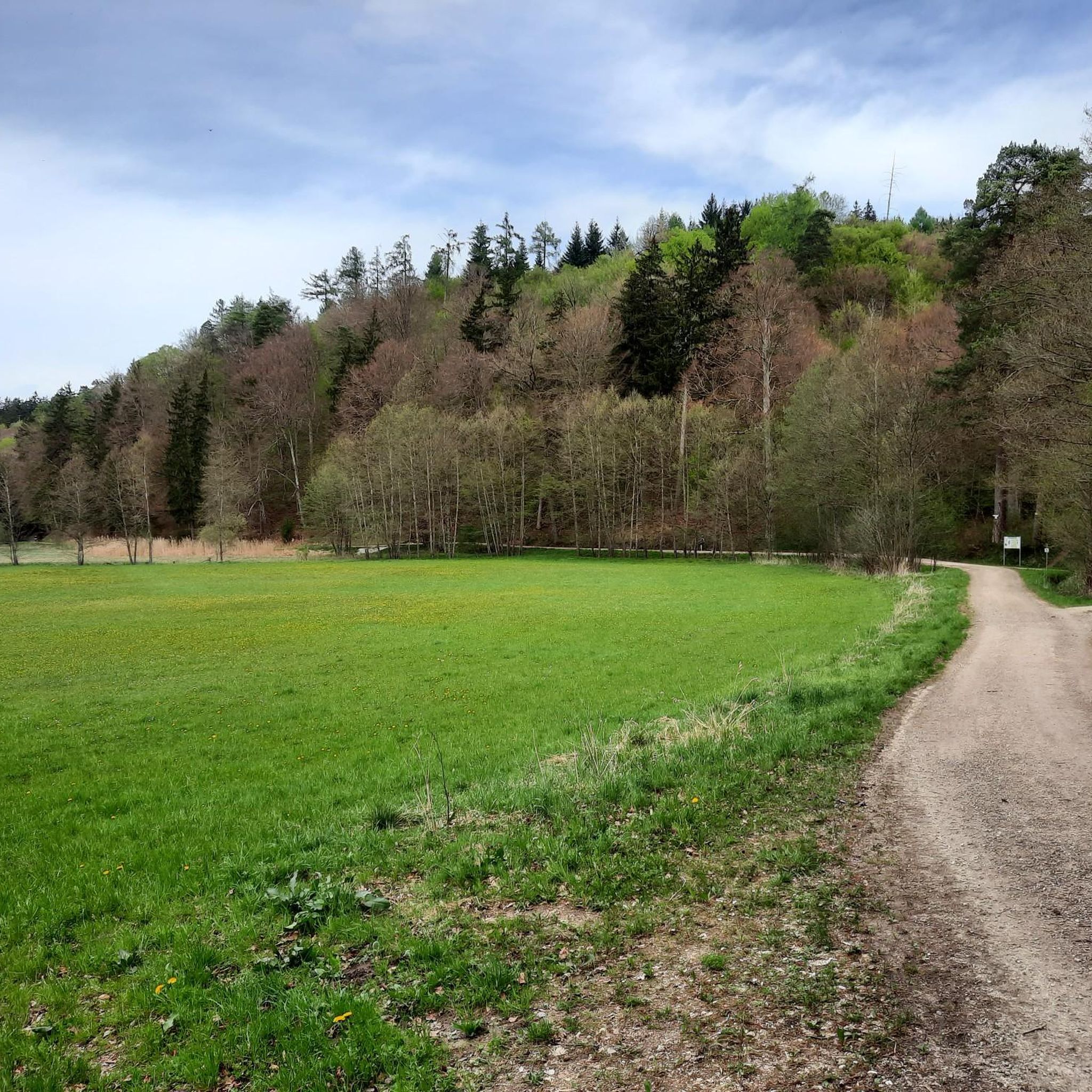
The well-preserved ring rampart is among the largest and most significant archaeological sites in the Augsburg district. The geological structure consists of marly sands, which are overlain by glacial till. This till is partly consolidated and appears here as Nagelfluh. The irregularly ring-shaped fortification, approximately 600 meters in circumference, was probably used as a refuge castle during the time of the Hungarian invasions and presumably dates back to the Bronze Age.
0
0

In the 19th century, a comprehensive redesign was carried out by the architect Jean Keller, who also designed the magnificent grand hall.
1
0

The Schneeburg near Welden (District of Augsburg, Bavaria) is an early medieval ring rampart that served as a refuge castle in the 9th to 10th centuries to defend against Hungarian invasions. The site is located about 1.5 km south of Welden on a spur above the Laugnatal valley. It was an important defensive structure that functioned as a protective castle for the population and a troop assembly point. The fortification consisted of wood-earth constructions and ramparts, with the eastern side showing typical steps for defense against Magyar horsemen. Today, the earthworks and ditches are preserved as an archaeological monument, with the Ludwig-Ganghofer-Rundwanderweg circular hiking trail leading through the area.
0
0

The ringfort of Schneeburg is not the remains of a castle, but rather an archaeological monument that only reveals itself upon closer inspection. There were never any towers or stone walls here – the fortification consisted of earthworks, wooden palisades, and timber structures. Today, primarily ditches, ramparts, and the shape of the site are visible in the landscape. Historians assume that the oldest traces of Schneeburg date back to the Bronze Age. In the Middle Ages, it offered the local population protection from Hungarian invasions.
1
0

Built in 1550, in 1700 the castle came into the possession of the Augsburg patrician family von Stetten through marriage
0
0

Two-story gable-roof building with octagonal corner tower with onion dome, built in 1613, altered in 1730; associated garden; 18th-century walling
1
0
Wolfgang von Paler the Elder was granted sheep in 1550. He commissioned the construction of a new palace around 1550/60. The building was presumably destroyed by the Swedes in 1648. The new owner, Raimund Egger, had the palace rebuilt.
3
0

Hammel Castle is located in the Hammel district of the town of Neusäß in the Augsburg district, Bavaria. The castle is owned by the von Stetten family. History: • 1550: Wolfgang von Paler the Elder is granted Hammel and initiates the construction of the new castle around 1550/60. • 1648: The building is probably destroyed by Swedish troops during the Thirty Years' War. • After 1648: The new owner, Raimund Egger, has the castle rebuilt. • 1700: Through marriage, two thirds of the castle becomes the property of the Augsburg patrician family von Stetten; later the family also acquires the remaining share. • Mid-19th century: Extensive renovation work is carried out. • 1891: Under the planning of the Augsburg architect Jean Keller, the east-west wing is extended and the facade structure is renewed and the south gable is decorated with neo-Gothic battlements. Architecture: The castle consists of two three-story wings. The shorter "old building" has a gable roof and a facade structure with neo-Gothic battlements. The surrounding wall is equipped with four defensive towers, including the so-called Malakow Tower on the southeast corner, which was provided with a balustrade and an arbor-like structure made of wood in 1856. Current use: Hammel Castle is still owned by the von Stetten family and is not open to the public. However, the historic complex is an important cultural monument in the region and an example of the architecture and history of Augsburg's patrician families.
3
0
Frequently Asked Questions
What types of castles can I explore near Welden?
The region around Welden, particularly the Augsburg district and Bavarian Swabia, offers a diverse range of historical sites. You can find well-preserved aristocratic residences like Hammel Castle, ancient castle ruins such as Wolfsberg Castle Ruins, and even archaeological monuments like the Snow castle rampart, which reveals earthworks and timber structures from the Bronze Age and Middle Ages.
Are there any castles with significant historical connections to famous figures?
Yes, Sisi Castle Unterwittelsbach, though not directly listed in the guide's highlights, is a notable example in the broader region. It was the former hunting lodge of Duke Max in Bavaria and is famously associated with his daughter, Empress Elisabeth of Austria, known as Sisi. It now houses a Sisi exhibition and is part of the international 'Sisi Road'.
Can I visit castles that are still privately owned?
Some castles, like Hammel Castle, are still privately owned by families such as the von Stettens and are not open to the public for interior tours. However, their historic exteriors and surrounding grounds can often be admired from a distance, offering a glimpse into their architectural beauty and history.
Are there opportunities for hiking or outdoor activities near the castles?
Absolutely. Many castles, especially ruins like Wolfsberg Castle Ruins and the Snow castle rampart, have interesting trails around them. The region also offers various outdoor activities. You can find numerous running trails, gravel biking routes, and cycling paths in the vicinity of Welden, which often pass by or near historical sites.
What is the best time of year to visit the castles around Welden?
The castles and their surrounding landscapes are beautiful throughout the year. Spring and autumn offer pleasant temperatures for exploring the grounds and trails. Summer is ideal for outdoor activities and events like the castle festival at Wolfsberg Castle Ruins. Even winter can be charming, with snow adding a picturesque quality to the historical sites.
Are there any castles that offer insights into medieval architecture?
Yes, Hofhegnenberg Castle, located on a hill in the broader region, is a well-preserved aristocratic residence that dates back to a high medieval castle, with the stump of its keep still visible. It provides a clear glimpse into medieval castle architecture and noble residency.
Can I find castles that are well-preserved and offer public tours?
Fugger Castle Markt is described as a beautiful and well-preserved castle that has been renovated. It also features an adjacent private garden (Fugger garden) which can be visited as part of public tours, offering a comprehensive historical experience.
What kind of historical events are associated with the castles in the area?
The castles have witnessed various historical periods. For instance, Hammel Castle was likely destroyed by Swedish troops during the Thirty Years' War and rebuilt. Zusameck Castle was first destroyed in 1388 during the 'City War'. The Snow castle rampart served as a refuge during Hungarian invasions in the Middle Ages.
Are there any castles with unique architectural features?
Laugna Castle is a two-wing complex with a distinctive octagonal corner tower, located in the middle of the town and surrounded by a small park and an impressive castle wall. Hammel Castle features neo-Gothic battlements and defensive towers, including the so-called Malakow Tower.
What can I expect when visiting castle ruins like Zusameck?
When visiting ruins like Zusameck Castle and Chapel, you'll find remnants of former grandeur. Today, only small remains of the ring wall are visible, along with the Hl. Kreuz castle chapel. These sites offer a chance to imagine the past and explore the historical context of the area, often with scenic views over valleys.
Are there any castles that are part of a larger historical town experience?
Friedberg Castle, a Wittelsbach castle, is a significant landmark in the old town of Friedberg. Visitors can explore the Renaissance-style castle, along with the Baroque town hall and other fortifications and churches within the historic old town, which retains its rectangular 'Wittelsbachian' street plan. For more information on the Wittelsbach country, you can visit augsburg-tourismus.de.
What do visitors enjoy most about the castles around Welden?
Visitors appreciate the historical significance and architectural beauty of the castles. The komoot community has shared over 120 photos and given more than 240 upvotes for the castles around Welden, highlighting their appeal. They enjoy exploring the ruins, the trails around them, and the romantic views, especially from places like Hammel Castle.
Most popular attractions around Welden

Get inspired with the komoot mobile app


Explore more
Looking for the best castles somewhere else? Discover other guides around Welden:
