Top 5 Caves around Kleinmaischeid
Best caves around Kleinmaischeid are found within the broader Westerwald and Eifel regions, characterized by diverse geological formations. This area features a landscape shaped by ancient mining activities and natural processes. The region offers opportunities to explore historical slate mines and natural cave systems. These sites provide insights into both geological history and past human endeavors.
Best caves around Kleinmaischeid
- The most popular caves is Laubach Valley Slate Mines, a cave that was once used for mining valuable slate.…
Last updated: May 14, 2026
Laubach Valley Slate Mines
Highlight • Cave
Translated by Google •
Tip by

Translated by Google •
Tip by

Sign up now to discover places like this
Get recommendations on the best single tracks, peaks, & plenty of other exciting outdoor places.
Sign up for free
World War II Air-Raid Shelter
Highlight • Historical Site
Translated by Google •
Tip by

Cave Entrances by the Aubach
Highlight • Cave
Translated by Google •
Tip by

Alexanderstollen
Highlight • Historical Site
In front of it there is also a seat for a break.
Unfortunately, it is right next to a sewage treatment plant, where, depending …
Translated by Google •
Tip by

Sign up for free to discover even more caves around Kleinmaischeid.
Sign up for free
Already have an account?
Start today with a free account
Your next adventure awaits.
Login or Signup
Tips from the Community

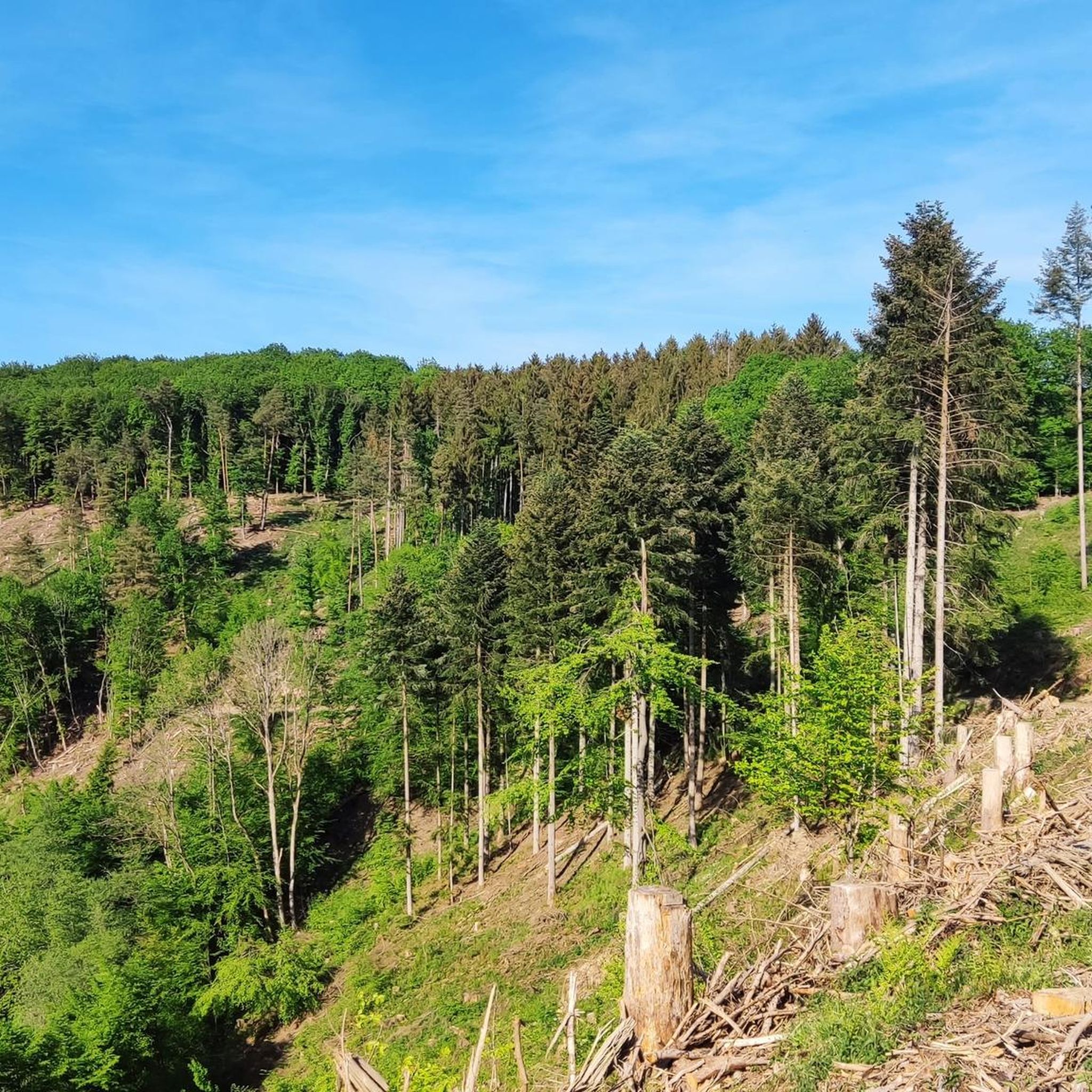
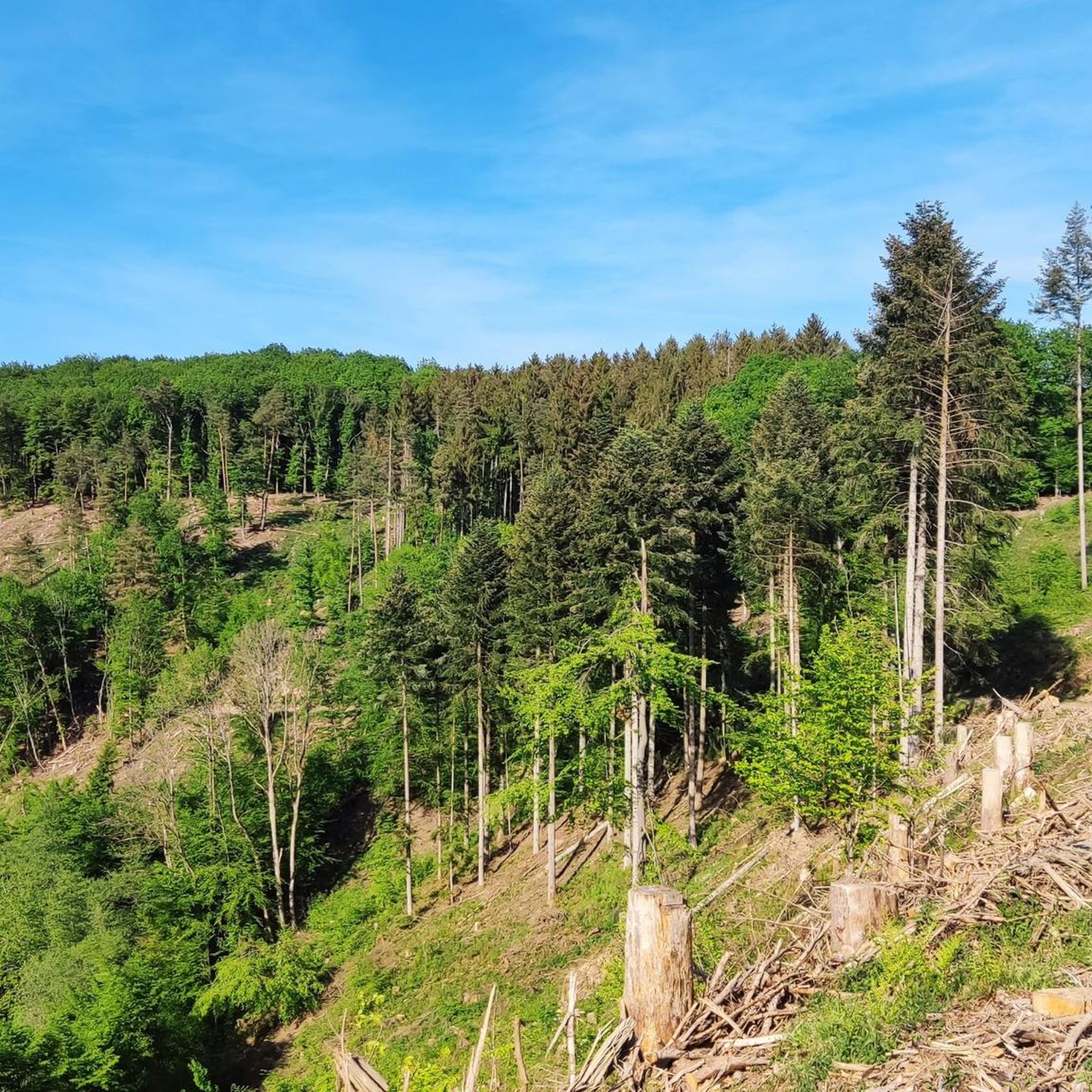
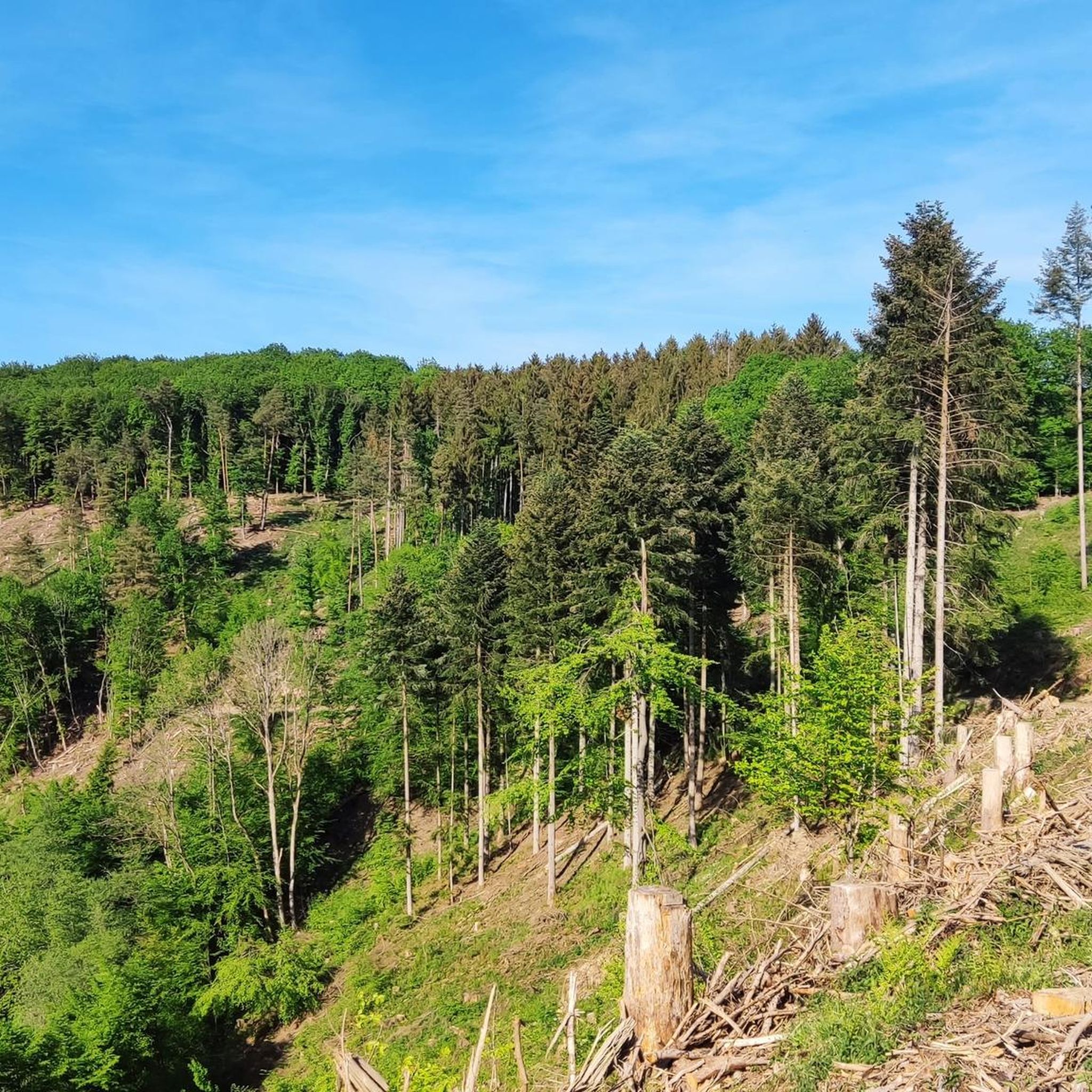
A fenced area where slate was formerly mined. Is privately owned
0
0

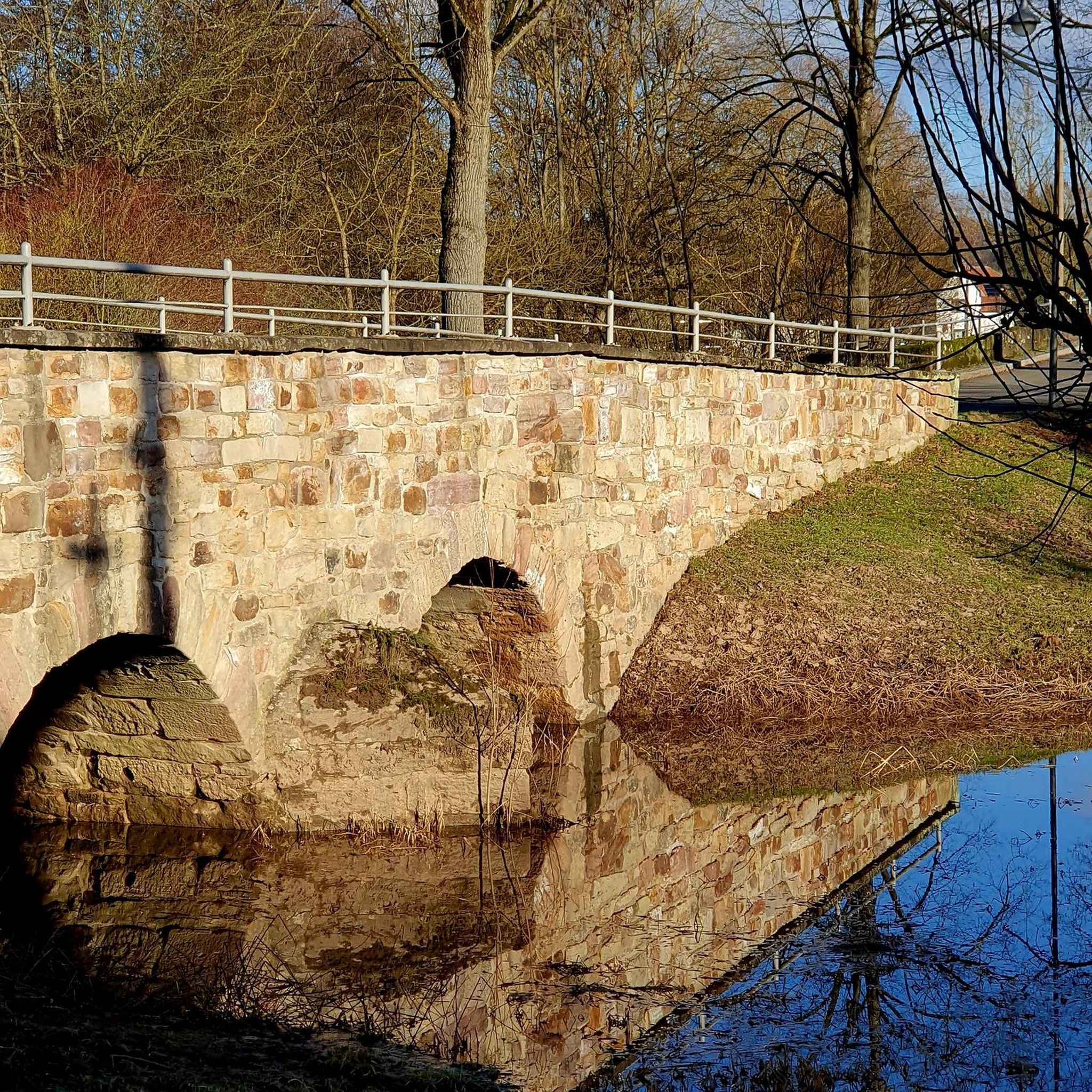
Walled-up cave entrance directly on the Aubach.
0
0


Former cave entrances directly on the Aubach
0
0


Unfortunately, the tunnel cannot be visited
1
0

Valuable slate that had not yet been exposed to wind and weather was once mined here in the tunnel. Nowadays, a grille prevents people from entering the tunnel. But bats can count themselves lucky, because this measure has given them a home.
2
0
A steep path leads up to the left of the tunnel. There are 2 more tunnels about 20m away, which are worth looking at. Especially for the "little" cyclists among us. I have also attached photos to this highlight. 😉
2
0
Frequently Asked Questions
What types of caves can I explore around Kleinmaischeid?
The region around Kleinmaischeid, particularly the broader Westerwald and Eifel areas, offers a variety of geological formations and historical sites. You can find natural caves formed by water dissolution, such as the Heinzelmann Caves, as well as historical mining tunnels like the Laubach Valley Slate Mines and the Assberg Slate Mine. Some sites also include former air-raid shelters from WWII.
Are there any accessible caves for visitors near Kleinmaischeid?
Many of the caves and tunnels in the region are either sealed for bat protection or are natural formations that require careful exploration. For example, the Laubach Valley Slate Mines and the Old Slate Mine Entrance are closed to protect bat colonies. Some, like the Cave Tunnel in Naturpark Rhein-Westerwald, are freely accessible but have very low ceilings, requiring visitors to crawl. The Assberg Slate Mine offers guided tours into its historical tunnels.
What historical significance do the caves around Kleinmaischeid hold?
The caves and tunnels in this area are rich in history. Many are former slate mines, like the Laubach Valley Slate Mines, which were vital for extracting valuable slate. Some tunnels, such as the World War II Air-Raid Shelter, served as protective shelters during wartime. Further afield in the Eifel, caves like Buchenloch and Kakushöhle show evidence of prehistoric human settlement, including Neanderthals.
Are there family-friendly options for exploring caves near Kleinmaischeid?
While many natural caves are rugged, historical sites like the Assberg Slate Mine offer guided tours that can be an educational experience for families. When exploring freely accessible sites, always ensure children are supervised and prepared with appropriate gear. The legends associated with sites like The Gold Hole and the Boller-Mosch or Kakushöhle can also be engaging for younger visitors.
What should I wear or bring when visiting caves in the region?
When exploring caves and tunnels around Kleinmaischeid, it's advisable to wear sturdy shoes, as terrain can be uneven and damp. A flashlight or headlamp is essential for dark areas, and a helmet is recommended for sites with low ceilings or potential falling debris. Layers of clothing are also useful, as cave temperatures can be cooler than outside.
What natural features can I observe in the caves around Kleinmaischeid?
Beyond their geological formations, many caves serve as important habitats. The Laubach Valley Slate Mines and the Old Slate Mine Entrance are crucial winter quarters for various endangered bat species. You can also observe unique rock formations resulting from natural processes like limestone dissolution, as seen in the Heinzelmann Caves, or the remnants of basalt extraction in the Mühlsteinhöhlen.
Are there any unique or 'hidden gem' caves worth visiting?
The Sealed Cave in Naturpark Rhein-Westerwald, though walled up, has an opening at the top allowing a glimpse inside and serves as a bat roost. The Cave Entrances by the Aubach are also interesting natural monuments, showcasing former cave openings directly along the stream. These offer a more secluded and observational experience.
What is the best time of year to visit the caves around Kleinmaischeid?
The best time to visit depends on your interest. For general exploration, spring to autumn offers pleasant weather for hiking to cave entrances. However, if you are interested in observing bat habitats, winter is when many caves serve as their hibernation sites, though access to these specific areas is often restricted to protect the animals. Always check local access rules before visiting.
What outdoor activities can I combine with a visit to the caves?
The region around Kleinmaischeid is excellent for outdoor activities. You can combine cave visits with hiking on trails like those found in the Hiking around Kleinmaischeid guide, or explore the area by bike using routes from the Gravel biking around Kleinmaischeid or MTB Trails around Kleinmaischeid guides. Many caves are located along or near popular routes, offering a chance to experience both natural beauty and historical sites.
Are there any caves with local legends or folklore?
Yes, some caves in the broader region are associated with local legends. For instance, The Gold Hole and the Boller-Mosch in the Neuwied area has a local legend involving a miner and a ghost. Further in the Eifel, the Kakushöhle is linked to a legend of a giant named Kaku, adding a mythical dimension to its prehistoric significance.
Where can I find more information about the Birresborner Ice Caves or Buchenloch Cave?
The Birresborner Ice Caves in the Eifel were historically used for millstone carving and as natural refrigerators. The Buchenloch Cave, situated in the nature reserve of the Gerolstein Dolomites, is a prehistoric rock cave utilized by Neanderthals. These are located further afield in the Eifel region and offer insights into both natural history and human ingenuity.
Most popular routes around Kleinmaischeid
Most popular attractions around Kleinmaischeid

Get inspired with the komoot mobile app


Explore more
Extend your search for the best caves by checking out these guides of the top ones around Kleinmaischeid:
