Top 16 Caves around Bad Schlema
Best caves around Bad Schlema offer a unique blend of historical mining experiences and therapeutic environments. The region, known for its rich mining heritage and as a health spa, features former mining facilities that provide notable underground experiences. While natural caves are not the primary focus, the area's historical tunnels and specialized salt caves present diverse "cave" attractions. These sites provide insights into the challenging conditions of historical mining and offer relaxation opportunities.
Best caves around Bad Schlema
- The most…
Last updated: June 26, 2026
Princes' Cave
Highlight • Cave
Translated by Google •
Tip by

Cave Entrance on Floßgrabenweg
Highlight • Cave
Great highlight on the floßgrabenweg even if it's too scary for us 🙈
Translated by Google •
Tip by

Sign up now to discover places like this
Get recommendations on the best single tracks, peaks, & plenty of other exciting outdoor places.
Sign up for free
Reichenbach Fundgrube Visitor Mine (Bernhardt Tunnel and Kunstschacht)
Highlight • Historical Site
Translated by Google •
Tip by

Hechtlöcher and Rösche of the Martin Römer Stolln
Highlight • Historical Site
Translated by Google •
Tip by

St. Michael Adit on the Archangel Trail
Highlight • Historical Site
Translated by Google •
Tip by

Sign up for free to discover even more caves around Bad Schlema.
Sign up for free
Already have an account?
Start today with a free account
Your next adventure awaits.
Login or Signup
Popular around Bad Schlema
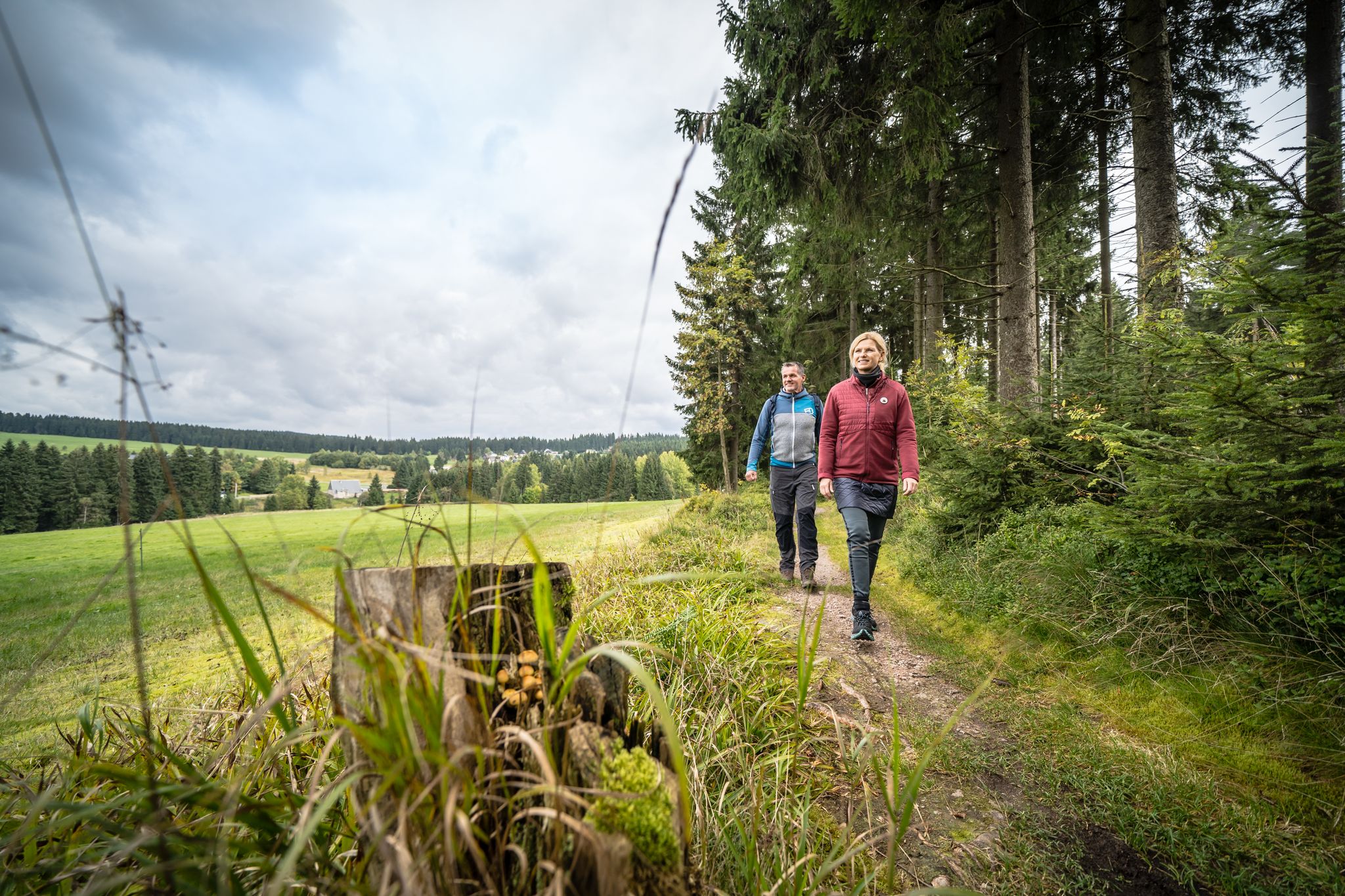
Hiking with heart in the Ore Mountains
Wonderful Silberberg – Day Tours to the Digital Hiking Badge with SummitLynx
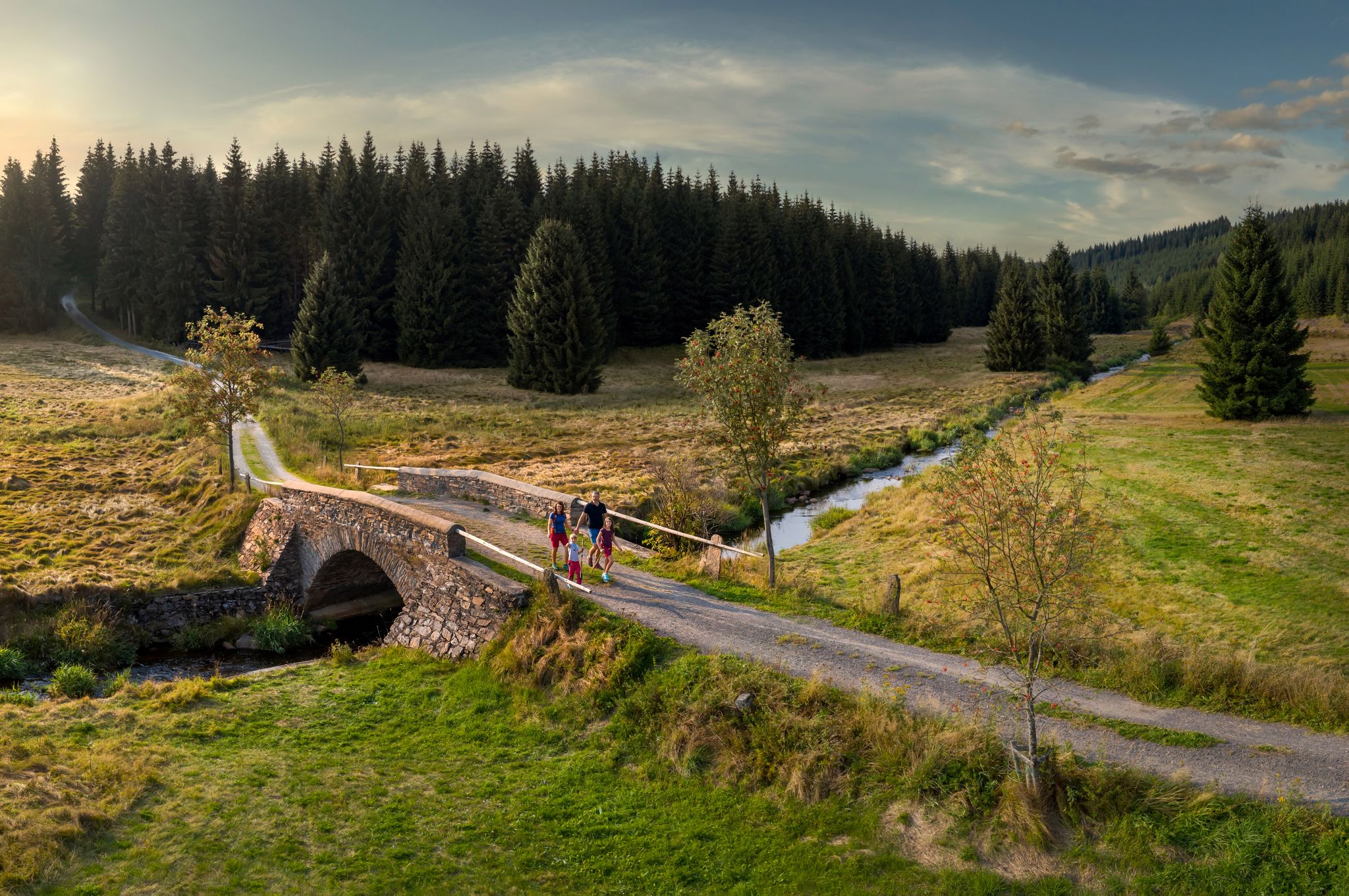
‘Good luck’ in the hiking paradise of the Ore Mountains
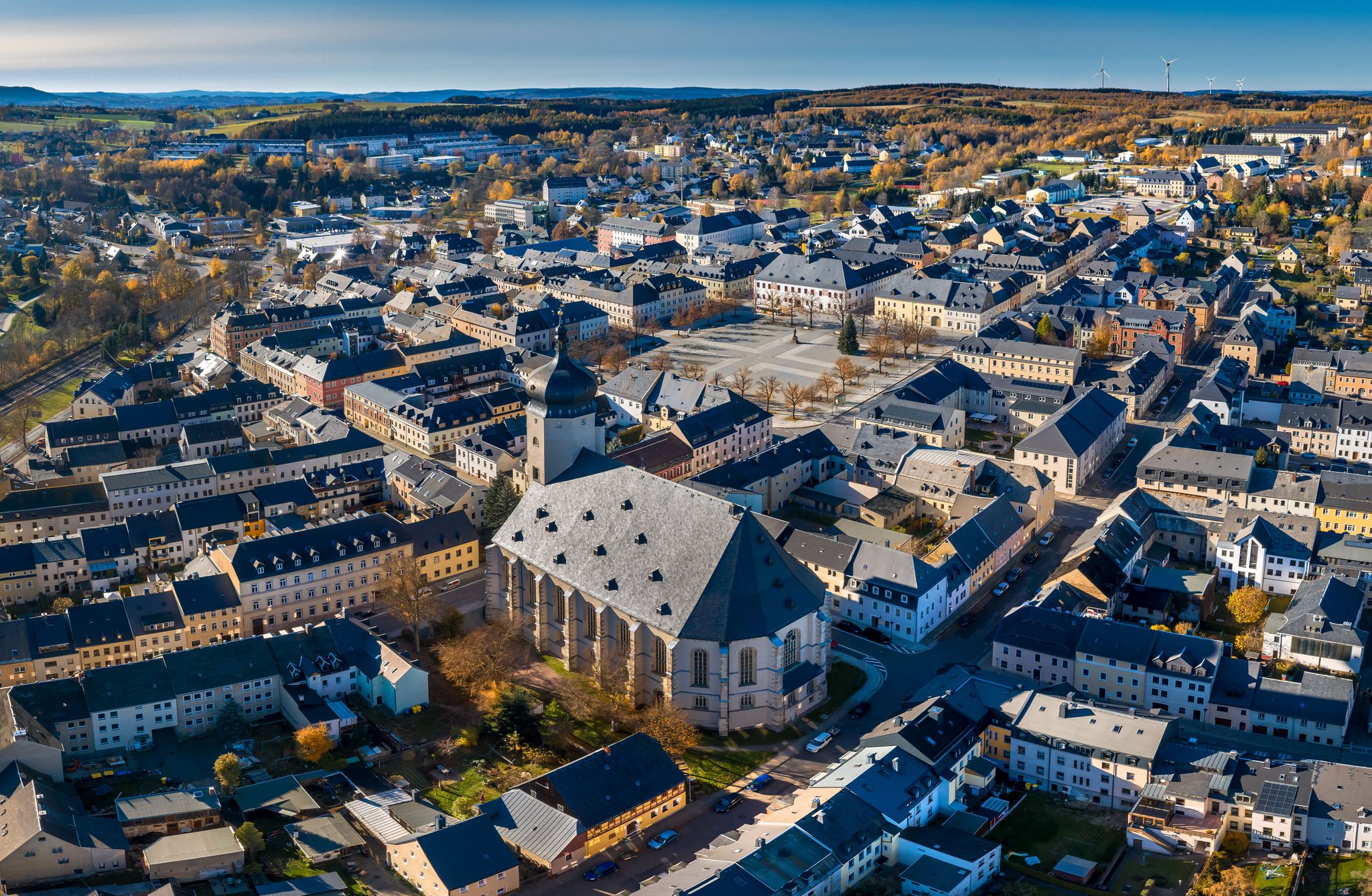
Wandertouren - "Glück Auf" im Welterbe
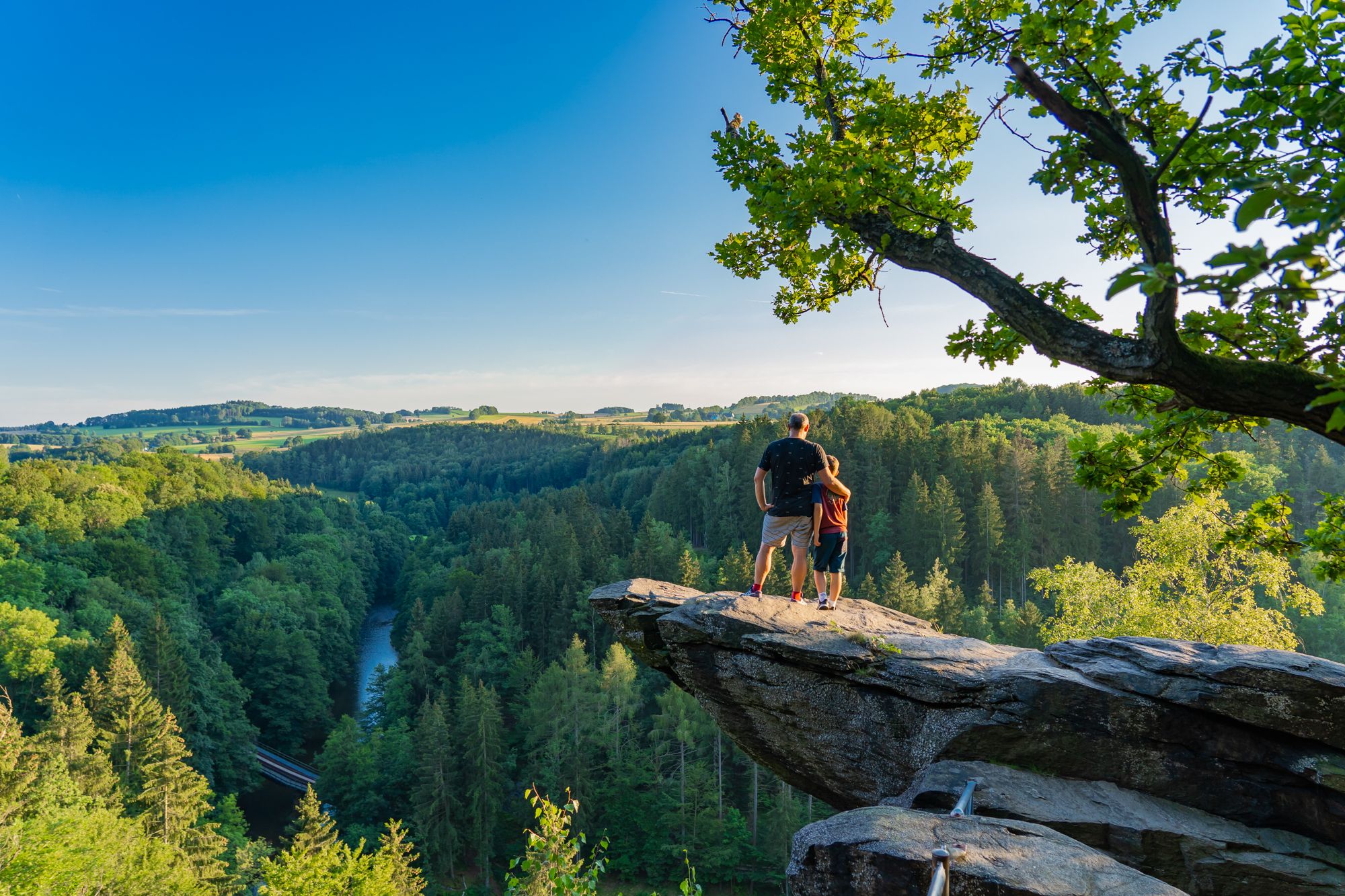
Wandertouren - Gipfelglück
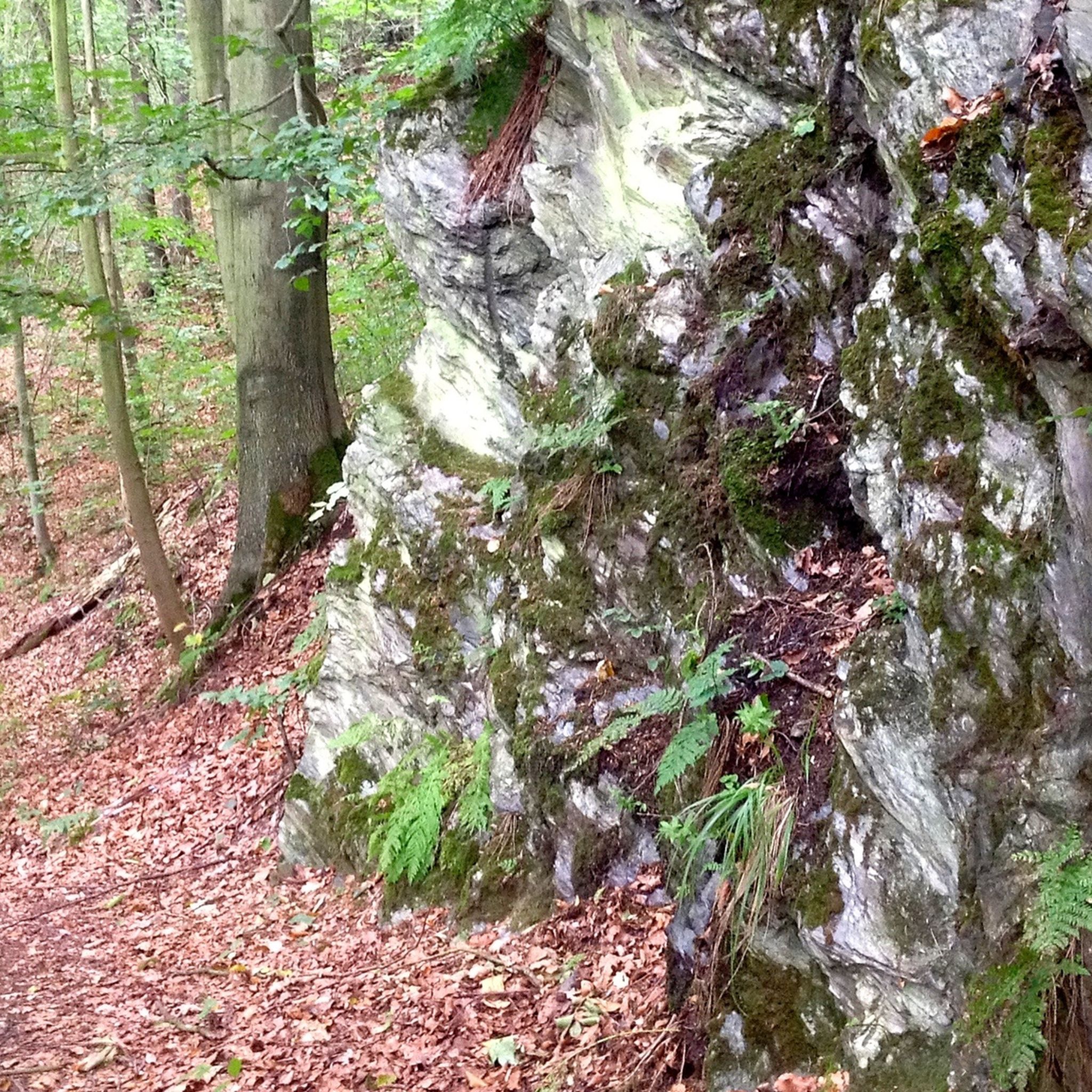
Hiking around Bad Schlema
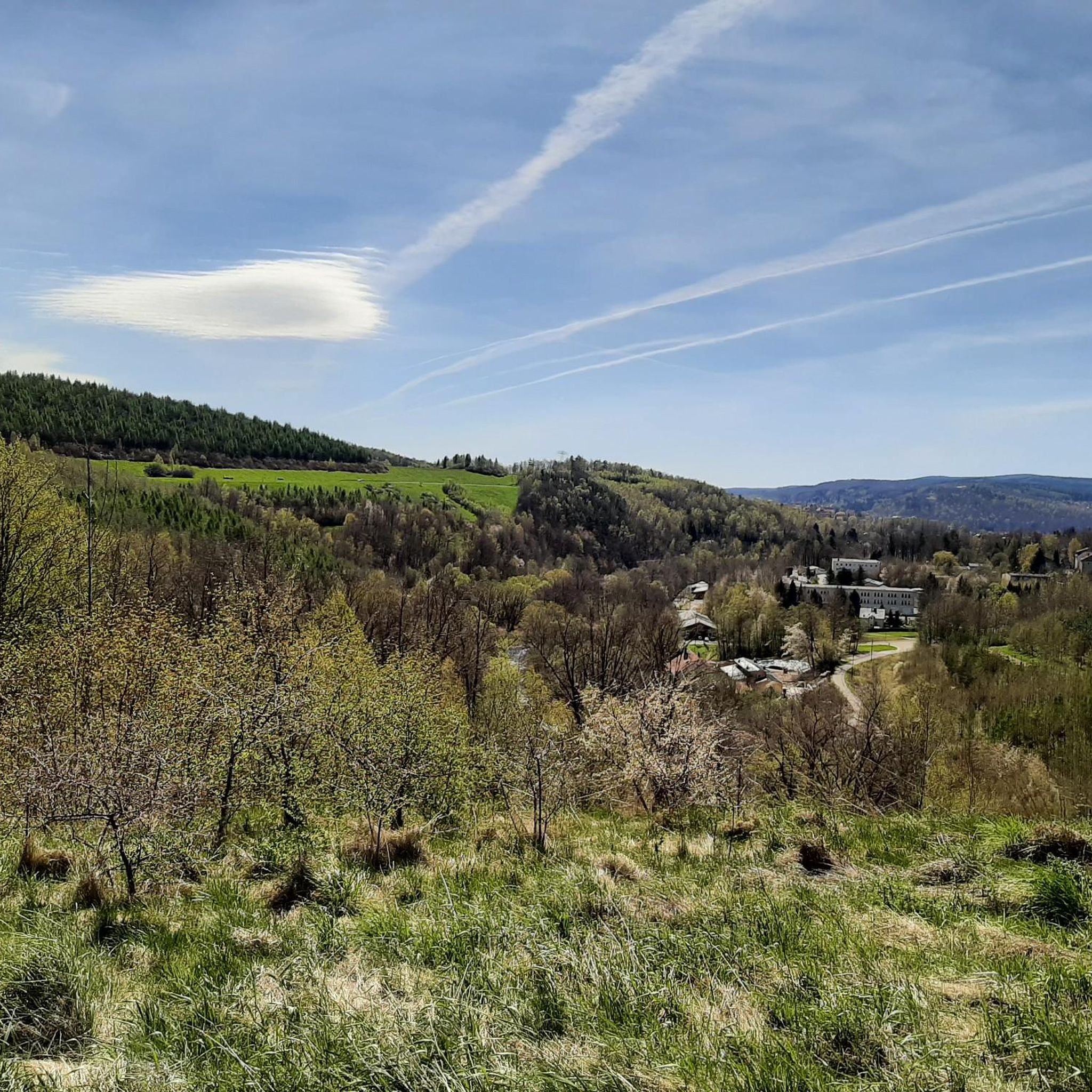
Cycling around Bad Schlema
Road Cycling Routes around Bad Schlema
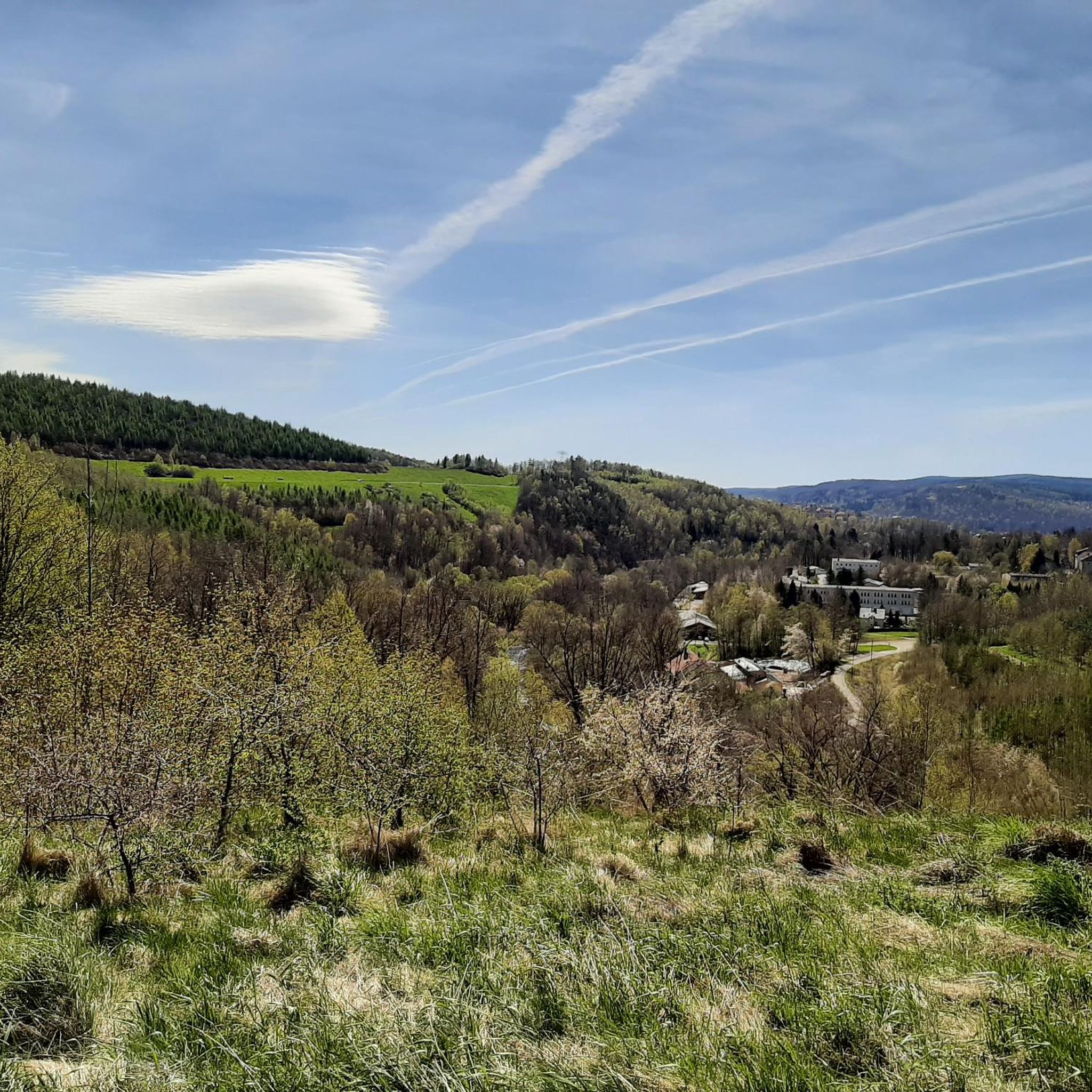
MTB Trails around Bad Schlema
Running Trails around Bad Schlema
Other adventures around Bad Schlema


Tips from the Community

Not visible from the Erzengelweg, it needs to be searched for a bit, but is easily doable. A signpost would be "worth its weight in gold" and then there would probably be a clearly visible dirt path. This way, many simply pass by this mining historical site.
1
0

Nestled within the Lößnitz Forest, between Lößnitz, Aue, and Oberpfannenstiel, lies the former mining district of the mining town of Lößnitz, where mining has been practiced since at least 1382. However, the real mining boom in the Kuttengrund valley to the south didn't begin until around 1480. The primary minerals mined were silver, copper, arsenic, and lead. From 1500 onward, numerous adits were driven from the valley floors of the Kuttenbach and Fallbach streams. To date, research has identified 56 adits covering an area of approximately five hectares. From 1720, silver and arsenic mining was revived in eight individual mines. One of these mines is the so-called Reichenbach Adit, known locally as the Kutten Mine. The particularly high arsenic content ensured the mine a modest income until October 1907. The main customer and long-time operator was the private blue dye factory Niederpfannenstiel, located on the Schwarzwasser river.
0
0
A great highlight not only for the adults, it certainly stimulated the sense of adventure and imagination of our kids;)
0
0

a great corner, always worth a trip
1
0
a great corner, always worth a trip
0
0
very nice corner. Always worth a visit
0
0

Something hidden with an interesting history
2
0

Frequently Asked Questions
What types of "cave" experiences can I find around Bad Schlema?
The Bad Schlema region offers a unique blend of experiences, primarily focusing on its rich mining history. You can explore former uranium mines like the Markus-Semmler-Stolln, historical mine tunnels such as the Princes' Cave, and even a therapeutic salt cave at the ACTINON Health Spa. While natural caves are not the primary feature, these sites provide diverse underground attractions.
What is the historical significance of the "caves" in the Bad Schlema region?
The region's 'caves' are deeply tied to its mining heritage. Sites like the Markus-Semmler-Stolln and the Uranium Mining Museum highlight the area's past as a major uranium mining site. The Princes' Cave, a medieval mine tunnel, is famous for its connection to the 1455 "Stealing of the Princes" event, offering a glimpse into Saxon history.
Can I visit historical mines in Bad Schlema?
Yes, you can. The Markus-Semmler-Stolln (Exhibition Mine) offers a two-hour tour 50 meters underground, showcasing the region's uranium mining history. Another option is the Reichenbach Fundgrube Visitor Mine, which has been restored by a local club and offers insights into silver, copper, arsenic, and lead mining.
Is there a therapeutic "cave" experience available in Bad Schlema?
Yes, the ACTINON Health Spa in Bad Schlema features a salt cave. This unique space is constructed with tons of Dead Sea salt, designed to mimic a natural dripstone cave, offering dry salt therapy for relaxation and potential health benefits for respiratory and skin conditions.
What is the story behind the <a href="https://www.komoot.com/highlight/177610" target="_blank" rel="noopener">Princes' Cave</a>?
The Princes' Cave, located near Bad Schlema, is a historical mine tunnel, not a natural cave. It gained fame in 1455 during the "Stealing of the Princes" when Prince Ernst found refuge there after being abducted by Kunz von Kaufungen. It's an 18-meter-long accessible tunnel.
Are there any lesser-known historical mining sites to explore?
Yes, you can discover sites like Hechtlöcher and Rösche of the Martin Römer Stolln, which are part of a nature trail and offer an interesting history of old mining structures. Another historical adit is the Kreuz-Erfindung Adit, used for ore exploration in 1652.
Are the cave experiences around Bad Schlema suitable for families?
Many of the historical mining sites and the salt cave can be suitable for families, offering educational and unique experiences. The Cave Entrance on Floßgrabenweg is also noted as family-friendly, providing a glimpse into an underground passage.
What should I wear for a cave tour in the Bad Schlema area?
For underground tours, it's advisable to wear sturdy, waterproof shoes and bring a light source, as some passages can be dark and damp. Temperatures underground are often cooler than outside, so a jacket or warm layers are recommended.
What outdoor activities can I do near these caves?
The Bad Schlema area offers various outdoor activities. You can find numerous cycling routes, including those around Bad Schlema, with options like the "Mulderadweg Information Point" or "Stein Castle, Hartenstein" loops. For mountain biking, explore trails like the "Waterfall with Picnic Area" loop. Running enthusiasts can find routes such as the "Planet Trail – Saturn" or "Squirrel Spring" loops. More details can be found in the Cycling around Bad Schlema, MTB Trails around Bad Schlema, and Running Trails around Bad Schlema guides.
Are there any museums related to the mining history of Bad Schlema?
Yes, the Uranium Mining Museum (Museum Uranbergbau) in Bad Schlema provides a comprehensive look at the town's transformation into a major uranium mining site. It features a reconstructed mine shaft and exhibits detailing working conditions, social life, and the political context of East Germany's uranium mining industry. You can find more information about it on Atlas Obscura.
What do visitors enjoy most about the caves around Bad Schlema?
Visitors appreciate the unique historical insights into mining, the authentic underground experiences, and the diverse range of attractions from educational mine tours to relaxing salt caves. The historical narratives, such as the "Stealing of the Princes" at the Princes' Cave, are particularly engaging.
Are there any natural features or viewpoints near the cave sites?
While the region's 'caves' are primarily man-made, the surrounding areas offer natural beauty. For instance, the Cave Entrance on Floßgrabenweg is located along the Floßgrabenweg, which is a scenic path. The region is part of the Erzgebirge (Ore Mountains), known for its forests and hiking opportunities, providing natural surroundings for exploration.
Most popular routes around Bad Schlema
Most popular attractions around Bad Schlema

Get inspired with the komoot mobile app


Explore more
Extend your search for the best caves by checking out these guides of the top ones around Bad Schlema:
