Top 13 Lakes around Windbergen
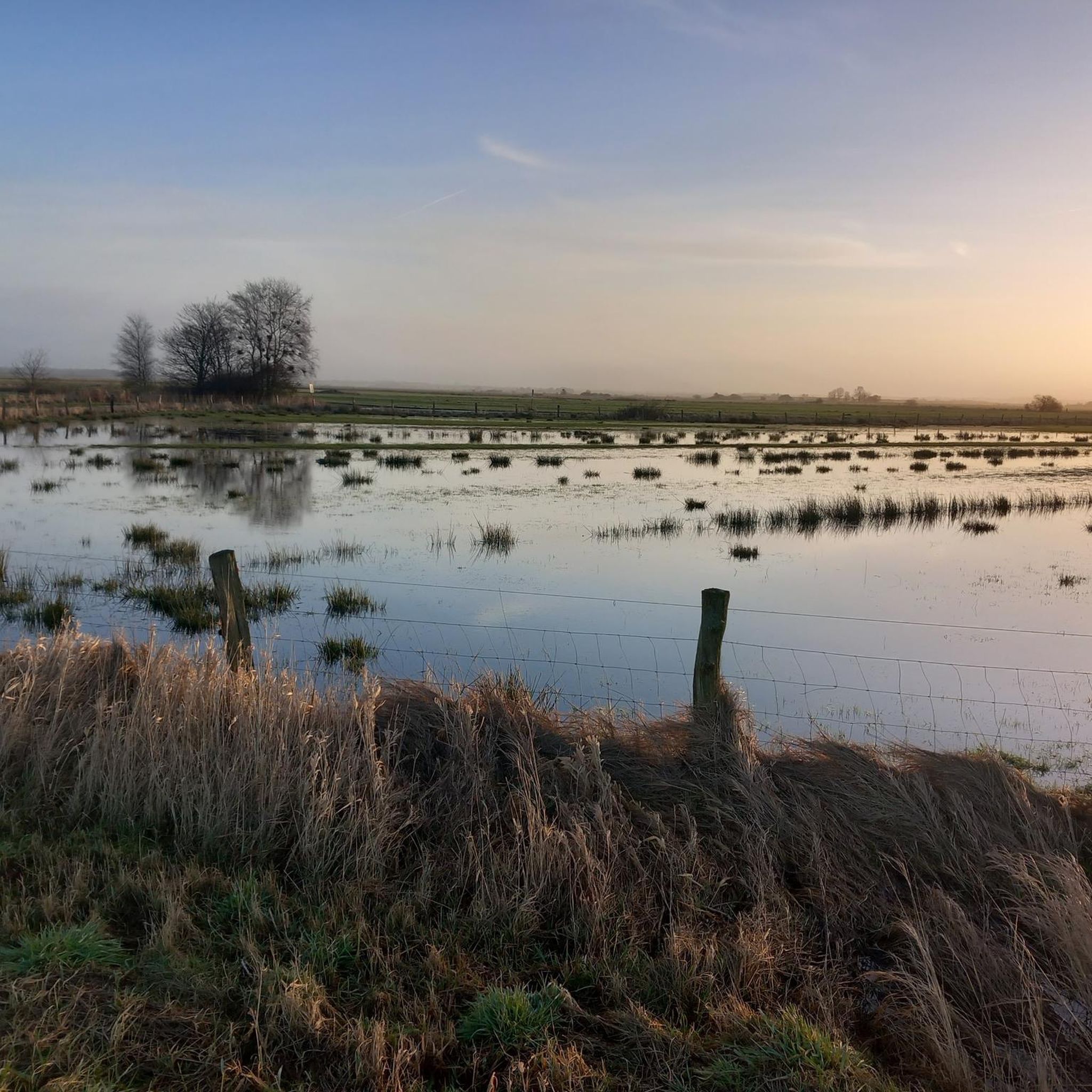
Lakes around Windbergen are characterized by a unique natural landscape, primarily featuring the Kronenloch Nature Reserve. This area, located in Schleswig-Holstein, Germany, is notable for its inland saltwater biotope with tidal influence from the North Sea. It serves as a significant habitat for diverse flora and fauna, particularly various bird species. The region offers opportunities for nature observation and cycling along well-maintained paths.
Best lakes around Windbergen
- The most popular lakes is Kronenloch Nature Reserve, a natural monument that…
Last updated: June 26, 2026
Kronenloch Nature Reserve
Highlight • Natural Monument
Translated by Google •
Tip by

Helmsand and Salt Marshes
Highlight • Natural
Many very special plant and animal species …
Translated by Google •
Tip by

Sign up now to discover places like this
Get recommendations on the best single tracks, peaks, & plenty of other exciting outdoor places.
Sign up for free
Kudensee Nature Reserve
Highlight • Lake
Translated by Google •
Tip by

Herthateich
Highlight • Lake
Translated by Google •
Tip by

Fieler Moor Nature Reserve
Highlight • Natural
Translated by Google •
Tip by

Sign up for free to discover even more lakes around Windbergen.
Sign up for free
Already have an account?
Start today with a free account
Your next adventure awaits.
Login or Signup
Tips from the Community

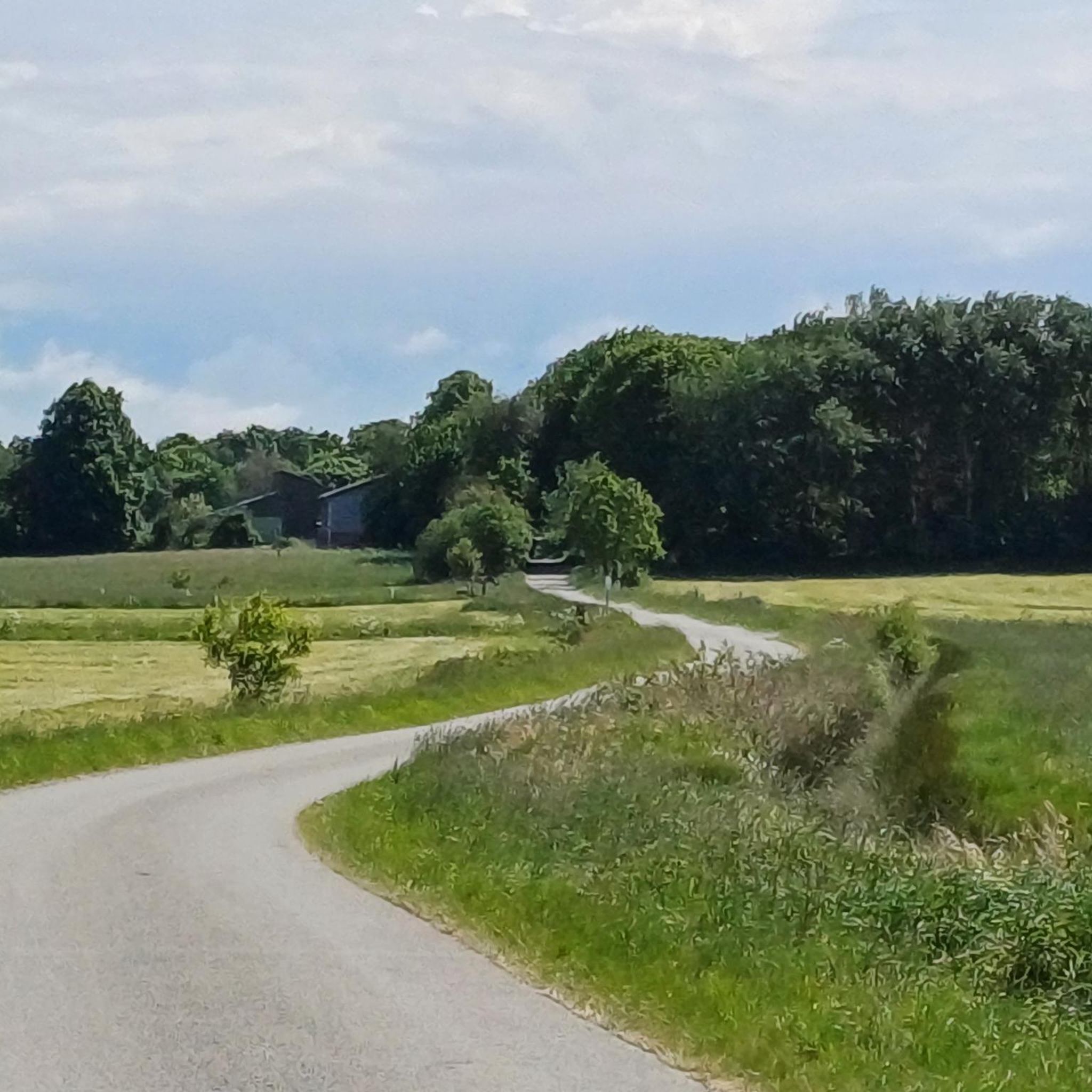
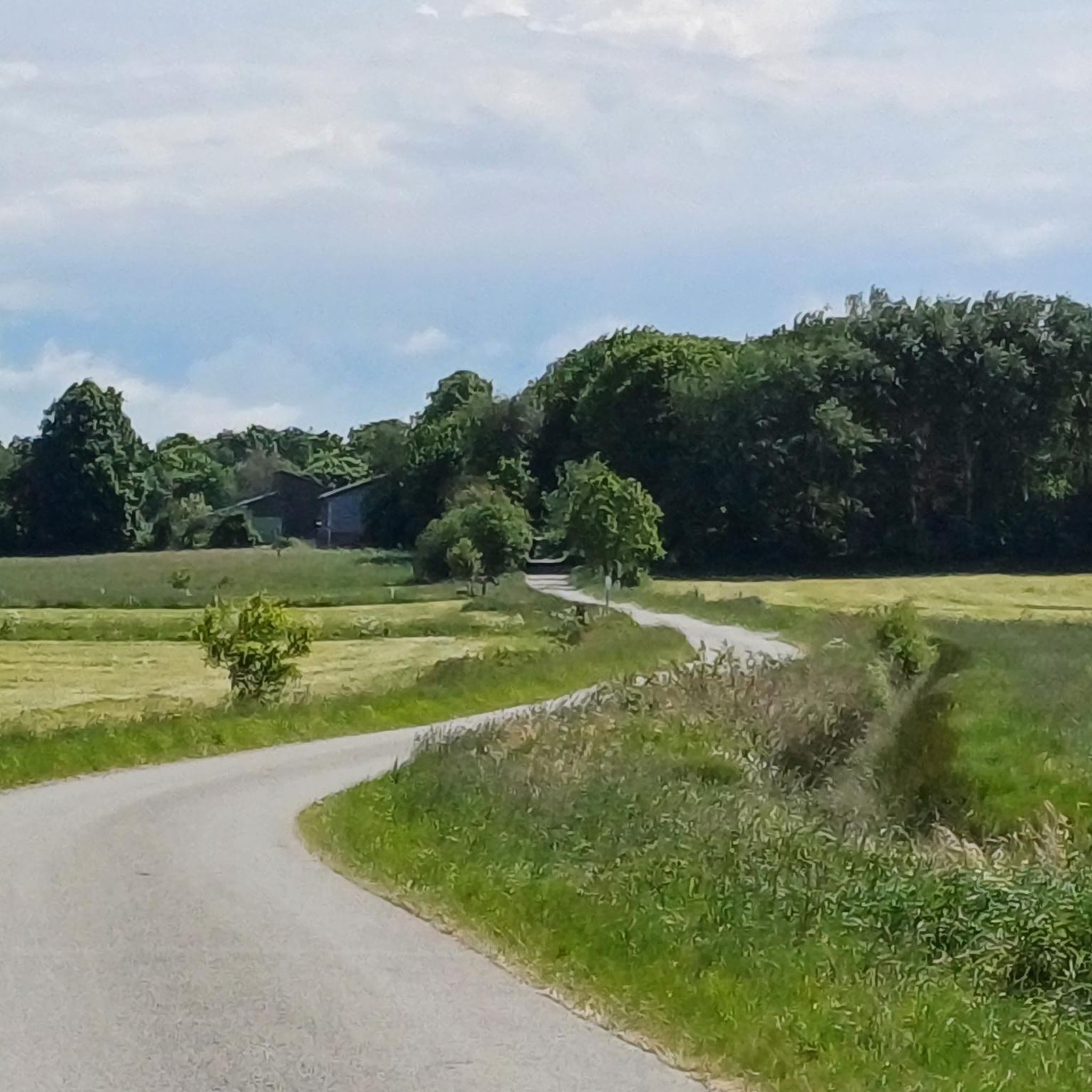
The Herthateich pond is the ideal place to experience Burg's unusual topography (forest and hills in the heart of Dithmarschen). It combines nature (orchard), culture (open-air stage), and history (Bökelnburg Castle) in a very small area. The Herthateich is located in the center of the health resort of Burg. The area is characterized by a strong contrast to the otherwise rather flat marsh landscape of Dithmarschen. Because Burg lies on the geest (a ridge), the area around the pond is hilly and wooded, giving it an almost fairytale-like, sheltered atmosphere.
0
0

You should always expect wind on the North Sea!
1
0

1
0

Kudensee is a municipality in the Steinburg district in Schleswig-Holstein, and also the name of the largest lake in the Dithmarschen district. The Kudensee, with an area of 38.9 hectares, has been a nature reserve since 1935 and has been expanded to 172 hectares since 1992. The lake is the last shallow-water lake in the Elbe marshes and an important European bird sanctuary. It provides a habitat for numerous bird species, including the rare bittern, and serves as a resting place for many migratory birds. The Kudensee is characterized by its extensive reed beds, remnants of marsh forest and willow bushes. The bottom of the lake consists of both soft mud and hard sand. Due to its shallow depth of a maximum of 1.2 meters, the lake has an almost uniform temperature and oxygen distribution, except when the ice is closed, which can be unfavorable for the fish. The fish species living in the lake include bream, white bream, roach, perch, ruffe, eel, pike and zander.
0
0

The nature reserve consists of fen areas, former peat cuttings and wet grassland. During the construction of the federal highway 23, two large ponds were created, which are also part of the nature reserve. Further information about the Fieler Moor nature reserve can be found at: https://de.wikipedia.org/wiki/Fieler_Moor
0
0

Oystercatchers breed on Helmsand.
3
1

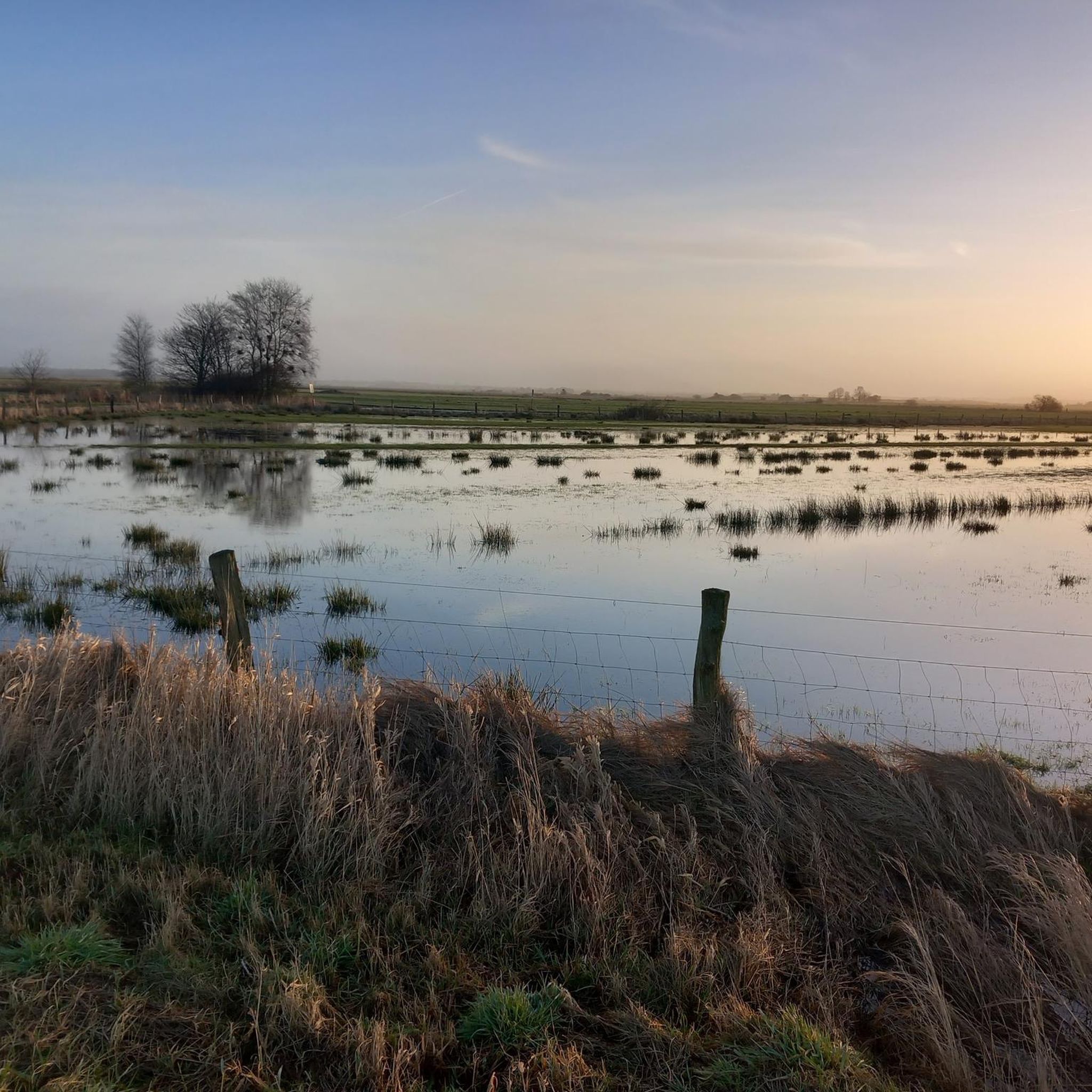
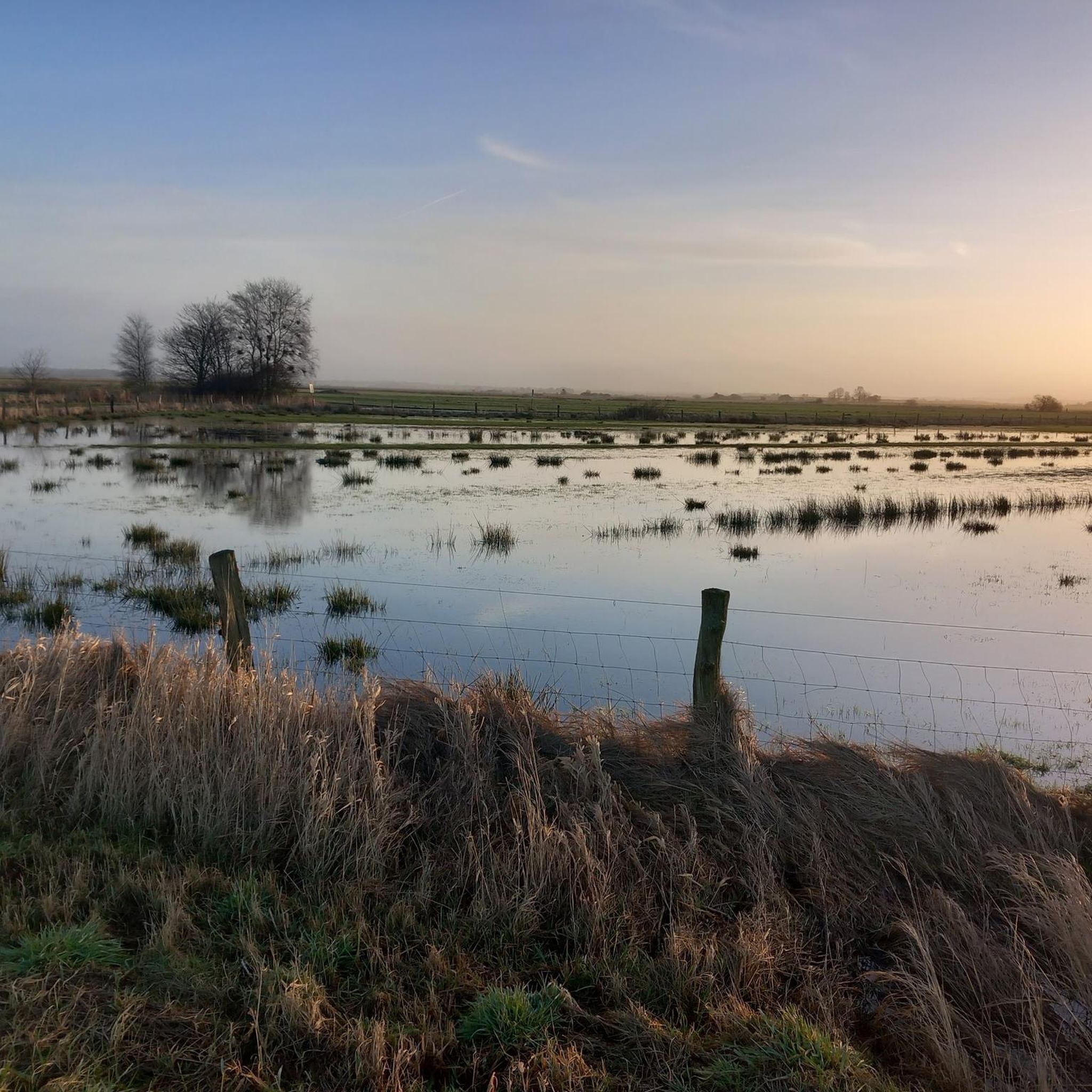
South of the new Meldorf harbor is the 532-hectare Kronenloch nature reserve. Here, for the first time, a saltwater biotope with a tidal influence was created on the west coast within a dike. In the now designated wilderness area (Natura 2000) the goal is: “Let nature be nature”. https://www.schutzstation-wattenmeer.de/unsere-stations/meldorfer-speicherkoog/nsg-kronenloch/
5
0

The nature reserve is fed by the sea water of the North Sea. It was set up in 1985. You can find out more about the Kronenloch in the NABU National Park House. While you cycle through the area on the beautifully landscaped bike path, you can enjoy the beautiful nature. Take a break and keep an eye out for the birds that make their home here.
2
0
Frequently Asked Questions
What makes the natural areas around Windbergen unique compared to traditional lakes?
The region around Windbergen is distinctive for its inland saltwater biotopes and salt marshes, rather than large freshwater lakes. The most prominent example is the Kronenloch Nature Reserve, which is Germany's first inland saltwater biotope with tidal influence from the North Sea. This creates a unique ecosystem supporting specialized flora and fauna.
What kind of wildlife, especially birds, can I expect to see near the lakes and natural reserves?
The natural reserves are a paradise for birdwatchers. At Kronenloch Nature Reserve, you can spot various migratory and resident birds like wading birds, gulls, grey and great egrets, spoonbills, and different duck species. Rare birds such as the bearded tit, Western marsh harrier, and Bluethroat also breed here. Helmsand and Salt Marshes and Kudensee Nature Reserve are also crucial breeding and resting places for shorebirds and marsh birds, including oystercatchers.
Are there good spots for nature observation around Windbergen's natural areas?
Yes, several areas offer excellent nature observation opportunities. The Kronenloch Nature Reserve has observation platforms and huts, along with information signs, to help visitors observe the flora and fauna without disturbing the wildlife. Helmsand and Salt Marshes and Fieler Moor Nature Reserve also provide viewpoints to appreciate the diverse landscapes and birdlife.
What outdoor activities are popular near the lakes and natural reserves in Windbergen?
Cycling and hiking are popular activities. You can explore the areas via well-maintained cycling paths, especially around the Kronenloch Nature Reserve. There are also numerous routes for cycling and running, such as those found in the Cycling around Windbergen guide and Running Trails around Windbergen guide.
Are there family-friendly lakes or natural areas to visit around Windbergen?
Yes, several spots are suitable for families. The Kudensee Nature Reserve, Herthateich, and Fieler Moor Nature Reserve are all marked as family-friendly. These areas offer opportunities for easy walks and nature observation that can be enjoyed by all ages.
Can I find hiking trails near the natural reserves in Windbergen?
Absolutely. The region offers various hiking opportunities. For example, the Fieler Moor Nature Reserve is ideal for exploring on foot. You can find a selection of easy hikes in the area through the Easy hikes around Windbergen guide, which includes routes like the 'Pilgrim Center Windbergen loop'.
Is the Kronenloch Nature Reserve accessible for everyone?
The Kronenloch Nature Reserve is noted for its accessibility, including well-maintained cycling paths and an observation hut. The NABU National Park House 'Wattwurm' nearby also offers a barrier-free nature trail, making it accessible for a wider range of visitors.
What is the best time to visit the salt marshes and natural reserves to see blooming plants?
The salt marshes, such as those at Helmsand and Salt Marshes, are particularly colorful in midsummer when sea lavender and salt aster bloom. This period offers a vibrant display of coastal vegetation adapted to the saline conditions.
Are there any historical or cultural sites near the lakes?
Yes, the Herthateich (Hertha Pond) is a notable historical site. It features two pre-Christian stone tables, which are boulders smoothed by glaciers, believed to have served as a place of sacrifice or a place where justice was administered, dedicated to Hertha, the goddess of fertility.
What do visitors enjoy most about the natural areas around Windbergen?
Visitors particularly appreciate the unique natural landscape, especially the Kronenloch Nature Reserve's distinct saltwater biotope and its rich birdlife. The well-maintained cycling paths and opportunities for quiet nature observation are also highly valued, as evidenced by over 600 upvotes and 60 photos shared by the komoot community.
What are the main differences between the Kudensee Nature Reserve and Kronenloch Nature Reserve?
The Kudensee Nature Reserve is a freshwater, shallow-water lake, and the largest in the Dithmarschen district, known for its marsh and water birds. In contrast, the Kronenloch Nature Reserve is an inland saltwater biotope with tidal influence from the North Sea, offering a unique brackish water ecosystem and different bird species adapted to that environment.
Can I cycle around the natural reserves?
Yes, cycling is a popular way to explore the area. The Kronenloch Nature Reserve, for instance, features beautifully landscaped bike paths that allow you to enjoy the scenery and observe wildlife. Many cycling routes in the region pass through or near these natural areas, as detailed in the Cycling around Windbergen guide.
Most popular routes around Windbergen
Most popular attractions around Windbergen

Get inspired with the komoot mobile app


Explore more
Still not found your perfect lake around Windbergen? Check out the guides of these regions to see even more beautiful places.
