Top 20 Caves around Großschirma
Best caves around Großschirma are predominantly historical mining tunnels and visitor mines, reflecting the region's rich industrial heritage. Situated within the historic Ore Mountains (Erzgebirge), a UNESCO World Heritage site, Großschirma's underground attractions offer insights into centuries of ore extraction. Due to the geological composition of the Erzgebirgskreis, natural dripstone caves are not common. The area provides accessible mining sites that are deeply intertwined with the cultural and economic heritage of the Ore Mountains.
Best caves around Großschirma
- The most…
Last updated: September 29, 2026
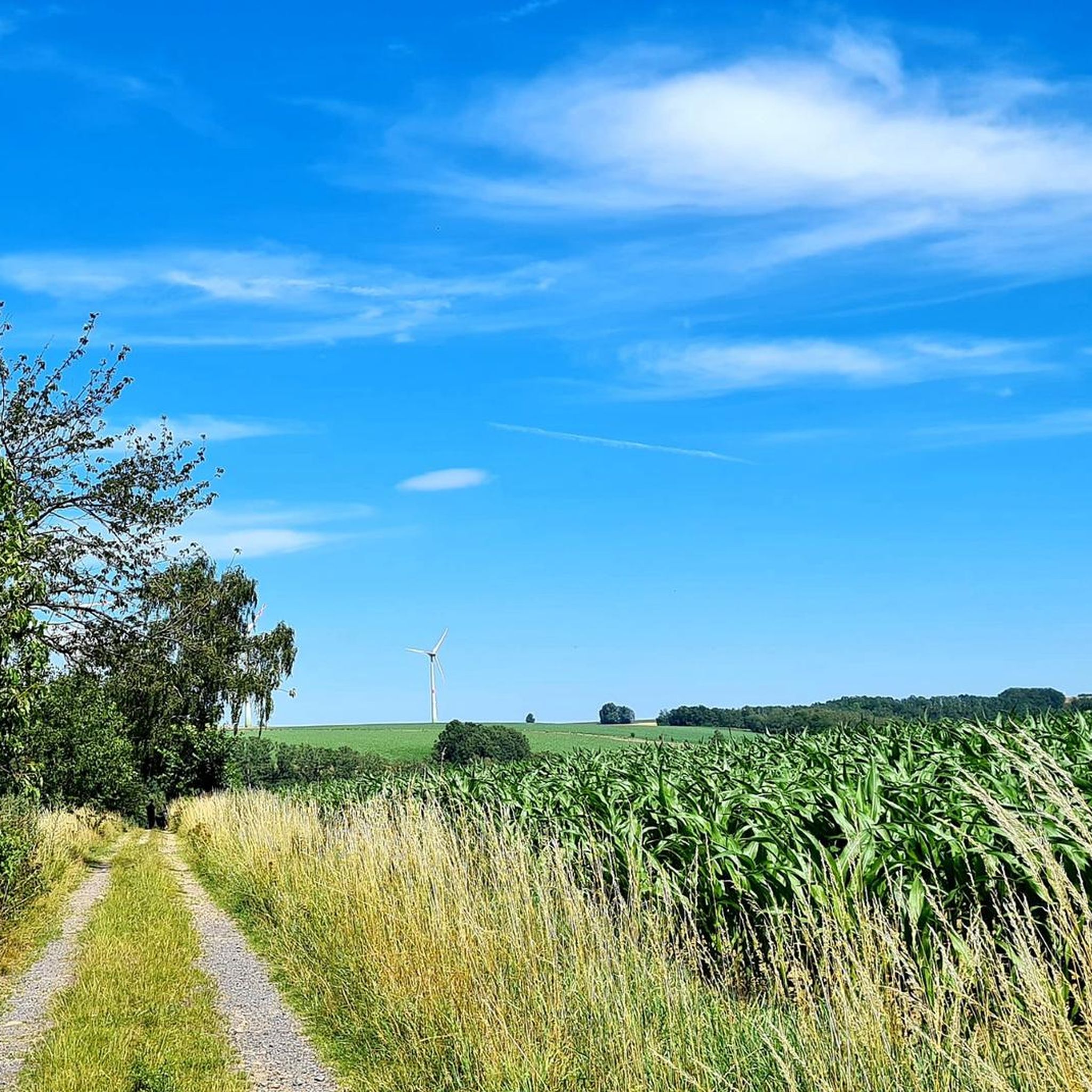
Upper portal of the Porzellanfelsenrösche
Highlight • Cave
Translated by Google •
Tip by

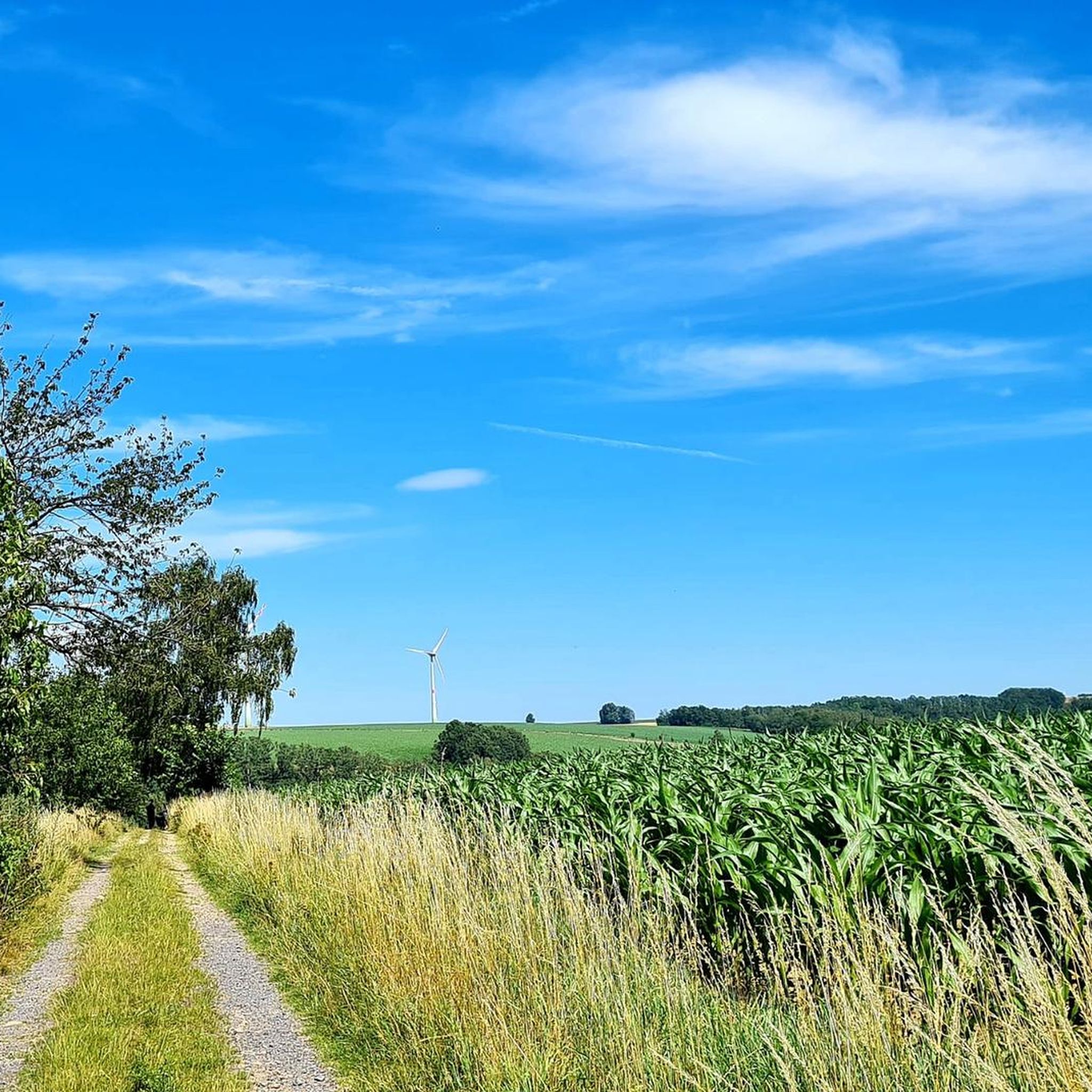
Berbersdorf Lime Quarries
Highlight • Historical Site
Starting in the …
Translated by Google •
Tip by

Sign up now to discover places like this
Get recommendations on the best single tracks, peaks, & plenty of other exciting outdoor places.
Adam Stolln Mine Entrance
Highlight • Historical Site
Translated by Google •
Tip by

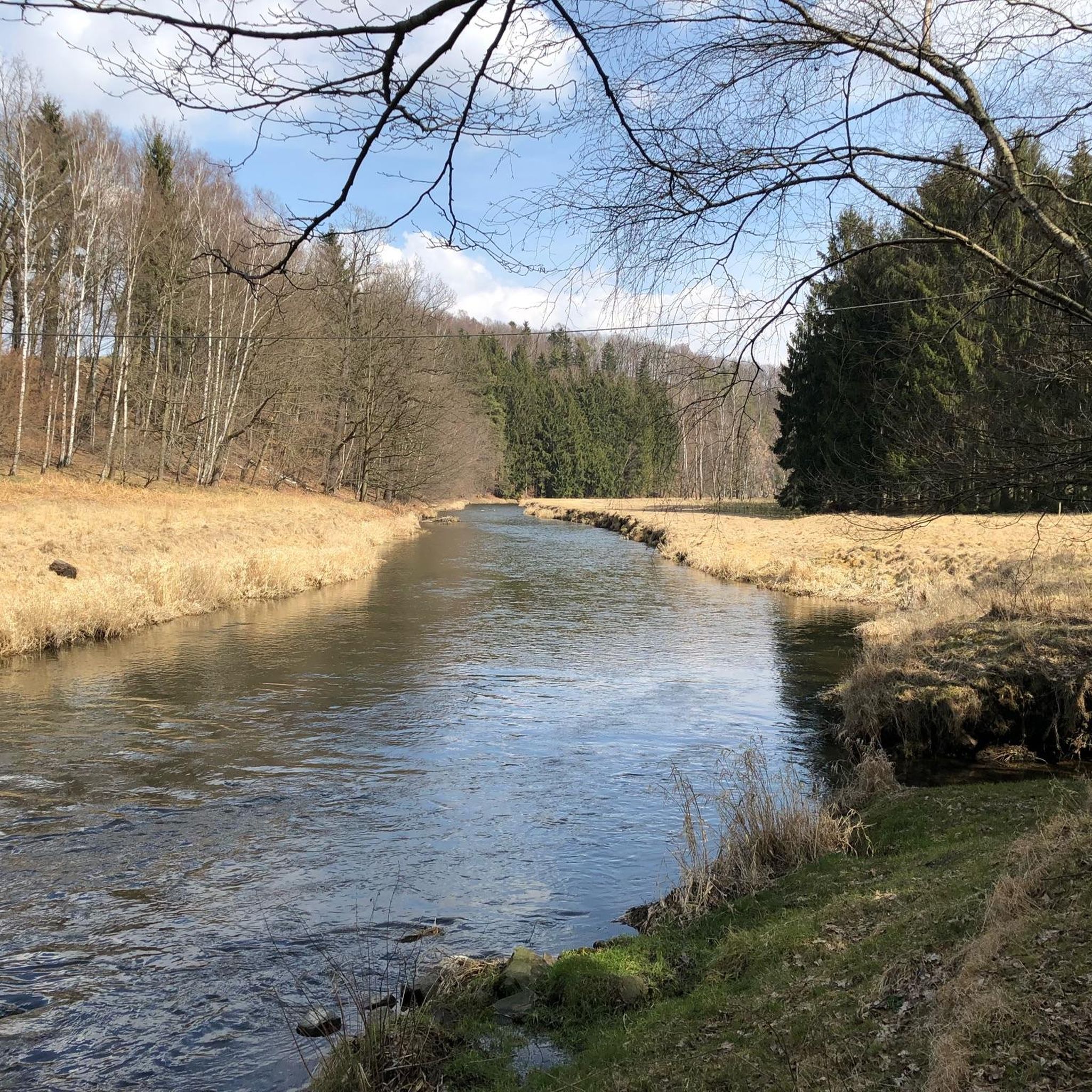
Entrance to the Old/Deep Fürstenstolln
Highlight • Historical Site
In the valley of the Freiberger Mulde, the mouth of the most important and longest Freiberger adit was attached to the main adit Stehenden. …
Translated by Google •
Tip by

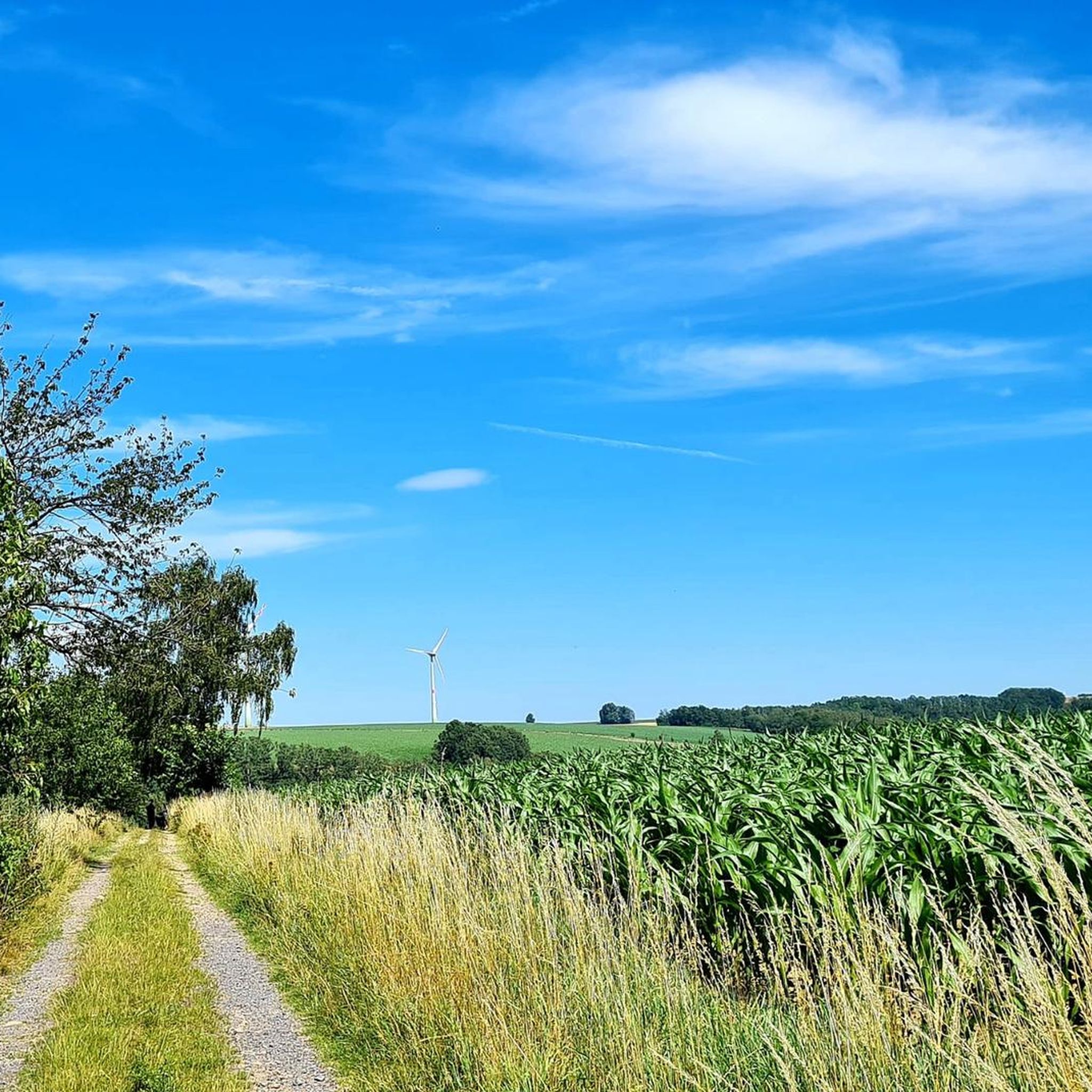
Andreas Alnpeckscher (Weißstaubner) Stolln
Highlight • Structure
Translated by Google •
Tip by

Sign up for free to discover even more caves around Großschirma.
Already have an account?
Start today with a free account
Your next adventure awaits.

Tips from the Community

For the tour you should be a group of 10 people. Highly recommended. The nunner is already mentioned in the comment above :-)
0
0

Water dissolution tunnel of the Gersdorf mining industry. Named after Adam von Starschedel, landowner of Gersdorf after the Reformation. The tunnel was opened up in the 17th century, which allowed the abandoned mining to be resumed. At times it was used as a canal, ore was transported by water to the laundry. From 1833 onwards it was transported by rail - 1885 the mine closed - since 1980 it has been used by Segen Gottes Erbstolln e.V. Gersdorf - according to the information board
0
0

great corner, always worth a trip
0
0

Lime mining is one of the first economically important industries alongside agriculture in our villages. The first beginnings are thought to date back to the 12th century. Starting in the 17th century, several landowners from Kaltofen and Berbersdorf appear as owners of lime works and kilns. Source: Display board
4
0

Access by 🚴♂️ only possible via the stairs, return only via stairs
0
0

what a beautiful landscape
0
0

early ore mining and silver panning one of many mouth holes in the Gersdorf Forest
1
0
quartzite was extracted here, an additive for porcelain production
1
1
Frequently Asked Questions
What kind of "caves" can I expect to find around Großschirma?
The "caves" around Großschirma are predominantly historical mining tunnels and visitor mines, reflecting the region's rich industrial heritage. Due to the geological composition of the Erzgebirgskreis, natural dripstone caves are not common. Instead, you'll explore fascinating underground environments created by centuries of ore extraction, offering insights into the area's mining past.
Are there any natural geological formations or caves to explore?
While the region is primarily known for its historical mining tunnels, you can find interesting geological outcrops. For example, the Heyneberg Limestone Quarry Cave offers an interesting geological outcrop of the Nossen-Wilsdruffer Slate Mountains, where limestone quarrying has resulted in an accessible cave.
Which historical mining sites are particularly notable near Großschirma?
Beyond the immediate Großschirma area, the broader Ore Mountains region offers several significant historical mining sites. The "Reiche Zeche" and "Alte Elisabeth" in Freiberg are renowned silver mines showcasing 800 years of mining tradition. Another impressive site is the "Markus Röhling Stolln" Visitor Mine in Annaberg-Buchholz, which provides an immersive experience with mine trams and historical tools.
What is unique about the "Molchner Stolln" Show Mine?
The "Molchner Stolln" Show Mine is known as one of the oldest and most beautiful show mines in the Ore Mountains. It has a history of silver, tin, copper, and iron mining dating back to 1491, offering a picturesque and well-preserved example of historical mining operations.
Can I visit the Pöhla Tin Caverns, and what makes them special?
Yes, the Pöhla Tin Caverns Visitor Mine is home to some of the largest tin chambers in Europe. It offers an exciting 3,000-meter train journey deep into the mountain, with guided tours by former miners. The sheer scale of the tin chambers and the engaging train ride make for a memorable experience. You can find more information at visitsaxony.com.
Are there family-friendly options for exploring caves or mines?
Yes, several sites are suitable for families. The Upper portal of the Porzellanfelsenrösche is listed as family-friendly and offers an interesting historical context of quartzite mining. Many visitor mines in the wider region, such as "Markus Röhling Stolln," are designed to be educational and engaging for all ages, often including helmet-wearing and tram rides.
What kind of historical insights can I gain from visiting these sites?
Visiting these sites offers deep insights into the region's mining history, which is part of the UNESCO World Heritage Ore Mountains. You can learn about the evolution of mining techniques, the challenging conditions faced by miners, and the economic and cultural significance of ore extraction from medieval times through the 20th century. Sites like the Adam Stolln Mine Entrance feature explanatory panels and historical machinery.
What outdoor activities can I combine with a visit to the caves around Großschirma?
The area around Großschirma is excellent for various outdoor activities. You can find numerous hiking trails, including moderate routes like the "Nossen Castle – View of Nossen Castle loop from Siebenlehn." There are also options for cycling and mountain biking, with routes exploring the Freiberger Mulde Valley and surrounding landscapes.
What do visitors enjoy most about the caves and mining sites near Großschirma?
Visitors particularly appreciate the historical depth and unique underground experiences. The komoot community has shared over 180 photos and given more than 320 upvotes for the caves around Großschirma, highlighting the engaging nature of these sites. Many enjoy the detailed explanations, well-preserved historical elements, and the opportunity to step back in time into the world of mining.
What is the significance of the "Zinngrube Ehrenfriedersdorf" Tin Mine?
The "Zinngrube Ehrenfriedersdorf" Tin Mine is part of the Saxon Museum of Industry and provides a broad historical overview of tin mining and its industrial development in the Ore Mountains, from medieval times through the 20th century. It's a key site for understanding the region's industrial heritage.
Are there any specific historical sites related to lime mining?
Yes, the Berbersdorf Lime Quarries are a significant historical site. Lime mining was one of the first economically important industries in the region, with beginnings thought to date back to the 12th century. This location showcases the historical importance of lime extraction in the area.
Most popular routes around Großschirma
Most popular attractions around Großschirma

Get inspired with the komoot mobile app


Explore more
Extend your search for the best caves by checking out these guides of the top ones around Großschirma:
