Top 8 Caves around Gaildorf
Caves around Gaildorf are primarily found in the surrounding region, characterized by the Swabian-Franconian Forest and its unique geological formations. While natural caves are not prominent directly within Gaildorf, the area features notable cave-like formations, grottos, and historical mines. These sites offer insights into the region's geology and past industries. The landscape is shaped by sandstone formations, leading to erosion caves and rock shelters.
Best caves around Gaildorf
- The most popular caves is Gallengrotte, a cave that leads through…
Last updated: September 29, 2026
Gallengrotte
Highlight • Cave
Translated by Google •
Tip by

Götzenloch
Highlight • Cave
Translated by Google •
Tip by

Sign up now to discover places like this
Get recommendations on the best single tracks, peaks, & plenty of other exciting outdoor places.
Forest Cave in Naturpark Schwäbisch-Fränkischer Wald
Highlight • Cave
Translated by Google •
Tip by

Hohler Stein Vordersteinenberg
Highlight • Cave
Translated by Google •
Tip by

Götzenloch Cave
Highlight • Cave
Translated by Google •
Tip by

Sign up for free to discover even more caves around Gaildorf.
Already have an account?
Start today with a free account
Your next adventure awaits.
Popular around Gaildorf

Discover the best of the south on the Deutschland Tour
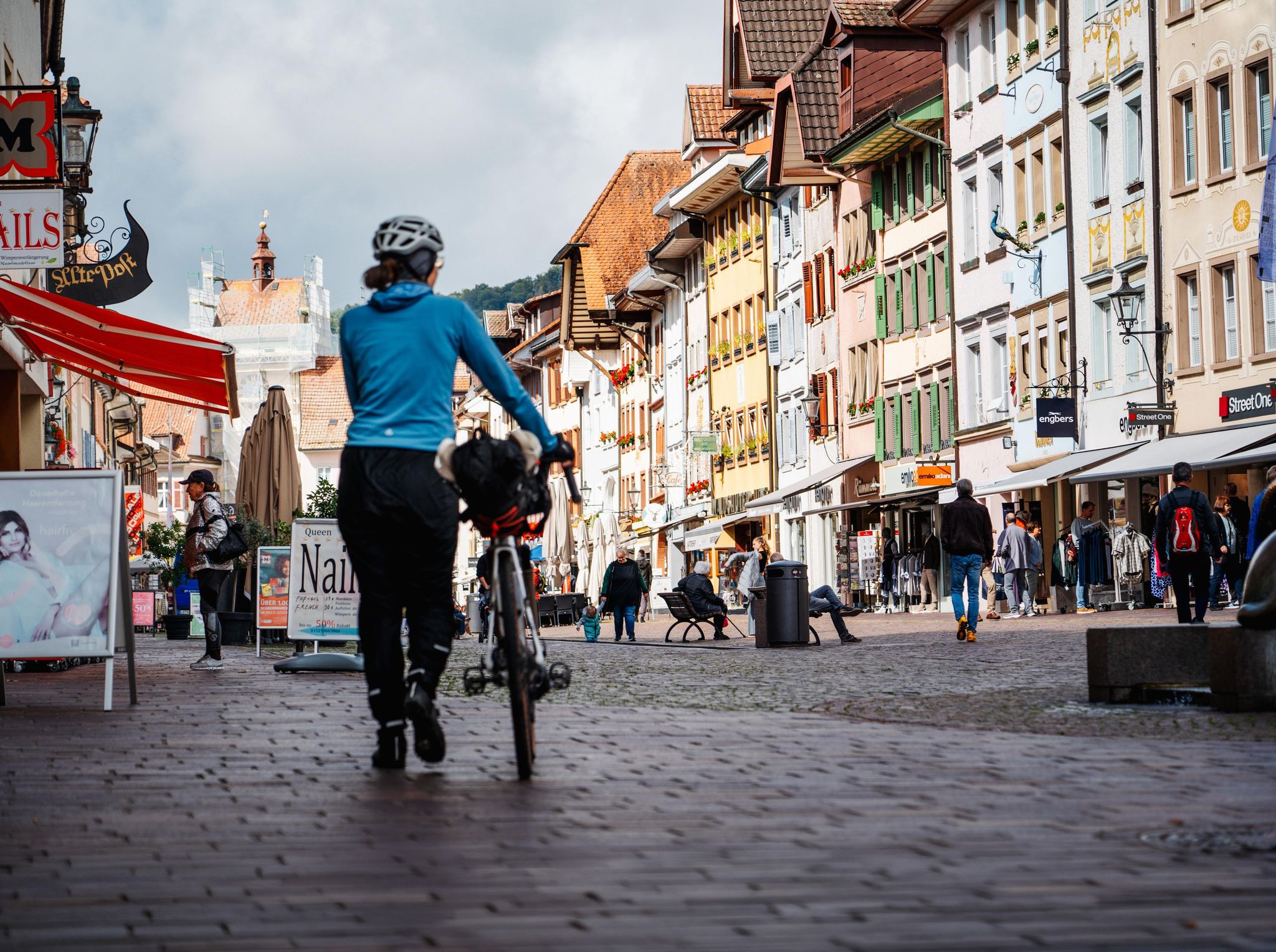
Adventure on two wheels – overnight cycling trips in Baden-Württemberg
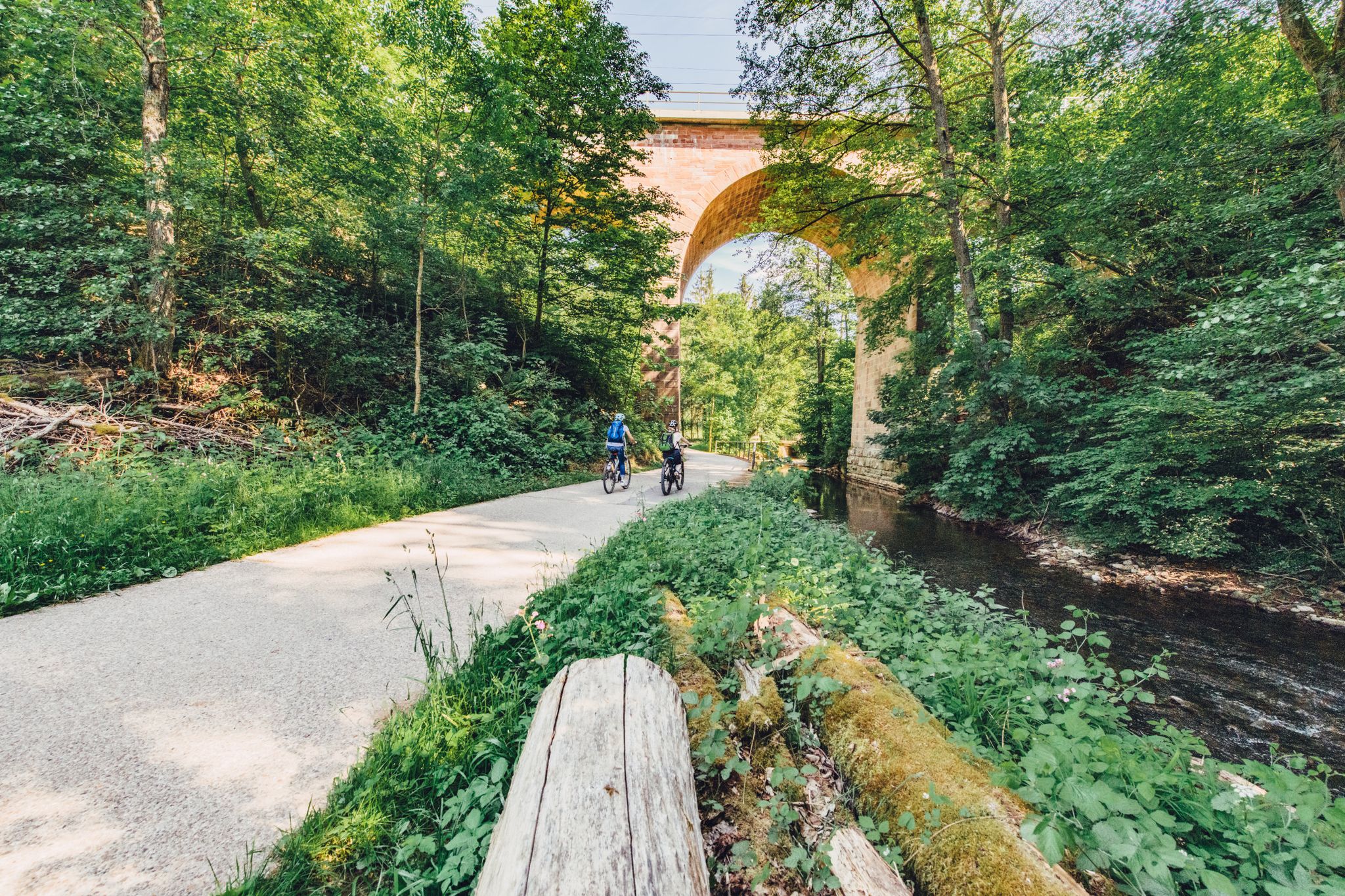
Weekend rides along the Kocher, Jagst and Neckar rivers in Germany
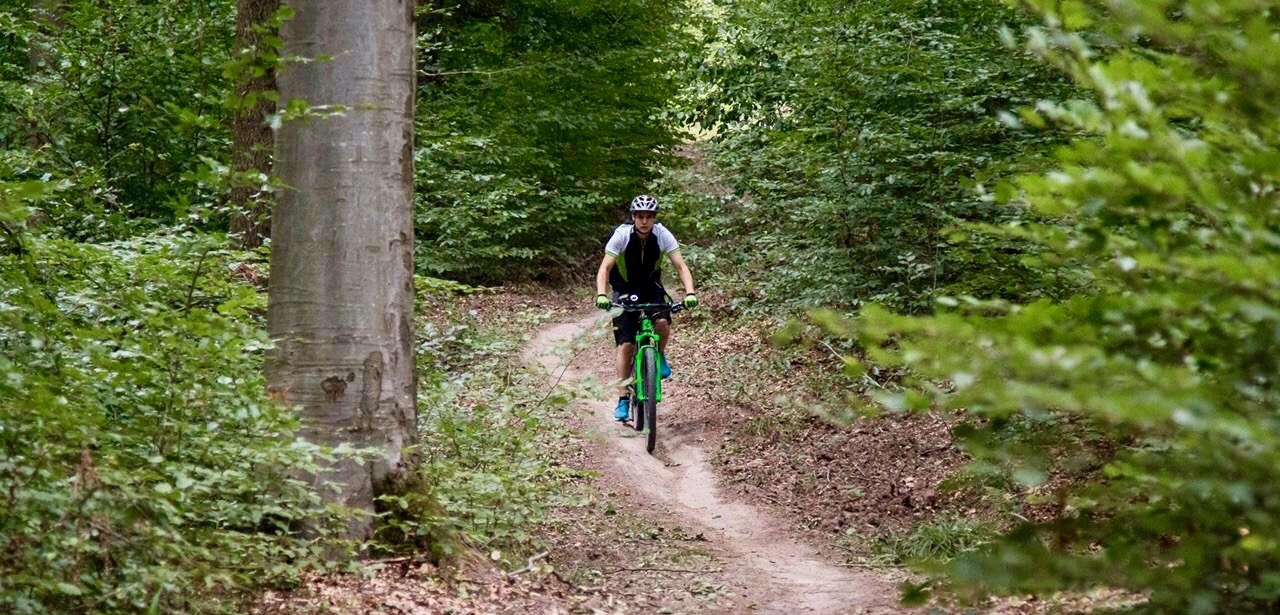
33 MTB trails through German forests
Cycling around Gaildorf
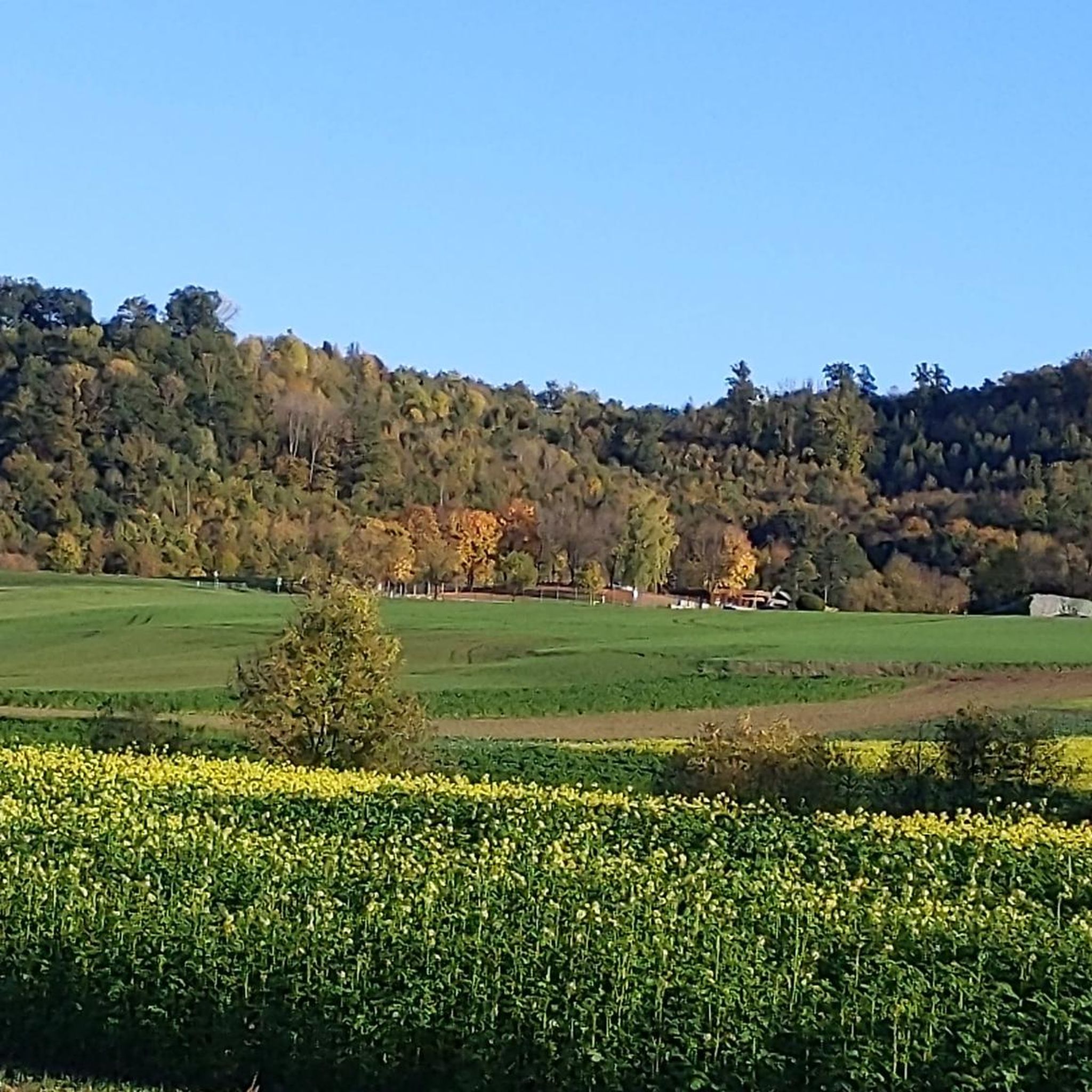
Hiking around Gaildorf
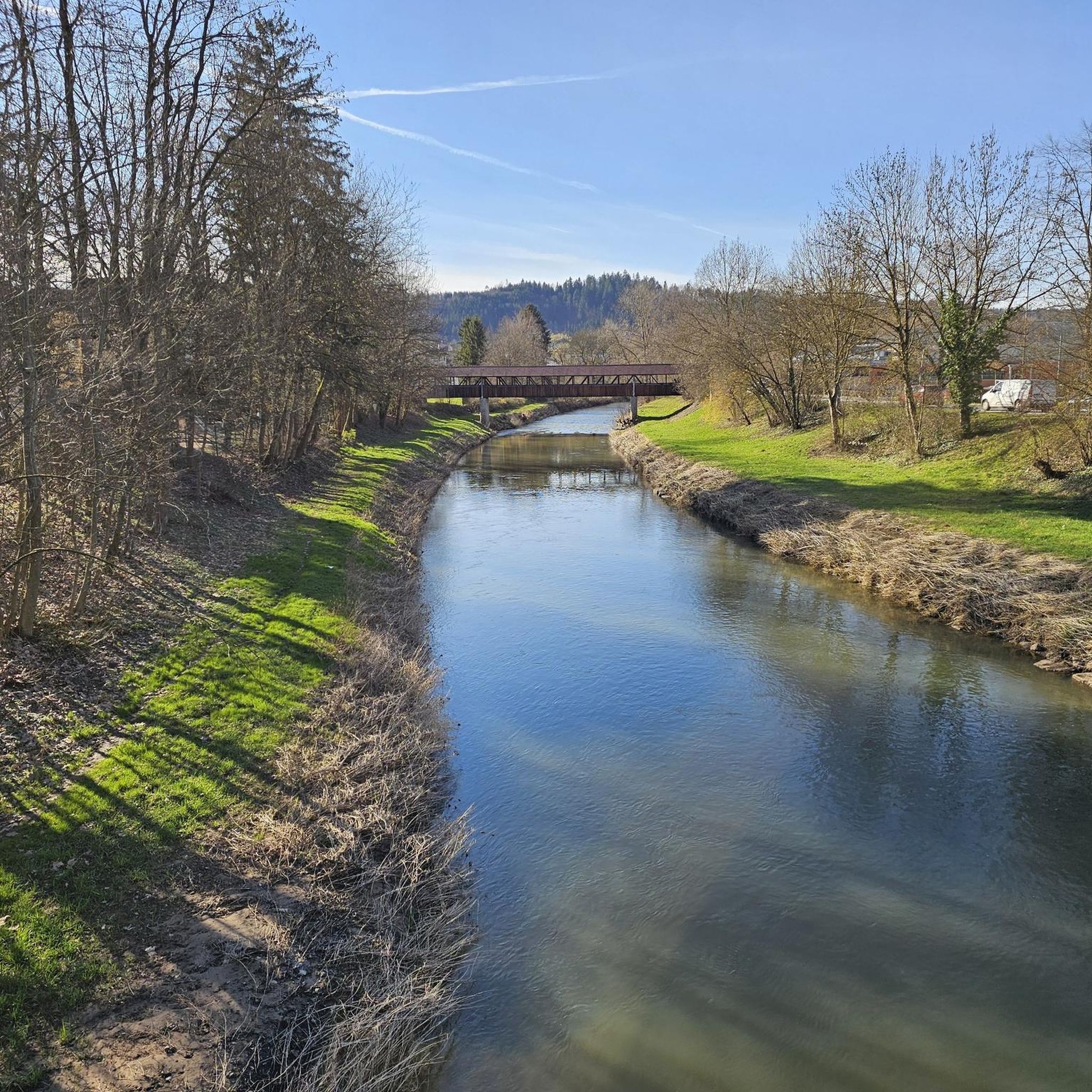
Running Trails around Gaildorf
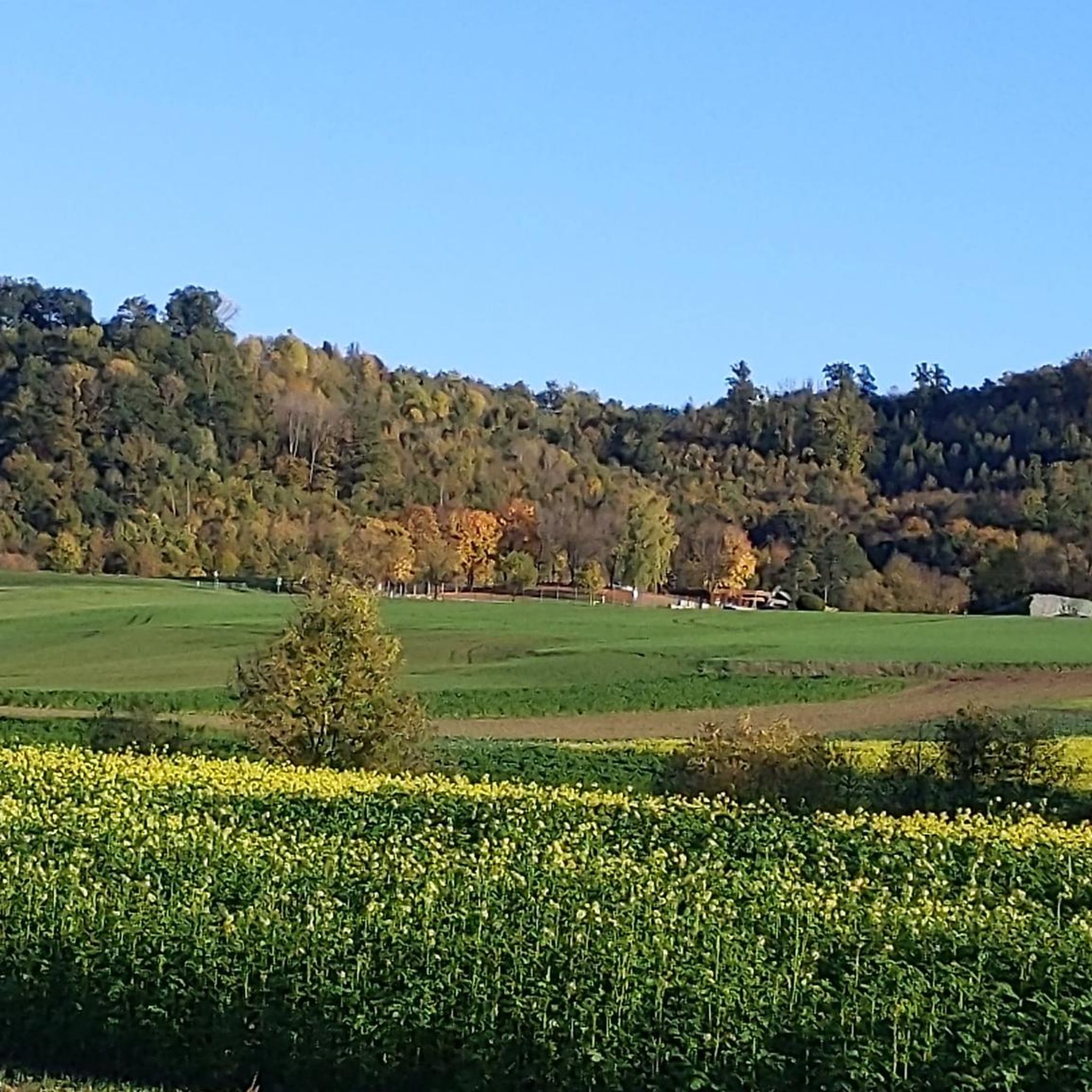
Road Cycling Routes around Gaildorf
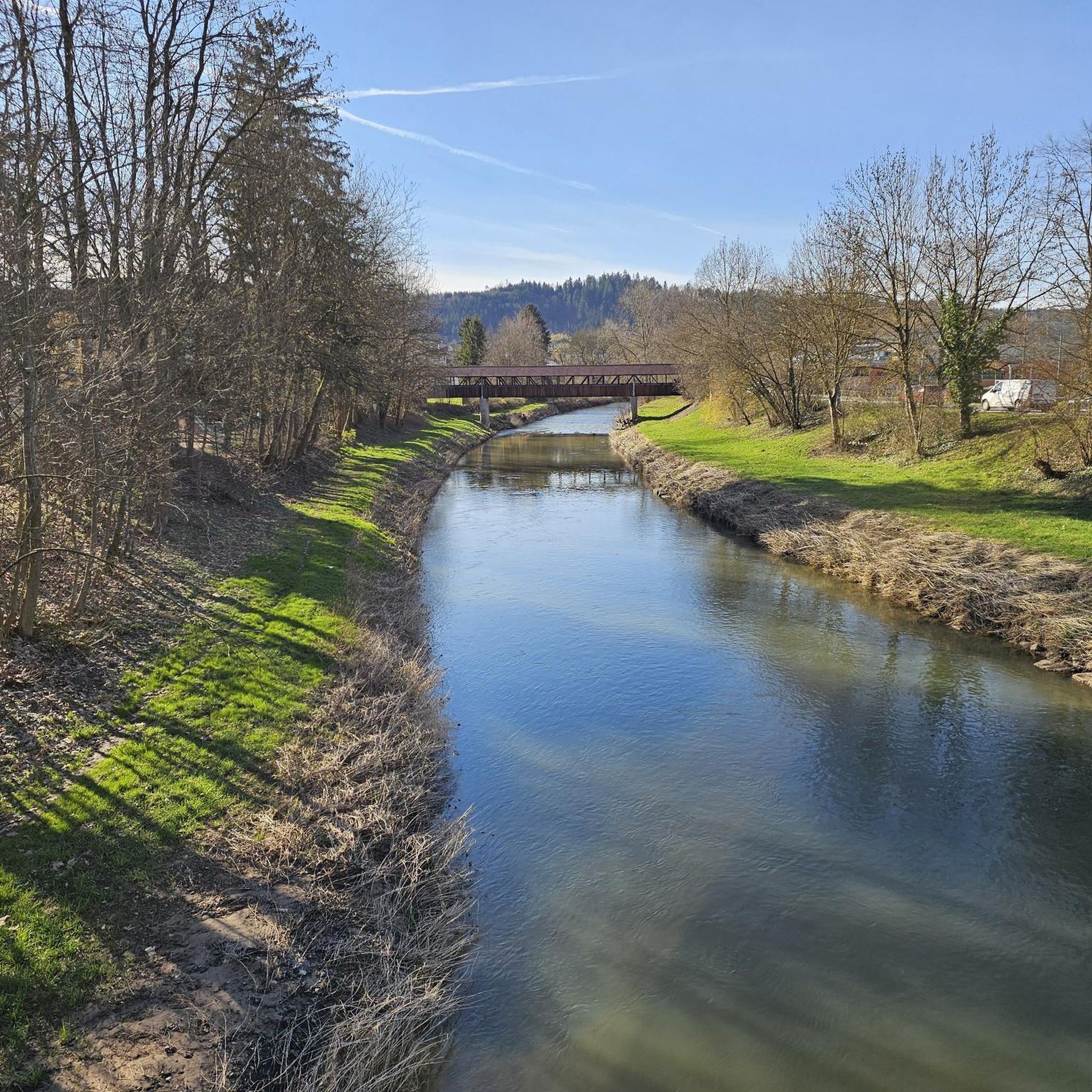
MTB Trails around Gaildorf

Gravel biking around Gaildorf
Other adventures around Gaildorf


Tips from the Community

Hidden in the middle of the forest near Spraitbach is the Götzenlochhöhle, a small, enchanted natural sandstone cave in the Swabian-Franconian Forest Nature Park. Unlike the large dripstone caves of the Swabian Jura, the Götzenloch owes its charm primarily to its quiet location and the special atmosphere between mossy forest and shady paths. The unusual name is presumably due to old legends or pre-Christian cult sites. Nobody knows for sure anymore. That's precisely what makes the place so exciting. A perfect spot for a short break in the middle of the forest, including a little piece of Ostalb mysticism.
0
0

Discovery highlight for nature lovers
0
0

It is well-intentioned, but I would approach it with caution after a heavy rain...
0
0

An interesting cave, which looks like an igloo. Accessible via a footpath.
1
0


The hollow stone near Ruppertshofen is a beautiful destination. Please do not use sensitive shoes in wet weather 😉👍.
3
2

Interesting cave on this route
0
0
Frequently Asked Questions
What types of caves can I explore around Gaildorf?
The region around Gaildorf is known for its unique geological formations, primarily featuring erosion caves, grottos, and historical mine tunnels. These include impressive natural monuments like the Gallengrotte, a deep grotto formed in the rugged landscape, and the Hohler Stein Cave near Ruppertshofen. Further afield in the Mainhardt area, you can find the impressive Hohler Stein Erosion Natural Monument with a waterfall, and historical sites like the Whetstone Mine.
Are there any historical caves or mines to visit near Gaildorf?
Yes, the Mainhardt area, a short drive from Gaildorf, offers significant historical sites. You can explore the Whetstone Mine (Wetzsteinstollen), a unique visitor mine that was once a quarry for sandstone used in whetstone production. Guided tours are available on select Sundays from May to September. The Silberstollen Spiegelberg also provides insight into 18th-century silver mining attempts.
What are some family-friendly cave experiences in the Gaildorf area?
While many of the natural erosion caves like Hohler Stein Vordersteinenberg offer accessible paths for families to explore the formations, the historical Whetstone Mine near Mainhardt provides an engaging educational experience with guided tours suitable for various ages. For a more relaxed visit, the Madonna Grotto (Anhausen) is a charming spot.
What geological features are prominent in the caves around Gaildorf?
The caves around Gaildorf are primarily shaped by the Stubensandstein formation, a type of sandstone. This geology leads to erosion caves and rock shelters, often characterized by arched rock walls, grooves, and small caves formed at fissures. The Hohler Stein Erosion Natural Monument near Mainhardt is a prime example, featuring a large niche carved by erosion into the sandstone, with claystone lenses facilitating its formation.
Are there hiking trails that lead to or past caves near Gaildorf?
Yes, many of the caves and cave-like formations are integrated into hiking routes. For instance, the Gallengrotte is part of a path through rugged rocky landscape near Lake Ebnisee. The Forest Cave in Naturpark Schwäbisch-Fränkischer Wald is another interesting cave found along a route. You can find various hiking options in the region by exploring Running Trails around Gaildorf or Cycling around Gaildorf, which often pass by natural features.
What is the best time of year to visit the caves near Gaildorf?
The natural erosion caves and rock formations around Gaildorf can be visited year-round. The Hohler Stein Erosion Natural Monument is particularly striking in winter when adorned with icicles. For the historical Whetstone Mine, guided tours are offered from May to September. The Swabian Alb's Wimsener Höhle, a water cave, is open from April to October. Always check specific opening times for guided tours or visitor mines.
Are there any caves in the wider region, like the Swabian Alb, worth visiting?
Absolutely. The Swabian Alb, though further afield (about a 45-minute drive south of Stuttgart), is renowned for its extensive karst topography and numerous deep caves. Notable show caves include the Wimsener Höhle (Germany's only active water cave navigable by boat), Bärenhöhle (Bears' Cave) and Nebelhöhle (both dripstone caves), and Laichinger Tiefenhöhle (Germany's only vertical cave open to the public). The Swabian Alb also boasts UNESCO World Heritage Sites for Ice Age art and artifacts. More information can be found on Wikivoyage.
What do visitors enjoy most about the caves and natural features around Gaildorf?
Visitors appreciate the unique geological formations and the sense of discovery. The Gallengrotte is praised for its deep grotto and rugged landscape. The Hohler Stein Vordersteinenberg is considered a 'discovery highlight for nature lovers.' Many enjoy the picturesque settings and the opportunity to combine cave exploration with hiking in the Swabian-Franconian Forest.
Are there any caves near Gaildorf that served historical purposes beyond mining?
Yes, the Lumpenloch Cave in the Mainhardt area has historical significance. It served as a refuge for hundreds of people at the end of World War II in 1945. Today, it is recognized as an important bat roost, highlighting its ecological value.
What other outdoor activities can I do near the caves around Gaildorf?
Beyond exploring caves, the region offers a variety of outdoor activities. You can find numerous options for Road Cycling, Running, and General Cycling. These routes often take you through the scenic Swabian-Franconian Forest, past lakes, and other natural attractions, providing a comprehensive outdoor experience.
Are the caves around Gaildorf easily accessible, and is parking available?
Many of the natural formations, such as the Hohler Stein Cave near Ruppertshofen, are located a short walk from paths, making them relatively accessible. For specific historical sites like the Whetstone Mine, visitor information typically includes details on parking. It's advisable to check local tourist information or specific site details for the most accurate accessibility and parking information for each location.
What should I wear when visiting caves in the Gaildorf region?
For natural erosion caves and rock shelters, comfortable hiking shoes with good grip are recommended, especially as paths can be rugged or wet. Layers of clothing are advisable, as temperatures inside caves can be cooler than outside, even for surface-level formations. For deeper visitor mines or caves like those in the Swabian Alb, a jacket is often necessary, as temperatures can range from 8-12 degrees Celsius.
Most popular routes around Gaildorf
Most popular attractions around Gaildorf

Get inspired with the komoot mobile app


Explore more
Extend your search for the best caves by checking out these guides of the top ones around Gaildorf:
