The 7 Most Amazing Peaks around Fuchsstadt
Mountain peaks around Fuchsstadt are primarily found in the surrounding low mountain ranges, situated in the valley of the Franconian Saale at the foothills of the Bavarian Rhön Mountains. This region is characterized by rolling hills, dense forests, and expansive meadows, offering numerous opportunities for outdoor activities. The area serves as a gateway to the broader Rhön Mountains, known for its volcanic origins and diverse landscapes, providing various hiking trails near Fuchsstadt. The well-maintained network of paths caters to different…
Last updated: April 28, 2026
Sodenberg Cross Chapel
Highlight • Religious Site
de.wikipedia.org/wiki/Sodenberg-Kapelle
Showing Translation
Tip by

Sodenberg Memorial Stone and Panoramic View
Highlight • Viewpoint
Translated by Google •
Tip by
Sign up now to discover places like this
Get recommendations on the best single tracks, peaks, & plenty of other exciting outdoor places.
Sign up for free
Büchelberg
Highlight • Summit
Translated by Google •
Tip by
Knieckelein Viewpoint
Highlight • Viewpoint
Translated by Google •
Tip by

View of Sodenberg
Highlight • Viewpoint
Translated by Google •
Tip by

Sign up for free to discover even more peaks around Fuchsstadt.
Sign up for free
Already have an account?
Start today with a free account
Your next adventure awaits.
Login or Signup
Tips from the Community

A little higher up there is a place to sit and enjoy the view.
0
0

For hikers and nature lovers, the memorial stone on the Tannenberg is an interesting destination that offers a break and reflection on a hike through the beautiful landscape of the Sodenberg. The path to the memorial stone leads through picturesque nature and offers the opportunity to experience the rich flora and fauna of the region.
7
0

The open-air chapel is reminiscent of the former Kilianstein Castle, whose history includes: is connected to the von Thüngen noble family, which has left its mark in many places in the region. In 1608 it was pledged to the University of Würzburg. From 1660 the castle was no longer inhabited and fell into ruins. From 1904 to 1958, basalt was mined at the top of the Sodenberg, which was originally around 20 m higher. The castle ruins also fell victim to the crater created by the mining - only the cross chapel remained.
3
0

Rest stops with a view of the Rhön.
1
0

A chapel with benches in the forest.
2
0

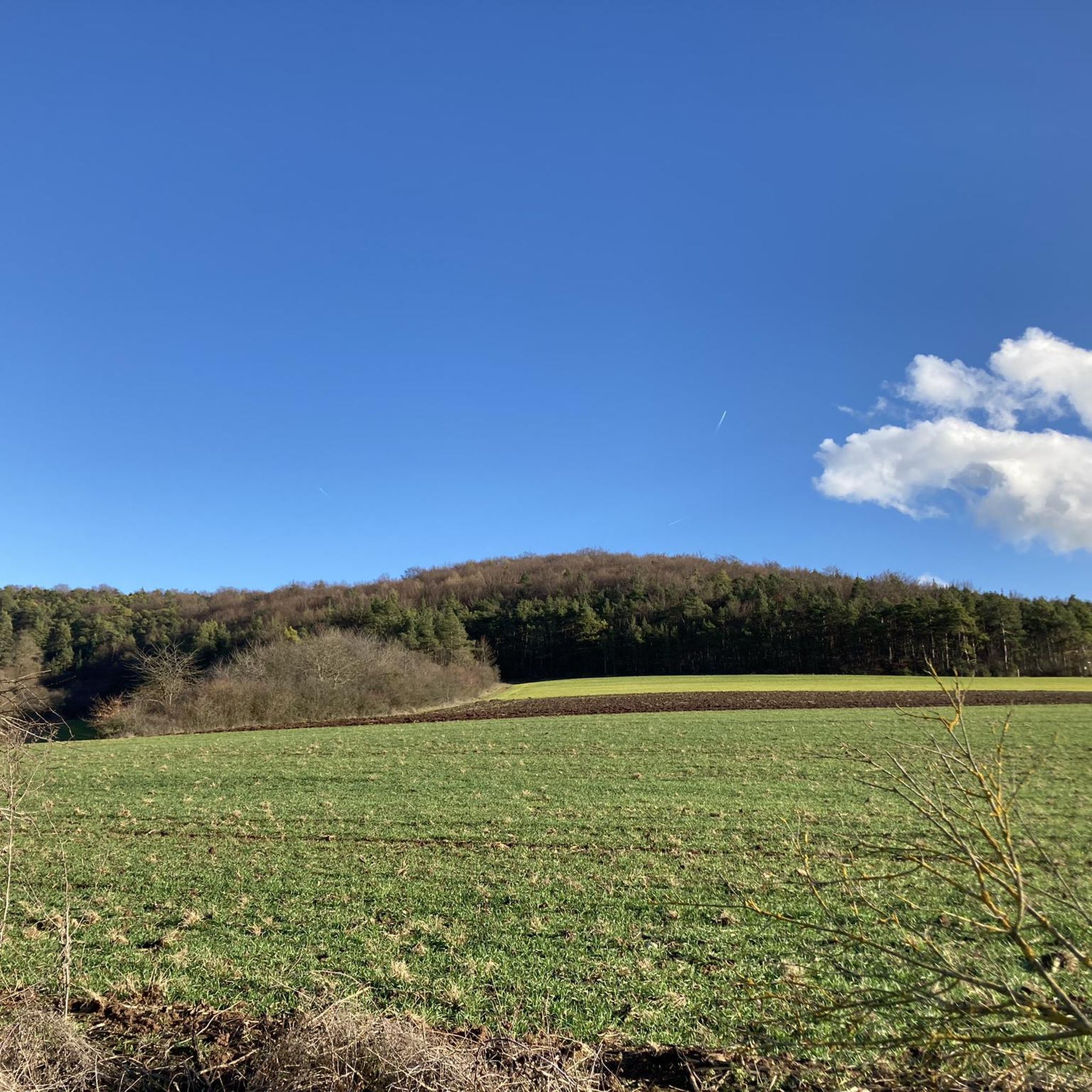
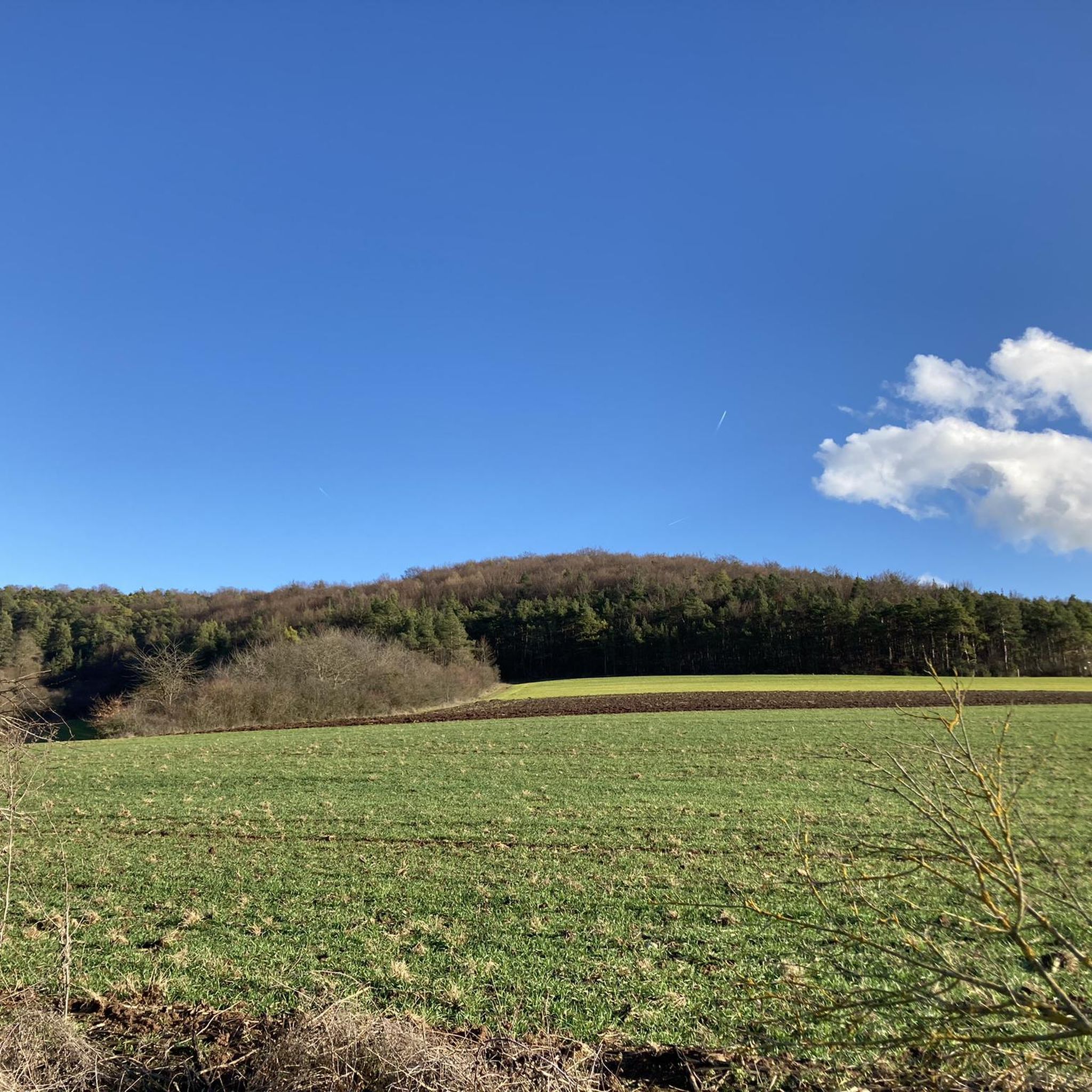
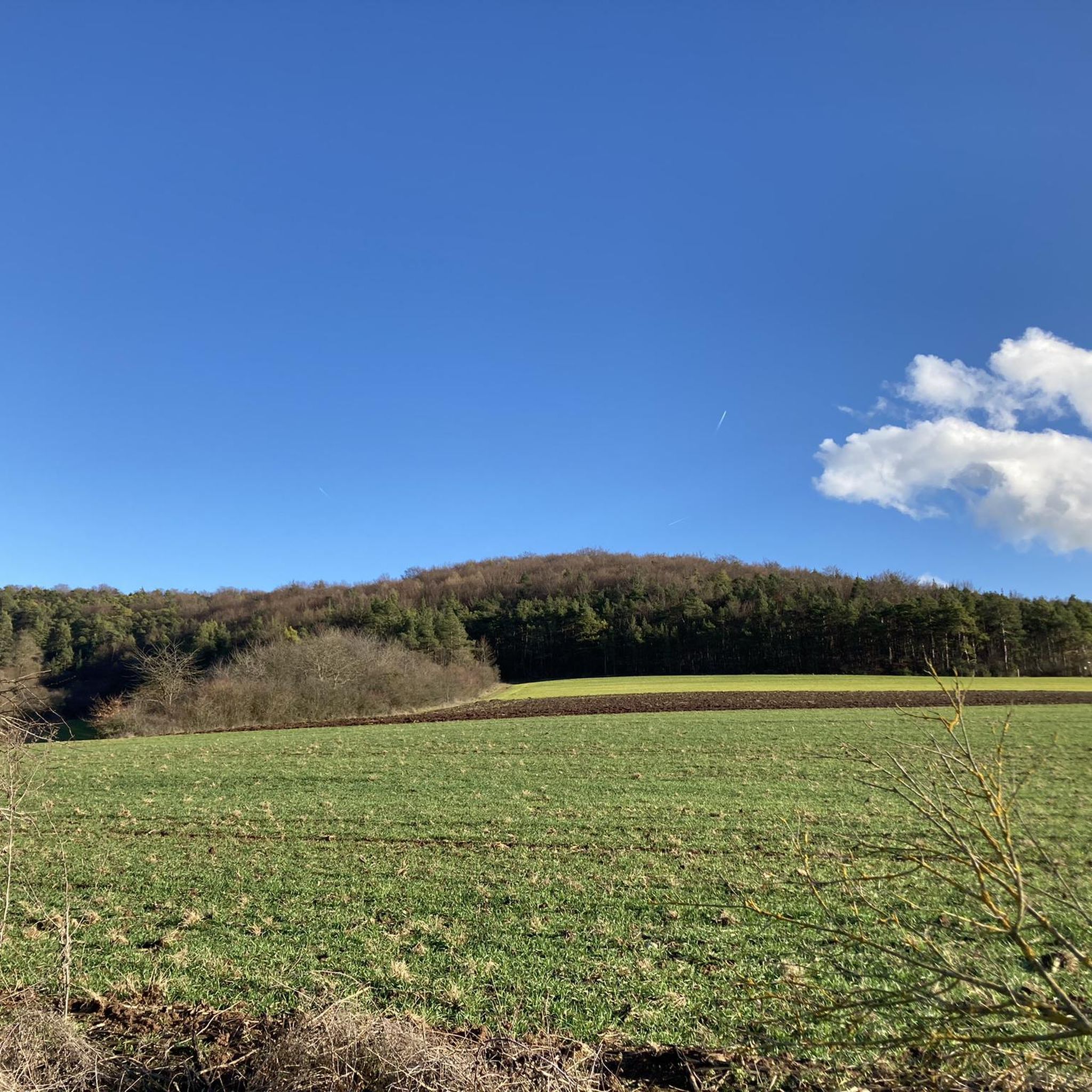
The top of the Sodenberg rises above the fields
0
0

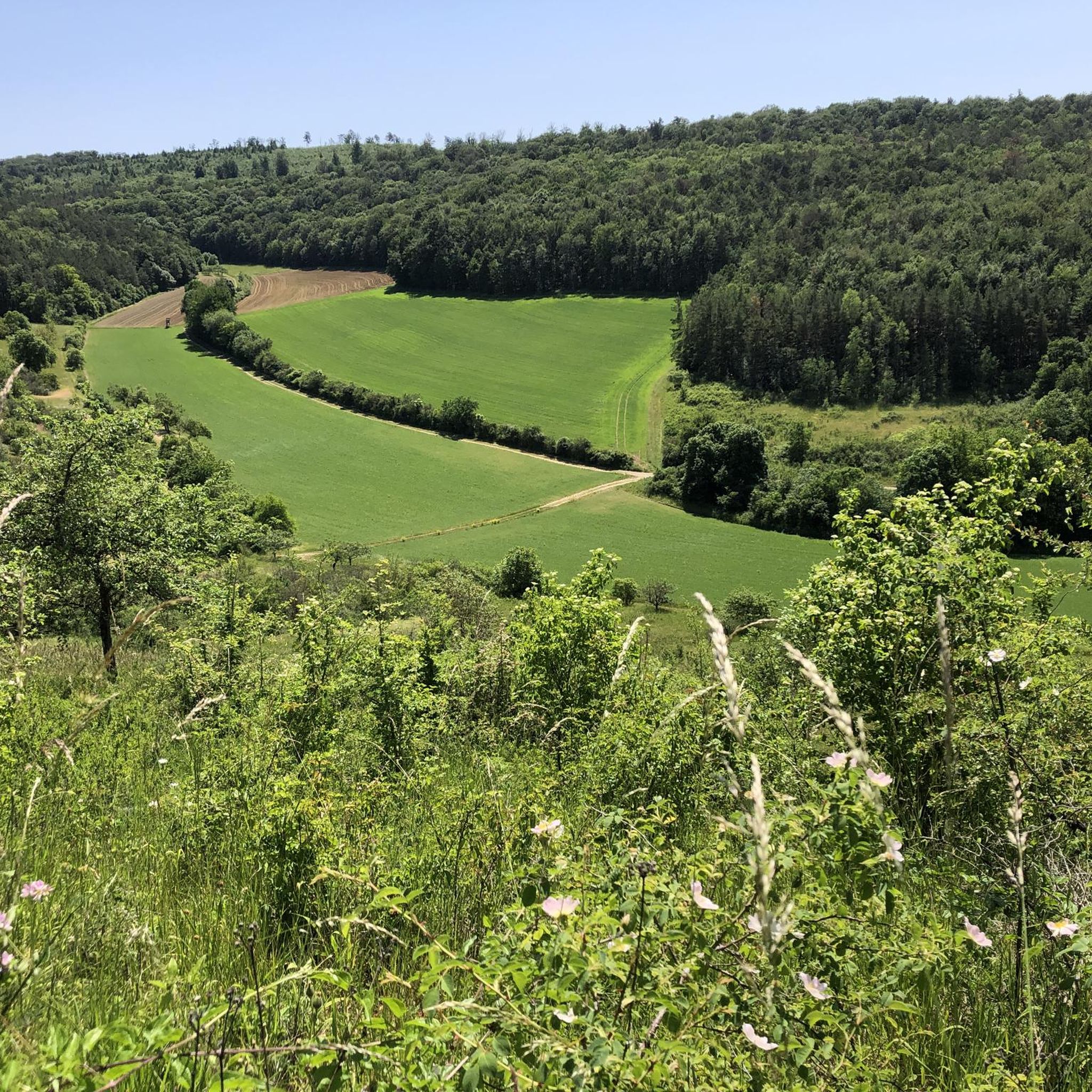
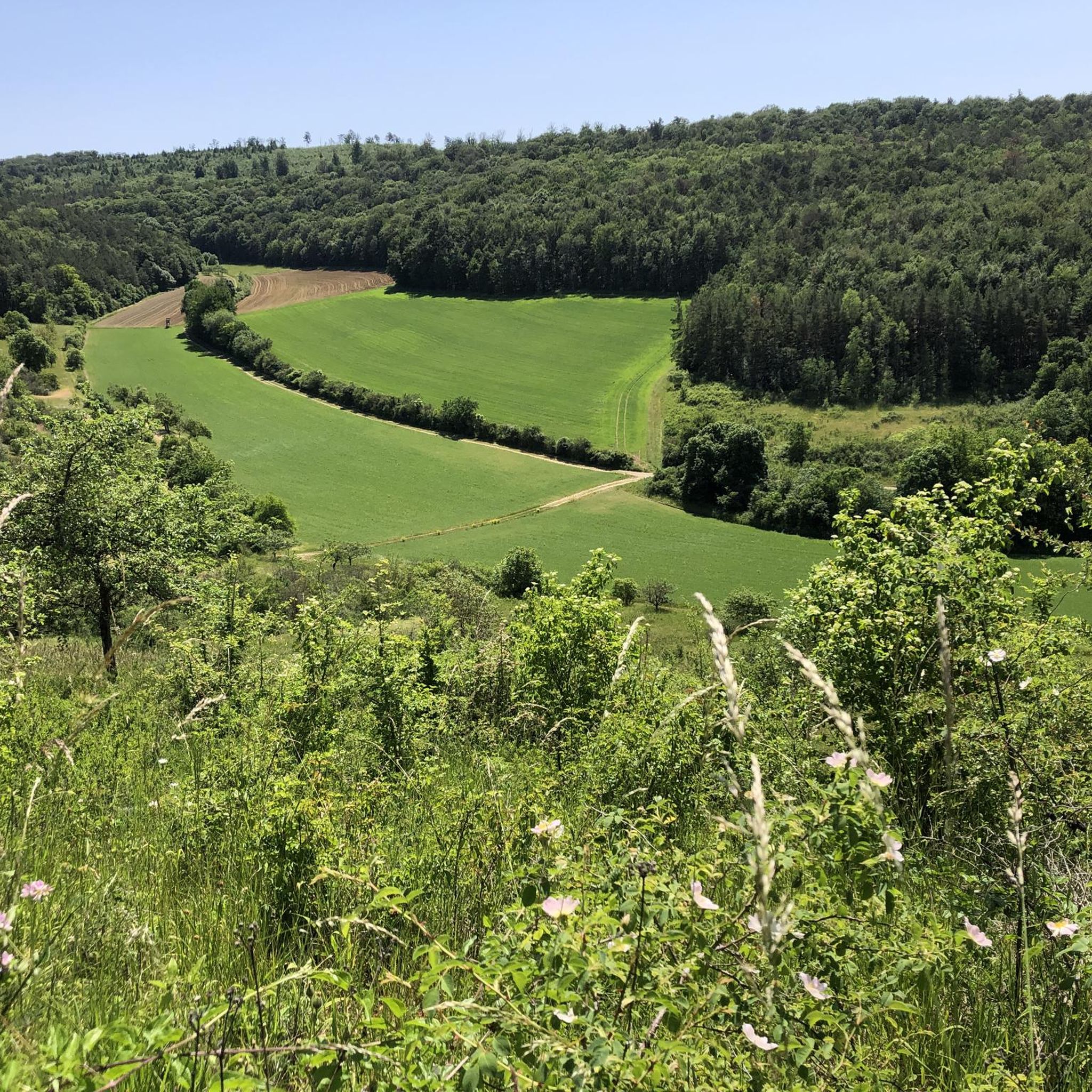
Coming from the south (from the Franconian Plate), the Büchelberg (after the Sodenberg) is the first Rhön volcano that catches the eye. That is why the Büchelberg is of course not just any elevation on the other side of the Saale: In the transition to the Kuppenrhön and the Black Mountains, it clearly shapes the landscape.
2
0

Small chapel with open-air benches in the middle of the forest.
3
0
Frequently Asked Questions
Which mountain ranges are accessible from Fuchsstadt?
Fuchsstadt is located at the foothills of the Bavarian Rhön Mountains, serving as a gateway to this low mountain range known for its volcanic origins and diverse landscapes. The Spessart low mountain range, characterized by extensive deciduous forests, is also nearby.
What are some of the most popular mountain peaks to visit near Fuchsstadt?
While Fuchsstadt itself is in a valley, the surrounding Rhön Mountains offer several notable peaks. The Sodenberg Cross Chapel is a popular local highlight, offering a quiet place for rest. Further afield in the Rhön, the Wasserkuppe is the highest peak, popular for paragliding and winter sports, and the Kreuzberg is known for its monastery and panoramic views.
Are there family-friendly mountain peaks or viewpoints around Fuchsstadt?
Yes, several spots are suitable for families. The Sodenberg Cross Chapel is considered family-friendly and offers a peaceful forest setting. The Knieckelein Viewpoint and Knückelein Summit Cross, both the highest points in the Ramsthal area, also welcome families and provide benches for resting while enjoying the views.
What kind of natural features can I expect to see on the peaks near Fuchsstadt?
The region offers diverse natural features. The Rhön Mountains are known for their volcanic origins, with highlights like the Büchelberg being one of the first volcanic groups. Further into the Rhön, you can find unique basalt block fields at Schafstein and extensive deciduous forests in the Spessart, particularly ancient beech and oak trees.
Are there any historical or cultural sites on the mountain peaks?
Yes, the Sodenberg Cross Chapel is a historical and religious building located on a summit. In the broader Rhön region, the Kreuzberg is home to a well-known monastery, adding a cultural dimension to the mountain experience.
What outdoor activities can I do near these mountain peaks?
Beyond hiking to the peaks, the area around Fuchsstadt offers various outdoor activities. You can find easy hiking trails, gravel biking routes, and running trails. The broader Rhön Mountains are popular for paragliding, hang gliding, and in winter, snowkiting and skiing on peaks like the Wasserkuppe.
Where can I find panoramic views of the region?
Many peaks and viewpoints offer excellent vistas. The Knieckelein Viewpoint and Knückelein Summit Cross provide good views of the Ramsthal area. The View of Sturmiusberg also offers a beautiful perspective. Further into the Rhön, peaks like Kreuzberg and Heidelstein are renowned for their extensive panoramic views.
What makes the Rhön Mountains unique for visitors?
The Rhön Mountains are unique due to their volcanic origins, which have shaped a diverse landscape of rolling hills, plateaus, and distinctive peaks. It's also recognized as a biosphere reserve, protecting its rich flora and fauna, such as the rare plants found on Himmeldunkberg, and impressive geological formations like the basalt block field at Schafstein.
Are there less crowded mountain hikes available?
For a quieter experience, consider exploring the trails around the Sodenberg Cross Chapel, where visitors often find themselves alone. The Schafstein, a nature reserve with an impressive basalt block field, is only accessible on foot, offering a more secluded hiking experience through ancient beech forests.
What do visitors enjoy most about the mountain peaks around Fuchsstadt?
Visitors appreciate the peaceful atmosphere, especially at spots like the Sodenberg Cross Chapel, which is described as a wonderful place to slow down. The good views from various viewpoints, such as the Knieckelein Viewpoint, are also highly valued, providing perfect spots for a little stopover.
Can I find any unique geological formations in the area?
Yes, the Rhön Mountains are known for their volcanic geology. The Büchelberg is part of one of the first volcanic groups in the Rhön. Further into the region, the Milseburg is a distinctive, round rock mountain, and the Schafstein boasts the largest basalt block field in the Rhön, an impressive natural wonder.
Most popular routes around Fuchsstadt
Most popular attractions around Fuchsstadt

Get inspired with the komoot mobile app


Explore more
See even more amazing summits around Fuchsstadt with these guides:
